What Is the Difference Between Inbound Marketing and SEO?
Clients ask this question constantly. Usually because someone told them they need both, and now they want to know what they are paying for. Fair question. SEO is one tactic inside a much larger inbound marketing approach. They are not two competing options. One contains the other.
SEO Company To-The-TOP! has been at this work since 2007. Over those years, the difference between these two terms has caused more confusion than almost anything else in a new client conversation. Worth clearing up before anything else gets decided.

SEO Is One Tactic. Inbound Marketing Is the Strategy.
Worth distinguishing before anything else.
Inbound marketing is the overall approach. Useful content. Search visibility. Social engagement. Email follow-up. Inbound attracts potential customers through each of those without interrupting anything they were doing.
SEO sits inside that approach. It handles the search engine side. Your site gets optimised so it ranks when someone searches for what you offer. That ranking brings visitors to your site. What happens next, how the site converts those visitors into leads, falls under the broader inbound strategy.
The two are not separate choices. Most inbound marketing strategies rely on SEO as their primary traffic source.
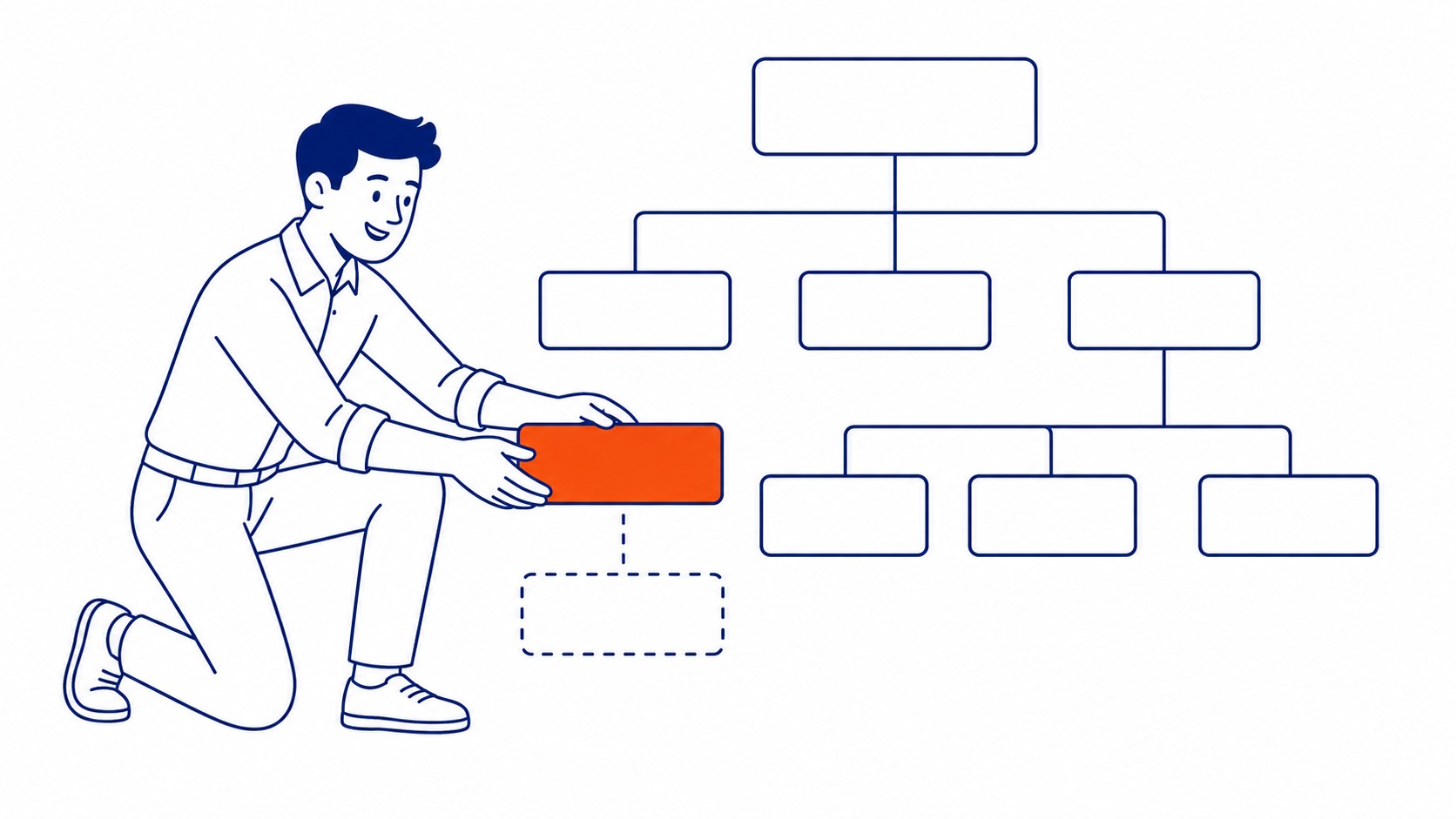
What Inbound Marketing Actually Covers
Bigger than most people expect.
Content Marketing Sits at the Core
Content marketing is the engine. Blog posts. Guides. Videos. Case studies. Any format that answers what your target audience is searching for, not ads, not pitches. Useful content that earns attention before a sale is ever discussed.
Your website carries most of this content. The blog and service pages do most of that work. Each piece serves two purposes. It helps the reader and signals relevance to search engines. That dual purpose is exactly why inbound marketing and SEO overlap so heavily.

Social Media and Email Nurturing
Social media adds distribution. Content gets shared and discussed beyond what search engines deliver. Not every potential customer starts with a Google search. Some arrive through LinkedIn, through a shared post, through a referral from someone who read your content.
Email nurturing keeps prospects moving. Someone downloads a guide from your website. They enter an email sequence. Over several weeks, they receive relevant content tied to their problem. They read it. Trust it. Contact you. That progression from visitor to lead to customer is the inbound funnel working as intended. Sitting just outside that funnel is affiliate marketing, borrowing the same content to earn commissions. Those sequences feed search too, and email marketing explained beside the ranking work makes the link obvious.
Outbound Marketing and the Inbound Difference
Cold calls. TV ads. Interruption.
Outbound marketing pushes messages at people who did not ask. TV ads. Billboard campaigns. Cold calling. Display banners on websites someone is visiting for a completely different reason.
The core issue with outbound marketing is the audience match. You pay to reach people who were not looking for you. Some will still convert. Most will not. None of that is inherently wrong. Outbound marketing still works in certain contexts and for certain business types.
Most local service businesses in Calgary face the same outbound problem, however. You pay for impressions from people who were never interested. The conversion rates reflect that reality. Inbound marketing also tends to generate better-qualified leads because the prospect initiated the search in the first place.
Earning attention instead of buying it is the core principle. Someone searches for a service. Your content ranks. People read it. That sequence costs more to build upfront. It costs far less per qualified lead over time. That trade-off is why inbound marketing strategies have become the default for businesses that want sustainable growth. Continuously inflating an ad budget is not a long-term plan.

How SEO Fits Into the Inbound Picture
SEO is the discovery layer.
Keyword Research Shapes the Whole Content Plan
Good inbound marketing starts with knowing what your target audience is actually searching for. That is a question of website keyword analysis before it is a content question. Which queries generate enough volume to be worth targeting? Are they showing purchase intent, or just general curiosity?
Keyword research answers both. The right keywords tell you what to write, in what order, at what depth. Without them, content creation is guesswork. The material might be genuinely useful, but it does not map to what customers are typing into search engines. Pages that miss that alignment do not rank. They also do not drive traffic.
To-The-TOP! does this work as part of every SEO engagement. The keyword map informs the content plan. That plan then shapes the inbound strategy. Everything connects back to search engine optimization in Calgary as the foundation.
Organic Traffic Feeds the Inbound Funnel
Traffic from search engines does not stop when the budget runs out. Paid traffic does. That is still the core difference between the two.
Organic traffic compounds. A page that ranks well this month still ranks next month. Still ranks next year, assuming the site maintains quality and relevance.
That compounding effect makes SEO the highest-ROI traffic source for most businesses over a 12-to-24-month window. Not the fastest. Three to six months before meaningful movement. That is the realistic timeline. Leads from organic search consistently convert at higher rates than paid alternatives. The intent is already built in. Someone searched for exactly what you offer. Everything above is really the short version of SEO doing its job over time.
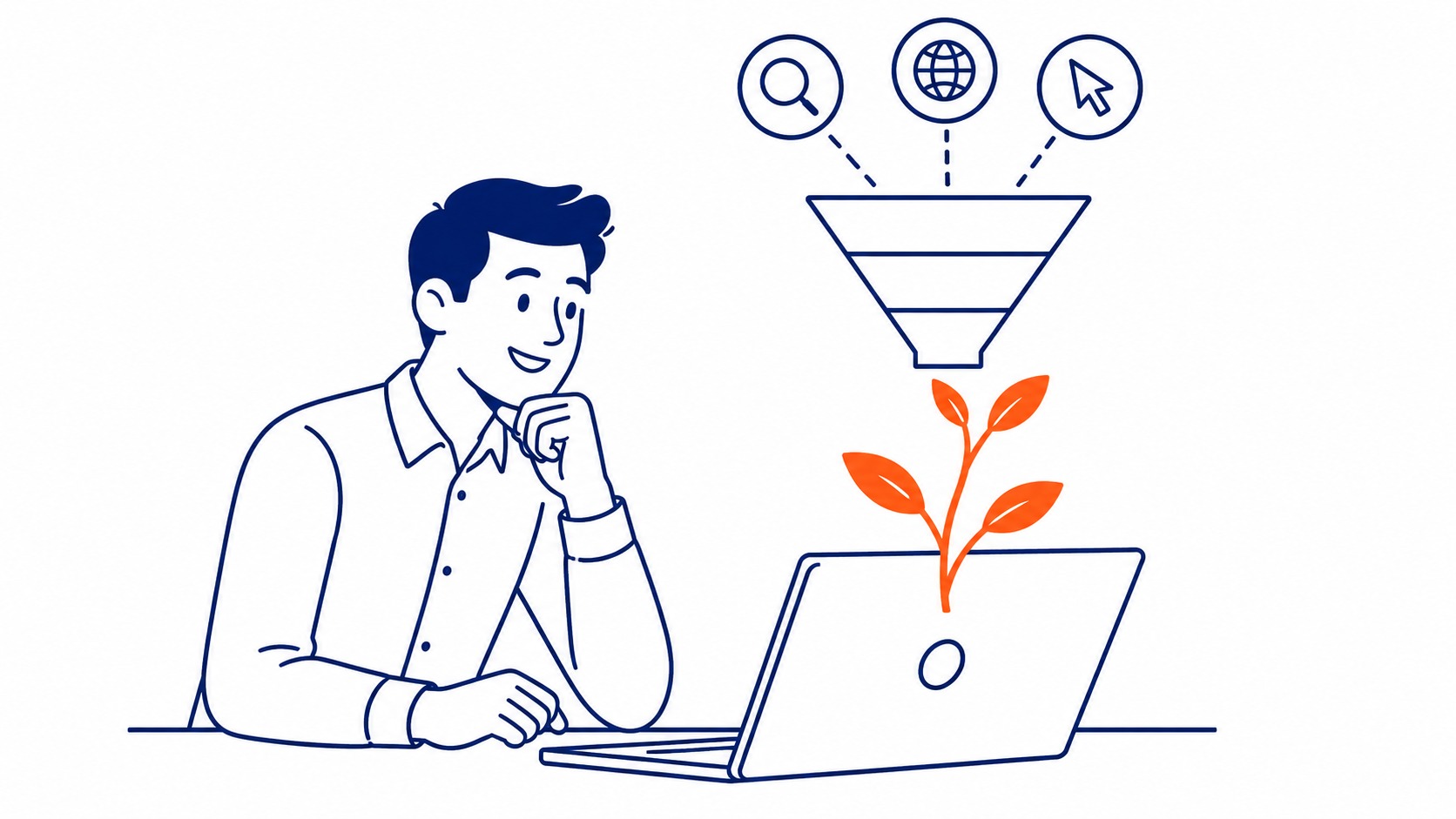
Overlap: Where SEO and Inbound Marketing Reinforce Each Other
They work best together.
High-quality content serves both goals simultaneously. A well-researched blog post on a customer topic gets read and shared. Other sites link to it over time. Those links build authority. Authority improves rankings. Improved rankings bring more visitors. More visitors produce more opportunities to convert.
An inbound strategy without SEO relies on paid distribution or social reach to get content in front of people. Both require ongoing investment and audience-building. Organic search provides the baseline traffic that makes the rest of the inbound approach worth building.
Rankings without inbound content behind them face their own limitation. Traffic arrives at a site with nothing compelling enough to convert a visitor into a lead. Clicks leave without converting. SEO brings visitors. Inbound content and nurturing sequences turn those visitors into customers. The two work together toward that outcome. Most businesses see better results from combining both approaches, however. Treating SEO as an afterthought to the inbound strategy almost always shows in the lead numbers.
Which Approach Does Your Business Need?
Depends on goals and timeline.
Most Calgary businesses starting from scratch benefit from leading with SEO. It builds the foundation. A site search engines can crawl. Content mapped to what customers search for. Technical performance that keeps visitors from bouncing to a competitor.
From there, inbound marketing strategies layer on top. Email capture and nurturing. Social content that extends reach beyond search. Lead magnets that pull interested visitors into a longer conversation. Each layer adds a channel. Dependence on any single source decreases as a result.
Google Ads PPC management is a separate question. Ads are an outbound marketing tool, even when they target inbound-style queries. They produce faster traffic but stop the moment spending stops. Worth considering alongside an inbound approach, not instead of one. Still, for most local service businesses, paid works best when it amplifies an inbound program that is already generating organic results.
The real answer to which approach you need is usually both, deployed in the right order. SEO first. Inbound infrastructure built around it. Paid layered in where speed matters.
Worth having that conversation with someone who has been doing this long enough to give a straight read on your situation. Not just a packaged answer.
Frequently Asked Questions
Is SEO part of inbound marketing?
SEO falls inside the inbound marketing umbrella. Search engine optimization handles the discovery phase. It gets your website in front of people already searching for what you offer. Inbound marketing covers the full journey from first search to eventual conversion. Content is the foundation. Email nurturing keeps prospects moving. Social engagement and lead capture extend the reach. SEO is the engine driving organic traffic into all of it.
Is SEO outbound or inbound marketing?
SEO is inbound. It earns traffic rather than pushing a message at an audience that did not ask. The customer initiates the connection. That is the definition of inbound. Cold calling is outbound. Banner advertising is outbound. Ranking in search results is inbound.
Is SEO dead or evolving in 2026?
Evolving, not dead. AI-generated summaries now appear above organic results in many searches. Some queries resolve at that summary level without a click. The underlying ranking signals still determine which sources those summaries draw from, however. Sites with strong content and clean technical SEO are still the ones getting cited. Solid backlink profiles matter too. The playbook has shifted. Core fundamentals have not, however. SEO services built on quality content and genuine authority remain the right long-term investment.
What are the 4 types of marketing?
Four types come up most often in these frameworks. Inbound. Outbound. Digital marketing as the medium. Content marketing as a tactic within inbound. The categories overlap considerably, however. Inbound and outbound describe the direction of the message. Still, the inbound vs outbound distinction matters most when deciding where to put resources first. For most small and mid-size businesses, the practical question comes down to one thing. Are you earning attention, or buying it?
Contact Calgary SEO Company To-The-TOP!
Questions about anything in this article, or about your own rankings? Talk to a Calgary SEO specialist directly.
Phone: (403) 308-5949
Address: 1509 14 Ave SW, Calgary, AB T3C 0W4
Hours:
Monday to Friday: 10:00 am – 7:00 pm
Saturday: 12:00 pm – 4:00 pm
Sunday: closed
