Why Invest in SEO Services for Ecommerce
Four hundred SKUs. Zero organic traffic on any category page. That was the store a Calgary client brought in last year, a mid-size online retailer running paid ads for every single sale. The ad account worked. It also never stopped costing money.
SEO Company To-The-TOP! took the audit that month. The store had never been touched by anyone who understood ecommerce SEO services specifically, not general website optimization. Six months later, category pages were pulling in visitors who cost nothing per click. That gap between the two approaches is the real subject here.
The Real Question Behind Paying for Ecommerce SEO Services
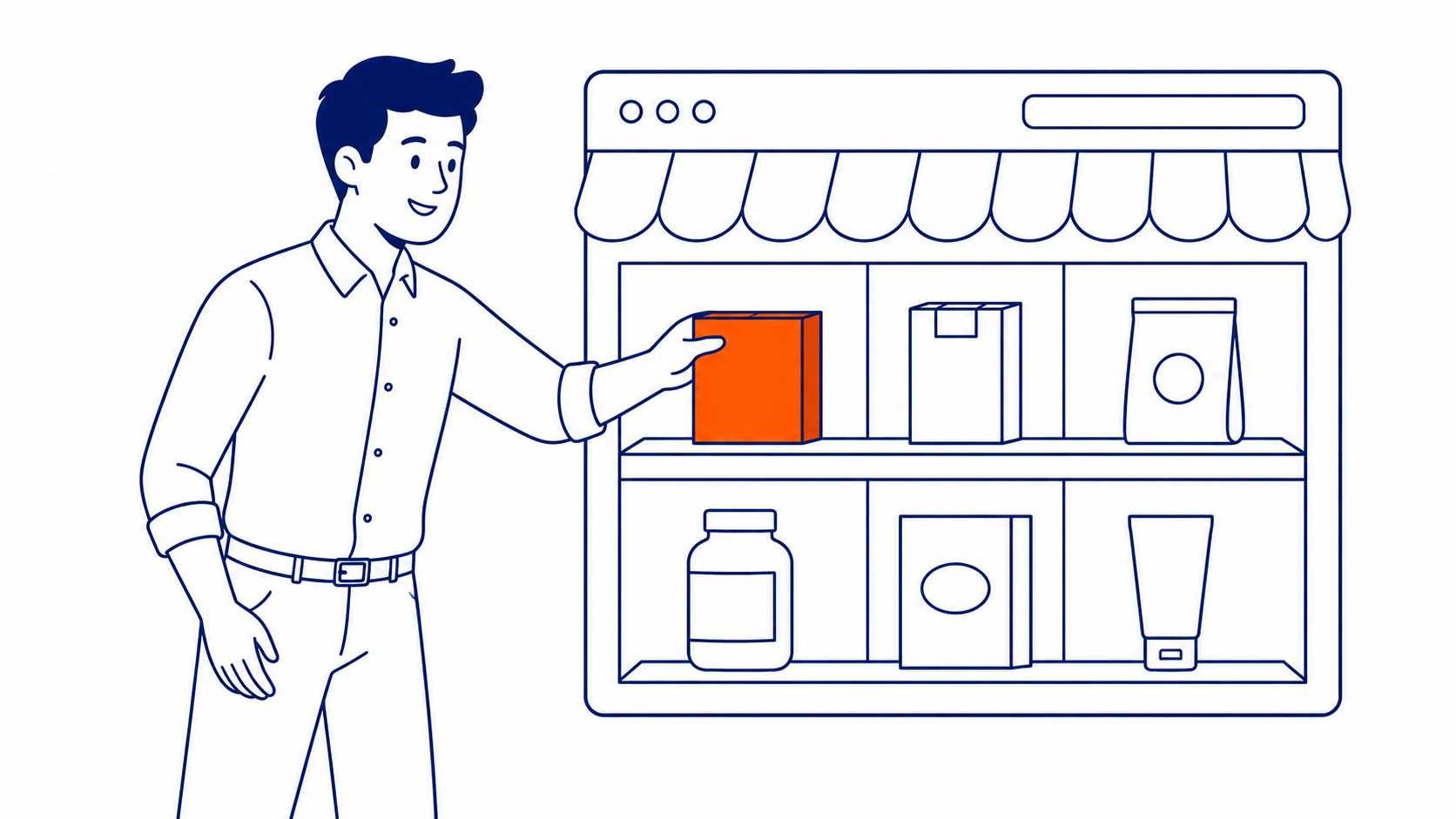
Whether SEO works isn’t really in dispute anymore. Most store owners already believe it does. The harder question sits one level down. Is paying someone to run ecommerce SEO services actually worth it, versus doing it in-house or skipping it entirely this year?
That decision depends on catalog size. Current traffic too. Add in how stretched the team already is running ads and fulfillment. Not a universal answer. A specific one, tied to where a store actually sits. Once that answer points to hiring, vetting an ecommerce SEO provider becomes the next job.
What Ecommerce SEO Services Actually Cover
A general SEO audit checks page speed and metadata. Ecommerce SEO services go further, into problems only inventory at scale produces. Size and colour filters generating ten thousand near-duplicate URLs. Product descriptions copied straight from a manufacturer’s spec sheet. Structured data missing from most product pages, so Google has no price or availability signal to show searchers.
Keyword research gets mapped to the actual category structure, not a generic list of terms. A keyword research pass for a 400-SKU store looks nothing like one for a five-page service business. The categories, the filters, the comparison intent behind “best” and “vs” searches all need separate treatment.
The Problems Ecommerce SEO Services Are Built to Fix
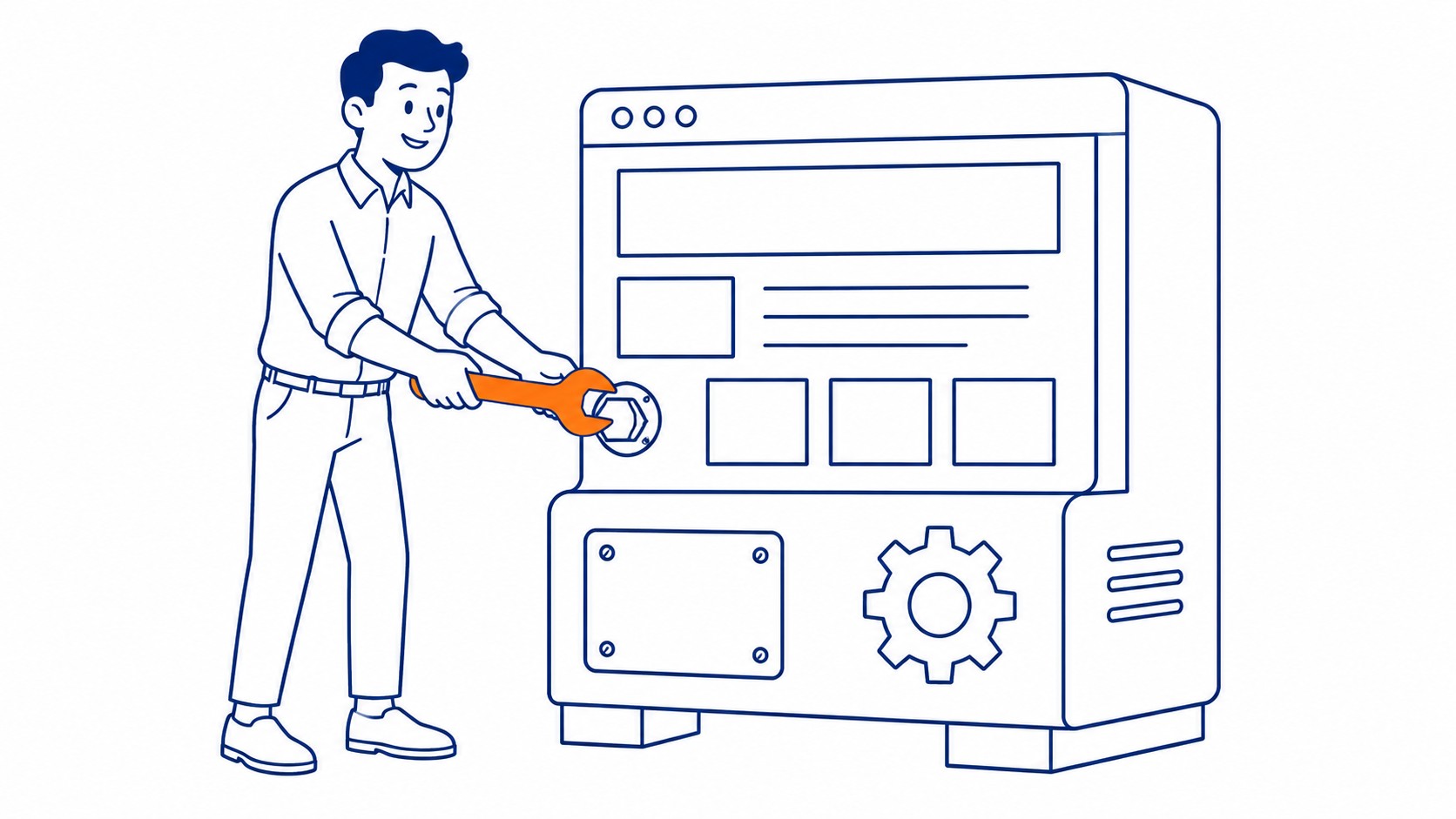
Yoast checks one page at a time. It has no view across ten thousand filtered URLs competing against each other for the same rankings. That specific failure mode shows up constantly on stores that never had a technical review at scale.
Crawl budget gets wasted on junk variants. Google spends its limited crawl allowance on colour-filtered duplicates instead of the pages that actually convert. Nobody notices until organic traffic flatlines for no obvious reason.
Category Pages Carry the Real Weight
Product pages churn constantly. Items sell out, get discontinued, get replaced by next season’s version. Category pages stay. They are the stable asset a store owns long-term, and they earn the bulk of the ranking value an SEO engagement produces.
Most of a paid engagement’s early work goes into category page structure and the internal linking between category and product. That structural layer rarely gets built by accident. Someone has to design it on purpose. That design work is most of what ecommerce SEO at scale actually means. Structure is where organic search for an online store either compounds or stalls.

When Paying for Ecommerce SEO Services Makes Sense
A few signals line up on stores where hiring out clearly pays off. Real revenue already flowing through paid channels. An inventory large enough that manual optimization page by page isn’t realistic. Near-zero organic visibility for category terms a competitor already owns.
Add a marketing team already stretched managing Google Ads management, fulfillment, and customer service. Nobody has spare hours for a technical SEO project on top of that. Paying for expertise buys back time that would otherwise go nowhere.
When It Doesn’t Make Sense, Yet
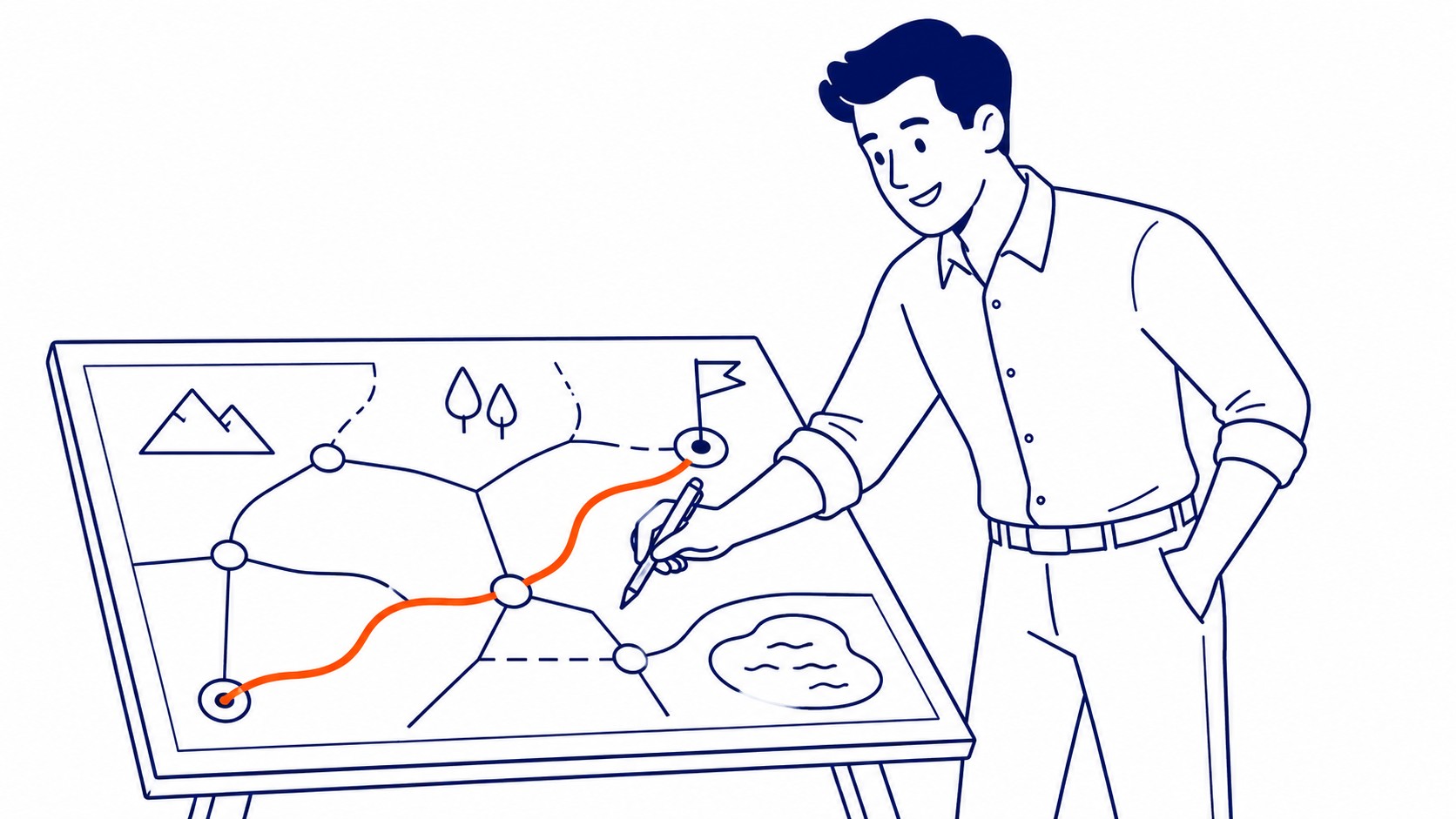
A brand-new store still testing which products actually sell shouldn’t spend on ecommerce SEO services first. Product-market fit comes before ranking strategy. Fifteen or twenty SKUs with no sales history yet means there’s nothing to build authority around.
Get the first hundred sales through ads or direct outreach. Confirm the store earns repeat customers. Bring in SEO services once there’s a real store worth ranking, not a test.
The ROI Math Looks Different for a Store
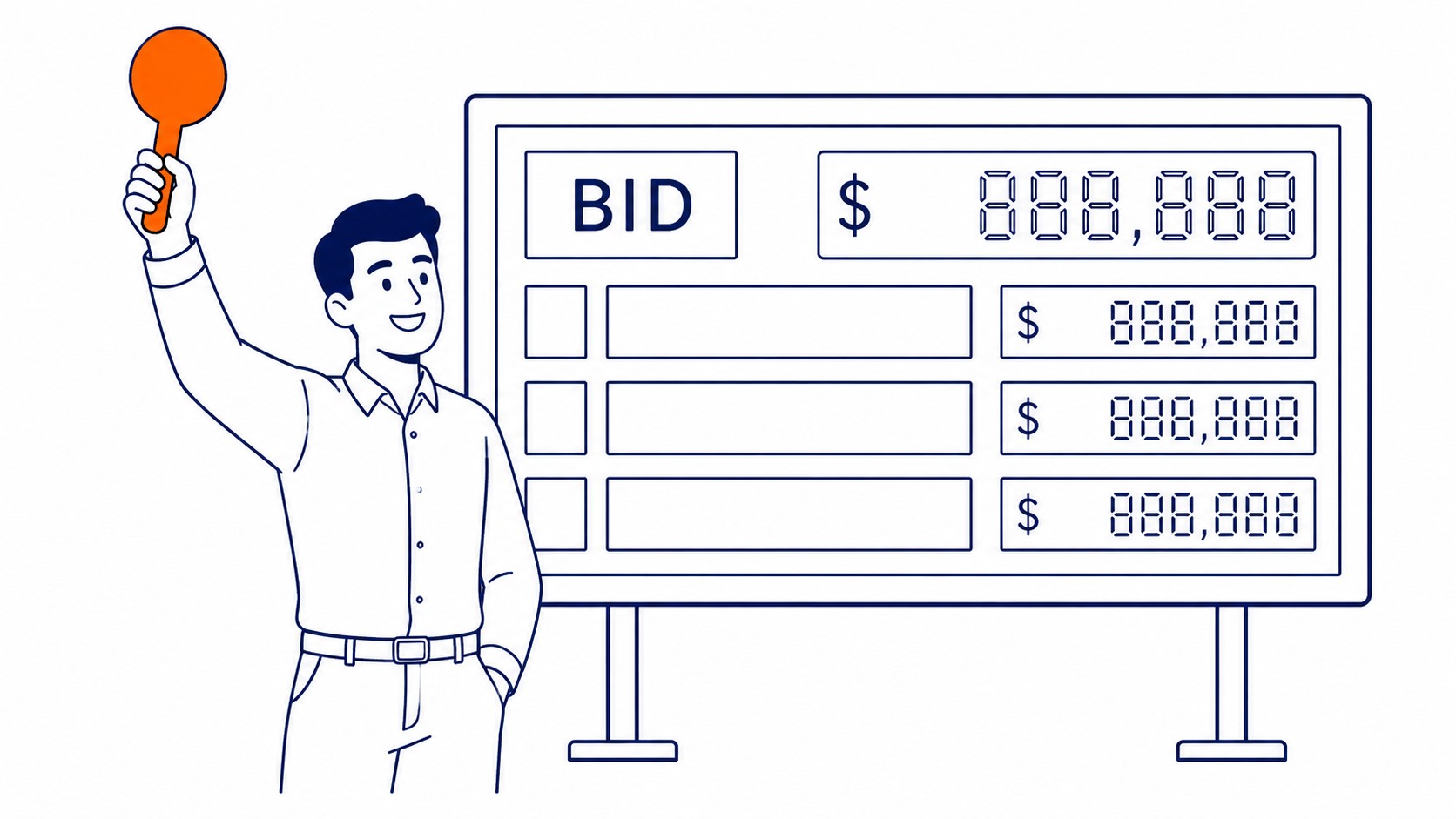
Service businesses calculate ROI around one sale per customer, mostly. Ecommerce runs on repeat purchase behaviour instead. A customer acquired once through organic search keeps buying without a second dollar of ad spend attached to that relationship.
Paid traffic carries a fixed cost every single time someone clicks. That cost climbs every year as competitors bid the same terms higher. Organic rankings, once built, keep sending customers at no per-click cost. The lifetime value of a repeat buyer changes the entire calculation in SEO’s favour. That shift plays out over eighteen to twenty-four months, not one campaign.
Run both channels side by side for a full year before deciding either one lost. Paid captures immediate demand. Organic website promotion builds the asset that keeps paying after the campaign budget is gone.

What Happens on the Store That Skips It
Ad costs alone, forever, is the default path. Nothing wrong with paid traffic as one channel among several. Relying on it exclusively means margin erosion every year auction prices climb, with no organic floor underneath to soften the impact.
Meanwhile Amazon and other marketplaces keep grabbing more of page one for product searches. A catalog with zero organic presence has nothing pushing back against that trend. The gap between a store with SEO services and one without widens every quarter, not shrinks. Closing that gap is most of what our SEO in Calgary engagements for stores actually do.
Frequently Asked Questions
Is SEO worth paying for if I already run Google Ads?
Usually yes, run alongside each other rather than as a replacement. Ads capture demand today. SEO services build the organic asset that keeps producing traffic after the ad budget stops. Stores running both tend to see the lowest blended cost per customer over time.
How much should an ecommerce store budget for SEO services?
Depends heavily on catalog size and competition. A 50-SKU store in a low-competition niche needs far less than a 2,000-SKU operation competing against national retailers. Ask for a scope tied to catalog size specifically, not a flat monthly retainer copied from a service-business quote.
Can a small store handle SEO in-house?
Sometimes, for a genuinely small catalog under fifty products with a founder who has time to learn the technical side. Past that size, the problems change. Filter-generated duplicate pages. Thin product content. Usually needs someone who has fixed the same issue before, repeatedly, across multiple stores.
How long before SEO services show results for an online store?
Three to six months for early movement, matching the timeline across most organic search work regardless of industry. Category pages tend to move faster than individual product pages. They carry more consistent search demand and don’t disappear the moment one SKU sells out.
Contact Calgary SEO Company To-The-TOP!
Questions about anything in this article, or about your own rankings? Talk to a Calgary SEO specialist directly.
Phone: (403) 308-5949
Address: 1509 14 Ave SW, Calgary, AB T3C 0W4
Hours:
Monday to Friday: 10:00 am – 7:00 pm
Saturday: 12:00 pm – 4:00 pm
Sunday: closed
