
Why Is SEO Important for Ecommerce and What Happens Without It
Organic search sends shoppers who are already looking to buy. Budgets run dry sometimes. Paid ads stop cold the moment that happens. SEO keeps working long after that, quietly, in the background.
A store skipping SEO leans entirely on ads or existing brand recognition. Neither scales cheaply. Both get more expensive every year as competitors bid on the same keywords.

The Cost Math Behind Organic vs Paid Traffic
A single paid click on a competitive product keyword can run several dollars. Multiply that across thousands of monthly visitors. The math turns brutal fast. Organic traffic costs nothing per click once a page actually ranks.
Rankings compound too. A product page ranking well in month six usually still ranks in month eighteen. Often with less upkeep than month one required. Ad spend buys none of that carryover.
This isn’t an argument against paid ads. Paid campaigns still fill real gaps organic SEO can’t reach quickly. A product launch is the obvious case. But a store relying on ads alone, without any Calgary SEO strategy behind it, pays full price forever, for every visitor.
Product Pages Compete With Amazon on Google Too
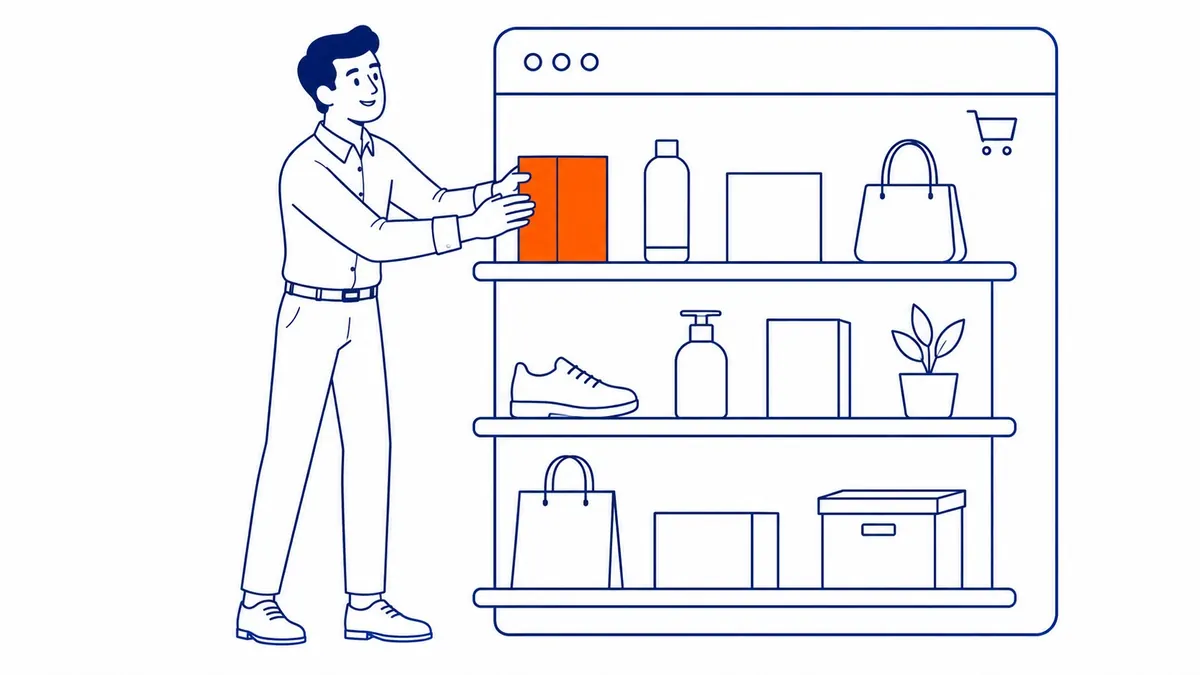
Amazon shows up in nearly every product search now. Walmart does too. A handful of marketplace giants sit near the top of page one as well. Often well before an independent store gets a look.
An independent product page has to outrank those listings on relevance. It rarely wins on raw domain authority alone. Specific, detailed pages beat generic marketplace listings more often than expected. A shopper searching a precise model number usually wants detail a crowded marketplace listing skips entirely.
Category pages carry real weight here too. A well built category page ranks for broader searches that funnel shoppers toward several products at once. That single Amazon listing simply can’t do it.

Technical SEO Problems Unique to Online Stores
Ecommerce sites generate duplicate content almost by accident. Colour and size variants often spawn separate URLs for what is really one product. Search engines see near identical pages and struggle to pick a winner. Sometimes none of them rank well.
Filter combinations pile up fast too. Price filters spin up their own URL. Brand filters do too. Rating filters follow the same pattern, unless the platform blocks them from indexing. A poorly managed store ends up with thousands of near duplicate filtered pages, all competing for the same limited crawl budget.
Thin content plagues product pages too. A hundred competing stores paste the same manufacturer description, word for word. Nothing left to set one apart. Rewriting even short product copy in original language fixes more of this than any technical patch ever will. Ask how a candidate handles duplicate variants; picking an ecommerce SEO agency often comes down to that answer.

Content and Reviews Build Trust Before the Click
Shoppers research before buying almost every time now, even for something small and inexpensive. Buying guides and comparison pages catch that research phase long before checkout starts. A solid FAQ section does too.
Reviews do double duty here. They build trust with shoppers reading them. The same reviews hand Google fresh, unique content too, content no paid ad can buy.
None of this shows up in rankings instantly. Content built for the research phase takes months to fully index and settle into position, same as everything else in SEO. That timeline question comes up early in almost every ecommerce SEO conversation.

What Happens to Stores That Skip SEO Entirely
Traffic stays flat. Or it dips the moment someone trims the ad budget. Competitors who invested early in organic keep climbing. The site sits still instead, quietly losing ground month after month.
New launches struggle without any of that organic traction behind them. The domain never built topical authority around the category to begin with. Every new page starts from a genuine zero instead of inheriting any existing trust.
SEO Company To-The-TOP! walks Calgary ecommerce clients through exactly this gap during an initial website audit. That audit maps which categories carry organic potential nobody has touched yet. Pairing it with a proper keyword research pass usually turns up more low competition product terms than expected.
Running paid ads alongside organic growth still makes sense for most stores, through a properly structured Google Ads account. The two channels support different parts of the buying journey. Not one replaces the other, in practice. Organic still needs the ecommerce SEO groundwork underneath it, ads or no ads. Organic is the slower half, and investing in SEO services for ecommerce is the half that keeps working.
Frequently Asked Questions
Does SEO actually help ecommerce sales, or just traffic?
Traffic without intent means nothing. SEO built around real buyer search terms brings shoppers already close to purchasing. Organic conversion rates often beat paid traffic on that exact same keyword. That gap is why the distinction matters.
How long does ecommerce SEO take to show results?
Three to six months for early movement on less competitive terms is typical. Competitive product categories can take longer. A full year passes sometimes, before ranking gains actually show up in revenue.
Is SEO worth it for a small online store just starting out?
Usually yes, since paid ads get pricier every quarter. That price climb tips the math toward SEO early. A narrow, specific niche lets a small store rank faster than a broad competitor usually can. Competition for that narrow term simply stays thinner.
Should an ecommerce site do SEO and paid ads at the same time?
Most established stores run both. Paid ads cover gaps and launches. Organic SEO builds the compounding asset that keeps paying off long after ad budgets get cut back.
Contact Calgary SEO Company To-The-TOP!
Questions about anything in this article, or about your own rankings? Talk to a Calgary SEO specialist directly.
Phone: (403) 308-5949
Address: 1509 14 Ave SW, Calgary, AB T3C 0W4
Hours:
Monday to Friday: 10:00 am – 7:00 pm
Saturday: 12:00 pm – 4:00 pm
Sunday: closed