Why SEO Is Important for Small Business
Most small business owners contact us about SEO only after losing ground. A competitor starts ranking above them, phone calls slow down. Someone eventually pulls up the search results. That is almost always where the first conversation begins.
SEO Company To-The-TOP! runs organic search campaigns out of Calgary. Has since 2007. The work is the same whether the search says Calgary SEO or search engine optimization in Calgary. Same story across industries. Businesses with strong organic visibility grow more predictably. Those without it are either paying for ads constantly or waiting on referrals. Neither path scales the way organic rankings do.
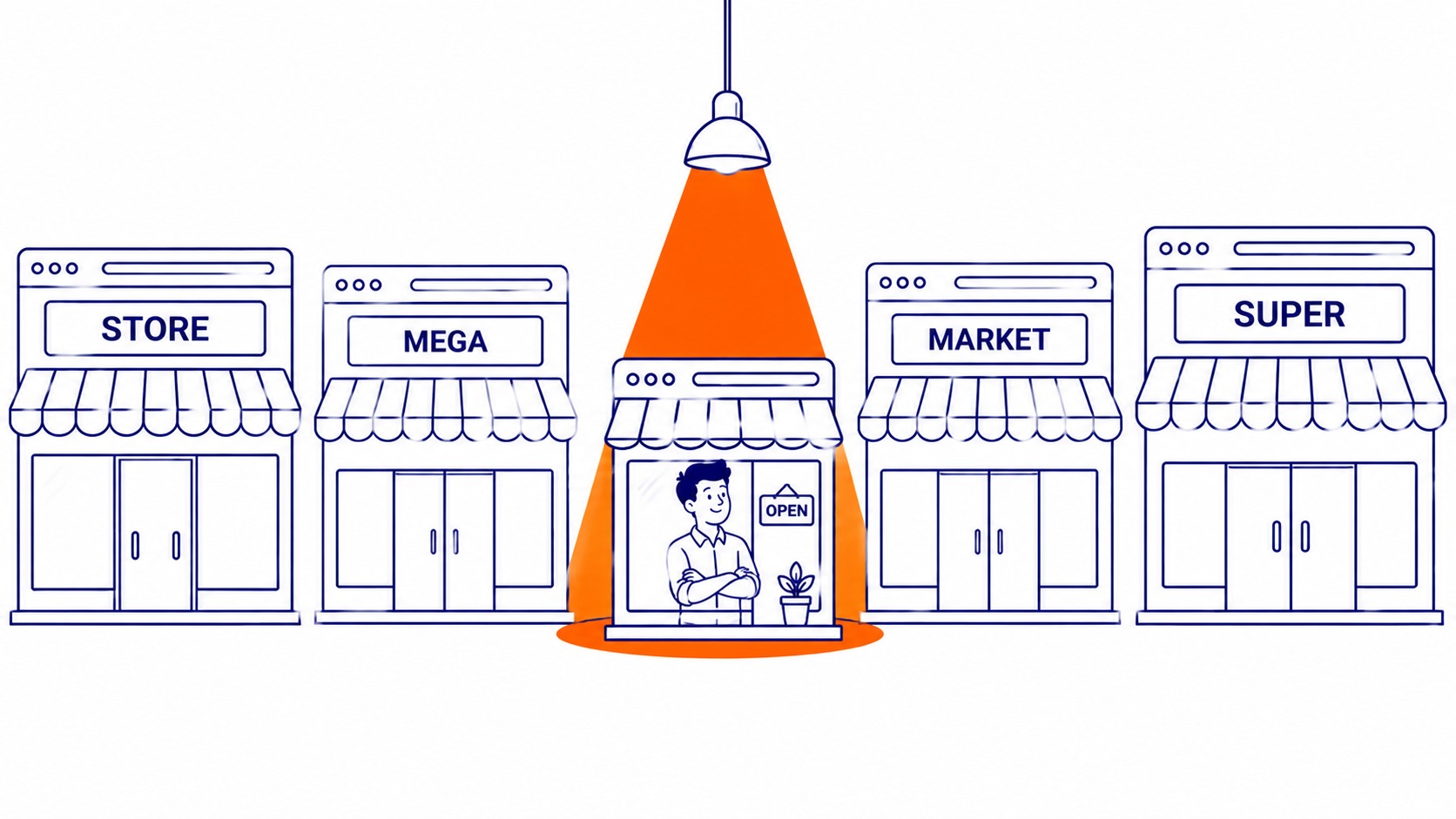
The Visibility Gap Most Small Businesses Miss
Organic search drives the majority of visitors to your website in most industries. Not social media. Email either. Search. Earned spots at the top of those rankings, not lucky ones.
Search results put your website in front of buyers already mid-search. No interruption. Zero cost per click. A query gets typed, the page appears, the visitor arrives. That is the mechanic.
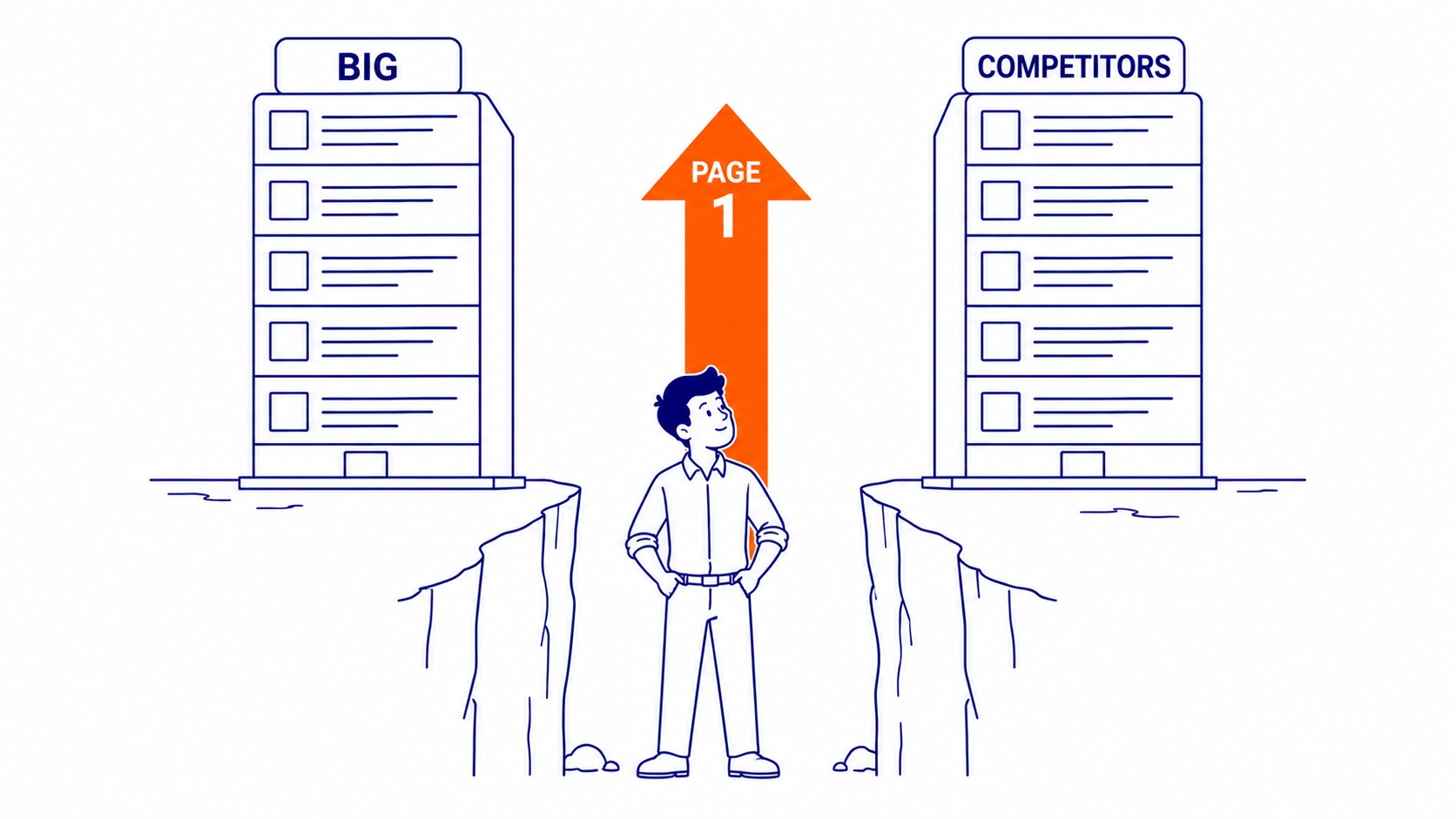
Most small business owners assume those top positions belong to larger companies. Wrong assumption. Relevance and authority. That is what Google measures. Company size is not even a factor. Local businesses with well-optimized sites outrank national chains on city-specific searches regularly. It is the standard result of focused work in a competitive local market, where an SEO company in Calgary settles questions by testing rather than by assumption.
How Organic Rankings Keep Delivering
Paid campaigns end with the budget. Organic traffic does not. A page earning a strong ranking position keeps delivering visitors month after month without additional ad spend.
The case for why SEO is important holds even for businesses that feel they are too small for organic search to matter.
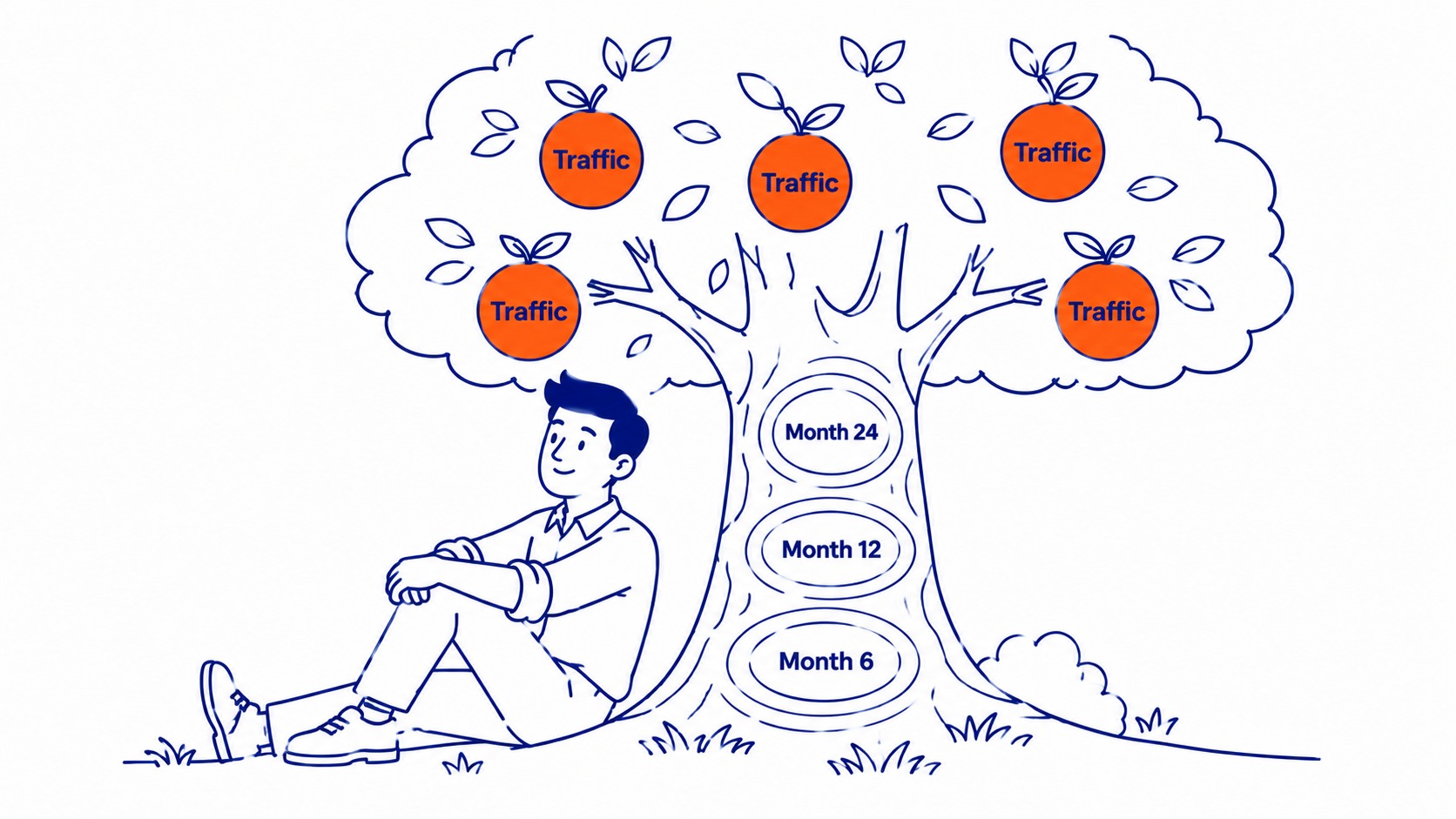
That compounding return is why SEO’s ROI tends to improve with time. The first six months involve the most effort for the least visible movement. Months seven through twelve also begin to shift. One year of consistent work looks very different from those early months.
Three to six months before meaningful movement. That is the realistic timeline. Owners expecting positions to jump inside the first few weeks will be disappointed. Still, businesses that stick with it typically call SEO the best marketing investment they have made.
Local SEO and the Map Pack
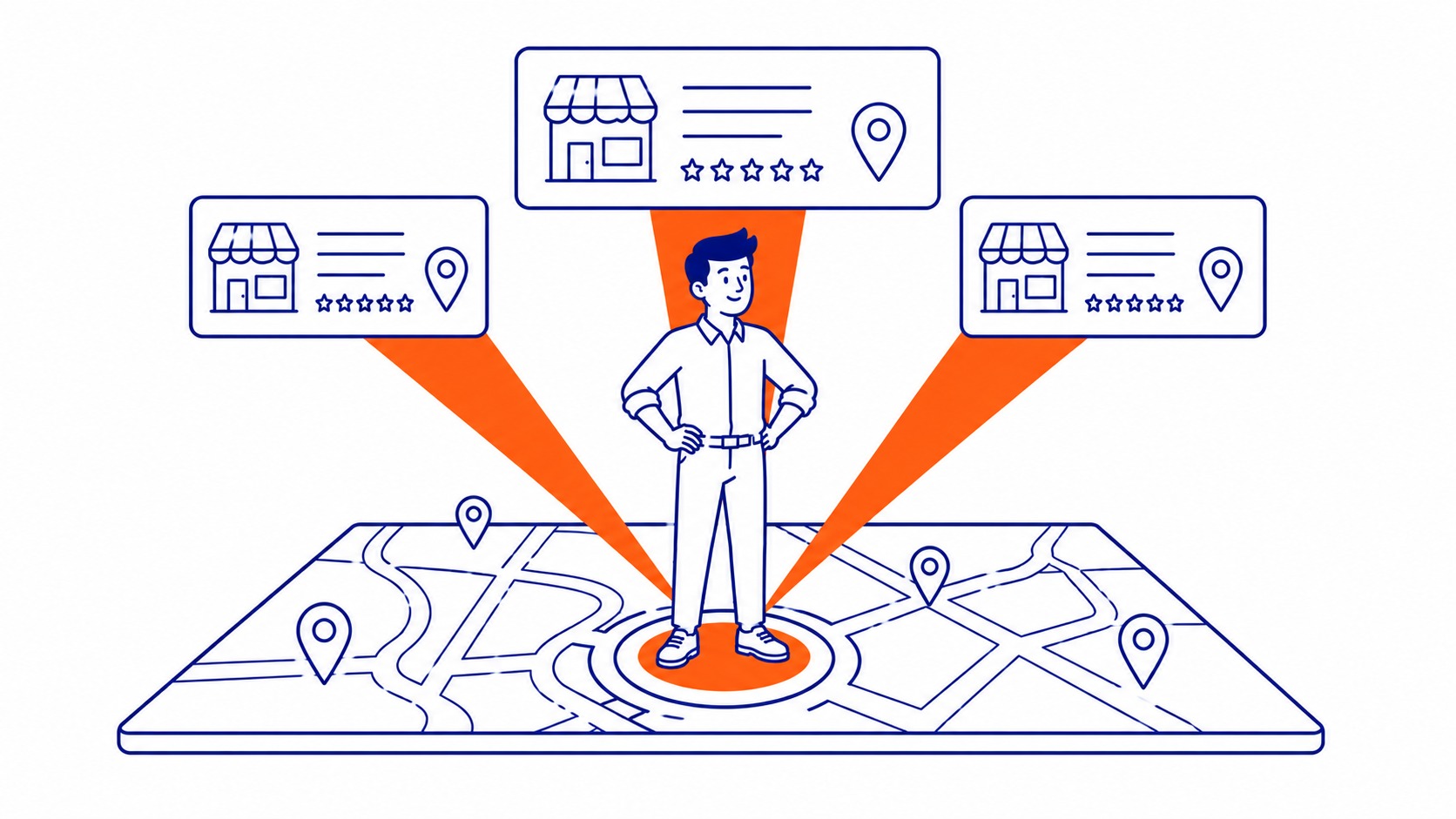
Local SEO matters most for businesses serving a specific geography. The map pack is where purchase decisions often begin for local services. Google Business Profile sits at the centre of that. Local search results and Maps also pull from your profile.
The pricing guide at how much does SEO cost in Calgary breaks down what small business budgets realistically get at each investment tier.
Name, address, phone number: every directory that references your website needs the same information, identically. Any mismatch weakens the local ranking signal. Reviews, categories, photos, hours: Google factors all of it into local relevance scoring.
Small businesses typically see faster visible movement from local SEO than from broader organic work. Target queries are specific. Competition is often lighter. A complete profile with consistent citations can move your website into the map pack in a matter of months, not years. Speed is one of the plainer reasons to invest in SEO locally before anything else.
Keywords: Connecting Your Website to the Right Buyers
A keyword tool will hand you a list of terms in seconds. Systematic competitor keyword research tells you what potential customers actually type, not what you assume they type. Those two things are regularly different.
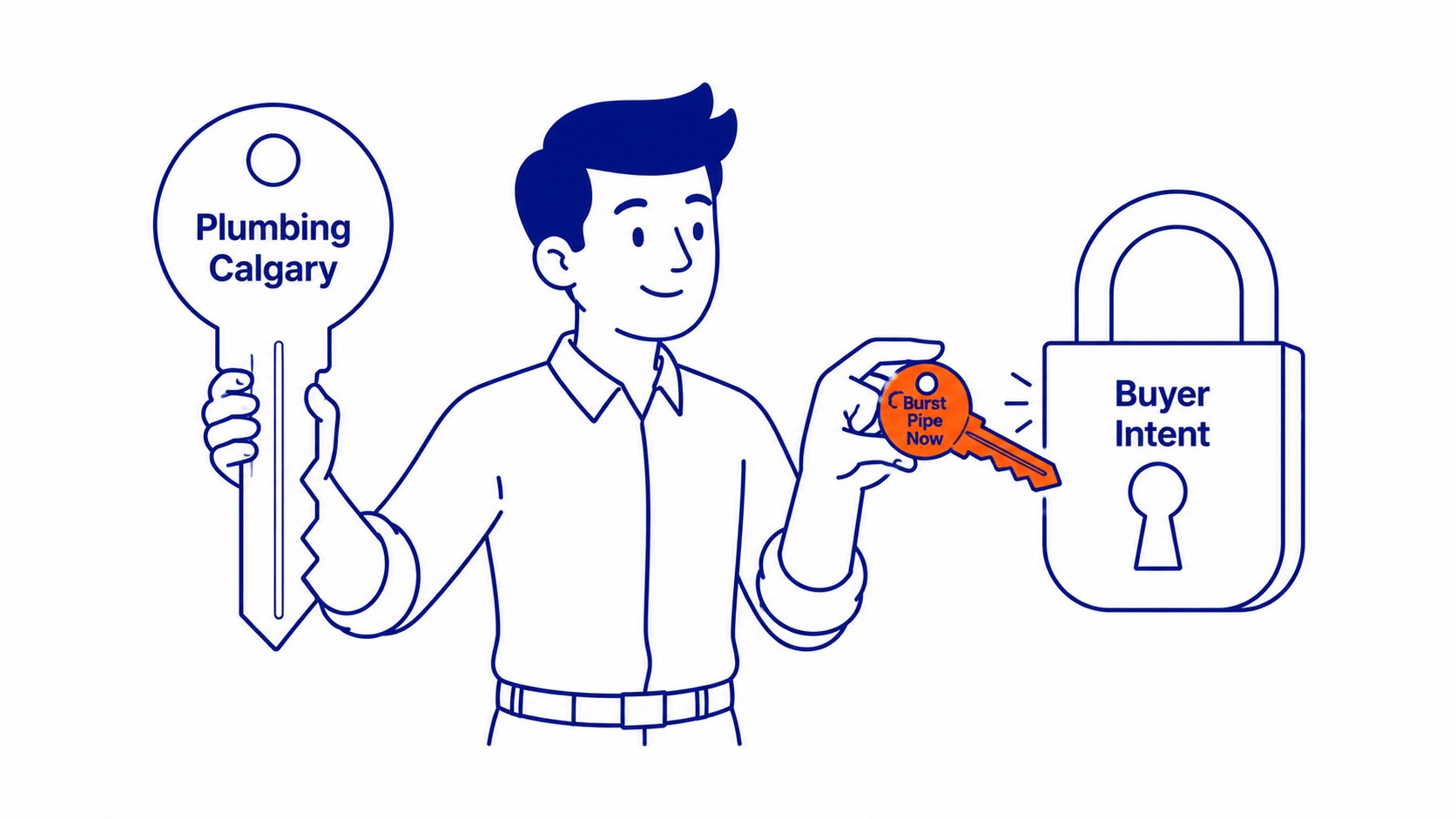
A plumber might target “plumbing services Calgary.” The highest-intent visitors, however, search for “emergency plumber open now Calgary” or “burst pipe repair Calgary northeast.” Longer, specific phrases convert better. Volume is lower. Competition usually is too.
Understanding intent is what separates effective work from wasted effort. Targeting queries where the searcher is ready to buy looks different from targeting informational queries where someone is still researching. Both have value in a full strategy, though. That mix depends on what your business needs most right now.
Content, Backlinks, and Building Authority
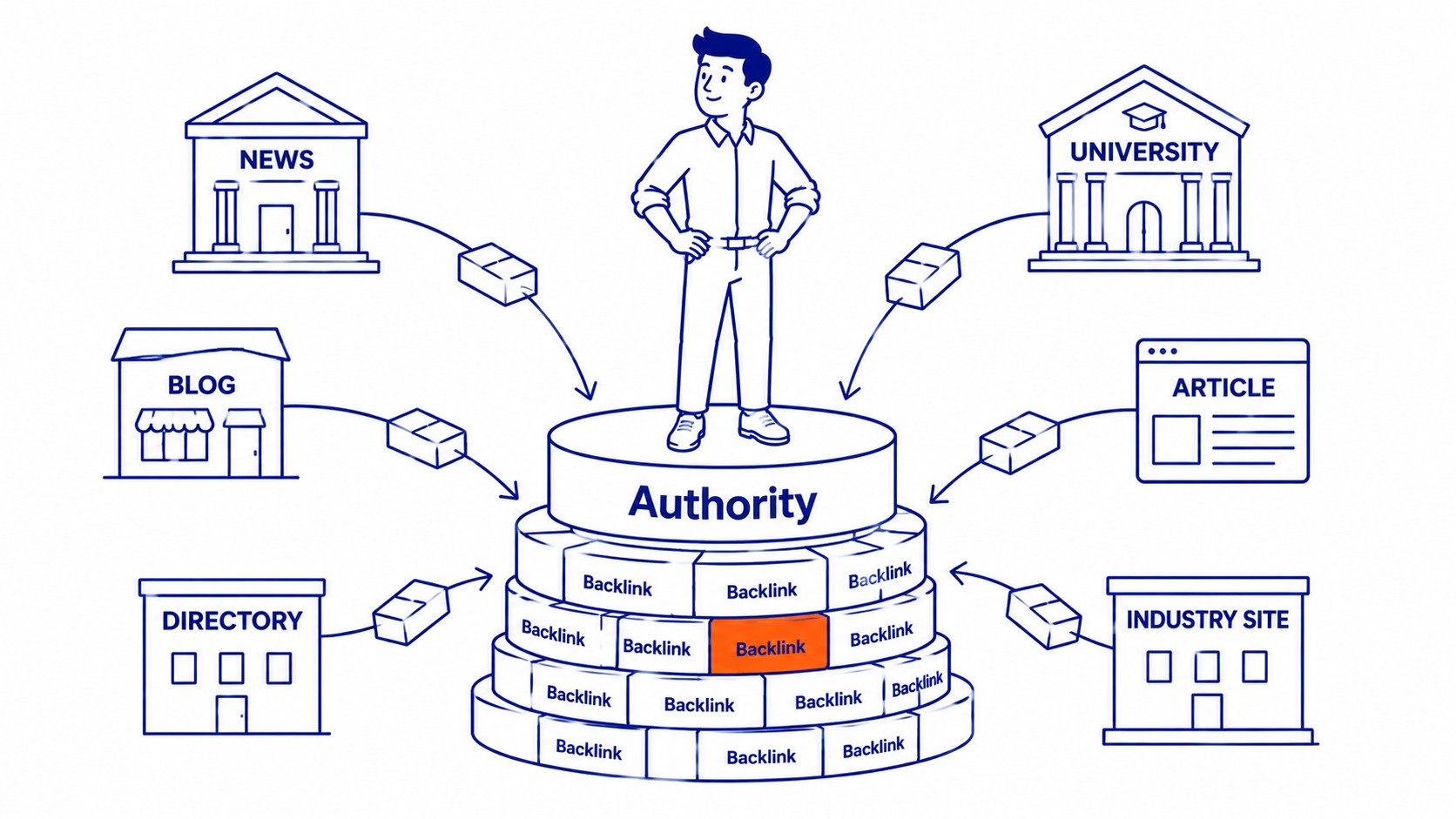
Search engines rank websites partly on authority signals. Links from other sites pointing to yours remain one of the strongest ranking signals. One quality backlink beats fifty weak ones, however. From a respected industry source or local news: that outweighs fifty weak directory listings.
Useful pages also attract links. Other sites reference what they find worth citing. That is how authority accumulates without buying links or chasing manipulative signals.
Visitors who find what they came for stay longer. That registers as quality to the algorithm. Pages that match what your audience was searching for still tend to hold ranking positions better.
What an SEO Strategy Actually Looks Like
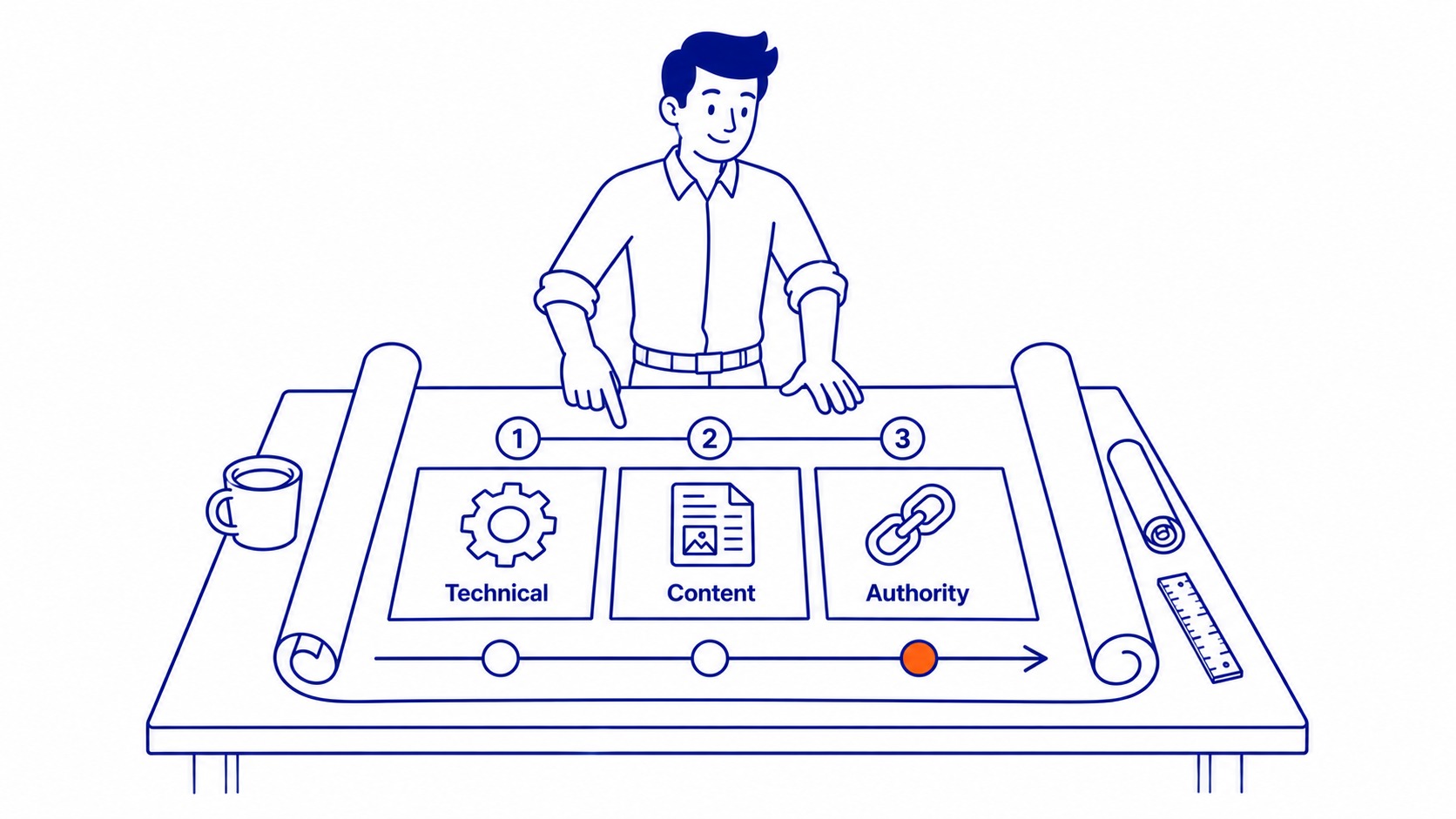
A real SEO strategy covers three areas: technical health, page quality, and authority. Crawlability. Page speed. Mobile performance. Schema markup. Internal linking. Technical work runs through all of it. Search for SEO auditing tools and a dozen automated checkers come back. A thorough audit goes further: it identifies what is broken and ranks fixes by impact. That is the entry point for any serious effort.
Pages get written next. Search term gaps also get filled. Existing pages get improved. New pages target queries your website is not yet competing for.
Authority work takes the longest. That means link building. Local citation cleanup. Profile optimisation. Movement comes slowly here. The compounding, however, is what creates ranking positions genuinely difficult for competitors to displace once established. None of it works without the basics of SEO holding underneath.
SEO vs. Paid Ads: Two Different Tools
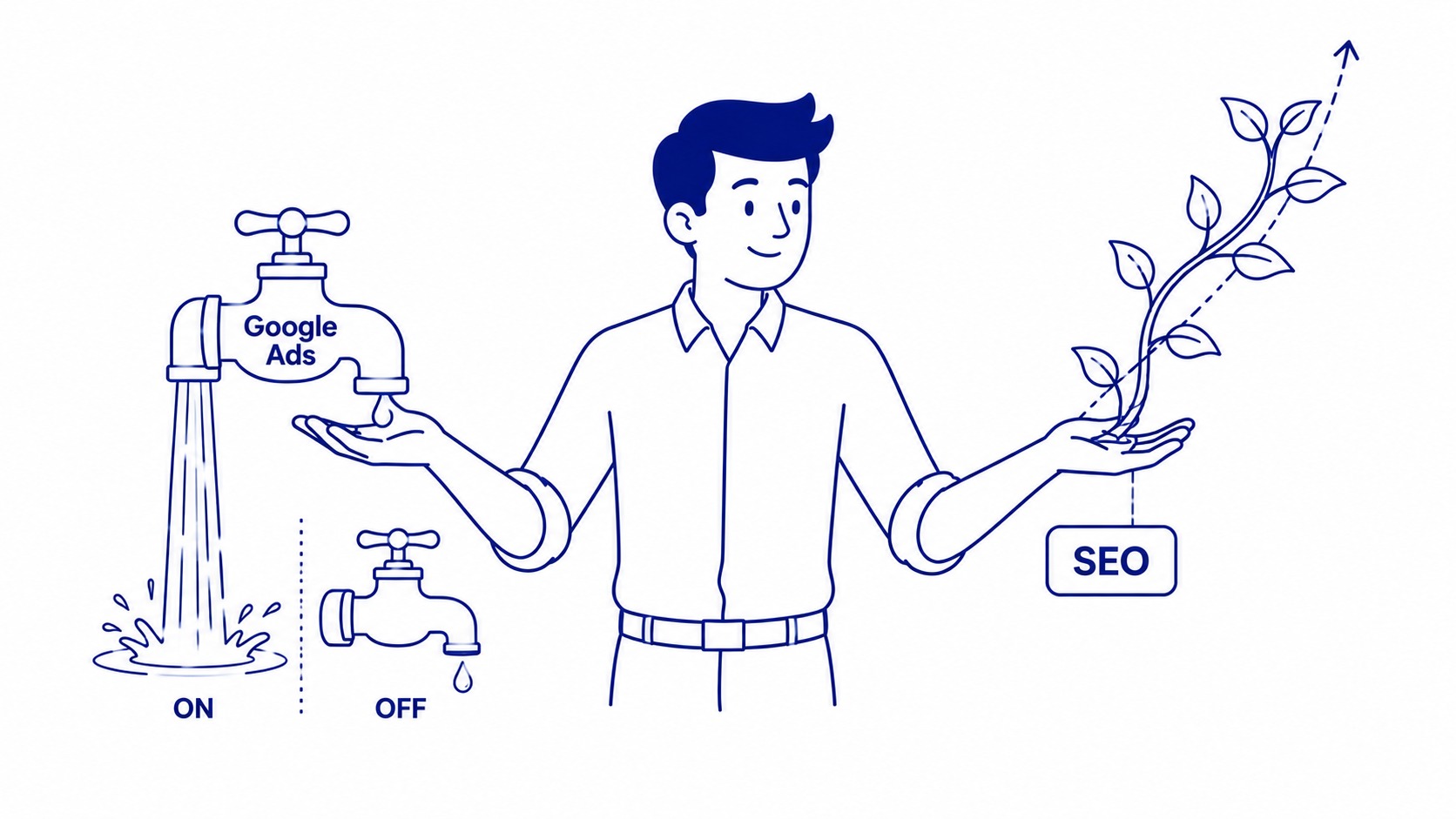
Paid search delivers results immediately. A campaign can be live the same day, and a Google Ads cost calculator will tell you what those clicks run before you commit a dollar. SEO takes months. Short-term revenue pressure sends most businesses to paid advertising first. Organic rankings build on the same timeline, though.
Most businesses treat these as competing options. That is the mistake. Paid ads stop. SEO compounds. Running both creates a position where paid campaigns cover short-term demand. Organic rankings develop into a long-term asset. Businesses that scale back paid ad spend after two or three years of consistent SEO work find the organic visitors are already there.
Where To Start With Limited Resources
Small businesses with limited marketing budgets need to prioritise. A website SEO audit is the logical entry point. It surfaces the current technical state of your website. Which pages have ranking potential. Where the fastest wins are. Skipping the audit means guessing at where to direct the effort.
Keyword research follows the audit. Then target a small number of specific queries rather than trying to cover every topic at once. Build rankings from there. SEO does not require a large initial investment. Consistency and correct prioritisation matter more than budget size.
To-The-TOP! works with businesses in Calgary, Vancouver, and Edmonton, and an SEO content writing service sits inside the same engagement as the technical work. One specialist handles all client work from audit through delivery. No handoffs, no account managers between your business and the person doing the actual work. Worth asking about before committing to a longer agency contract.
Small business owners in Wetaskiwin SEO, White Rock SEO, and Whitecourt SEO compete in local search against larger brands with bigger advertising budgets. Smaller budgets make SEO and the wider marketing plan one decision, not two.
FAQs
Why do small businesses need SEO?
Organic exposure is how customers who are not already aware of your business find you. Paid ads help short-term. Organic visitors keep coming after the ad spend stops. That is what makes it different from paid. Most channels fall short of SEO on pure ROI over a three-year span.
The 80/20 rule of SEO: what does it mean in practice?
Movement comes from a handful of actions, not dozens. Core technical fixes. The right search terms. A handful of improved pages. That combination still drives most of the gains. Optimize every corner of your website at once: that is the time drain. Focus instead on what actually moves rankings. Time spent on low-impact items is the most common SEO mistake.
SEO in 2026: is it dead or evolving?
Evolving. Open Google today. AI-generated answers appear above the organic listings on some queries now. Page authority, schema markup, content depth: still driving the citations those AI answers pull from, however. The fundamental ranking mechanics have not changed. Presentation is what shifted.
The 3 C’s of SEO: what are they?
Content, code, and credibility. The first covers what you publish and whether it matches what your audience is searching for. Code covers technical health: crawlability, page speed, schema markup, mobile performance. Credibility covers authority signals, primarily quality backlinks from trusted sources and a consistent local citation profile.
Contact Calgary SEO Company To-The-TOP!
Questions about anything in this article, or about your own rankings? Talk to a Calgary SEO specialist directly.
Phone: (403) 308-5949
Address: 1509 14 Ave SW, Calgary, AB T3C 0W4
Hours:
Monday to Friday: 10:00 am – 7:00 pm
Saturday: 12:00 pm – 4:00 pm
Sunday: closed