Banff SEO rankings serve a market unlike any other in Alberta: a national park town where millions of tourists pass through annually and roughly 8,000 permanent residents call home. Serving both audiences without confusing Google on which searches you are trying to win takes deliberate technical work. Five steps form the foundation:
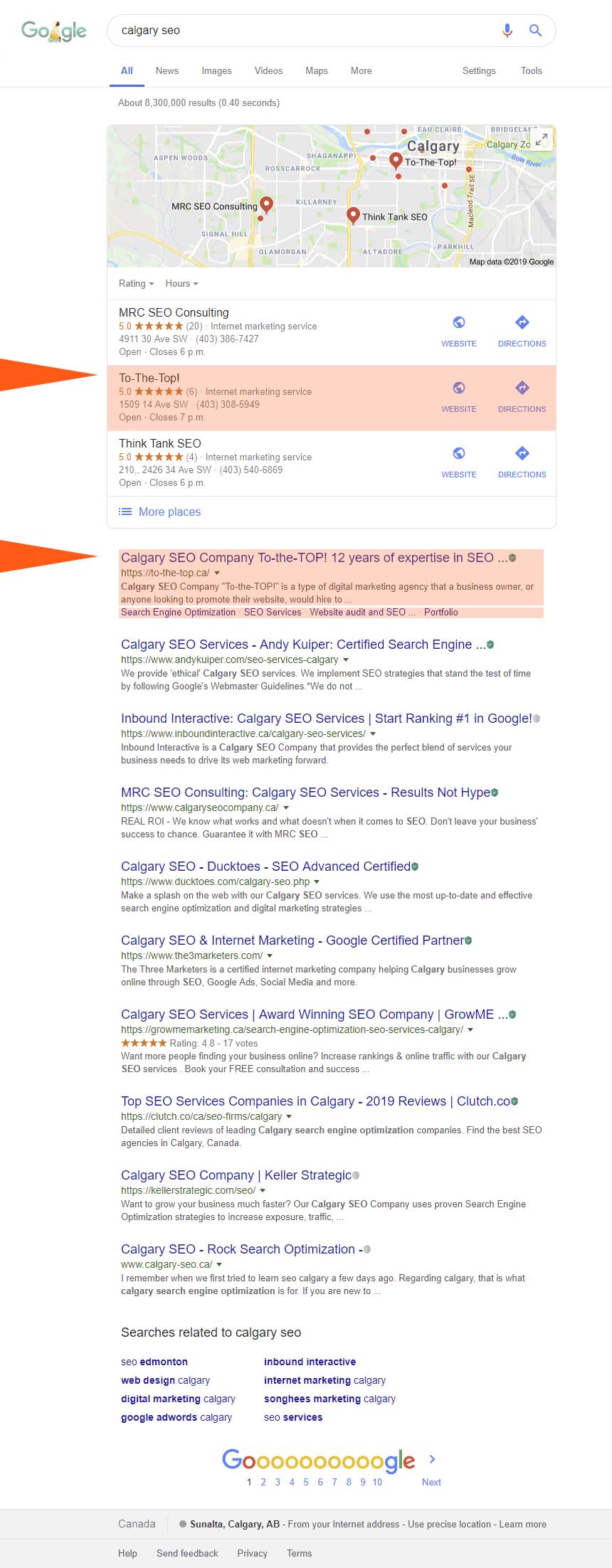
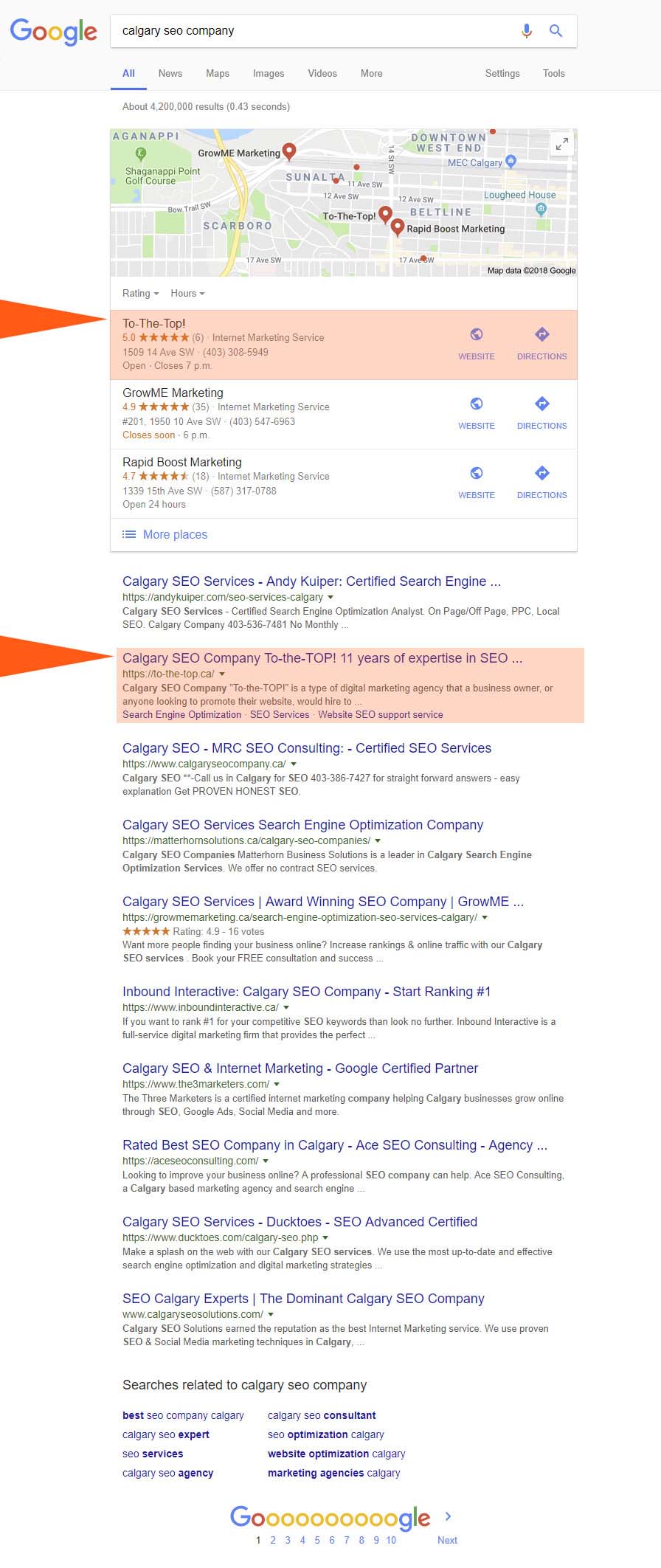
Keywords "Banff SEO Company" in search engine google.ca
What are Expert SEO and SEO Consulting Services?
Banff SEO (Search Engine Optimization) gets local businesses found. Two audiences here: visitors planning from home, residents searching in real time. Both use Google first. Organic rankings stay when paid ads stop. Most businesses that contact To-The-TOP! have already tried paid ads and found the economics don't hold up long-term in a resort market where click costs are high.
Hiring a Banff SEO company with real knowledge of this market is the other path. National park town. Tourist economy. Search patterns here look nothing like a typical Alberta city. Hotels, restaurants, outdoor adventure companies, retail shops. All competing for visitors who decided on Banff before their specific business search started.
Visibility in organic search builds traffic that compounds. Banff businesses at the top of a relevant result carry authority their page-two competitors don't. That trust gap widens the longer the rankings hold.
What Are SEO Companies and SEO Consulting Services?
Visibility is the product a professional SEO company delivers. Scope changes the tactical details but not the core work. Build a site around what searchers in this market are looking for. The core process stays the same whether the campaign targets just Banff or extends into Lake Louise and Canmore.
Any SEO company Banff businesses choose should be verifiable. Check their own rankings before the conversation goes further. Google's ranking algorithm shifts. Updates arrive without warning. A professional SEO services provider tracks those changes and adjusts your strategy before rankings drop.
How do Professional SEO Experts Help Banff Businesses?
Algorithms update constantly. Tactics from three years ago show up as disappeared rankings. Customers actively searching for those businesses now are finding someone else.
To-The-TOP! tracks those updates and adjusts. The Banff market has a structure unlike any other in Alberta. Hotels chasing international visitor traffic. Restaurants serving tens of thousands of guests per summer. Outdoor experience companies targeting adventure seekers from across Canada. Resident-serving businesses competing in a tiny permanent population. Understanding your specific category and how your customers search comes before any SEO Banff work begins.
Organic search is how your website and your Google Business Profile reach more people without paying per click. The strategy is built around how this national park town's search landscape works in your specific sector. Your competitors here are being optimized too. Many established hotel and hospitality brands have long-running SEO investments. Still, in many specific categories, gaps remain. That is the opportunity.
To-The-TOP! operates as a solo practice. Greg Ichshenko handles accounts directly. No handoff to an account manager. Every client works with the same SEO specialist who knows their file, their market, and their goals. SEO in Calgary and Banff work run to the same White Hat standards.
Targeted traffic grows. Conversion rates follow. Organic search visitors searched, found you, and clicked. Intent is already there. Different quality of lead than someone who saw a display ad during pre-trip planning.
Rankings stabilize, costs don't rise with traffic. Same budget, more return each month. Organic search does not stop when the monthly payment does. The ROI compounds over time.
How do search engine optimization experts and other SEO companies optimize websites?
Each method below has a direct application to how the Banff market works.
Choosing strategic keywords
Keyword research in this national park territory is more layered than it appears. Tourist searches peak in different seasons with different intent: ski passes from December through March, hiking and sightseeing from May through September. International visitors introduce search terms that domestic campaigns miss. Pre-trip planners search months before arriving. On-the-ground visitors search the moment a need appears. The right keyword research finds the terms that bring in business, not just traffic.
Improving relevance through proper organization of pages
Site structure tells search engines which pages matter. Get the hierarchy wrong and the pages that should rank don't. An SEO company familiar with this market can read which of your pages are undercutting each other and which ones have genuine ranking potential with the right adjustments.
Providing or restructuring the content of your website
How often keywords appear on a page is one factor in how search engines evaluate relevance. The density, placement, and quality of your content are all signals. Thin or poorly targeted content is one of the most common reasons Banff business websites fail to rank for the terms their owners expect.
Showing the full extent of your business offerings online
Many businesses in this market have services or product lines that their website never clearly communicates. Search engines and visitors both benefit from complete, accurate descriptions of what you offer. A website audit often identifies pages that should exist but don't, or pages that bury the relevant information several clicks deep.
Coding pages for search optimization
Technical structure matters more than most Banff business owners expect. Slow load times. Broken code. Mobile problems. Each one costs position. Visitors to this market are often searching on mobile while already in the town. A slow site loses them before they book.
External factors beyond the page itself
How often do other trusted sites mention and link to your website? Tourism directories, Parks Canada partner pages, Alberta hospitality associations, travel media. Mentions from those build external authority that moves rankings here. None of it happens without deliberate effort.
Building a strong search campaign
Not every keyword is worth chasing. Hotel brands and OTA platforms (Booking.com, Expedia, TripAdvisor) have held top positions in some categories for years. Realistic campaigns start where movement is actually achievable. Authority builds there first, then expands. Early wins fund the longer work.
An SEO campaign divides into two broad categories: internal optimization and external optimization. Both matter. Either alone is insufficient.
What is internal optimization, and why does it matter?
Semantic core development: selecting and organizing the keywords that matter for your Banff business and industry sector.
Structural improvements. Page hierarchy reorganized so authority flows to the pages that need it.
Technical error fixes. Duplicate pages, broken links, crawl issues, slow load speeds. All of them suppress rankings.
Mobile usability. Most Banff tourism searches happen on phones. Someone hunting a restaurant on Banff Avenue is holding one.
Page relevance. Content matched to what Banff users actually type, not what seems relevant in general terms.
Image optimization. File names, alt text, compression. Each one small on its own. Compounding across a large site.
Internal linking. How pages within your site point to each other. This tells Google which pages carry weight.
Time-consuming. Continuous. Also foundational. A poorly structured website limits every other SEO effort regardless of what else gets done. Internal work first is not optional, it is the starting point.
External endorsement is how search engines read trust beyond your own pages. A mention from a relevant Alberta tourism or national park authority source counts as a trust signal. Search algorithms read that as external trust. Nothing you add to your own page carries the same weight.
Content that Banff-area visitors and residents share, cite, and return to. Natural link equity, built over time.
Directory registrations. Tourism listings, national park partner databases, local authority sites.
Building genuine link relationships with complementary businesses and regional resources across the Canadian Rockies.
Industry news, press releases, community content relevant to Banff National Park and the surrounding Alberta mountain region.
Relevant tourism forums and hospitality blogs. Participation there builds authority signals that search engines track over time.
External work follows a competitive analysis. Knowing how direct competitors are building their external presence shows what is needed to surpass them. Search platforms actively reward genuine authority and penalize manufactured link profiles.
External and internal optimization work together. Neither replaces the other.
This work runs inside the search platform's guidelines. Always. What gets penalized is the other approach: paid link schemes, keyword stuffing, scraped content. Those tactics borrow time from future rankings.
Providers who sell bulk backlinks or guarantee rankings in thirty days are using methods that eventually produce penalties. SEO conventionally divides into three categories.
White-hat optimization works within published search engine guidelines. No prohibited promotion methods. Authority builds organically through genuine quality signals.
Grey methods are not officially banned, but their use can be interpreted as artificially inflating authority. Some search platforms penalize these sites over time.
Black hat optimization uses techniques that directly contradict the published rules. Detection often results in severe penalties or complete de-indexing.
To-The-TOP! uses White Hat SEO exclusively. That means every ranking earned for Banff clients is built on legitimate signals that hold up through algorithm updates. The shortcuts others take eventually cost businesses their search presence entirely. Worth asking about before signing anything.
PPC stands for Pay-Per-Click. Paid results park above the organic listings. Each click costs money. Google Ads is the most common form. Immediate placement; position disappears the moment the budget stops.
Ads carry a small "Sponsored" label at the top of results. A portion of searchers scroll past them. Both channels produce traffic, though for different situations.
Bids alone don't determine Google Ads position. Landing page relevance and expected click-through rate also factor in. A well-built site helps both sides.
Short-term seasonal campaigns, testing new packages, reaching visitors in a narrow window. PPC is the right tool for those. Sustaining a local business on paid clicks long-term is expensive because every visitor has a price. In a resort market where hotel and experience click costs are high, those economics compound fast. If you want to explore paid advertising alongside your SEO work, Google Ads management services are available. Click here for more information and a free quote.
Here is a summary of the key differences.
SEO
PPC
Appearing at the top of Google
- Three to six months before meaningful position gains; sometimes longer in competitive categories
+ Instant placement once the campaign is live
Budget vs. Results
+ Monthly SEO costs are relatively predictable. As traffic grows, the cost per visitor declines over time.
- More visitors means a larger bill. High-competition clicks in hospitality and outdoor experience categories can be expensive.
Flexibility
- An SEO strategy is built around a defined keyword set. Shifting direction mid-campaign means starting certain work over.
+ Keyword targets, ad copy, and budget can all be adjusted in real time.
Aftereffects
+ Organic traffic continues after SEO work is complete. Rankings do not disappear when you stop paying a monthly invoice.
- Traffic stops the day the campaign is paused. There is no residual benefit.
Trust
+ Organic results carry more trust with most searchers. A business that has earned its position is perceived differently than one that paid for the top row.
- Many users deliberately scroll past ads, especially when researching experiences or comparing accommodation options.
Guarantees
- SEO ranking is not something any provider can guarantee. Algorithm changes and competitor activity are outside anyone's control.
+ Your position is fixed as long as the campaign runs and the budget holds.
Most businesses here eventually run both. Paid ads during peak season while organic authority builds year-round. Once organic rankings arrive, cost-per-click pressure eases. The two channels work better together than either alone.
What tools do professional SEO services use for organic rankings?
Screaming Frog SEO Spider is a desktop program used for technical site crawls, surfacing broken links, duplicate content, and structural problems that suppress Banff rankings.
Plagiarism Checker is a free online service used for confirming the uniqueness of content, since duplicate or scraped material is penalized in search results.
Semrush.com is a paid platform used for in-depth competitor research, tracking where competing Banff SEO providers are gaining ground and where gaps exist.
Serpstat.com: paid service for position monitoring, backlink analysis, keyword mapping, competitor audits.
Ahrefs.com: paid service for link profile analysis. Shows which external sites link to a domain and how that profile compares to competitors.
Whoishostingthis.com: free check on where a site is hosted. Affects site speed and server location signals.
Builtwith.com provides a technical overview of what platform, plugins, and tracking systems a competitor website runs on.
Top 5 things to consider when hiring an SEO expert or local SEO services
1. Your online reputation affects even your existing customer base
Banff runs on repeat visitors and referrals. Reviews and search rankings work together in a resort market. New visitors check online before booking, even when a friend made the recommendation. Lose the search check, lose the booking. A site that ranks well, however, reinforces what the referral started.
2. SEO connects you to people who are actively searching for your services
Customers searching for "Banff rafting tour" or "best restaurant Banff Avenue" are not browsing; they are ready to book. That is where your search rankings decide who gets the reservation. The competitor who appears above you collects the booking. A concrete, daily economic effect in a market where seasonality makes every high-season customer count.
3. An SEO professional can help you understand your own market better
Keyword research often surfaces demand for services a business owner has but doesn't prominently feature. Gaps emerge. A proper keyword research pass for a Banff business surfaces something unexpected. Pre-trip planners. On-the-ground visitors. Entirely different search terms for the same service.
4. A Banff SEO professional can connect you to local networks and referral sources
External SEO builds relationships with tourism directories, Parks Canada partner listings, and Alberta hospitality resources. Many produce referral traffic independent of search rankings. The network built has value beyond what shows up in a position report.
5. SEO marketing produces compounding returns
The first months of an SEO campaign feel slow. Three to six months in, organic traffic begins building. After a year, the cost-per-visitor from SEO is typically a fraction of paid advertising for equivalent volume. A Banff business that commits early is building an asset, not renting one. Call To-The-TOP! to get started.
Where does the SEO provider's own site rank for competitive terms in their market? If they can't rank their own site, ask why.
Was the provider found through a paid ad or an organic result? Fine either way. But it tells you something about where their priority sits.
Can they explain their process in plain language? If the explanation requires jargon to make sense, that is worth noting.
Do they follow Google Penguin algorithm standards? If they are vague or dismiss the question, ask more directly. Providers using grey or black hat methods rarely volunteer that.
Can they show examples of businesses they have ranked here? Any SEO company Banff clients shortlist should produce a portfolio of ranked keywords and client references. Ask to see them.
Keyword research for this market. Competitor analysis for your category. Technical site audits, content development, ongoing monitoring. That work does not reduce to an automated report and a template.
Cheap SEO usually costs more in the long run.
Low-cost providers cut corners: generic content targeting no specific market, bulk backlinks from irrelevant sources, no understanding of how national park tourism search patterns work in Alberta. The short-term cost is lower. Long-term, recovery costs including penalties and rebuilding are considerably higher.
Good SEO in this market requires someone who knows it.
Hotels, restaurants, outdoor adventure operators, and specialty retail here all have different competitive landscapes online. A provider who does not know which tourism directories matter, which regional travel authority links carry weight, or how pre-trip search intent differs from on-the-ground search behaviour is working from guesswork.
To-The-TOP! offers scaled packages suited to Banff businesses of different sizes.
A plan that fits your actual budget while producing results that justify the investment. Honest about timelines. Three to six months before meaningful movement is the realistic window for most businesses. A focused strategy produces results sooner than a broad one.
The alternative to professional SEO also has a cost.
Not ranking for the searches your customers are running means your competitor collects that business. That is an ongoing cost with no invoice, however it is real. Every month without an effective Banff SEO strategy is revenue staying with someone else.
Can I promote my website without hiring an SEO company?
Some business owners here handle it themselves. And do it well. The time cost is real. Learning the technical side is genuine work. Algorithm changes need tracking to mean anything. Resources for this exist on this site, including guidance on keyword selection and on-page optimization fundamentals.
However, the time investment is significant. Most owners who attempt SEO themselves eventually conclude that those hours produce better returns when invested in their core business. That said, starting with the basics yourself and bringing in a professional once cash flow supports it is a legitimate path. A website audit shows where to start.
Content is a direct ranking signal. Thin descriptions and generic copy plateau early. Pages written for nowhere in particular rank for nothing in particular.
Premium content for a Banff business targets specific searches with accurate local detail. Keyword density matched to what ranks here. Answering what a tourist or resident actually types. Pre-trip planners search differently than on-the-ground visitors. Premium content accounts for both. More work. Also what moves rankings.
How important is web design for search performance?
User experience matters to Google. Beautiful design does not rank a slow, poorly structured site. The inverse holds too. Plain, fast, well-structured sites with good content routinely beat more polished competitors in search results.
Web design is not a primary ranking factor. Content and links carry far more weight. That said, mobile responsiveness and page speed affect rankings directly. Visitors here often search on mobile while walking Banff Avenue or sitting at a trailhead. A slow site loses them. Search engine optimization includes those technical elements, not just the written content. A clean, fast site is the floor; good content and links build from there.
Web development is not the focus. SEO is. Technical SEO overlaps with development tasks, though: crawl errors, page speed, structured data markup, mobile usability. Those get handled inside the SEO engagement, not as a separate development project.
If your Banff business needs a full website build, a web developer referral is available. SEO strategy is then built around whatever platform the new site uses.
To-The-TOP! operates as a focused SEO agency, not a full-service digital marketing provider. The specialization is search engine optimization. Of all the channels in a digital marketing mix, search engine optimization produces the highest long-term ROI for most Banff businesses. That is why it receives the focus.
SEO strategy differs from social media management or brand advertising. Social builds awareness. Search optimization reaches people already looking. Different intent, different conversion rate. For most Banff service businesses, organic search is where the clearest return sits.
What SEO strategies does To-The-TOP! use for Banff?
No two SEO Banff campaigns look identical. A hotel targeting international visitors needs a different approach than a gear shop serving Alberta outdoor enthusiasts. Different industries, different keyword patterns. Competition levels vary considerably. Analysis comes first. Current site state. Competitor link profiles. Keyword competition in your sector. What your customers actually type into Google.
Professional-grade tools drive that analysis. Screaming Frog for technical audits. Semrush and Ahrefs for competitive research. Google Search Console for position tracking. What the analysis finds determines what gets done first. There is no standard sequence applied before understanding the specific situation.
SEO Company To-The-TOP! has been doing this since 2007. The Banff market is not what it was five years ago, and the strategy accounts for that. White Hat methods, ethical link building, content written for real searchers, monthly position reporting. SEO services built for the long term.
The SEO services Banff businesses need most cover landing page content, technical audits and fixes, natural backlink development, targeted keyword research, and monthly position reports. That is the core of every engagement. The specific mix depends on the business, the competitive landscape in your category, and how the site is currently structured.
To-The-TOP! handles Banff SEO as a solo practitioner. No account manager in between. The person you first speak with is the person who does the work, reads the reports, and makes the adjustments. Every result documented. Nothing outsourced.
SEO services Banff businesses need most often start here. Local SEO Banff differs from national or broad-regional work: Google Business Profile optimization. Citation building, locally, in Alberta and Canadian Rockies tourism directories. Review management for visitor-facing businesses where ratings directly affect bookings. Service-area targeting for visitors arriving from Calgary and Edmonton. Content written for local search intent.
Three businesses on a map at the top of a local Google search. That is the local 3-Pack. For a Banff service business, that is the most valuable piece of search real estate on the page. Getting there requires a different signal set than ranking in standard organic results. Both are addressed in a complete local search engine optimization strategy.
Paid advertising is faster. Also, it is more expensive per customer acquired, and it stops entirely when the budget runs out. SEO takes longer to show results. However, a Banff business that ranks well organically for its key searches continues receiving organic traffic whether it is actively running a campaign or not. The economics change significantly over a two or three-year window.
Long-term ROI is where SEO outperforms most other channels. The initial investment covers research, technical setup, and content development. Those assets compound. Organic traffic from a well-maintained Banff site keeps arriving year-round, through both peak season and shoulder months. Three years of Banff SEO investment means collecting traffic now that a competitor starting today will need months to reach. Getting started outweighs getting it perfect.
Are Banff SEO strategies different from other locations?
Town within a national park. The entire Alberta economy does not apply here. Parks Canada restricts residential development. Real estate is not a driving commercial category the way it is in Canmore. What drives search volume here is tourism, and that tourism is international in a way that few other Alberta markets experience.
A strategy built for an urban Alberta market does not transfer. The SEO Banff competitive landscape has its own rules. Hotel, dining, and experience keywords are intensely competitive. Large OTAs (Expedia, Booking.com, TripAdvisor) dominate many high-volume terms. Visibility goes where those platforms don't dominate: local search results, Google Maps, review aggregators, long-tail activity-specific queries. Regional signals that matter here: the Banff Lake Louise Tourism network. Parks Canada partner listings. Hospitality association directories.
Seasonality here is extreme. Summer and ski season produce dramatically higher search volumes than shoulder periods. Summer-only optimization misses the ski-season audience entirely. Both seasons still need accounting for. Three to six months of consistent work, minimum, before meaningful movement. Start before the season peaks. Catching up during it is expensive.
Competition extends through the wider regional market too. search engine optimization in Calgary agencies and SEO in Edmonton providers both target Alberta-wide searches through provincial campaigns, but search strategy built around Banff specifics reads differently than generic templates. SEO services in Red Deer businesses and Canmore SEO competitors face similar dynamics within the regional cluster.
The line between SEO companies and digital marketing agencies is blurry. Full-service agencies list SEO as one item. Social media, email, paid advertising, brand strategy. Same level of attention for each.
The difference matters for Banff businesses because focus drives results. An agency managing five channels simultaneously tends to treat each one as a line item. Someone focused entirely on search optimization has more depth in the area that drives the most measurable business results: organic search visibility.
Furthermore, search engine traffic is fundamentally different from social or display traffic. Someone clicking an organic result searched for something, found you, and chose to click. That is a different quality of visitor than someone who saw a post in a feed. Working with a focused SEO agency rather than a generalist keeps the strategy pointed at the channel that converts. For most Banff tourism and service businesses, search intent traffic is where the investment belongs.
Cheap SEO is a recurring problem here. Cheap providers make promises deliverable only through shortcuts. Bulk links, templates recycled across dozens of sites, keyword-stuffed pages written for bots rather than buyers. Those approaches buy a few months. Recovery costs more than starting right.
Accountability is harder to maintain remotely too. Someone who cannot explain how international tourist search patterns in Banff National Park differ from domestic visitor behaviour is probably not tracking them.
Organic search and community trust compound together, even in a tourist market. Citations from legitimate local sources, a maintained Google Business Profile, active local SEO management, and content that reflects this specific mountain community. Six months of that looks modest. Eighteen months looks like a different competitive position.
The compound effect is real. Banff businesses that commit to a focused, White Hat SEO strategy are making a long-term investment. The choice of SEO company determines which outcome you get.
Is SEO being phased out?
Not from what we see. AI overviews changed the surface. Underlying ranking signals stayed put. Pages still win on speed, query match, and citations from trusted sources. Same selection mechanism though, just a different presentation layer.
What is the 80/20 rule for SEO?
Twenty percent of the work drives roughly eighty percent of the gains. Title tags. Technical fundamentals. A handful of well-targeted pages, finally. Owners typically spend their time on the other eighty percent. Then wonder why rankings stay flat.
How much does SEO cost in Canada?
Small-business engagements: roughly $1,000 to $3,500 a month for a focused local strategy. National campaigns climb past $5,000. Anything below $500 a month usually means templated work and bulk links. Recovery from those bills, finally, costs more than starting properly.
Is it worth paying someone for SEO?
Depends what your time is worth. A practitioner with the tooling and pattern recognition still moves a site faster than a self-taught owner. Months of trial and error, or a focused engagement that produces measurable position gains. For businesses that depend on web visibility, the math usually favours hiring a specialist.
Banff SEO done right means a strategy specific to this market, White Hat methods, monthly reporting you can read, and direct access to the person doing the work. As a Banff SEO company, To-The-TOP! has operated this way since 2007. Nineteen years in. Nothing outsourced.
Corners show in the results here. The top positions in Banff search are held by businesses that built them legitimately, over time. That starts with an honest site assessment: where it stands now, what it will actually take to move.
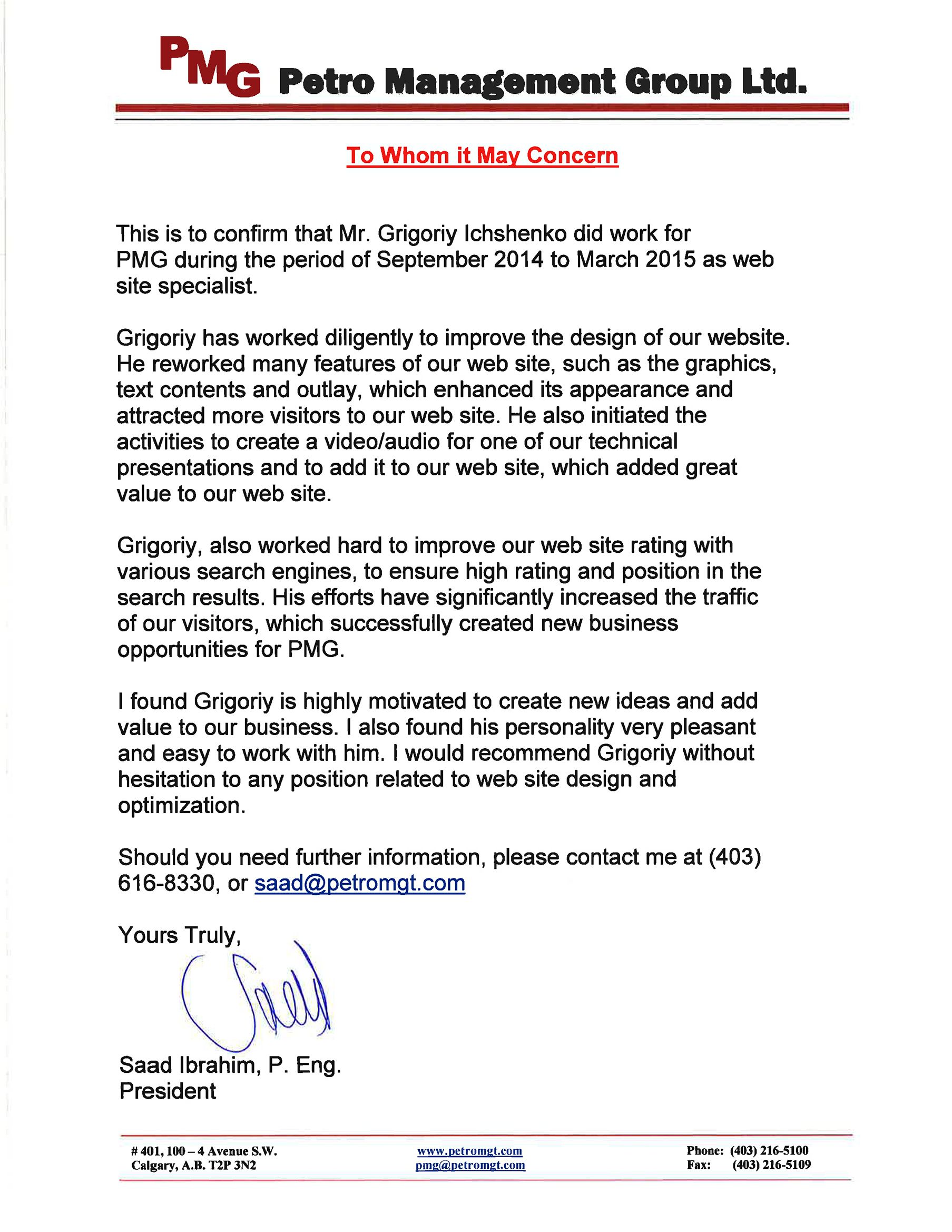
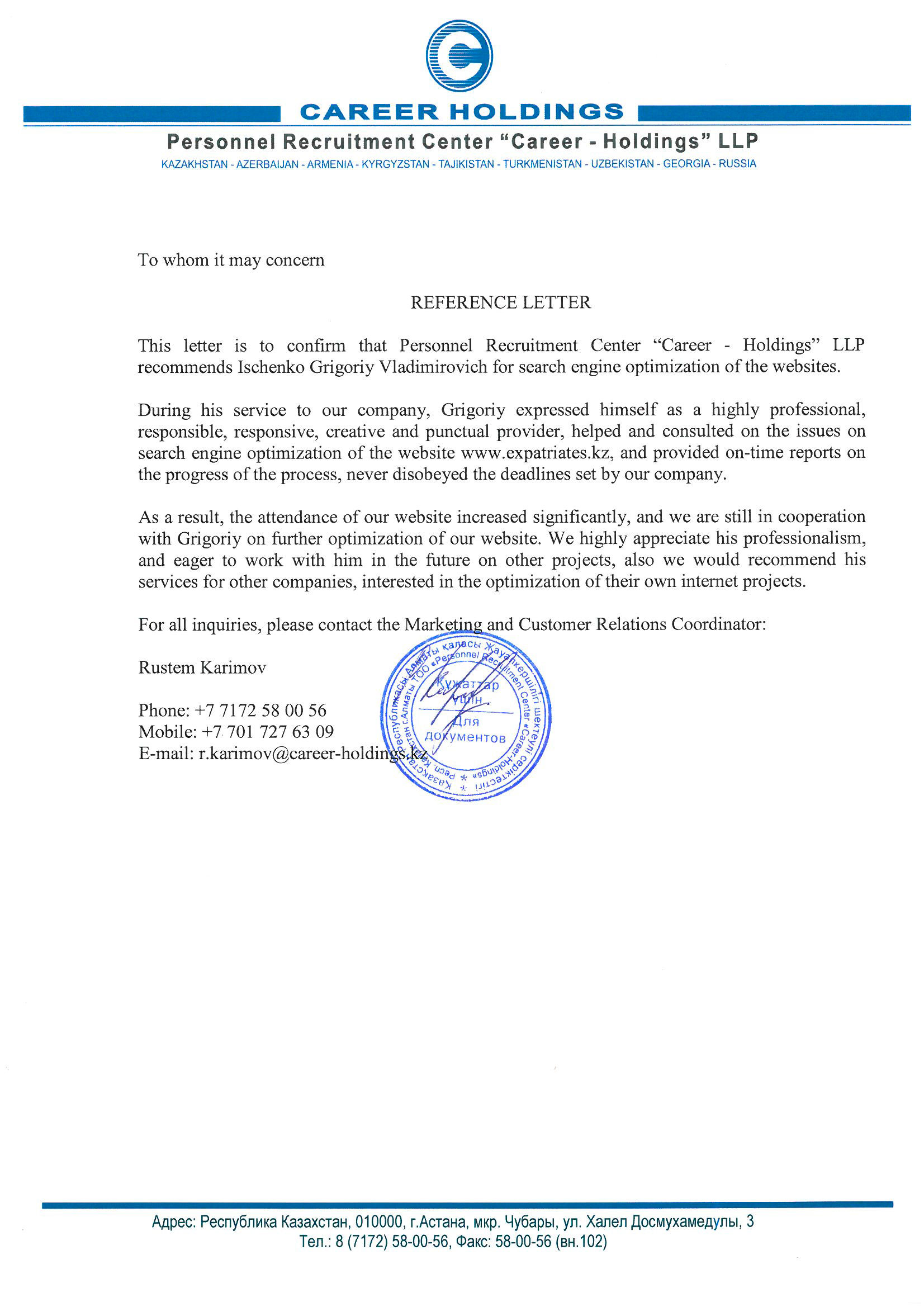
Reach out if you want that conversation. This SEO agency offers Banff businesses a direct look at what SEO Banff strategy can do for their specific situation before anything is committed. The SEO portfolio shows ranked keywords from real campaigns. References from Petro Management Group Ltd. and Career-Holdings are available on request. Conversation starts with your goals and your situation, not a package price.
If your business in Banff also serves nearby markets, the same strategy applies to Jasper SEO, Hinton SEO, and Edson SEO projects with adjusted keyword targets.