Do Keywords Matter for SEO in 2026?
Every few months a client forwards me the same article. The headline says keywords are dead. Then they ask, slightly worried, whether the work we did together still counts. So let me answer it the way I answer it on the phone: do keywords matter? Yes. Keywords matter as much as they ever did. What changed is the job they do, not whether they have one.
I have been doing search engine optimization since 2007 and watched the exact-match era come and go. Back then you could repeat a phrase forty times and outrank a better page. That trick died years ago. The term itself did not.

So, do keywords still matter?
Short version: yes, and anyone telling you keywords still matter is right, even if the reasons have shifted under their feet. Google reads a page now the way a sharp reader does. It looks for what the writing is actually about, not how many times a single string appears. Keywords are still how you tell a search engine, and a human, what you cover. Drop them entirely and you are guessing.

The honest nuance is this. Stuffing terms stopped working. Choosing the right ones never stopped mattering. Those are two different claims, and people collapse them into one bad headline. Strong Calgary SEO has always lived in that gap.
What changed: from exact-match keywords to search intent
Here is the shift in one line. Search moved from matching strings to understanding meaning. A decade ago, if someone typed “cheap running shoes” and your copy said “affordable running footwear,” you might miss the match. Now the search engines understand those are the same request. They read synonyms, related terms, and the whole context around them.
That is why search intent became the thing I obsess over with clients. Intent is what the person actually wants when they type those words. A reader typing that question wants a straight answer, not a sales pitch. Match the meaning and the rankings tend to follow. Miss it while nailing the literal string and you rank for nothing useful.
Picking the right targets is still the first real decision in any content plan. We spend real time choosing the right keywords before a single paragraph gets written, because a wrong target wastes the whole piece.
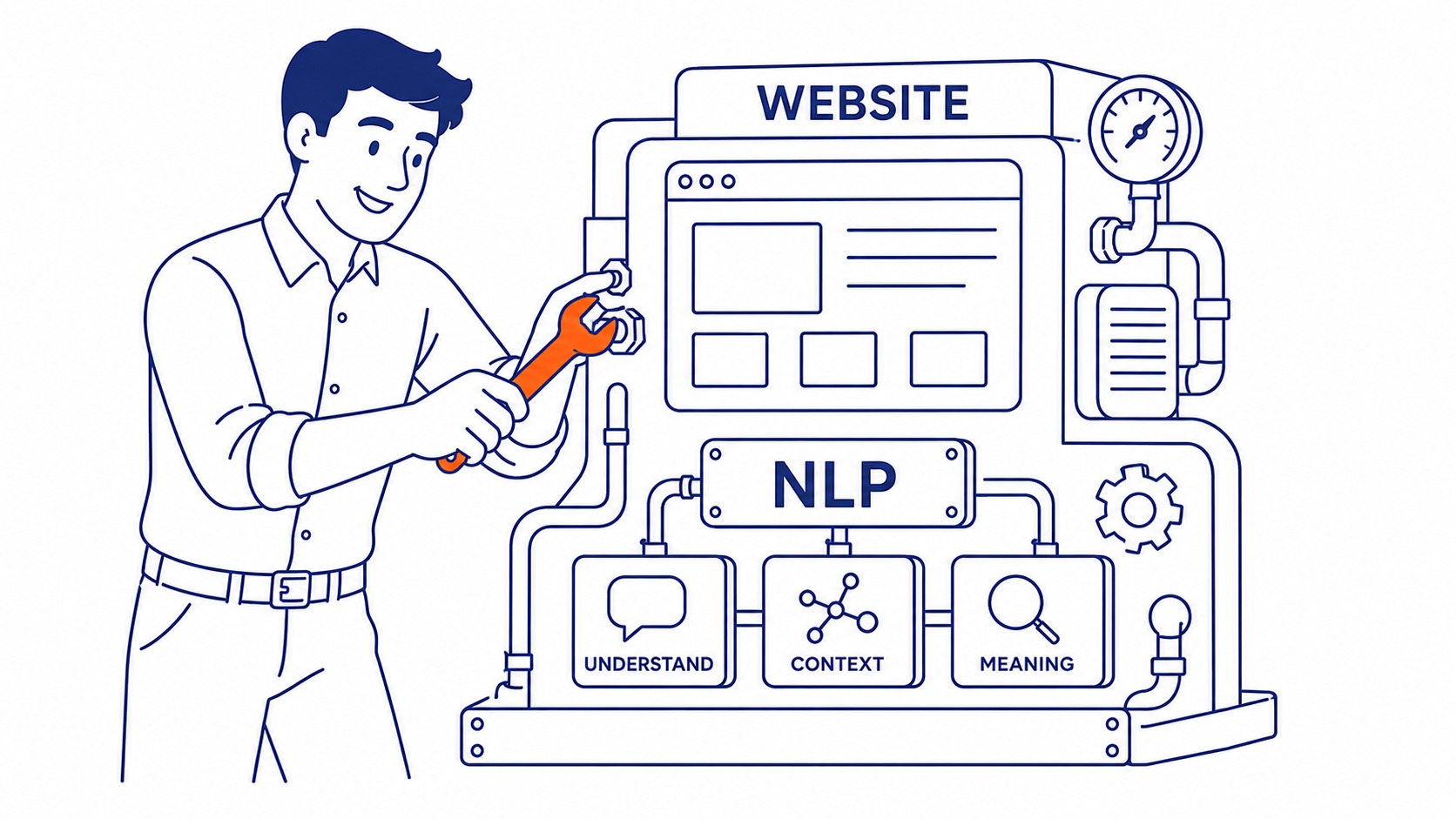
How search engines read keywords now
Natural language processing is the boring engine behind all of it. Google’s systems break a query into concepts, then map those concepts against the documents they have crawled. They are not counting terms like a cashier. Their job is working out the subject.
A few things follow from that. Synonyms count. Related phrases count. The questions around your main term count too. Write about keyword research and never mention search volume, competition, or queries, and the search engines notice the gap. Real users notice it as well, because the content reads thin to them first.
This is also where semantic search earns its name. The engines connect entities, brand names, places, products, concepts, into a web of meaning. “Calgary” plus “SEO” plus “small business” tells Google something specific about who you serve. The term is the entry point. Semantic context does the rest, and that context is what lifts a page into real visibility.
Where keywords still matter most
Some people hear “keywords are not everything” and overcorrect into ignoring them. Bad idea. Placement still carries weight, and a handful of spots earn their keep.
Your page title is first. It is the strongest single on-page signal you control, so the primary term belongs there. The main heading, your H1, comes next. After that, the opening hundred words, where both readers and crawlers decide what they are looking at. Subheadings throughout the body. The URL slug. Alt text on the images. Internal link anchors pointing in.
None of that means cramming. It means putting a term where it naturally belongs and trusting the rest of the writing to support it. Those positions tell the search engines what you cover. Leave them blank and you hand the decision to an algorithm guessing from context alone. Want a fuller breakdown of which terms to target in the first place? Start with what SEO keywords are and how they get chosen, in plain language.
Keyword research still anchors a content strategy
This is the part that gets lost in the “keywords are dead” noise. Done right, research is not about repeating a phrase. It is market research, the kind that tells you the exact words your audience uses, how many of them search each month, and which queries your competitors already own.
Skip that step and you write in a vacuum. I have audited sites full of beautifully written pages that nobody finds, because no one checked whether real users search those terms. Good research surfaces demand you did not know existed. It also surfaces the gaps, the questions competitors answered badly, where a sharper article can win. The same research discipline carries to other platforms, each with its own rules. YouTube, for one, raises a recurring question about how many channel keywords to set on a channel.
A working keyword strategy ties each target to one page and one intent. One primary term per page, with a cluster of related phrases and questions supporting it. That structure is what turns scattered traffic into something that compounds. This is the daily work of professional keyword research.

Keyword stuffing and keyword density: what to avoid
Now the tactics that genuinely died. Stuffing is the obvious one. Repeating a phrase until the content reads like a robot wrote it. Google flagged that pattern over a decade ago, and it actively hurts you now.
Keyword density is the subtler trap. For years people chased a magic percentage, some ratio of target term to total words. There is no such number. Write naturally about a subject and the right terms appear on their own. Chase a density figure instead and you produce stiff, repetitive copy that readers bounce from. Never once have I opened an analytics report and found a ranking explained by hitting 2.4% density.
Meta keywords belong in the graveyard too. That old tag where you listed every phrase you hoped to rank for? Google stopped using it for ranking years ago. If you are still wondering about meta keywords, the short answer is they do nothing for search rankings today. Spend the effort on the visible writing instead. The same goes one step further. Google does not use meta keywords as a ranking input at all. It has not for well over a decade.
Topic clusters and topical authority
Here is the frame that replaced single-term thinking. Build around clusters. Rather than one page chasing one phrase, you group related pages that cover a subject thoroughly for both readers and users. A central page on the broad subject, surrounded by deeper pages on the specifics, all linked together.
Why bother? Topical authority. When a site covers a subject from every useful angle, the search engines start treating it as a credible source on it. The individual terms still live inside those pages. Authority comes from the depth across all of them. One strong page is good. A connected cluster on the same subject is what moves rankings on competitive queries.
That is the modern answer to whether keywords still matter. They matter inside a structure now, not as isolated targets.

What this means for a Calgary business
Bring it down to the ground. Say you run a business here and you are deciding where to put your effort. Here is the read after nineteen years of doing this work for SEO Company To-The-TOP! clients. Strong Calgary SEO still starts with the right terms, then earns its rankings from there.
The right terms still decide whether you show up at all. A roofing company that never names its services and city in the writing will not rank for the searches that bring paying customers. That part has not changed since 2007. What did change: one page repeating “Calgary roofing” twenty times loses to a site covering flat roofs, shingle replacement, ice damming, and emergency repair across several well-built pages.
So the practical move is unglamorous. Research what your customers actually search. Build pages that answer those searches fully. Use the terms where they belong and stop counting them. When paid traffic is part of the mix, the same logic drives Google Ads management, where matching intent to the right phrase controls what you pay per click. The honest timeline holds either way: three to six months before organic movement gets meaningful in a competitive market. That is the work, not a shortcut.
Need help mapping the right targets? That is exactly the kind of work we do every day. The principles are simple. Execution is where most sites fall down.
Frequently asked questions
Do keywords matter anymore?
Yes. The way they work shifted, the value did not. Search engines now read meaning and intent instead of counting exact strings, so the terms guide your topic rather than trigger a literal match. Ignore them and you give up control over what your pages get found for.
What is the 80/20 rule for SEO?
Roughly, eighty percent of your results come from twenty percent of the work. That twenty percent is usually research that targets real demand, content that genuinely answers the intent behind those queries, and a handful of solid technical and link fundamentals that keep the content reachable. Most sites overthink the rest and underinvest in those few high-impact moves.
Is SEO dead or evolving in 2026?
Evolving, not dead. Search behaviour is shifting toward AI-assisted answers and semantic results, but every one of those systems still pulls from ranked, well-structured pages. The fundamentals, useful content matched to real queries, matter more under that model, not less.
How important are keywords?
Important enough that skipping them is a mistake, not important enough to obsess over density. Treat them as the map of what your audience wants and where you can realistically compete. Then write for people. The terms are your starting point for visibility, and the writing is what earns the traffic.