What Is Etsy SEO? | Calgary | SEO Company To-The-TOP!
Etsy SEO is the work of getting your listings to show up when a shopper types something into the Etsy search bar. Not Google. Etsy’s own search engine, the one buyers use once they are already on the site, ready to spend. Most sellers find this out the hard way. They list a beautiful product, share it once on Instagram, then watch the views flatline.
I have run SEO for businesses since 2007, and the Etsy version trips people up for one reason. Many assume the rules they read about Google apply here. Mostly, those rules do not. Etsy is a closed marketplace with its own ranking logic, and learning that logic is the difference between a shop that gets found and one that gathers dust.
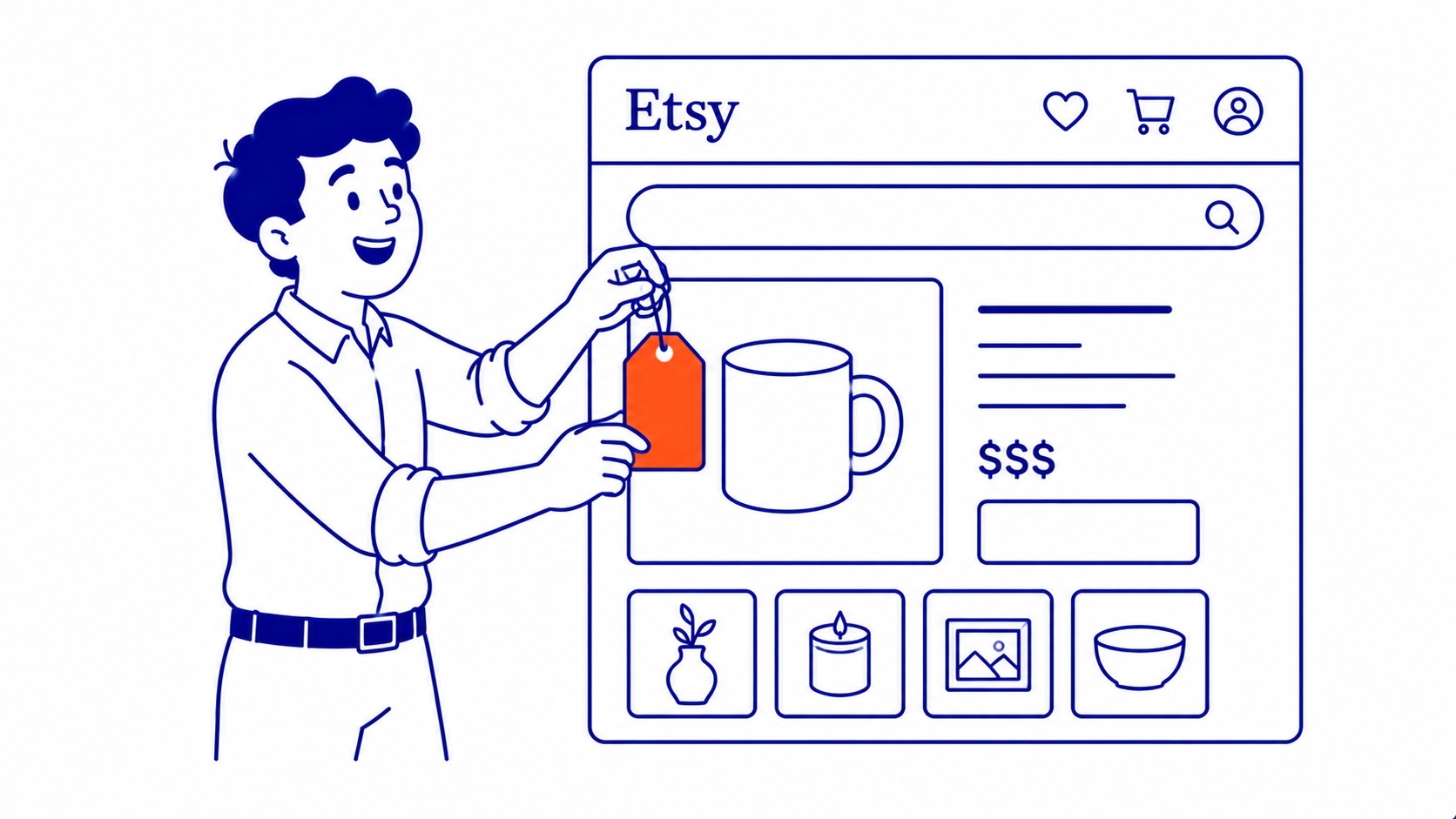
Etsy SEO vs. Google SEO: not the same search engine
Google indexes the entire web and tries to answer a question. Etsy indexes one thing: products for sale on Etsy. So the intent of every search is already commercial. Someone typing “personalized dog collar” on Etsy wants to buy a personalized dog collar, today. That shifts everything about how you optimise. Amazon runs on the same buy-now intent, and what Amazon PPC is shows the paid side of that marketplace.
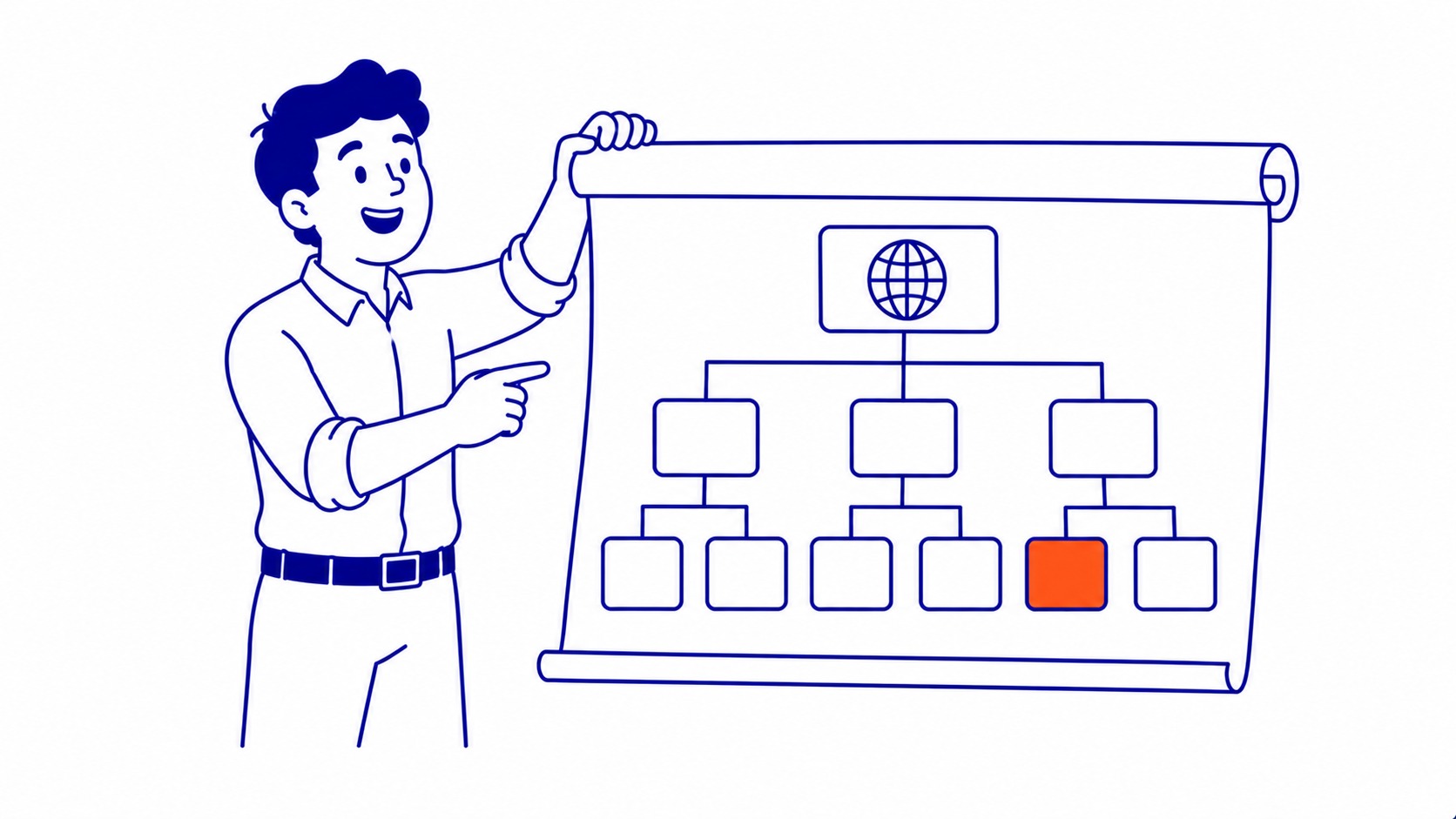
On Google you chase backlinks, domain authority, page speed, and the slow accumulation of trust. None of that exists inside Etsy. Your products rise or fall on how well they match a buyer’s words and how often shoppers actually click and purchase. Backlinks do nothing for your Etsy ranking. Reviews and sales do.
That said, the two worlds touch. Google does index Etsy shop and listing pages, so a strong listing can pull in outside traffic too. Worth understanding what SEO actually is at the web level before you assume Etsy works the same way. It does not, and that gap is exactly where new sellers lose months.
How Etsy’s search algorithm ranks your listings
Etsy has been fairly open about this, which is rare. Ranking comes down to two big buckets, then a handful of tie-breakers.
Query matching comes first. The Etsy search engine reads the words in a shopper’s query and looks for products whose titles, tags, categories, and attributes contain those exact terms. No matching term in your listing, no match. Simple as that. This is why the words you choose matter more than anything else on the page.
Listing quality score comes second, and it is the one most sellers ignore. Etsy tracks what happens after your listing appears in the search results. Does it get clicked, and does that click turn into a sale or a favourite? A product that converts well earns a higher quality score, which pushes it further up the search results over time. That is the Etsy search algorithm rewarding what shoppers respond to. Your sales history feeds directly back into your visibility.
Then the tie-breakers. Recency gives brand-new listings a temporary bump while Etsy figures out how shoppers respond. Shipping price matters, with cheaper or free shipping favoured. There is a customer and market experience score that factors in your reviews, your completed About section, and your shop policies. Shopper habits play a role too, so two people searching the same term can see slightly different results based on what each has bought before.
One more thing buyers never see: Offsite Ads. Etsy advertises listings on Google and social platforms, and a sale that comes through one of those ads carries an extra fee. More on that cost below.
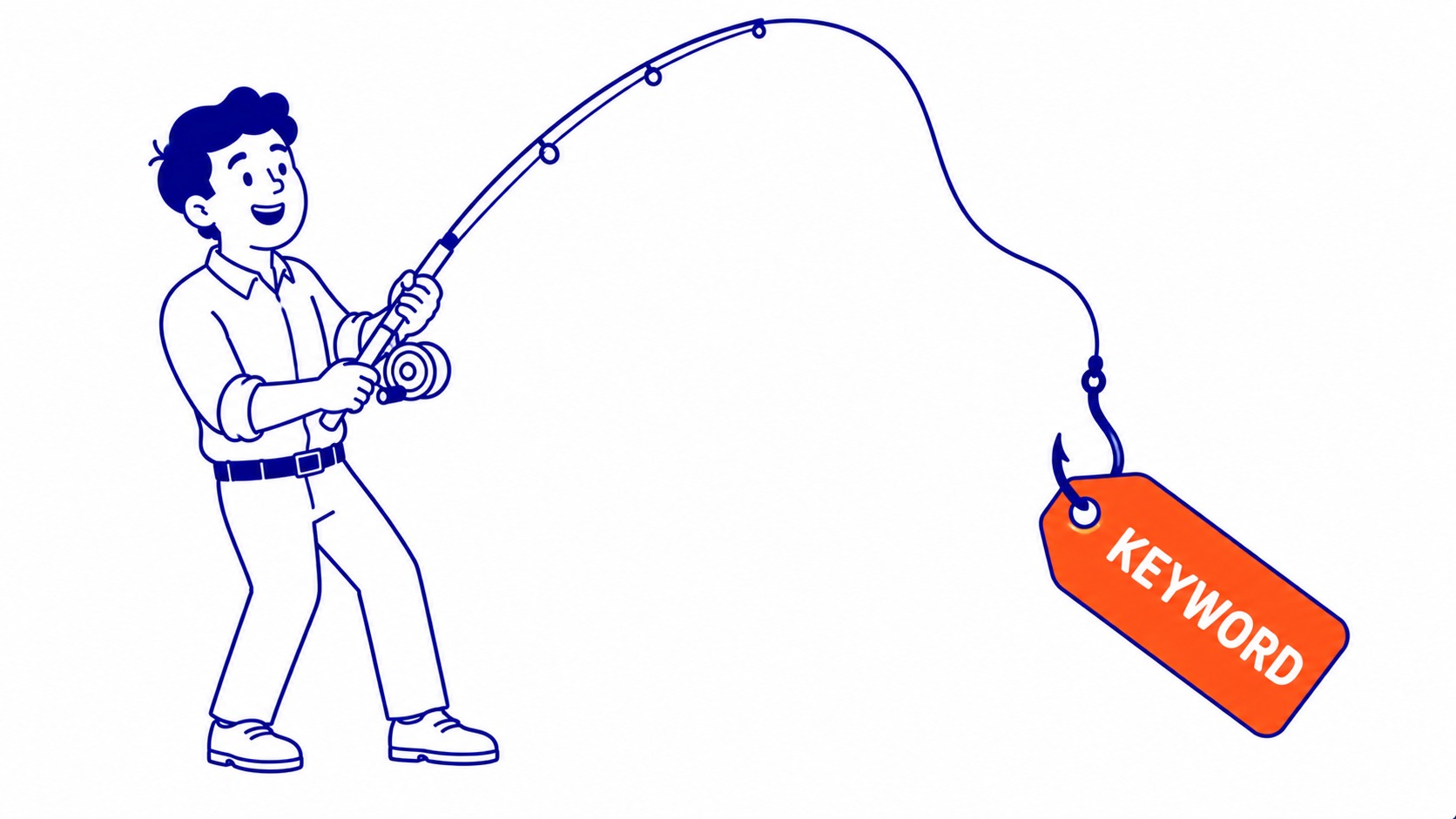
Where your keywords go: titles, tags, and listing details
Picking the right search terms is the entire foundation here, the same way keyword research anchors any project I run. The difference is the placement. Etsy gives you specific fields, and each one carries weight.
Titles hold up to 140 characters. Put your strongest keyword phrase near the front, because the first few words count for the most. Write for a human first, though. A title stuffed with twenty disconnected terms reads like spam and scares buyers off, which tanks the very click-through Etsy is measuring.
Tags are where the real work happens. You get thirteen, each up to twenty characters, and you should use all thirteen. Every tag is a separate shot at matching a search. Use multi-word phrases rather than single words. “Silver hoop earrings” pulls more targeted shoppers than “earrings” on its own. Repeating a phrase across the title and tags reinforces the match, so a long-tail phrase appearing in both is a strong signal.
Categories and attributes describe your product to the algorithm, and Etsy treats them as search terms too. Pick the most specific category that fits. Fill in every attribute, colour, material, size, occasion. Skipping these throws away free ranking signals that the algorithm reads automatically.
Descriptions are debated. Etsy has said the opening lines of a listing description carry some search weight, so lead with a natural sentence that includes your main keyword. Then write the rest for the buyer, not the search engine.

Beyond keywords: the listing quality signals Etsy rewards
Here is what most “Etsy SEO” guides skip. You can nail every keyword and still sink, because the algorithm watches behaviour, not just text. The listing quality score is a conversion measurement at heart.
Photos do the heavy lifting. A shopper decides in about a second whether to click, and a sharp, well-lit lead photo is what earns that click. More clicks and more sales lift the listing. Blurry phone shots quietly bury it.
Price and shipping feed the same loop. Etsy openly favours listings that offer free shipping, and it built a free-shipping guarantee around US orders over thirty-five dollars to push sellers that way. Price your items so the shipping does not feel like a penalty at checkout. Abandoned carts hurt your conversion, and conversion is what the search engine rewards.
Reviews close the gap. A listing with dozens of four and five-star reviews converts better than an identical one with none, so it climbs. New shops feel this acutely. The cold-start problem is real, and the only fix is the slow one: deliver well, ask politely, repeat. There is no shortcut that the algorithm respects.
How to do Etsy SEO without overthinking it
Start with one listing. Type your product idea into the Etsy search bar and watch the autocomplete suggestions drop down. Those are real searches buyers are running right now. Free research, straight from the source.
Build the title around the best phrase, fill all thirteen tags with related long-tail variations, then complete every category and attribute field. Add at least five strong photos. Set a fair price with reasonable shipping. That is a properly optimised Etsy product page.
Then leave it alone for a few weeks and check your shop stats. Etsy tells you which search terms brought visitors and which listings convert. Double down on what works. Rewrite the tags on what does not. The process is the same disciplined loop behind real search engine optimization anywhere: test, measure, adjust. It just runs faster inside a marketplace.
Be honest with yourself about the timeline, too. A new listing needs a few weeks of data before Etsy decides where it belongs. Rewriting your tags every second day resets that learning and gets you nowhere. Patience is part of the method.

Etsy SEO tools worth a look
The Etsy search bar is the first tool, and it is free. Beyond that, a few paid options dig into the data Etsy hides.
Marmalead and eRank are the two names that come up most. Both show search volume estimates, competition levels, and tag suggestions pulled from Etsy data. eRank has a free tier that is plenty for a small shop. Alura is a newer option in the same space. None of them are magic. They speed up the research you could do by hand, which matters once you are managing fifty listings instead of five.
Skip any tool promising guaranteed first-page placement. That promise is impossible to keep on a marketplace where conversion drives ranking. The tools that earn their keep are the ones surfacing real buyer language, nothing more.
How does Etsy SEO work?
Etsy matches a shopper’s search words against the keywords in your titles, tags, categories, and attributes, then ranks the matches by listing quality. Quality here means how often your listing gets clicked and bought. Strong keywords get you into the results. Good photos, fair shipping, and reviews decide where you land inside them. Both halves have to work.
Which SEO tool is best for Etsy?
For most sellers, eRank. The free tier covers search-term research, tag analysis, and listing audits without a subscription, which is enough for a shop under a hundred items. Marmalead goes deeper on trend data if you sell at higher volume. Honestly, though, the Etsy search bar plus your own shop stats will take a beginner most of the way before any paid tool becomes worth it.
How much does Etsy take from a $1000 sale?
Plan on roughly a hundred dollars, give or take. The core fees: a 6.5% transaction fee, payment processing of about 3% plus a small flat charge per order, and the 20-cent listing fee each time an item sells or relists. That lands near 10% in most cases. If an Offsite Ad drove the sale, Etsy adds 12% or 15% on that order, which can push the total higher. Build those numbers into your pricing before you blame SEO for thin margins. Hiring help for the organic side is a separate budget line, and what SEO costs breaks that down.
Why are so many sellers leaving Etsy?
Rising fees, more competition, and frustration with the Offsite Ads program are the common reasons. Some sellers move to Shopify or their own site for control. Fair enough. Etsy still delivers built-in buyer traffic that an independent store has to earn from scratch, however, which is the whole appeal. Many sellers run both: Etsy for discovery, their own site for repeat customers. Strong Etsy SEO is what makes that discovery engine pay off in the first place. Whether you sell handmade goods on Etsy or run a storefront searching for local buyers, the principle holds. Get found by the people already searching for the products you make. That is the same instinct behind good Calgary SEO for any business with a website. If paid traffic joins the plan, that is where Google Ads sits alongside the organic work, and the thinking behind your SEO keywords carries straight over. Worth a conversation if search is where your customers live.
