What Is SERP in SEO?
SERP is the page Google returns after any search query runs. Every time a query goes into the search bar, a results page assembles in milliseconds: ranked listings, paid ads, featured answer boxes, local results, image carousels. The layout shifts by query type, intent, and location.
Most businesses doing SEO focus on organic results and miss everything else competing for the same screen. Featured snippets, local packs, and paid results all claim premium positions before standard listings begin. We watch this play out with Calgary clients: a page ranks first organically yet sits below the fold because features outrank it. Reading the full search engine results page is where any practical Calgary SEO strategy starts.
What the Acronym Means
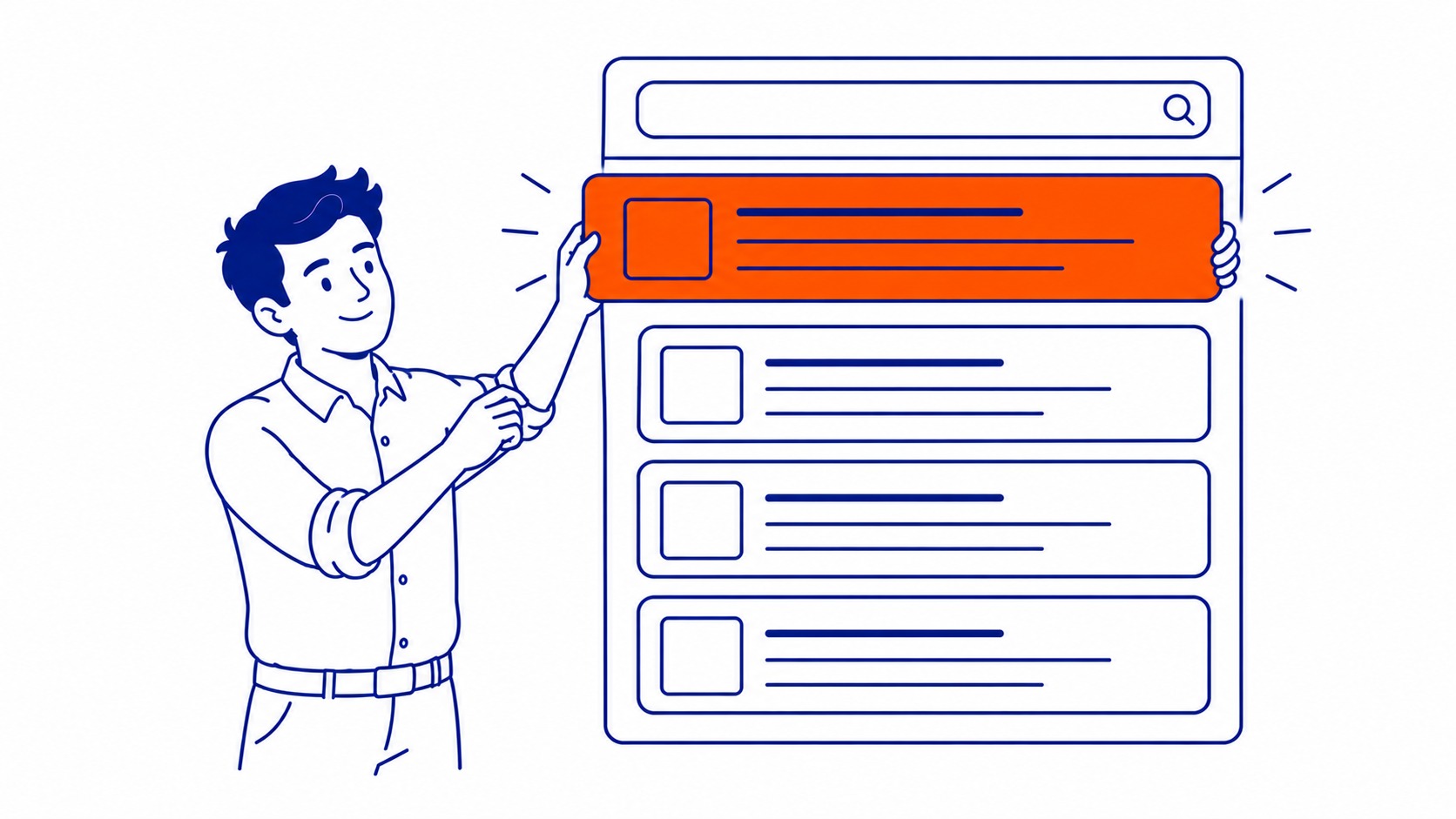
Search engine results page. Those four words make the acronym SERP. Every search query produces one, assembled by the algorithm in response to what the user typed.
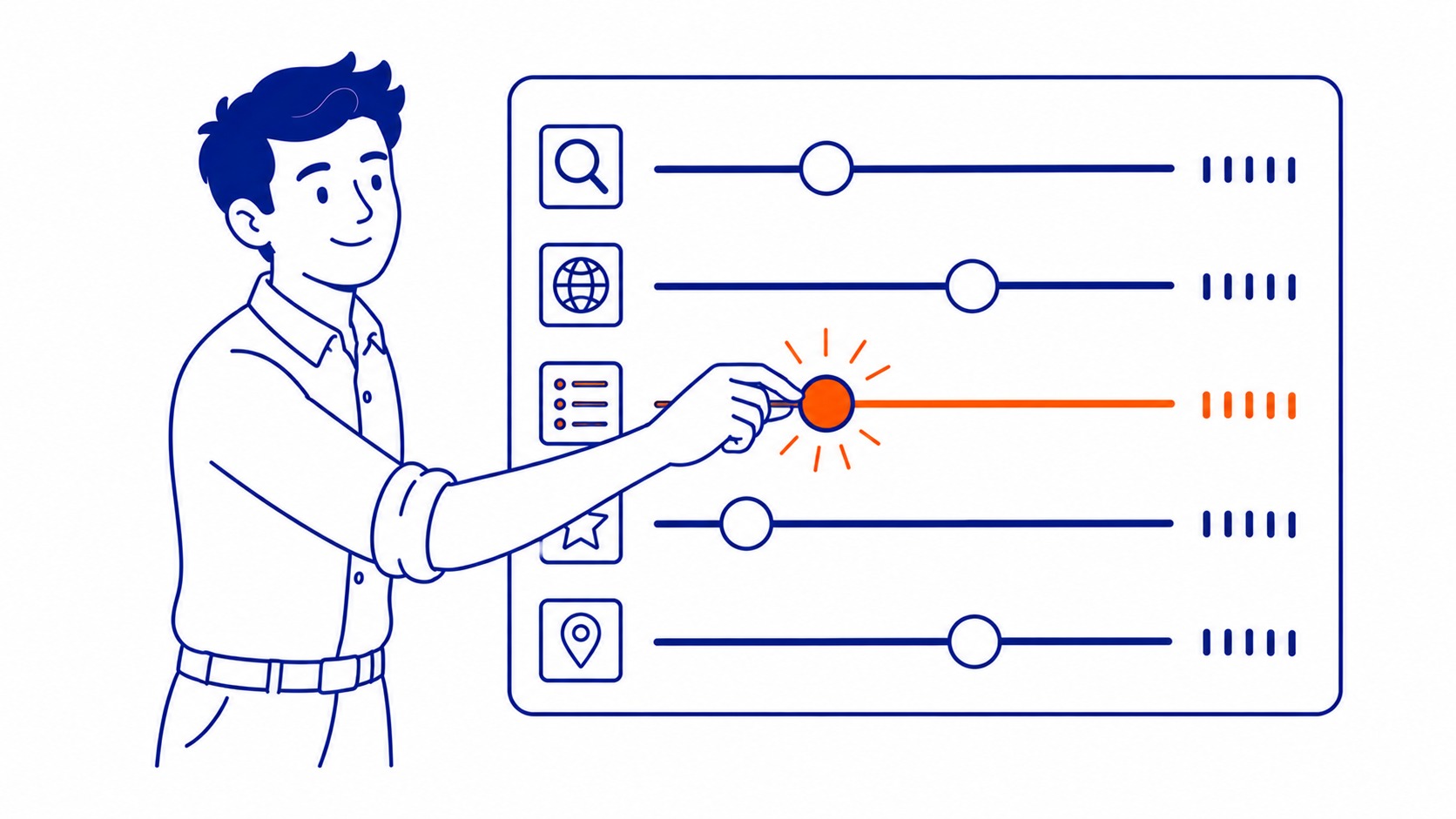
Google processes more than 8.5 billion searches per day. Each one generates a distinct results page. Two people in the same city, typing the same phrase at the same moment, may see different SERPs. User history, device type, and real-time algorithm signals all adjust the output independently. SERP tracking tools report position ranges rather than fixed single numbers for this reason.
Query type drives layout. “Plumber near me” produces a local pack with a map and ranked listings below it. “What is the boiling point of water” produces a direct answer box with no standard results above the fold. Informational, commercial, and navigational queries each produce different SERP structures, because the algorithm tries to match the answer format to actual search intent.
Types of SERP Features
Ranked results are one element on the page. Modern SERPs rarely show ten plain links anymore. Google has layered in a wide range of SERP features that appear alongside or above those listings, all competing for the same user attention.
Organic results. Pages Google ranks based on relevance, authority, and technical quality. No payment involved. This is where search engine optimization investment shows up as ranked positions over time.
Paid results. Ads run through Google Ads, marked with a “Sponsored” label. They appear at the top of the SERP before organic results begin, and sometimes below. Click cost varies by industry and competition level. Google Ads management targets the same queries organic SEO does, generating traffic while the SERP ranking timeline plays out.
Featured snippets. A box pulling a direct answer from a ranking page and displaying it above the rest of the search results, sometimes called position zero. These boxes appear on question-based and definitional queries. The page providing the snippet earns attribution and a link, though the answer displays without requiring a click.
People Also Ask boxes. Expandable questions related to the original search. Each answer pulls from a ranking page, the same way a featured snippet does. Expanding one question generates more related questions below it. PAA boxes appear on most informational searches, offering visibility without a separate ranking effort.
Local pack. Three local business listings displayed with a map when Google detects local intent. “Local SEO services” or “HVAC repair” searches both trigger this feature. That ranking depends on Google Business Profile data, citation consistency, proximity, and review signals. The algorithm driving local results differs from the one driving standard SERP positions.
Knowledge panels. Informational boxes on the right side of desktop search results, or above ranked results on mobile, for entities Google has indexed in its Knowledge Graph. Companies, public figures, and locations with strong entity signals are more likely to generate a knowledge panel in the SERP.
Image carousels and video results. Visual elements pulled into the SERP for image queries, product searches, and how-to content. Google surfaces these when visual content answers the query more directly than text.
Sitelinks. Additional sub-page links appearing below branded search results. Google generates these automatically for well-structured sites. Site owners cannot add them directly, but strong internal linking and consistent structure make them more likely.

How Organic Listings Are Ranked
Three factors determine SERP position for organic results: relevance, authority, and technical quality.
Relevance. Google evaluates whether the page actually answers the need behind the query. Not keyword density alone. Breadth of coverage, specificity of answers, and alignment between heading structure and query intent all affect relevance scoring. A page covering HVAC maintenance in full detail ranks more relevantly for “HVAC maintenance guide” than one mentioning it once in passing.
Authority. Links from credible, relevant external sites signal that the page has earned recognition outside its own domain. This is the core of what SEO calls domain authority. A page with editorial links from industry publications outranks an equally relevant page with no external citations. An SEO audit on an established site often identifies where authority is being diluted by technical issues or weak internal structure.
Technical quality. Mobile performance, page speed, HTTPS, and proper crawl accessibility all affect SERP ranking factors. A broken page does not rank well regardless of content quality or authority. Technical problems compound over time when unfixed.
Top position on a competitive query captures roughly 28 to 30 percent of clicks from the search results. Third place drops to around 10 percent. Below position ten, click-through from those search results falls under 2 percent on most queries. The gap between first and sixth is not minor: four to six times the monthly visitors.
Where Paid Ads Appear on the Page
Paid search results appear at the top of the SERP before organic results begin. Usually two to four ads above the non-paid section, sometimes one or two below. Position depends on Ad Rank, which is the advertiser’s maximum bid multiplied by Quality Score. Quality Score (1 to 10) reflects keyword-to-ad relevance, ad copy quality, and landing page experience. That pay-per-click auction is the whole mechanism behind what PPC is.
Advertisers do not buy a fixed position on the search engine results page. Each query runs a new auction. The top paid slot goes to whoever has the highest Ad Rank at that moment. Highest budget does not automatically win. An account with Quality Score 8 can beat a larger-budget competitor running a loosely structured campaign at a score of 4.
Paid results and organic search results occupy separate sections. A site can appear in both simultaneously: once in the paid slot from an active Google Ads campaign, once in the organic results from SEO work. Running both channels together is common when a business needs traffic now while SERP ranking develops.
How to Win SERP Features
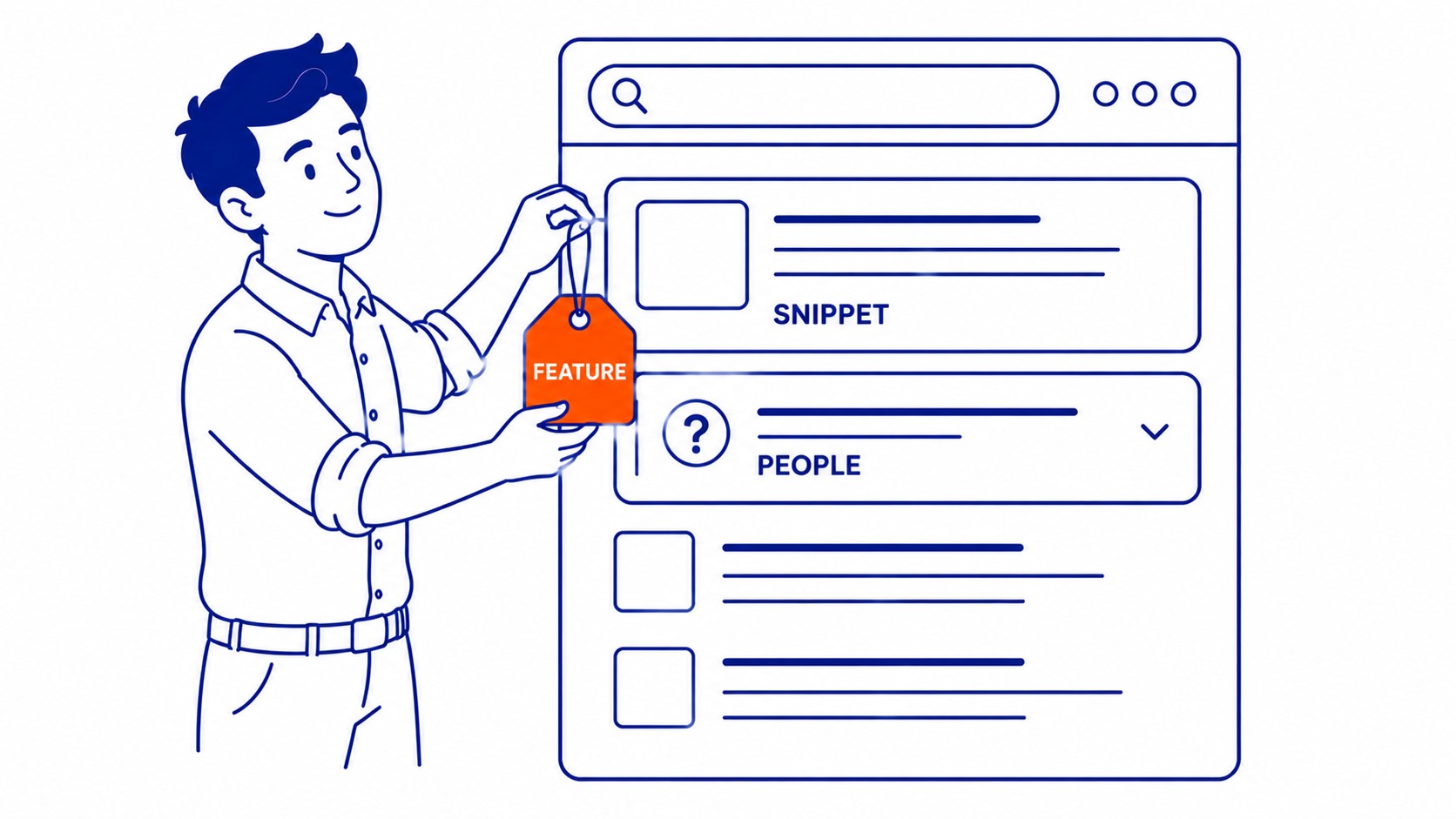
Featured snippets and People Also Ask boxes are earned through content structure, not purchased. The same algorithm signals that produce SERP rankings also determine which pages populate these features, but content format matters alongside ranking position.
For featured snippets. Answer the specific question in a concise paragraph, table, or numbered list directly under a heading that asks the question. The format Google uses to display a snippet matches the format in the source content. A direct-answer paragraph under a question-format heading is cleanest for snippet eligibility.
For People Also Ask. Identify the PAA questions Google shows for a target query and address each one directly in the page content. Each PAA question works as a heading with a focused 1 to 3 sentence answer beneath it. Covering a cluster of related questions in one thorough page builds topical depth.
For local results. Google Business Profile completeness and accuracy matters most. Thorough keyword research for a local market identifies which search terms trigger a local pack versus standard SERP positions, directing where to invest profile optimization versus content work.
For structured data. Schema markup tells Google what specific content elements mean in a structured format. FAQPage schema on question-and-answer content generates expanded answer boxes in the SERP. Article schema helps Google interpret blog post dates and authorship. Product schema generates price and rating snippets. Each schema type targets a specific SERP feature.
Why It Matters for SEO Strategy
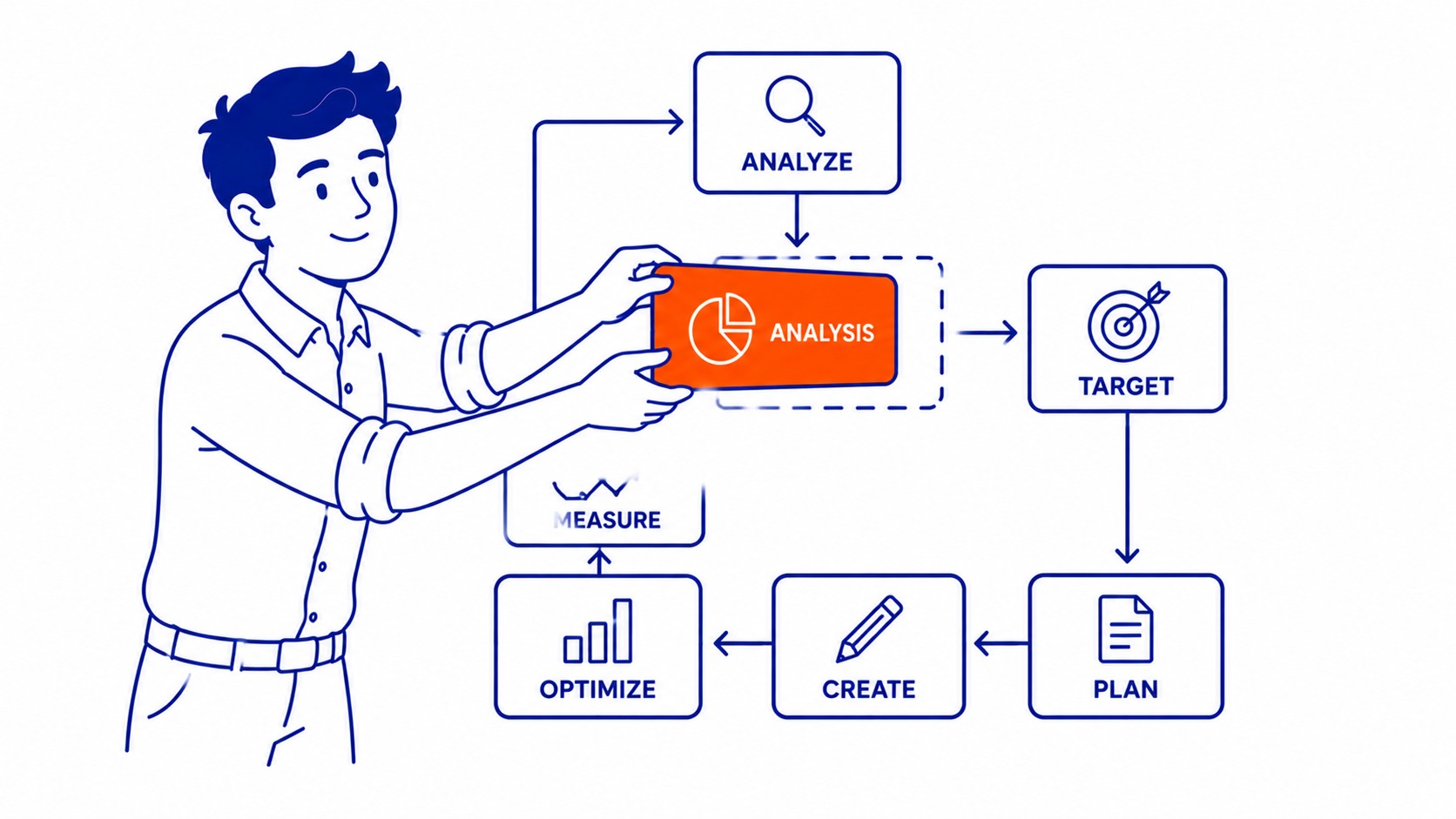
SERP analysis before building content changes every decision that follows.
Keywords that surface a featured snippet above organic results mean standard position one is not visual position one. The snippet earns the prominent placement above everything else. Writing content in a direct-answer format gives a page a real shot at that zero position instead of accepting a lower visual placement in the search results.
Keywords dominated by local results in the top positions are effectively local-only competitions. Businesses without a Google Business Profile or without the right service-area signals will not reach the top of that SERP regardless of content quality. Local profile optimization produces better returns than content investment for locally dominated SERPs.
Keywords where paid listings fill most above-fold space signal high commercial intent. SERP ranking through organic SEO on those terms takes months. Running paid ads captures the same search traffic immediately while the organic work builds over time. Sustained website promotion follows the same logic: match the page format the SERP already rewards.
Checking the page before content planning is standard in any serious search strategy. Which format do the top results use? What SERP features appear? Who ranks and what does their content cover? Those answers determine page format, internal link priorities, and where to invest first. A page that ignores the existing format of the search engine results page works against the algorithm rather than with it.
Frequently Asked Questions
How is SERP different from SEO?
SERP is the results page itself. Search engine optimization is the practice of improving where a site appears on that page. SERP is the output; SEO is the ongoing work influencing position. Improving organic ranking moves a site higher in the search results, increases eligibility for featured snippets and PAA boxes, and improves click-through from the page to the site.
What is a featured snippet?
A featured snippet is a SERP element displaying a direct answer to a query in a box above organic results, sometimes called position zero. Google pulls the answer from a page already ranking in the top search results and attributes it with a link. They appear most on question-based, definitional, and how-to searches. Pages ranked in the top five positions for a query have the strongest probability of providing the snippet content.
Do paid results affect organic rankings?
No. Running Google Ads does not improve SERP ranking in the organic section, and pausing ads does not reduce it. The two systems are independent. Paid results depend on Ad Rank: bid combined with Quality Score. Organic search results depend on relevance, authority, and technical quality, which are the signals SEO work influences. Both appear on the same SERP, and both can show simultaneously for the same site, but the algorithm driving each section is entirely separate.
How has Google’s SERP changed?
The results page has changed significantly over the past decade. A 2010 SERP was almost entirely ten ranked blue links. Today’s SERPs for an informational query can include a featured snippet, a People Also Ask box, image carousels, video thumbnails, a knowledge panel, and related searches, with organic results beginning well below the fold on many screens. Position-one organic now captures a smaller share of total SERP clicks than it did previously, because more features compete for screen real estate above it. SERP analysis needs to account for the full page layout, not just ranking position.
