Why Are Keywords Important?
A Calgary contractor put the question to me on a call last month, half ready to quit caring about them: why are keywords important if Google can supposedly read anything now? Fair ask. Here is what I told him. Keywords are important because they remain the bridge between what a person types and what you publish. Skip that bridge and you are writing into a void.
I have run SEO Company To-The-TOP! on my own since 2007. Nineteen years watching the same split. Companies that think about their search terms get found. Plenty of sharp content sits unseen because nobody chose the words for it.
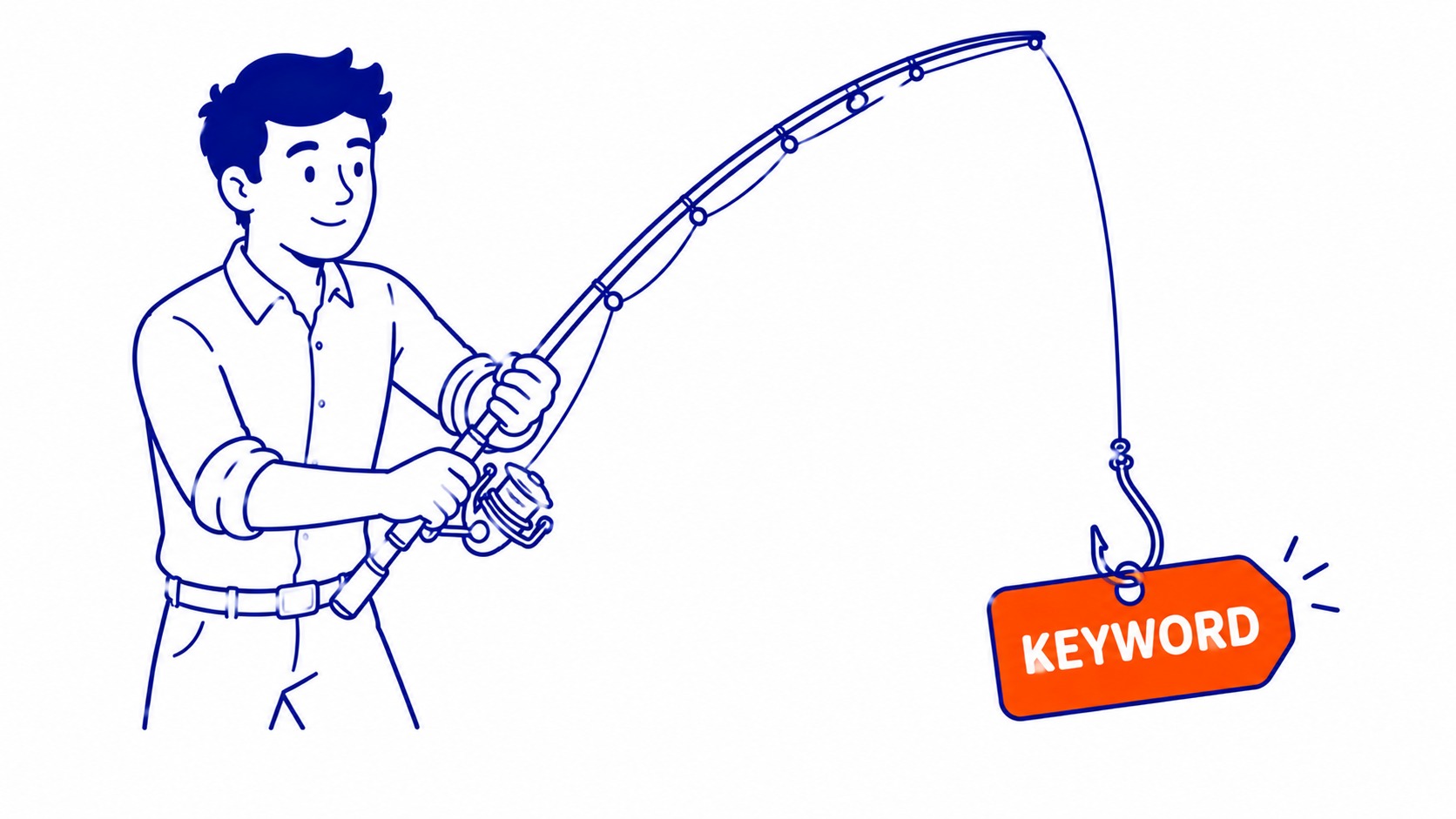
This is not nostalgia for an old tactic. It is a straight look at why the right words still decide who shows up and who stays invisible.

What a keyword actually is
Strip away the jargon and a keyword is just a search query. The phrases a real person types when they want something. “Roof repair near me.” “Why is my furnace short cycling.” Each one is a small signal of what the searcher wants, and every search starts with one.
People picture a single magic word. The reality is messier. Most valuable keywords are short phrases, three or four words, specific enough to reveal what the searcher needs. A keyword is less a label you stamp on something, more a question you choose to answer.
Why keywords matter to search engines
Search engines still need a way to match billions of documents against billions of queries. Keywords are that matching layer.
Here is what changed, though. Google used to count words almost literally. Repeat a phrase enough and a weaker page could win. That era is dead, good riddance. Today the search engines run natural language processing across your writing. They break a query into concepts, then weigh whether you cover the subject, not how often one string appears.
That shift does not make keywords less important. It makes the right ones more important. Synonyms count now. Related words count. The questions around your main topic count too. Write about a service and never touch the language your audience uses, and the gap reads as plainly to Google as to a human. The keyword stays the entry point. Everything semantic builds out from there. Strong Calgary SEO has always lived in that detail.
Why keywords matter for reaching your audience
Keywords matter most because they are language, and language is how your audience tells you what they want.
When someone searches “emergency plumber near me” at 11pm, that phrase carries urgency and a service. Match it and you reach a person ready to call. Search intent is the part I obsess over, because two people can type nearly the same thing and want opposite outcomes. “SEO” might mean a student writing an essay or an owner ready to hire. The keyword, read with its intent, tells you which.
Choosing the right words forces you to think like your audience instead of talking at them. You stop guessing what people care about and start answering what they actually search. That alone separates content that connects from content nobody finds.
The right words bring qualified traffic
Traffic is easy to chase and easy to waste. A page can pull thousands of visitors who bounce in four seconds because they wanted something else. The right words filter for fit before anyone lands.
Picture two posts. One targets “free SEO tips” and pulls a flood of readers hunting freebies. The other targets “SEO services pricing” and pulls a trickle comparing providers with a budget in hand. That trickle converts. The flood drains your hosting bill. Qualified traffic beats raw numbers, and keywords are the lever that decides which one you get.
This is also where keyword research pays for itself. Targeting words with real commercial value, even at lower search volume, routinely beats chasing a popular phrase that brings the wrong crowd.

Keyword research is really market research
Good keyword research is market research wearing a different hat. Done properly, it is not about repeating a phrase. It is a live readout of what your market wants.
Search volume tells you how many people look for something each month. The actual demand, in plain numbers. Related queries surface needs you had not thought to address. Competitor analysis shows which target keywords your rivals already own and which they left wide open. Knowing what keywords you already rank for sits on the same shelf. I have walked into accounts where the most profitable phrase in the niche had nobody going after it. That kind of research shapes far more than a blog post.
It informs which services to highlight, which questions deserve their own content, and how you describe what you sell. The full process for choosing keywords for SEO is its own discipline. Short version: listen to the data before you write a word.
Where keywords still earn their place
Some people hear “keywords are not everything” and overcorrect into ignoring them. Placement still carries weight, and a few spots earn it.
Your title is first. Strongest single on-page signal you control, so the primary term belongs there. The main heading comes next, then the opening hundred words, where readers and crawlers both decide what you are about. Subheadings through the body. The URL. Image alt text. The anchor on inbound links. None of that means cramming. It means putting a word where it naturally fits and trusting the writing to carry the rest. Those positions quietly tell the search engines what to rank you for. Curious which words belong there? Start with what SEO keywords are and how they get selected.
The mistake that wastes the whole effort
The fastest way to undo good work is to overdo it. Keyword stuffing, the old habit of forcing a phrase into every other sentence, now actively hurts you. Google reads it as manipulation. Readers read it as unreadable. You lose both audiences at once.
The other common miss is chasing big numbers blind. A phrase with 50,000 monthly searches looks tempting until you notice none of those searchers want to buy anything. Relevance beats volume. A word that matches what you actually offer, even a modest one, earns its keep. There is no magic density number either. In nineteen years I have never explained a ranking by saying a page hit 2.4 percent. Write naturally, cover the topic fully, and your content earns its place. A sound keyword strategy is built on relevance, not repetition.

Why keywords are important for a Calgary business
Local searches change the math in your favour. A query for “accountant Calgary” or “best pizza Inglewood” comes from someone nearby, often ready to act today. Less competition than the national queries, and far higher buying signals. That is the quiet advantage smaller firms keep leaving on the table.
The honest part: this takes time. Most sites see meaningful movement in three to six months, depending on the competition and the site. Anyone promising a top spot next week is selling something. Keywords are also why paid and organic work together. The same research that guides your content sharpens a Google Ads campaign, where you bid on the exact phrases your buyers use. Two channels, one set of words underneath. That is the work I do at To-The-TOP! every month for clients across Alberta. Pick the right words first. Build around them honestly. Let the results compound from there.
Common questions about why keywords matter
What is the importance of keywords?
They connect what your audience searches to what you publish. Without the right ones, even strong content stays invisible, because the reader and the algorithm lose the thread of what you cover. Keywords point your effort at the people who actually want what you offer.
How are keywords helpful for a small business?
They aim limited time and budget at the people most likely to buy. A small shop cannot outspend a national brand, but it can out-target one. Picking words with local demand puts your few pages in front of buyers already looking, not a marketing audience that was never going to call.
What are important keywords?
Three things decide it, and volume is the weakest. Relevance to what you actually sell. Intent, meaning the searcher wants the outcome you provide. Achievability, meaning you can realistically compete against whoever is already there. A modest, relevant, high-intent term beats a giant vanity phrase nearly every time. Weighing those three is the crux of how to choose keywords.
Is SEO dead or evolving in 2026?
Evolving, clearly. AI-assisted search and language models still pull from the underlying content and the words that signal what it covers. The mechanics matured; keyword stuffing died years ago. Choosing the right keywords, read through search intent, never stopped mattering on any website, and arguably matters more now.
