Organic Search Matters Long-Term: Why SEO Is Important
Short answer: organic search is the only channel where a position earned today still drives traffic a year from now without paying for it. Paid ads stop the moment the budget stops. SEO compounds. That single asymmetry is the foundation of why search optimization matters.
Longer version: when someone searches for what your business does and finds your page before your competitors’, that is a qualified visit generated without a click cost. All of it assumes a clear sense of what SEO is to begin with. At scale, across dozens or hundreds of relevant queries, first-page visibility versus second-page invisibility is the difference between the phone ringing and not. For Calgary SEO experts working with local businesses, explaining this compounding effect is usually the first session. Most owners have seen paid ads work but have not seen SEO play out long enough to watch the curve.
Traffic That Costs Nothing to Keep
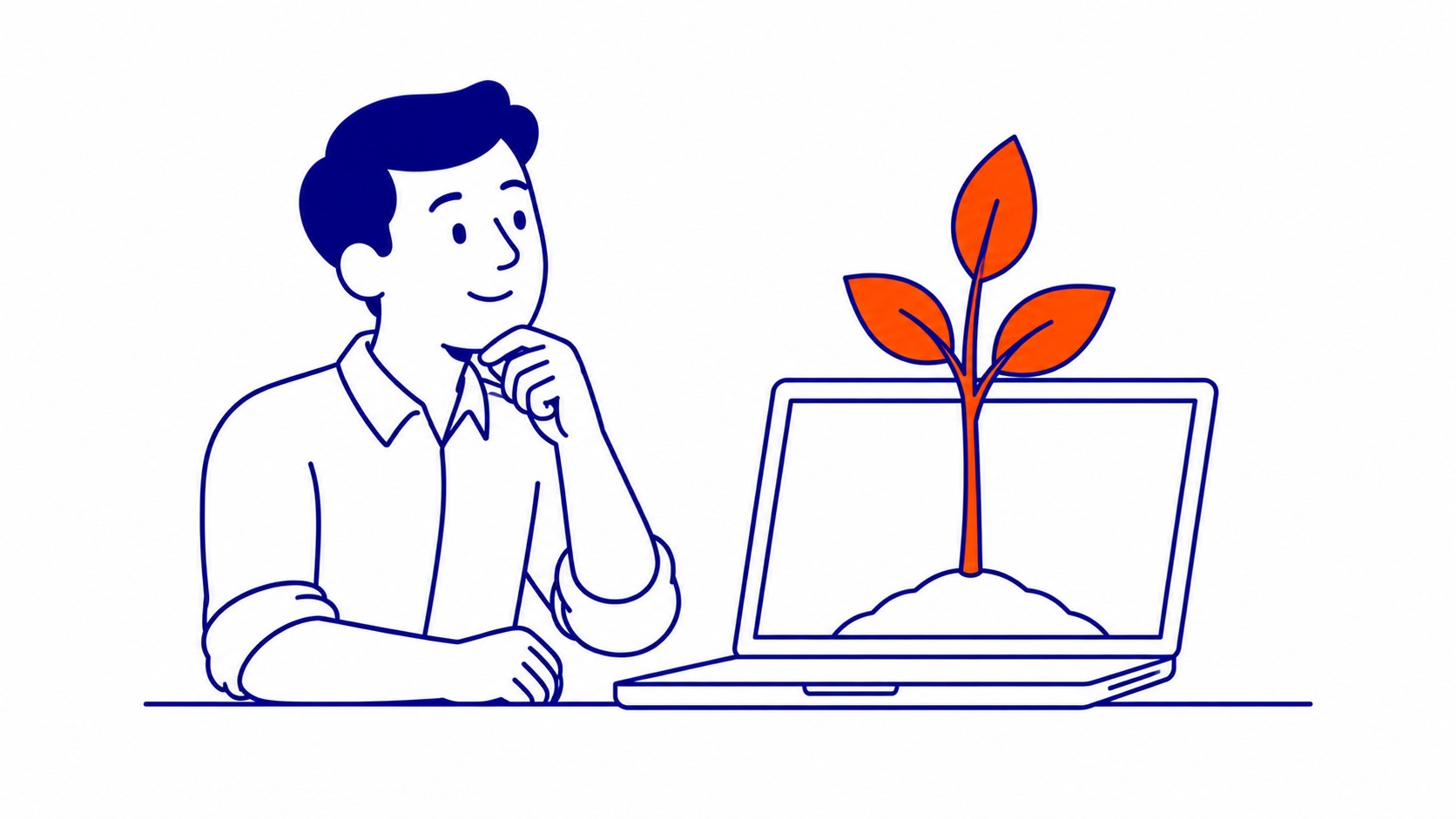
Pay-per-click advertising delivers results immediately. It is also the most efficient channel in terms of speed to market. The trade-off: every click costs money, and the traffic stops the day the spend stops. Paid search campaigns are not replaceable by SEO in the short run, but over twelve months the cost-per-visit comparison shifts significantly. A well-ranked organic page delivers thousands of visits with zero incremental cost per visitor.
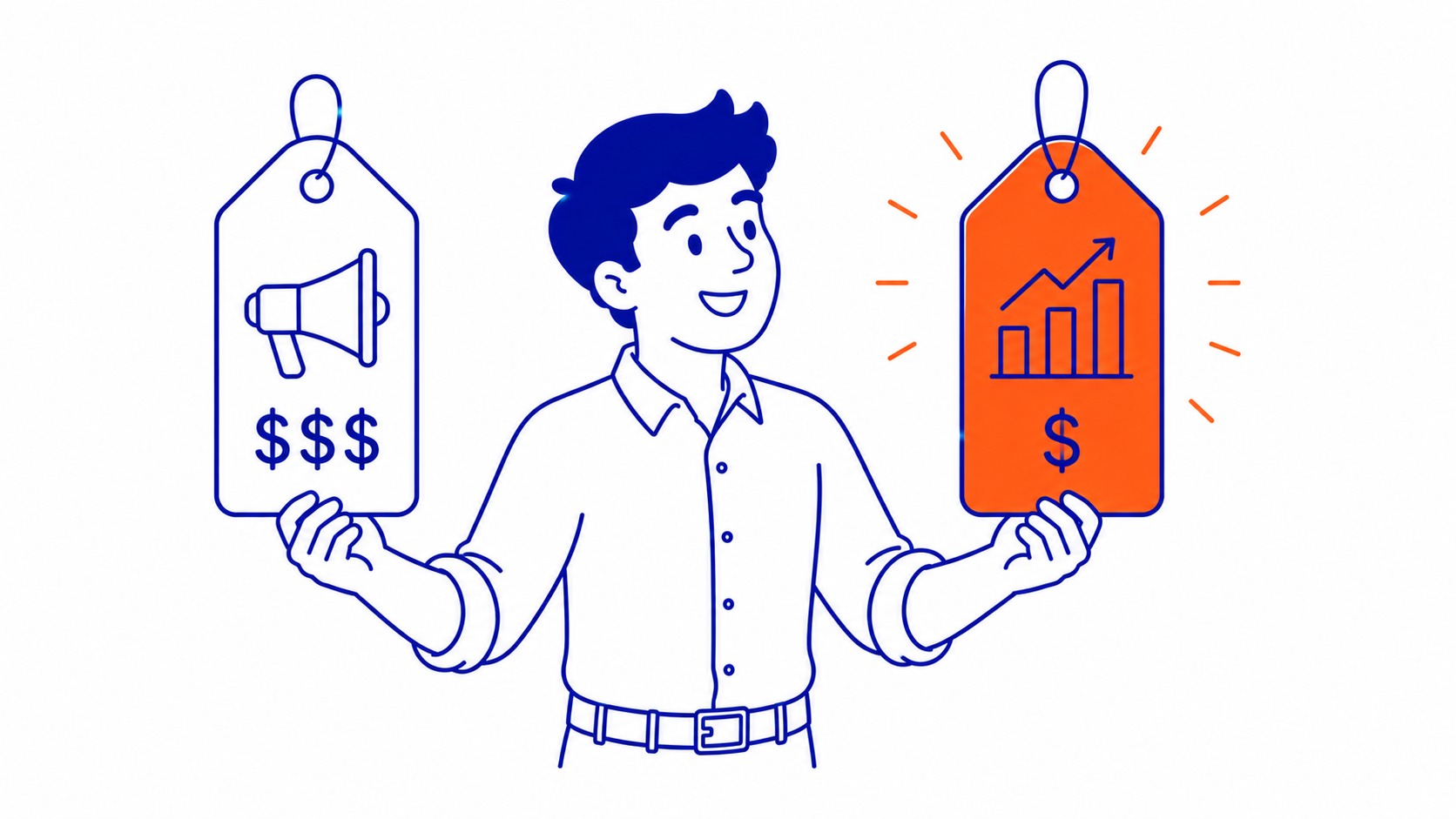
This is the economic argument for SEO. Three to six months to see movement, twelve to eighteen months to see meaningful volume at competitive queries, but from that point the traffic is effectively free. Compare to paid channels where the monthly cost scales with every additional visit. Businesses that have invested in SEO for two or more years generally find their cost per acquisition from organic far lower than from paid, even accounting for the SEO investment itself.
Why Search Rankings Compound
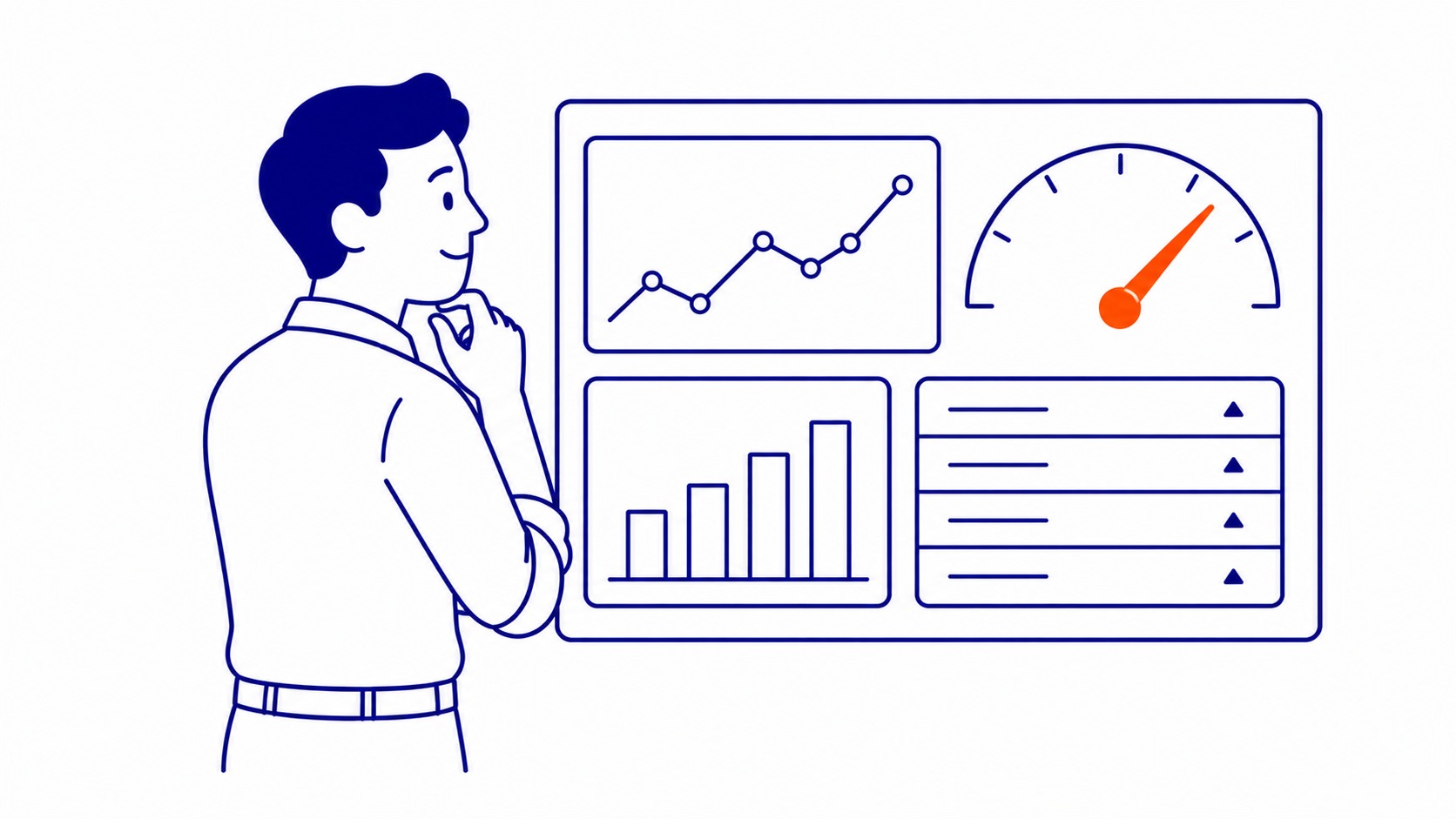
Ranking at the top of Google for a query drives clicks. Those clicks earn data on user engagement, which Google reads as a signal of quality. Quality pages earn links from other sites over time. Links increase authority. Authority improves rankings on additional queries. More rankings earn more clicks. The cycle compounds.
This is why early investment in SEO pays disproportionate returns. Top-three rankings earned by month twelve are still earning from the same position at month thirty-six, while the investment was made years earlier. A page in paid search at month thirty-six is delivering results only because the spend is still running. Improving SEO performance accelerates this compounding effect by raising the quality of existing pages rather than starting from zero.
The Trust Signal Good Rankings Send
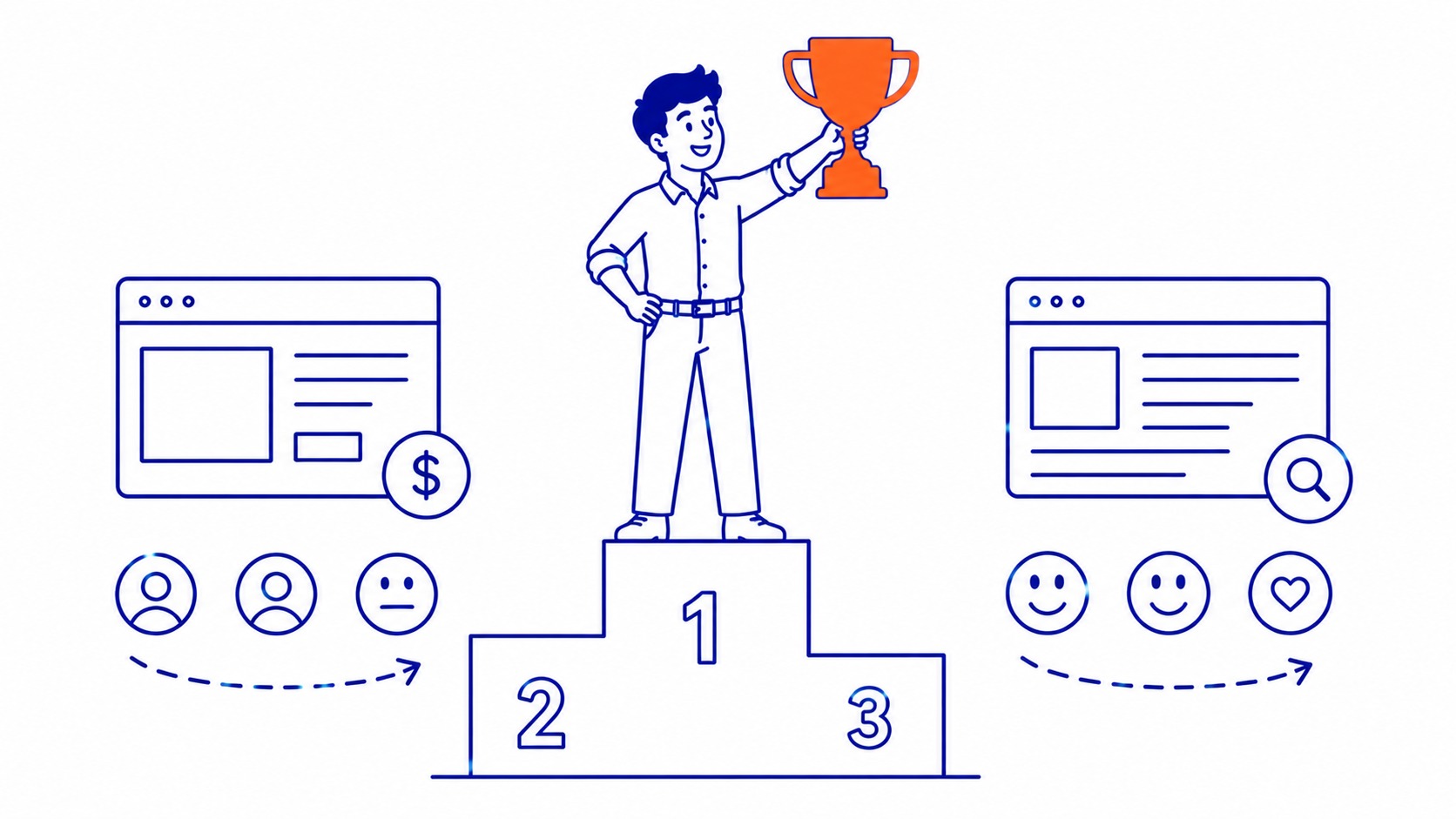
Search users behave differently toward organic results than paid results. Studies consistently show higher click-through rates for organic listings on informational and service-related queries. The practical reading: buyers trust organic rankings to reflect relevance and authority in a way they do not fully extend to ads. Being visible organically at the moment someone is evaluating options shapes brand perception before a contact is made.
For local businesses, this trust signal is especially material. The contractor who appears in the top three organic results for a relevant local query is perceived as credible and established. A competitor who only appears in paid results is perceived differently by a segment of searchers, regardless of actual quality. SEO visibility is also brand visibility. The two are not separable for search-driven industries.
What Poor SEO Visibility Costs a Business
Low organic rankings have a cost that most businesses never measure directly. Queries generating hundreds of monthly searches go to competitors instead. Over twelve months, that lost traffic represents missed inquiries, missed quotes, missed conversions. The cost is invisible because it does not appear as a line item. No invoice for “leads that went to competitor.com instead.” It is simply the absence of revenue that organic presence would have generated.
For most service businesses, three to five competitor sites are capturing the majority of the organic search demand in their market. Those sites are not necessarily better businesses. They are more visible. Professional SEO support shifts that visibility balance. The starting point is always a gap analysis: where the competitors rank, where the business does not, and what it would take to close the gap. Closing it is the hands-on work a guide on how to do SEO covers.
How SEO Fits Alongside Paid Campaigns
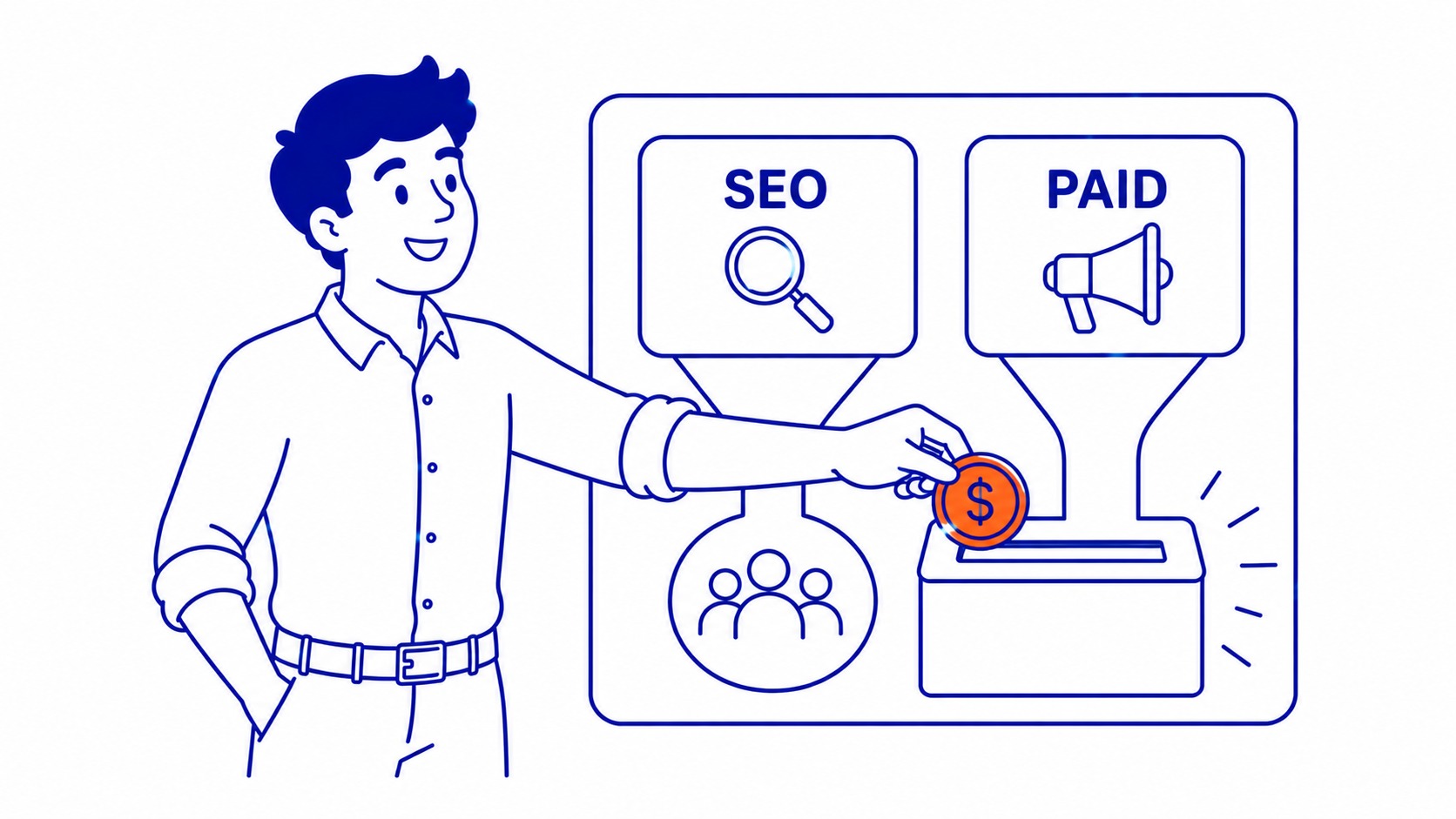
The right framing is not SEO versus paid search, but which queries should be served by which channel and when. Treating the two as one program is what SEO and SEM marketing is about. Paid search covers the gap during the twelve to eighteen months it takes SEO to generate consistent organic volume. SEO covers the queries where organic click-through rates outperform paid by a wide margin, typically research and informational queries where users distrust ads. Both channels generate data the other can use: search term reports from paid campaigns surface which queries convert, and strong organic rankings identify where authority already exists to build on.
Running paid campaigns alongside an SEO programme also speeds up the learning phase. Keyword selection for SEO becomes sharper when paid campaign data shows which specific search terms actually drive conversions, not just traffic. The two channels work better together than either does alone. For businesses starting from zero visibility, paying for short-term traffic while building long-term organic authority is the standard approach. Established businesses with existing organic rankings use paid to fill the gaps at competitive high-value queries where first position is still out of reach.
Frequently Asked Questions
Is SEO really worth paying for?
Worth it depends on two things: competition in the market and how long the business intends to be in it. Low-competition markets with long customer lifetimes (local services, professional practices, specialty retail) have the best ROI on SEO investment. High-competition national markets with short sales cycles present a harder calculation. For most local businesses, SEO delivers the best long-term cost-per-acquisition of any digital channel. Learning SEO basics is useful even if the work is outsourced, because it gives the business owner enough context to evaluate what is actually being done on their behalf.
How long does SEO take to work?
Three to six months before meaningful movement on mid-competition queries. Twelve months or more for highly competitive terms. The timeline depends on site history, how competitive the target queries are, and how aggressively the SEO work is executed. Sites with existing authority move faster. New sites with no backlink history and no indexed content start slower. The honest version: most businesses see their first meaningful ranking gains around months four to six, with compounding volume arriving through months nine to eighteen.
Does SEO still matter in the age of AI search?
Search behaviour is shifting toward AI-assisted retrieval, but the underlying ranking signals still drive which content gets surfaced. Pages with strong authority, clear structure, solid on-page signals, and genuine topical depth are the same pages AI-assisted search features pull from. If anything, thin or undifferentiated content matters less and quality content matters more. Earning backlinks still correlates strongly with both organic ranking performance and citation in AI-assisted results. SEO practice adapts to the format of search, not to whether search exists.
