Do Press Releases Work for SEO?
Since 2007, we have watched businesses send press releases through paid wire services and see no ranking movement at all. We have also seen a well-timed release about a genuine industry development picked up by three trade publications produce referral traffic for months. The difference was never the budget. It was whether the story was actually worth covering.
Your press release does not move rankings on its own. What moves rankings is coverage earned when a journalist reads your press release and decides it deserves their readers’ attention. That gap between sending a release and earning coverage is where most distribution-based strategies fall apart. Worth understanding before spending budget on wire fees.
The mechanics behind both outcomes are worth working through.

What Search Engines Actually Do With Press Release Links
Google treats links from wire services as nofollow. PR Newswire, Business Wire, Newswire.ca: syndicated from those platforms, they carry no link equity. Settled, confirmed by Google publicly, and consistent with what technical audits show.
What press releases still do: build awareness signals. Your press release picked up by a dozen news sites creates brand mentions across authoritative domains. Search engines register those mentions even without followed links. Not traffic drivers on their own. Over time, the topical signal accumulates slowly from that coverage. That is not nothing, but it is also not a ranking lever you can pull quickly.
The release itself is not the asset. Earned editorial coverage is. Still worth knowing whether nofollow links help rankings before you write off the coverage.

The Real SEO Value: What Actually Matters
Editorial Coverage vs. Wire Syndication
Editorial coverage is where your press release produces actual backlinks. A staff writer at an industry publication who independently writes about your announcement and links back to your website: that is a real backlink. Editorial. Followed. The kind that builds authority over time.
Press releases fit within the larger framework of what is off-page SEO alongside citations, brand mentions, and earned links.
Getting that link requires your press release to be genuinely newsworthy. Not an announcement dressed as news. Real acquisitions. Research findings with actual data behind them. Products that change something your sector recognizes as significant. On any given morning, a beat reporter has already received more pitches than they can reasonably open. It competes for a few seconds of attention. Most releases don’t survive that window. Story quality determines that decision. Worth thinking through before the wire fee gets paid.

Brand Visibility From Syndication
Wide syndication builds brand visibility across news sites even when it never earns editorial coverage. Search engines associate your brand name with those domains and with the topics covered in the release. Over months of consistent, newsworthy activity, that topical signal accumulates. Modest as a standalone signal. Paired with solid on-page optimisation and content work, it adds up. Press coverage is one route among several, and where to start with building backlinks depends on your budget.

Writing Your Press Release for SEO and for Journalists
Your Headline Does Most of the Work
Most reporters skim. Most of it never gets read if the headline does not communicate the story quickly.
The guide on what are backlinks in SEO explains why the source and context of a link matters more than the volume of links built.
“Company Announces New Service” tells a journalist nothing useful. “Calgary Contractor Cuts Permit Wait Times With New City Integration” tells a journalist whether their readers would care. That is what drives the decision. Your primary keyword belongs at the front: natural, specific, doing real descriptive work. Not stuffed. No repetition.
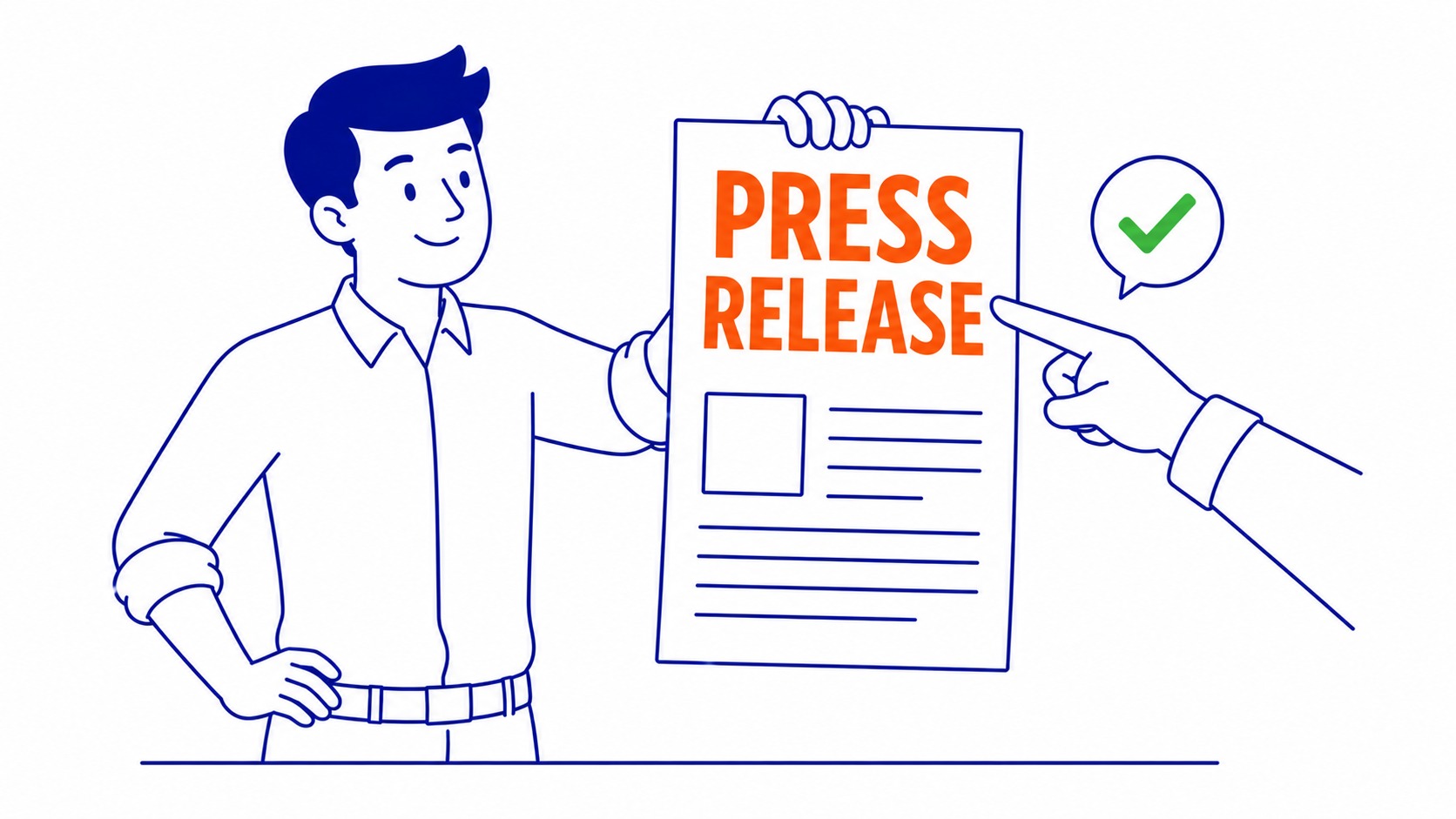
Your First Paragraph Front-Loads the Story
What happened and to whom. Where and when. Why it matters now. Cover all five in your first paragraph, in readable form a journalist can quote directly.
Keywords belong in the title and subheadings. The first paragraph too. Body text written for bots rather than readers loses journalists. That trade-off costs pickup every time. Awkward phrasing sends it to trash before the angle lands.

Getting to the Right People
Paid Wires and What They Actually Deliver
PR Newswire, Newswire.ca, Business Wire: paid wires charge several hundred dollars per release. For large companies with genuinely newsworthy announcements, the wide syndication justifies that cost.
Small businesses, however, often get more return from a targeted list of 20 to 30 relevant journalists. That budget spent on focused outreach produces more editorial attention than mass distribution. Paid wires get your press release into inboxes. Targeted outreach gets the release read and considered. Those are different outcomes.

Building a Media List That Works
Trade press in your industry, local business publications, and reporters who regularly cover your sector are where the release gets the most return per contact. Build the list before writing the release. Identify who actually covers your beat. Read their recent work. Send a short personal note alongside the release explaining why this story fits their specific audience.
Generic outreach to thousands of contacts produces low open rates. Specificity beats scale here.
How Press Releases Fit in a Full SEO Programme
Press releases are a supporting tactic. What separates the businesses that see real value from press releases? Genuine news flow from actual company developments. Media relationships built over years. A habit of treating each release as the story first, not as a marketing task.
Without a genuine story, your press releases earn neither editorial pickup nor meaningful search impact. The budget goes to the wire fee and comes back as nothing.
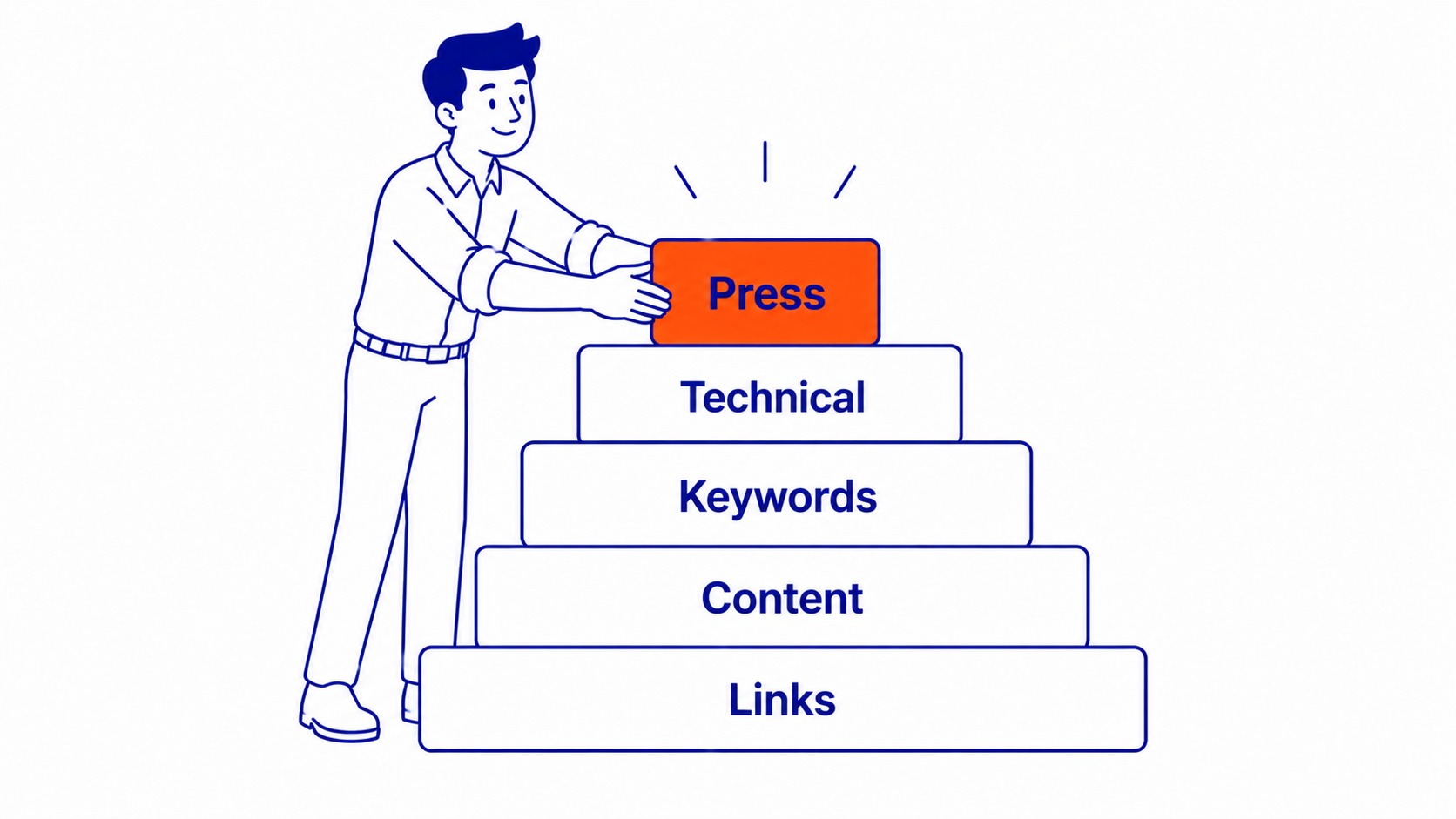
This work is the layer on top. The foundation still needs solid technical work, accurate keyword research, quality content, and consistent link building first. This tactic has helped sites with existing momentum. We have not seen it rescue one that lacked it. Start instead with a site SEO audit, which tells you where your site stands before you add new outreach tactics. For businesses in Calgary and Alberta, SEO Company To-The-TOP! folds that into its SEO Calgary work. Clients running paid and organic together can have their Google Ads management services planned alongside it.
Businesses in Castlegar SEO, Chestermere SEO, Chilliwack SEO, and Claresholm SEO use press releases as part of a broader off-page strategy.
Frequently Asked Questions
A few questions come up every time this topic surfaces.
Is a press release good for SEO?
Indirectly. Your press release doesn’t pass link equity on its own. Earned coverage from reporters who cover the story does. Wide syndication also builds topical signals over time. The value is real but it comes through earned media, not through the wire submission.
Do press release links count as backlinks?
Wire submissions don’t count. Google treats them as nofollow and has confirmed it publicly. Editorial coverage from reporters who write independently about your announcement is what produces real backlinks. That coverage comes from a genuinely newsworthy story, sent to the reporters who actually cover your sector.
Release cadence: how often is often enough?
When you have actual news. Monthly cadences built around editorial calendars rather than real events produce releases nobody covers. Your press release strategy works best when the story drives the timing, not a schedule.
What makes press release SEO actually work?
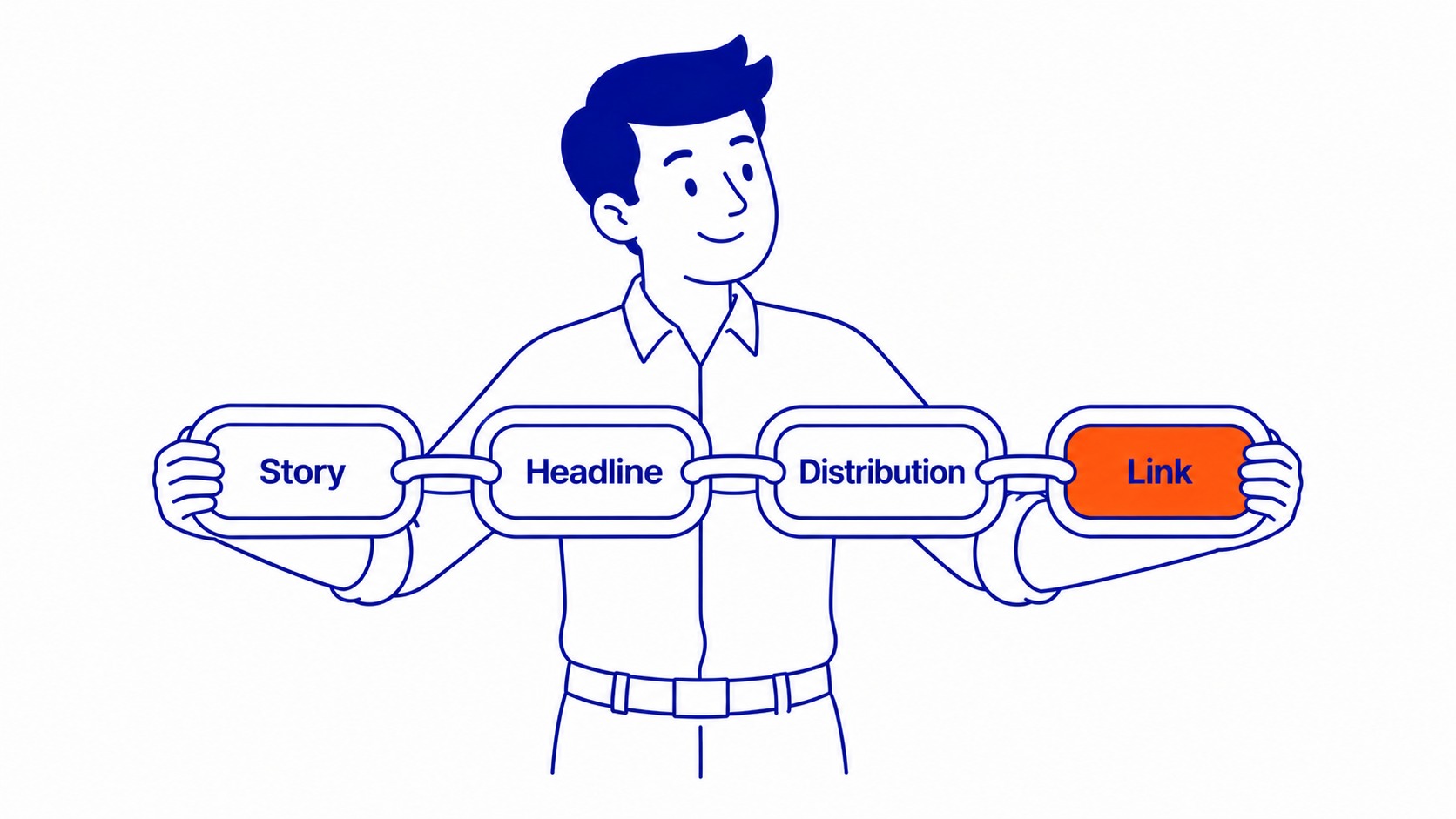
A newsworthy story journalists want to cover. Then a clear headline communicating the angle. Distribution targeted to publications whose readers would care. A link back to a relevant page on your website. Those four things, in that order. At To-The-TOP!, a company providing SEO services in Calgary, that is how we approach it. Press release work sits alongside content, link building, and keyword research done with a proper Google ranking keyword checker, as one part of a longer-term strategy.
Contact Calgary SEO Company To-The-TOP!
Questions about anything in this article, or about your own rankings? Talk to a Calgary SEO specialist directly.
Phone: (403) 308-5949
Address: 1509 14 Ave SW, Calgary, AB T3C 0W4
Hours:
Monday to Friday: 10:00 am – 7:00 pm
Saturday: 12:00 pm – 4:00 pm
Sunday: closed
