
How to Show Up in AI Overviews: SEO Signals That Actually Matter
Something changed in 2024. Search Console data for several of our clients started behaving oddly: impressions held steady, clicks dropped, positions stayed the same. Pulling the actual SERPs explained it. AI Overviews were answering questions directly at the top of the page. Organic listings still appeared below. Fewer users scrolled to them.
That shift is where this question originates. Getting cited in these overviews does not require a separate strategy. It requires the same fundamentals as traditional search, applied more precisely.
These AI-generated summaries are not replacing organic search. They are adding a citation layer above organic results that pulls from specific pages. Appearing in that layer is achievable. Pages that already rank well have the clearest path. What follows is what we have observed actually changes things for your website.
What Google AI Overviews Actually Are
Context matters before the tactics.
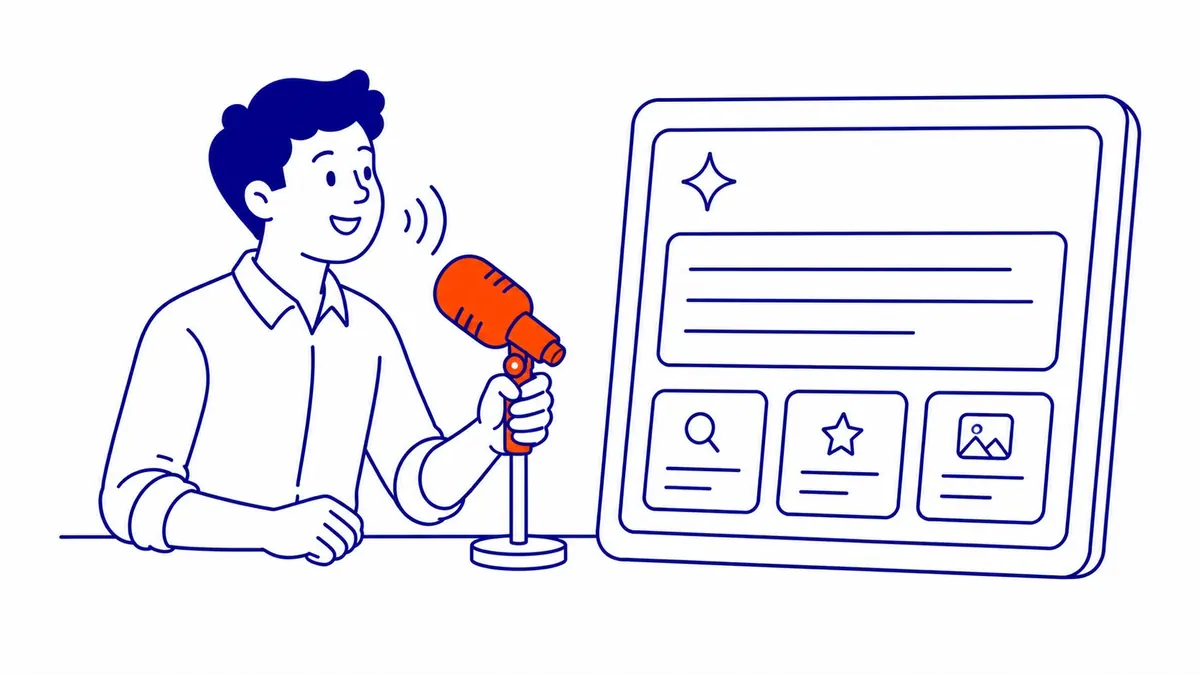
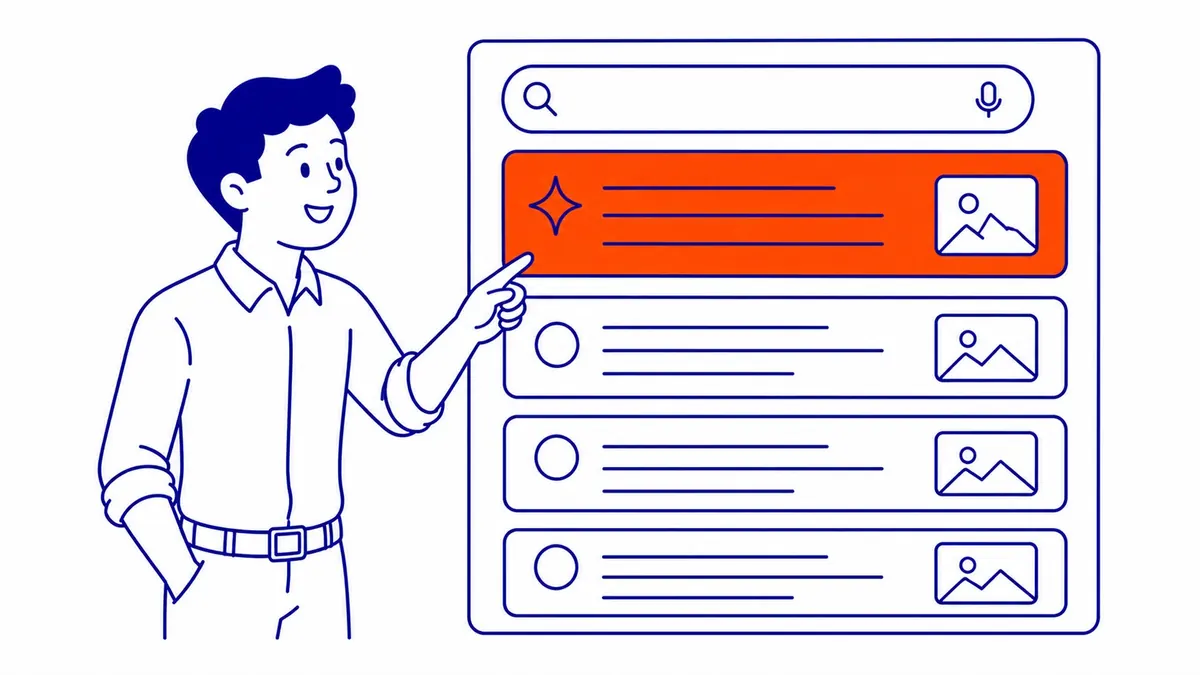
AI Overviews appear at the top of search results, above the first organic listing, for searches where the search engine determines a synthesised answer serves the user. They look like a paragraph or short bulleted response with attributed source cards. Clicking a source card opens the original page. Citations pull from the standard organic index, not a separate database. Pages that already rank in the top ten form the pool the search engine selects from.
How they appear in search results
Not every search gets one. Informational searches generate AI Overviews most consistently. Looking up information on structured data, page speed, how to format your content for better visibility: these trigger them. High-competition commercial searches produce them far less often. Your chances of appearing as a cited source are highest on informational searches, not transactional ones.
Visibility also varies by user. The search engine tests AI Overview delivery by device, location, and search type. Canadian users have seen a more limited rollout than people in the US. That gap has been narrowing since mid-2024.
The “fewer clicks” reality
Candid assessment: these overviews reduce clicks on the questions they answer well. Traffic data from several clients confirms it. Impressions stayed consistent on affected searches. Clicks dropped between 10 and 20 percent on informational searches where they appeared reliably. That is the fewer clicks reality, and working around it means being cited inside them rather than hoping users scroll past.
Featured snippets and direct answer boxes both reduced clicks on the searches they covered when introduced. Each time, the same response worked: rank on searches where AI Overviews do not dominate, and get your content cited inside the ones that do. So the argument that AI overview will change SEO permanently is older than it looks. That is the working answer for SEO in the AI era, not a hopeful one.
What Google Uses to Select Sources
Not every high-ranking page gets cited.
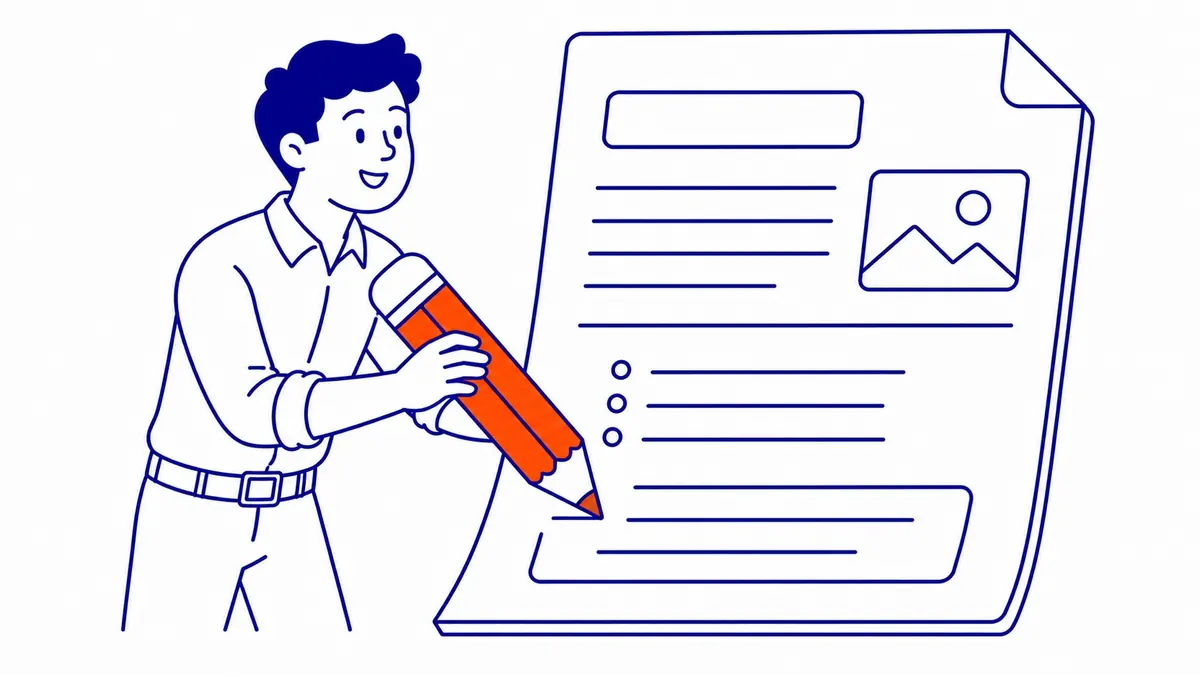
The search engine’s guidance points to content quality, page authority, and direct relevance to the user’s search. Cited pages we have observed share one trait: answering the question in the opening paragraph, without lengthy context-setting, surfaces them more consistently. Pages that bury the information three paragraphs deep do not.
Content depth and direct answers
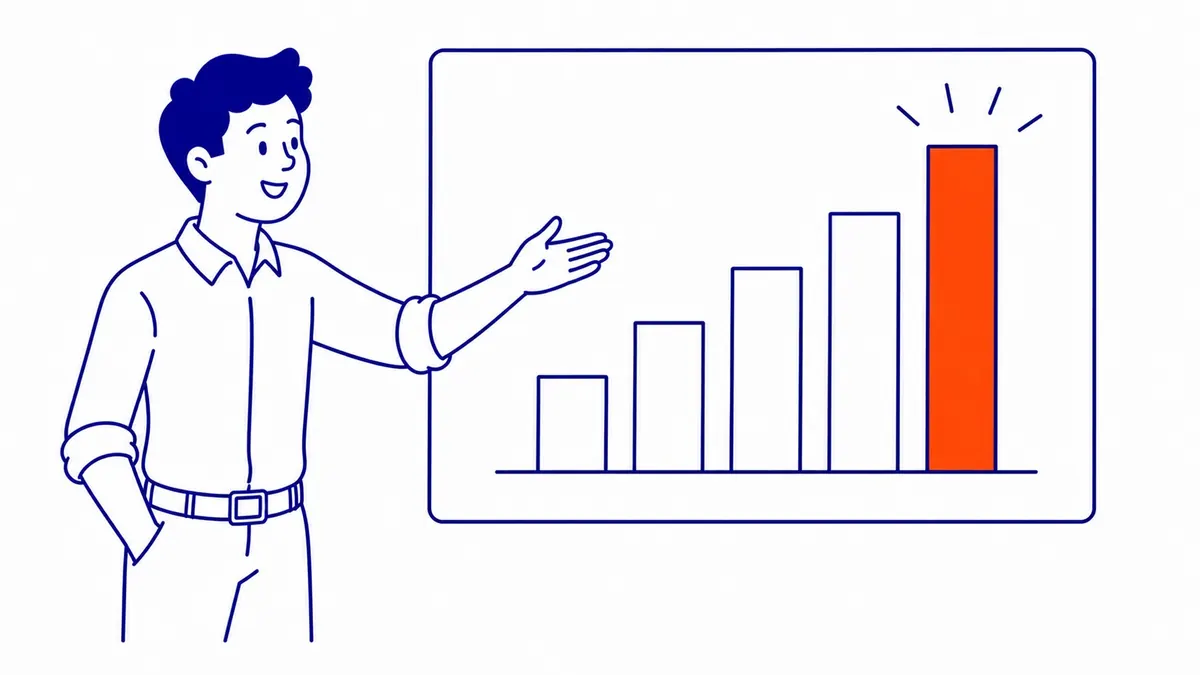
Depth here does not mean word count. The question gets answered precisely, with supporting context. A 700-word page that leads with the answer and covers real trade-offs outperforms a 2,000-word page that opens with definitional throat-clearing. Your content structure matters more than length.
Structure also matches the search type. How-to searches do better with numbered steps or short direct paragraphs. Definition searches do better with a clear first paragraph that functions as a complete answer, followed by supporting depth. Comparison searches need clarity instead of both-sides hedging. These overviews tend to replicate the structure of the source page, so well-organised material makes extraction straightforward for AI systems.
Trusted sources and citation patterns
Page authority still matters. High-authority websites with clean link profiles appear in these overviews at disproportionately high rates. This mirrors how the search engine has always weighted sources for featured snippets.
Links from relevant, established websites improve your chances directly. A thorough website audit surfaces link gaps that, once addressed, lift your overall authority profile. Those authority improvements carry to citation rates in these overviews alongside organic ranking improvements. The same answer-first structure pays off when doing voice search SEO on the same pages.
How to Optimise Your Content for AI Overviews
Start with what is already ranking.
Pages that already appear in positions one through ten have the clearest path to inclusion there. The search engine selects from the top of organic search. Work on your content that is already on the first page before chasing terms you have not ranked for yet. Every hour spent improving existing pages returns more than building new material from scratch.

Format your content for AI retrieval
Structural adjustments consistently improve citation rates based on what we have seen across cited pages.
Question-answer format. Use the exact question as a heading. Place the answer in the first sentence after the heading, not the third. AI systems extract the sentence that directly follows the heading when composing an overview. Delay the answer and the passage gets passed over.
Short first paragraphs under each heading. Two to three sentences. Lead with the fact. Context and supporting information follow. This mirrors how featured snippet extraction works.
Step-by-step processes and comparison tables benefit from list formatting, since clear structure signals information organisation that AI retrieval rewards. General explanatory paragraphs do better as flowing prose with transitions than as bullet points with no structural reason to exist.
Your keyword research process should include identifying which of your target keywords currently trigger them. Tools like SEMrush surface this directly. Concentrating improvement work on those specific terms gets faster gains than treating your website as a uniform upgrade project.

Target the right search types
Informational searches are the consistent triggers. How-to searches, definition searches, and comparison queries are where your content has the best chance of appearing in AI Overviews. Transactional searches, such as “hire an organic search agency,” rarely generate them. Standard organic listings handle those.
Your content that answers questions people ask before they are ready to buy builds these citations. It also builds the authority that carries over to your service pages. That compound effect is what makes a local search engine optimization service worth the long game. Users who find what they need inside an overview rarely scroll down, so earning a citation is worth the work.
Technical Signals That Lift Your Chances
Two factors most people underweight.
Technical site quality affects inclusion in these overviews the same way it affects organic rankings. Slow pages, poor mobile experience, and crawl errors that prevent the search engine from reading your content clearly will suppress your chances of citation regardless of how strong your writing is.
Schema markup and structured data
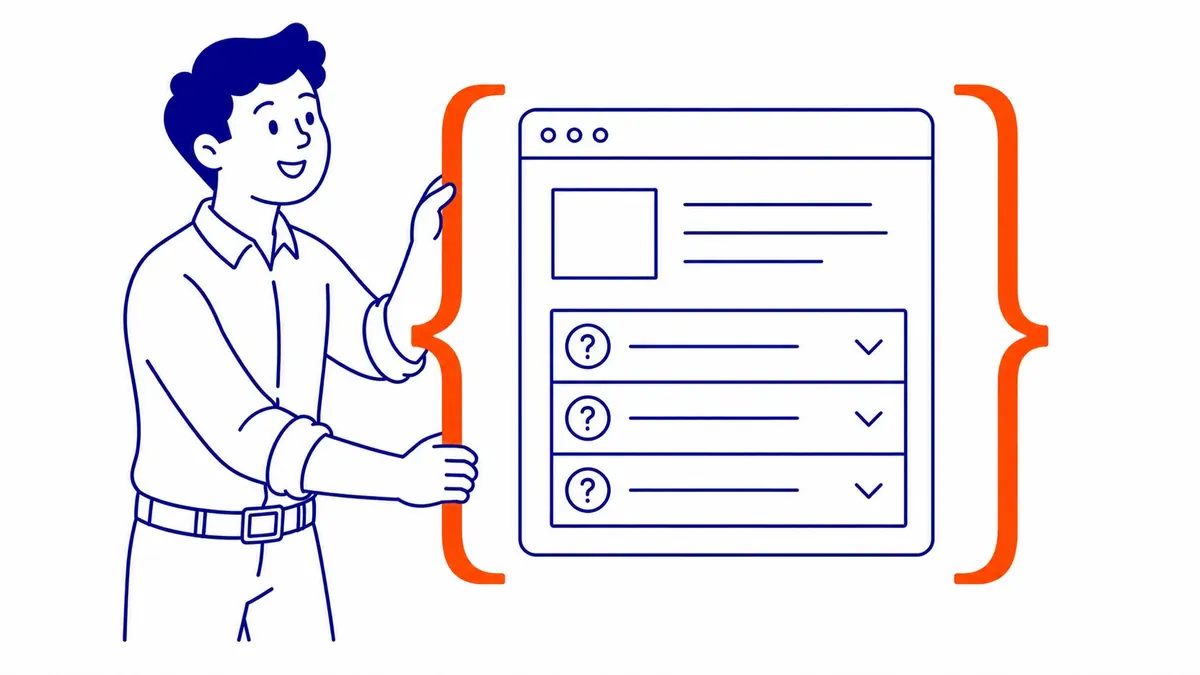
FAQPage schema is the clearest signal for AI overview content retrieval. Pages with proper FAQPage markup surface at higher rates in AI citation patterns than equivalent websites without it, across both the search engine’s own documentation and independent analysis through 2025.
HowTo schema for step-by-step material. Article schema on blog posts and educational pages. No guarantee of inclusion. Both signal intent and structure to the search engine’s systems. Those signals feed into site selection alongside authority and information quality. Structured data is one input, not the deciding factor.
Page authority and trust signals
Excellent writing on a weak-authority website still struggles to appear in these overviews. Page selection consistently favours established websites, pages with relevant backlinks, and material that has been indexed and ranking over time. A page published last month rarely surfaces as a citation, even when it already ranks on page one.
Newer pages generally need several months of consistent ranking before citation rates become meaningful. Three to six months is the realistic window. This matches the same organic ranking timeline that applies to standard search. Authority accumulates gradually for people starting from scratch.
Quality backlinks, clean site structure, the consistent fundamentals SEO Company To-The-TOP! builds on: these are the trust signals that matter. Organic rankings improve. Your chances of appearing in AI Overviews also improve. One well-executed approach builds both at the same time.

To-The-TOP! has been working these fundamentals since 2007. The SEO services in Calgary we provide focus on what the search engine actually measures, not trend-chasing. Adding a Google Ads management company to that organic foundation builds immediate paid visibility and long-term organic authority together.
Frequently Asked Questions
How do I get my site into AI Overviews?
Ranking in the top ten organically is the prerequisite. AI Overviews pull citations from pages already visible in search results. Get the page ranking first, then apply structural and schema adjustments to improve your chances of citation. Organic authority is the base. There is no shortcut around it.
How do I become more visible in Google AI Overviews?
Direct answers under clear headings. Short opening paragraphs. FAQPage and HowTo schema where your content fits. Links from established websites. These are the same factors that drive featured snippet inclusion; the citation logic for these overviews is closely related. Consistent structure that puts the answer before the introduction is the most repeatable improvement for your website.
How do I get an AI overview to show up for my keyword?
AI Overviews appear when the search engine determines the search benefits from a synthesised answer. Informational searches trigger them far more than commercial ones. Targeting how-to, definition, and comparison searches in your content strategy is the most direct path. Search Console shows which of your current terms already appear in AI Overviews, narrowing where to focus first.
How do I make my website show up in AI search?
Solid page structure. Direct answers under relevant headings. Schema markup. Backlink authority. Clean crawlability. These are the fundamentals the search engine uses when selecting sites for AI Overviews. A proper site audit surfaces which of these your website currently lacks and which to address first.
Contact Calgary SEO Company To-The-TOP!
Questions about anything in this article, or about your own rankings? Talk to a Calgary SEO specialist directly.
Phone: (403) 308-5949
Address: 1509 14 Ave SW, Calgary, AB T3C 0W4
Hours:
Monday to Friday: 10:00 am – 7:00 pm
Saturday: 12:00 pm – 4:00 pm
Sunday: closed