What Is Keyword Mapping? An SEO Explains the Process
A Calgary flooring client came to us in 2021 with nine blog posts chasing the same phrase. Hardwood installation. Every post nicely written. None of them ranking. Google kept swapping one URL for another in the search results, week after week, so no single page ever built momentum. That is the exact problem keyword mapping exists to solve.
SEO Company To-The-TOP! has been mapping keywords for client sites since 2007. The process has changed less than people assume. Tools got better. The core decision stayed the same: one keyword group, one page, written down where everyone can see it. This guide covers what is keyword mapping, why it matters, and how we build a map in practice.
Keyword mapping in plain terms
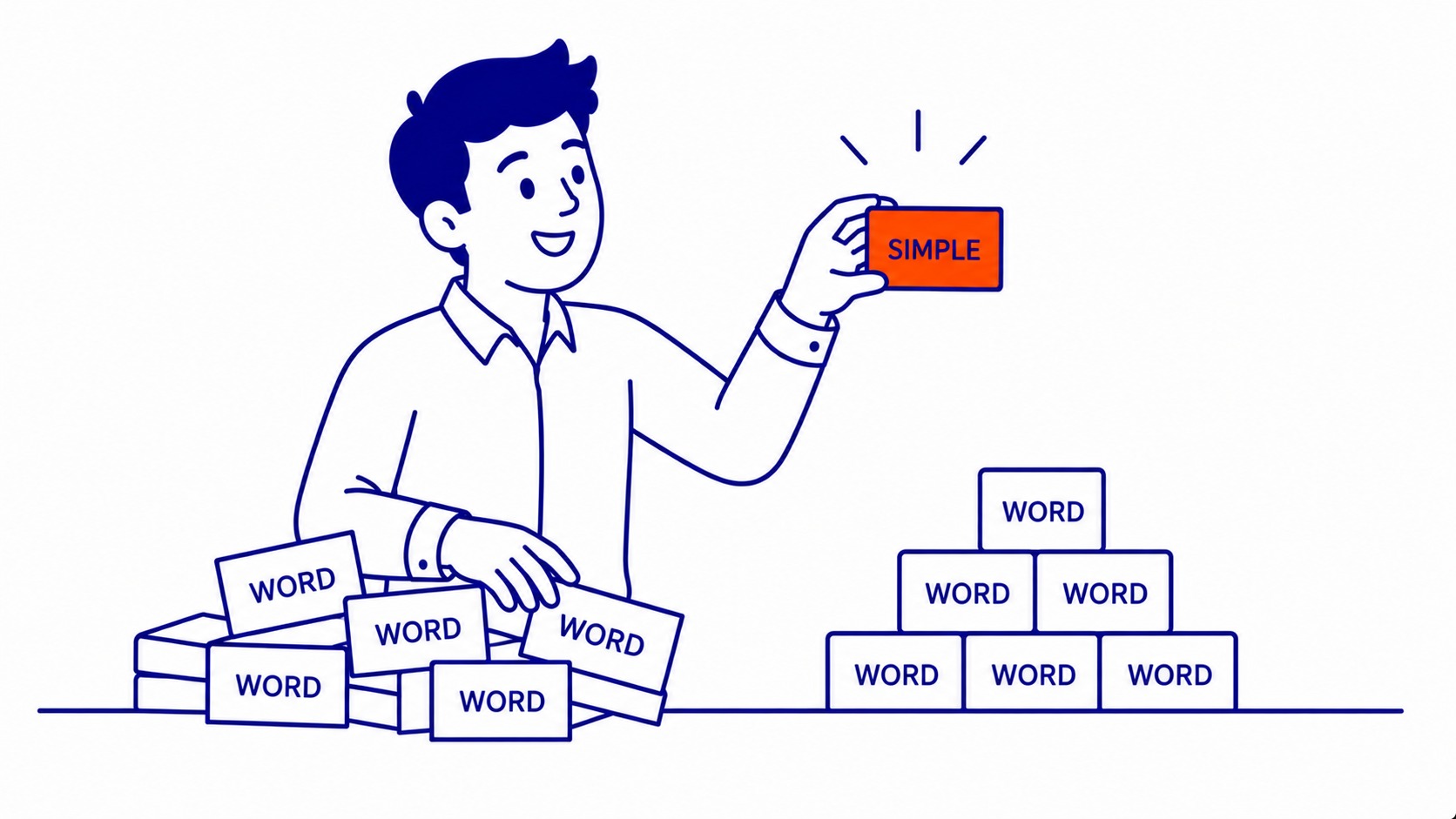
Start with the simplest version. Assigning the keywords from your keyword research to specific pages on your website: that is keyword mapping. Every page gets a defined target. No two pages compete for the same query. The output is a keyword map. Usually a spreadsheet. One row per URL, with a primary keyword, a few secondary keywords, and the search intent behind them.
Each page carries one primary keyword, the term it should rank for above all others. Secondary keywords are the close variations and subtopics that belong on the same page rather than on their own URL. Vinyl plank flooring as the primary. Then vinyl plank flooring cost and is vinyl plank waterproof as secondaries. Same searcher, same page.
Think of the map as a seating plan for your keywords. Each term gets a seat. Nobody fights over chairs. Models can draft that map quickly, though where ChatGPT leaves your SEO is a longer argument.

Why a keyword map matters
Four problems disappear once a map exists. Internal competition goes first. Two pages targeting the same term split relevance signals, and Google picks a winner you did not choose. Content gaps show up next. A keyword cluster sitting in the map with no page beside it is a page you have not written yet, so the gap becomes visible instead of invisible. Site structure improves as well, because grouping keywords by topic pushes related pages into clusters that make sense to users and search engines alike. And internal linking gets easier. Once you know which page owns which term, anchor text decisions take seconds.
Topical authority builds on top of that structure. A site that covers a subject completely, with each subtopic on its own mapped page, earns more trust from search engines than a site with the same words scattered across random posts. The map is how you see the whole subject at once.
There is a budget angle too. The same map that organizes organic pages tells you where paid traffic should land. We run our Google Ads management campaigns off the same document, because a paid click pointed at the wrong page wastes money faster than any ranking problem. One document, both channels. A map is only as good as its input, so a closer look at keyword research pays off.

Keyword cannibalization: the problem mapping prevents
Worth a closer look. Cannibalization happens when multiple pages on one site target the same keyword and end up competing against each other in the search results. The symptoms are recognizable once you know them. Rankings that bounce between two URLs. Impressions split across several pages in Google Search Console. A strong page that drops the week after a new post on the same topic goes live.
That flooring client is a fair example. Nine posts, one phrase, zero stable rankings. We merged the nine into two pages, mapped each to its own intent, and redirected the rest. Position 14 to position 4 in about ten weeks. No new content. Just the map, applied.
How to build a keyword map, step by step
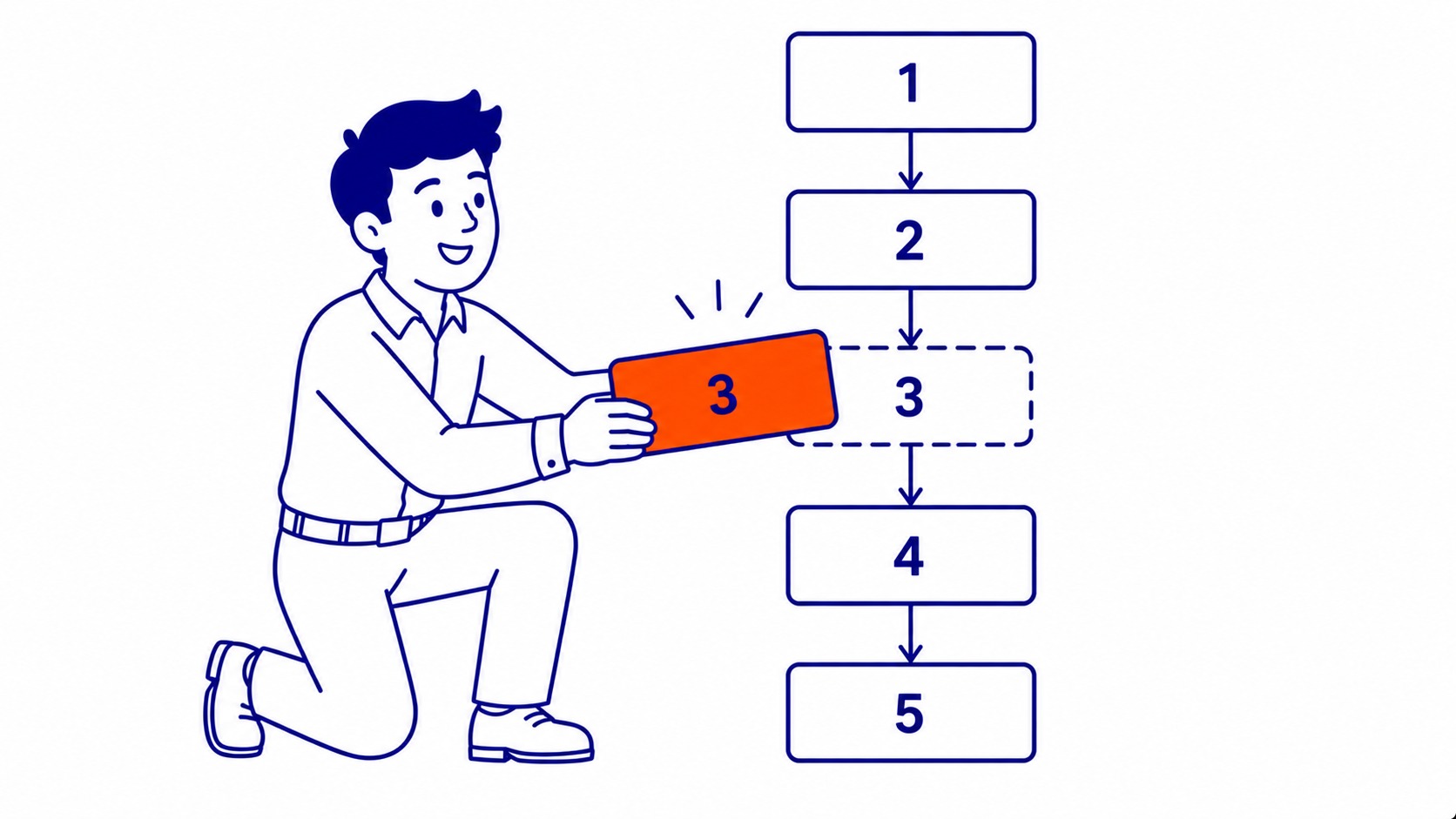
Five steps, in the order we run them. The same sequence works for a ten-page site and a thousand-page site; only the spreadsheet gets longer.
Step 1: Pull the keyword list together
Research comes first. Keyword research produces the raw material: seed terms, variations, long-tail phrases, and question queries, each with search volume and difficulty attached. The full process lives on our SEO keyword analysis page, so here is the short version. Your tools, Google Search Console, competitor gap reports: the list comes from all three. Expect it to look messy at this stage. Hundreds of search terms, lots of duplicates, plenty of junk. That is normal.
Step 2: Group keywords by search intent
Sort before you assign. Hundreds of raw keywords usually collapse into a few dozen intent groups. What is laminate flooring and laminate flooring explained want the same answer, so they belong in the same cluster and eventually on the same page. Watch the SERP whenever you are unsure. Two keywords returning the same top results already count as one topic in Google’s eyes.
Intent also decides page type. Informational queries deserve a blog post or guide. Commercial queries deserve a service or product page. Map an informational keyword to a sales page and the visitor bounces; the rankings rarely arrive anyway.
Step 3: Assign each cluster to one page
One cluster, one URL. Go through your existing pages first and match clusters to content already published. Some clusters will land on an obvious page. Others will have no home yet, and those gaps become the content plan for the next quarter. A few existing pages may claim the same cluster; keep the stronger page and plan to merge or redirect the weaker one.
New sites run the same step in reverse. With nothing published yet, the map becomes the site architecture itself. Every cluster turns into a planned URL, and the site gets built around real search demand instead of guesswork.
Step 4: Record everything in a spreadsheet
Plain tools work fine here. Google Sheets handles most of the keyword maps we maintain. The columns we use on every project: URL, primary keyword, secondary keywords, search intent, page type, status, and last updated. Add monthly search volume if it helps you prioritize, though skip any column you will not actually maintain. A simple map that stays current beats an elaborate template nobody opens after week two.
Step 5: Use the map for internal links and new content
The map earns its keep after launch. Writing a new post, you check the map and link to whichever page owns each term you mention, with anchor text that matches its primary keyword. Planning content, you write only what fills a gap. Every new page slots into your keyword map before the first sentence gets drafted, never after.

A keyword mapping example
A small slice of a real one. This comes from a Calgary renovation company, trimmed to four rows.
- Home page. Primary: calgary home renovations. Secondary: renovation company calgary. Intent: commercial.
- Service page. Primary: basement development calgary. Secondary: basement renovation cost. Intent: commercial.
- Blog post. Primary: how long does a basement development take. Intent: informational.
- Blog post. Primary: do you need a permit to finish a basement in alberta. Intent: informational.
Notice the shape. Commercial terms sit on pages built to sell. Question terms sit on posts built to answer. The blog posts link down to the service page, and authority flows back up the other way. Nothing overlaps, so nothing competes.

Tools that help with keyword mapping
No single tool owns this job. Google Search Console shows which queries each page already earns impressions for, free. Every existing site should start there. Ahrefs and Semrush both surface ranking overlaps and flag URLs competing for the same term. Semrush also groups keywords into clusters automatically; that speeds up step two on larger sites. The map itself still lives in a spreadsheet for most businesses. Software helps you see the data. It does not make the assignment decisions for you.
Existing sites go through our website audit alongside the map, because mapping keywords onto pages with crawl or indexing problems fixes nothing. Structure first, then assignments.

Keeping your keyword map current
A map ages faster than people expect. Search volume shifts. New competitors publish. Google reshuffles which queries it treats as the same intent. We revisit client maps quarterly, and even a light pass catches keyword cannibalization early, before it costs positions. Add a row every time a page goes live. Mark merged or redirected URLs instead of deleting them, so the history stays readable.
One plain note to close. A keyword map will not rank anything on its own. It is an organizing layer over our search engine optimization work, all of which still has to happen: content, links, technical health. Expect the structural benefits to show over months, not days. Every Calgary SEO campaign To-The-TOP! runs starts from this one document, though, and the clients who treat it as a living record stop losing rankings to themselves. That alone pays for the effort.

Frequently asked questions
What is keyword mapping in SEO?
The short answer. Keyword mapping assigns every target keyword from your research to one specific page on your site, recorded in a shared document. Each page gets a defined primary keyword and intent, so coverage stays complete and nothing overlaps.
What is the difference between keyword research and keyword mapping?
Sequence, mostly. Research finds and qualifies the terms. Mapping decides where each term lives on your website. Research without mapping leaves you holding a list with no plan, and most of the ranking problems we untangle started at that second step, not the first.
How many keywords should you map to one page?
One primary, a small set of secondaries. Three to eight related terms per page is the working range on most of our projects. Past that point, the page loses focus and the extra terms deserve their own URLs.
Can you map the same keyword to multiple pages?
Better not to. Two pages chasing one term is the definition of keyword cannibalization, and Google will pick the winner for you. Map the term to a single page, then give the second page a distinct variation of its own.
How often should you update a keyword map?
Quarterly works for most sites. Monthly if you publish heavily. And always when a new page launches, when rankings swap between two URLs, or after a core update moves your positions.
Contact Calgary SEO Company To-The-TOP!
Questions about anything in this article, or about your own rankings? Talk to a Calgary SEO specialist directly.
Phone: (403) 308-5949
Address: 1509 14 Ave SW, Calgary, AB T3C 0W4
Hours:
Monday to Friday: 10:00 am – 7:00 pm
Saturday: 12:00 pm – 4:00 pm
Sunday: closed
