What Is Keyword Clustering in SEO?
A roofing contractor came to us in 2009 with a spreadsheet of 60 search terms. Goal, as he explained it: rank for all of them with a single page. He had been at this for two years. No movement.
The problem was not the terms. Sixty different queries, informational, transactional, local, each wanting something different, were being pointed at one page that could not satisfy any of them well. Search engines do not reward that. Searchers do not either.

Keyword clustering fixes this. Group related keywords by intent, then map each group to a dedicated page: that is the process. Search engines rank pages that best satisfy what a searcher is trying to do. Keyword clusters align your content with that reality.
To-The-TOP! has worked as an SEO company in Calgary since 2007. Keyword clustering sits near the start of every campaign we build, not because it is a trend, but because it determines how a site earns authority across a topic rather than scattered across disconnected pages.
Why Keyword Clustering Matters
Still relevant today. More so now.
Search engines read context and relationships, not just strings. A page about “roof repair Calgary” that also naturally covers “emergency roof fix Calgary” and “Calgary roof patch” earns richer context signals than three thin pages targeting each phrase separately. One consolidated page earns impressions across a full group of related queries. That is keyword clustering working as intended.
A Calgary HVAC client ran twelve separate pages, each targeting a single air conditioning query. Reorganised into four keyword clusters, the site moved from page-six appearances to top-five positions across all four groups in roughly five months. The pages themselves had not changed. Structure had.
The structural benefit goes beyond traffic, though. Keyword clustering prevents keyword cannibalization: two pages competing for the same intent, splitting a search engine’s attention, neither reaching page one. We see this regularly when clients arrive with sites that have grown for years without any keyword grouping process. Five pages on overlapping topics, each picking up scattered impressions. None ranking well.
The same intent-grouping logic that shapes organic work also drives campaign structure in Calgary Google Ads management: ad groups are essentially paid keyword clusters. Different medium, same underlying principle.
Good SEO keyword research generates the raw list. Keyword clustering shapes that list into a site architecture with rankings behind it. Assigning each cluster to a single URL is keyword mapping, the step that usually follows. Clustering assumes the list exists, so an introduction to keyword research comes first.
How Search Intent Drives Clustering
Intent is the dividing line. Always.
Two terms can share nearly every word and still belong in separate groups. “SEO company Calgary” and “SEO company reviews Calgary” look similar on paper. Intent differs. Commercial for the first: the user wants options. Evaluative for the second: they want comparisons before deciding. One page cannot satisfy both well.
The core test for every term: what is the person trying to do? Informational, navigational, commercial, transactional: these four intent types are the primary sorting criterion. Each group should represent one intent type.

SERP-Based Keyword Clustering: The Reliable Method
Google’s own results pages are the best data source available.
Pull the top ten results for two keywords. If three or more of the same URLs appear in both results pages, those terms share intent. Group them. That URL overlap is the search engine telling you the queries belong together.
SERP-based clustering is how professional tools like Semrush and Ahrefs work at scale. They compare result page overlap, not linguistic similarity. The distinction matters. Two semantically related phrases can still return completely different search results. When that happens, they belong in separate groups regardless of how similar they sound.
Semantic Keyword Clustering: Useful but Not Enough
Grouping terms by meaning has a place in the process.
Synonyms, variations, and related phrases that describe the same concept land in the same group. That is the semantic approach. Useful for expanding a keyword list before result-page data is available. Less reliable as a final decision tool, however. Semantic similarity does not guarantee the same search intent. Run the results comparison before finalising any group assignment. What sounds related and what a search engine treats as related are not always the same thing.
Building Your Keyword Clusters Step by Step
The process itself is not complicated. Discipline is the harder part.
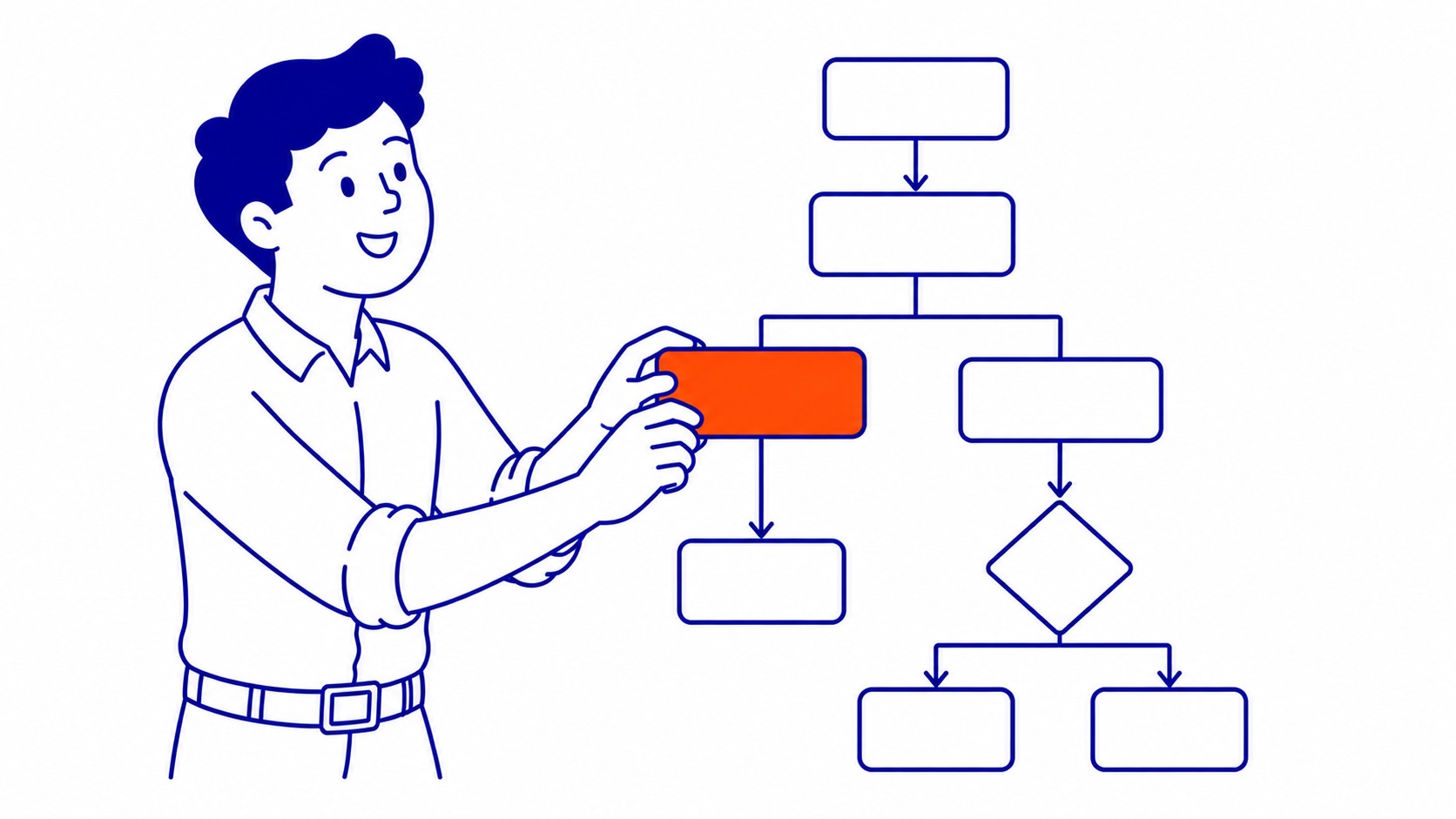
Collect Your Keywords Into One Spreadsheet
Pull everything together first. Keyword research tools, Google Keyword Planner, Ahrefs, Semrush, generate the raw material. Google Search Console adds queries your site already earns impressions for. Export all of it into one spreadsheet before starting the grouping step.
A seed keyword anchors the list. Start with your primary keyword and pull the related keywords and long-tail phrases it generates. Repeat for secondary topics. Most sites work from dozens of terms before clustering starts. Some larger sites work from thousands.
Sort Each Keyword by Search Intent
Each term gets an intent label: informational, commercial, transactional, or navigational. That label drives the group assignment.
Keywords sharing the same search intent go in the same group. Run the results comparison for anything ambiguous. Three or more shared URLs across both result pages means group them together. Diverging results means keep them separate. The results data overrides intuition about whether terms sound similar.
One group, one target URL. That rule applies to every cluster.
Assign Each Cluster to a Page
Existing site pages map to groups where intent matches. Groups with no current page become the content creation queue. The pillar page targets the primary keyword; supporting pages handle the subtopics each cluster produces.
Internal links complete the structure. Each cluster page links back to the pillar. The pillar links out to the cluster pages. It is the same pattern behind our search engine optimization work: authority distributes across the entire group rather than concentrating on one page while the rest go unconnected.
Keyword Clustering and Cannibalization
Happens more often than most clients expect.
Cannibalization occurs when two pages compete for the same intent. Search engines cannot determine which URL to rank. Both pages get suppressed. Neither earns the position either one would reach on its own.
Keyword clustering prevents this by design: each group maps to one page. When we do a website audit on a site built without a clustering framework, cannibalization shows up in Search Console as multiple URLs sharing impressions for the same queries. Fixing it means consolidating pages, revising internal links, and sometimes adding canonical tags. Messy work. Preventable from the start with a clear cluster map.
Search Console is useful for spotting early cannibalization. Look at which queries generate impressions across multiple URLs. A sudden rise in shared impressions for the same term across two pages is often the first signal that the groups have drifted and pages are starting to compete. Grouping those queries gets faster once you know what doing keyword research using AI means.

Common Mistakes When Grouping Keywords
Worth knowing before you start.
One page per group is not one keyword per page. A cluster of 15 related terms still maps to one page. Confusing this process with one-keyword-per-URL mapping produces hundreds of thin pages without enough depth to rank anything.
Mixing intent types in one group is the second problem. Informational and transactional queries belong on different pages even when the subject is the same. A guide explaining what something is and a service page selling it serve different intents. Grouping them together produces a page that satisfies neither type of searcher well.
Clustering by topic alone, without a results check, is the third common error. Semantically related does not mean same intent. Verify with result-page overlap before finalising any group assignment.
The group list also needs revisiting. Rankings shift. New queries emerge. Every six months, check whether the results landscape for your primary keywords has changed. Topic clusters that made sense eighteen months ago sometimes need to split or merge as search engine understanding of a topic evolves.

Frequently Asked Questions
What is a keyword cluster?
A group of related keywords sharing the same search intent, assigned to a single page. The primary keyword anchors the page. Secondary keywords and long-tail phrases support it without competing. The goal is one authoritative page per group rather than several weaker pages splitting the same topic.
What are the 4 types of clustering?
SERP-based clustering groups keywords by shared search results overlap. Semantic clustering groups by linguistic similarity and meaning. Topic clustering builds a content pillar with supporting cluster pages underneath. Hybrid clustering combines search result and semantic signals. SERP-based is the most reliable for SEO purposes: Google’s own results pages show you what it treats as equivalent intent.
What is an example of keyword grouping?
“SEO services Calgary,” “Calgary SEO agency,” and “SEO company Calgary” share commercial intent and surface mostly the same search results. They belong in one group targeting one page. Contrast that with “what is SEO,” which carries informational intent and different search results, so it needs a separate page even though the topic overlaps. The SEO services page is built around that commercial cluster. Grouping search terms by what the searcher is actually trying to accomplish is the whole point.
What are the 4 types of keywords?
Informational, the user wants to learn. Navigational, they are looking for a specific site or brand. Commercial, they are comparing options before buying. Transactional, they are ready to take action. This approach uses these four intent types as the primary sorting criterion when assigning terms to groups and target pages.
Contact Calgary SEO Company To-The-TOP!
Questions about anything in this article, or about your own rankings? Talk to a Calgary SEO specialist directly.
Phone: (403) 308-5949
Address: 1509 14 Ave SW, Calgary, AB T3C 0W4
Hours:
Monday to Friday: 10:00 am – 7:00 pm
Saturday: 12:00 pm – 4:00 pm
Sunday: closed
