
What Is Organic SEO?
First client who ever asked me that was a plumber in northwest Calgary. It was 2009. He had a website, a handful of referrals, and a Google Ads account burning through $800 a month with middling results. The follow-up question he asked: “Is there something that doesn’t cost me money every time someone clicks?” There is. It is called organic SEO, and it just takes longer to build than an ad account.
Organic SEO is the practice of earning unpaid placement in search results through content quality, technical health, and site authority. No per-click cost to the search engine. Rankings come from the quality and trust signals your website has accumulated over time. Paid ads stop producing the moment the budget runs out. Organic results keep sending visits long after the initial work is done.
To-The-TOP! has been at this since 2007, and our Calgary SEO work now sits alongside client projects across Canada. These are the observations that come up most often when a business owner is trying to figure out whether this investment makes sense for them. Newer sites wait longer still, and the Google sandbox in SEO is the usual explanation.

Unpaid results. That is the key distinction.
Worth knowing before anything else.
Organic SEO separates from paid search at the point of placement. Type a query into Google. Sponsored results appear at the top with a small label. Below those, and sometimes above them in a local pack or featured snippet, sit the organic search results. Search engines rank those results based on relevance, technical quality, and authority. No payment to the platform. The position is earned rather than purchased.
Paid search works differently. Google Ads campaign management, display placements, and sponsored local listings generate traffic immediately but require a running budget. Organic SEO builds something that persists without ongoing payment per placement.
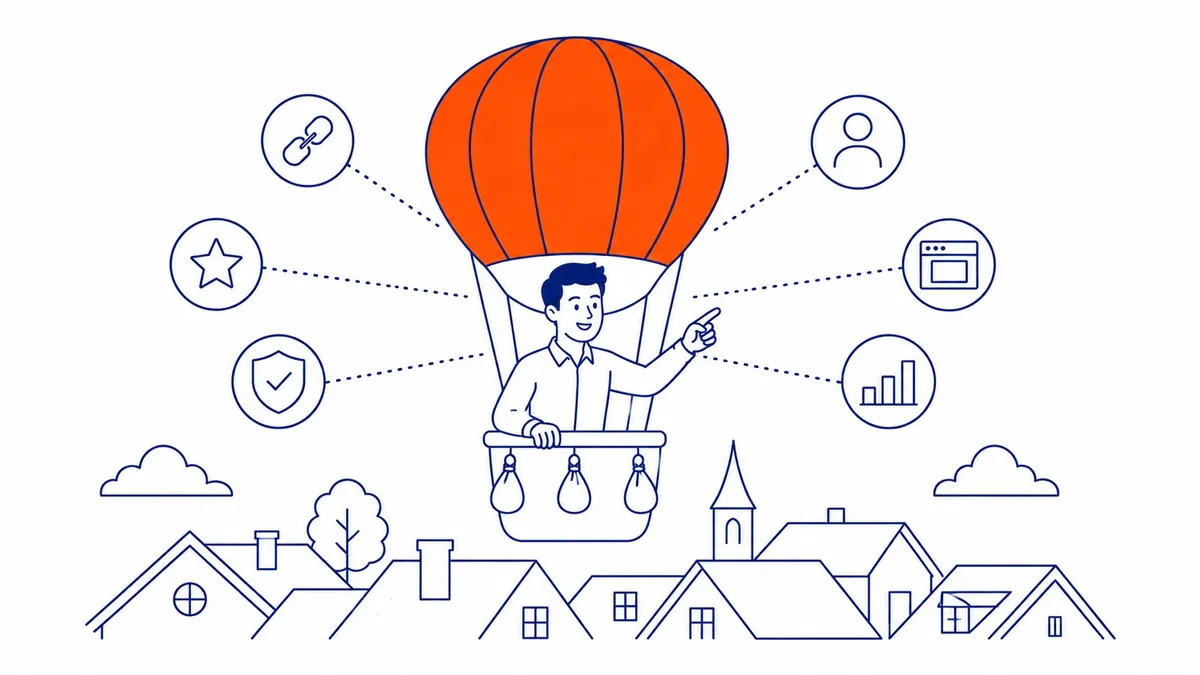
How search engines decide where your site ranks
More to it than just matching keywords.
Search engines send crawlers across the web to index pages continuously. The algorithms evaluating those pages weigh hundreds of signals. In practice, organic SEO groups them into three areas: on-page relevance, technical health, and off-page authority.
On-page relevance signals tell search engines what your website is about. Content depth, keyword usage, heading structure, internal linking: these shape how crawlers interpret each page’s intent and quality. Technical health signals determine whether your website can be found and rendered properly. Site speed, mobile responsiveness, crawlability, and schema markup all contribute. Technical SEO issues, left unaddressed, can block even excellent content from ranking. Off-page authority reflects how much the broader web trusts your site. Backlinks from credible websites remain among the strongest signals in organic search optimization.
Most website audits I have run on a new client’s site find a concentrated set of high-impact problems. Fix those first. Trying to fix everything at once tends to produce nothing particularly well.
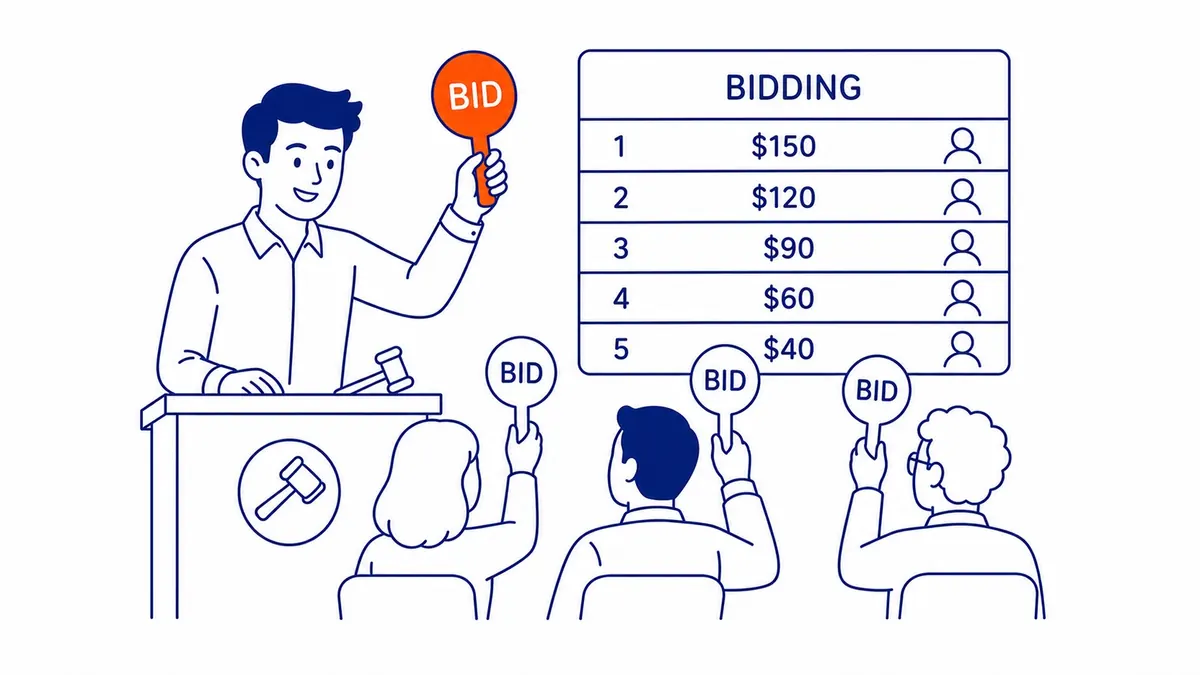
What an organic SEO strategy actually looks like
Not one tactic. A layered sequence.
The work any search engine optimization company Calgary businesses trust starts with research: what are your target customers searching for, how competitive is that field, and which keywords are worth going after. In practice, our keyword research is where strategy stops being guesswork. For most clients, the keyword list that matters is narrower than expected but the intent behind those searches is sharper.
From there, the work runs on parallel tracks. Technical issues get resolved so search engines can crawl and index your site without obstacles. Content gets written or updated to match the intent behind the terms your business should rank for. Off-page authority builds gradually as other websites reference your content. All of this compounds. The more authority your site accumulates, the easier new pages become to rank over time.
A structured organic SEO strategy for most businesses looks like a rolling three to six month project, with maintenance after initial rankings establish. Not a one-time fix. Your competitors are investing in the same signals.
On-page signals worth prioritising
Some move the needle more than others.
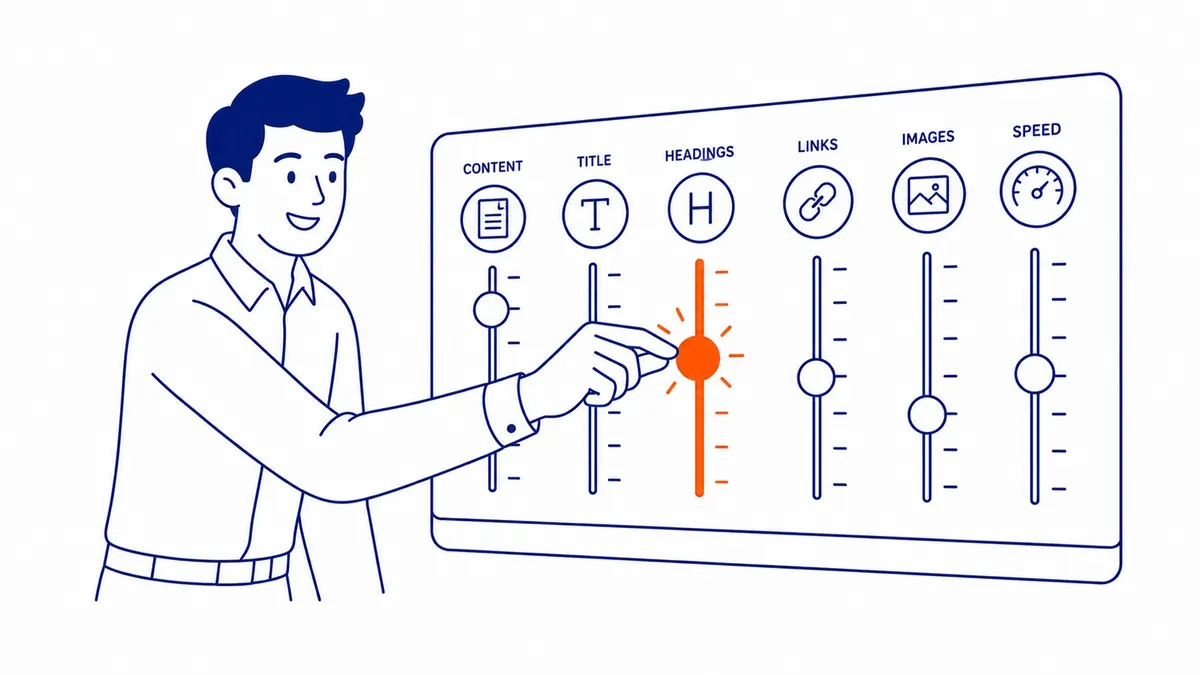
Title tags, meta descriptions, headings, URL structure: these communicate page relevance to search engines. Most content management systems make them editable. The challenge is knowing which terms to target and how to structure pages around what users are actually searching for.
Content quality is harder to shortcut. Search engines evaluate whether a page genuinely addresses the user’s question or just assembles relevant keywords into thin prose. Pages that go deep, answer follow-up questions, and cover related subtopics hold rankings more reliably. Internal linking shapes how authority distributes across your site. A site where pages connect logically helps search engines understand which pages matter most. Orphaned pages, broken links, and poor architecture work against your site without the owner noticing.
Off-page authority and why it compounds
Backlinks take time. No shortcut here.
Links from reputable websites remain one of the most powerful signals in organic SEO. Other websites linking to your content tell search engines that your site has earned trust within a topic area. Quality matters more than volume. A link from a relevant industry publication carries more weight than links from low-quality directories. Volume without quality often causes more problems than it solves.
The pattern I have seen hold across every industry since 2007: websites that publish useful content consistently accumulate authority over time. That authority makes it harder for lower-quality competitors to displace them. Harder to build quickly. Hard to reverse once it is there.
How long before organic SEO produces visible results
Longer than most businesses expect.
Three to six months before meaningful ranking movement on competitive keywords is the realistic timeline. New sites or sites with significant technical problems take longer. That patience requirement is not a flaw in the approach. It is how search engines work. Crawlers need time to index new content, evaluate it against competing pages, and adjust rankings based on a sustained pattern of signals, not a single change.
What happens in practice: months one and two are largely invisible. Month three, some rankings start shifting. Months four through six see more consistent movement as content earns backlinks and organic traffic starts to build. Calgary SEO clients who stay past month two, when nothing visible has happened yet, almost always see the payoff. Those who stop miss the compounding entirely.
Organic positions, once established, also outlast paid placements. They keep sending visits after the active investment period ends. That durability is the core financial argument for organic SEO over sustained paid search spend.
Organic SEO vs local SEO: what actually changes?
Same foundation. Different emphasis.
Organic SEO targets users anywhere who might search for what you offer. Local SEO focuses specifically on searches tied to a geographic area, prioritising Google Business Profile visibility, map pack rankings, and geo-modified queries. The ranking signals overlap substantially. Local SEO adds location-specific layers: citation consistency, review management, and content built around your service area rather than a broad topic.
Both are organic in the sense that they pursue unpaid organic search results. Local SEO is a specialisation within that broader practice. Which matters more depends on your business. A consultant selling remotely gets different value from the same investment than a plumber serving one city. Either way, why SEO is worth the spend comes down to who is searching. Agents sit between the two, which is largely how real estate SEO works.
Is organic SEO worth the investment?
Depends what you are comparing it to.
Paid ads generate traffic immediately. Organic SEO takes months. The cost-per-visit from organic traffic, once rankings are established, typically falls below what paid ads sustain in competitive markets. A business spending $2,500 a month on Google Ads to maintain visibility would often be better served by investing some of that toward organic SEO, reducing paid dependence over 18 to 24 months. Sometimes both make sense at the same time.
The businesses I have seen get the most from organic SEO share a few traits: patience, a site that can actually be improved, and realistic expectations about timelines. Review the SEO portfolio if you want to see what that looks like across industries. An SEO audit usually answers within a week whether your website has the technical foundation to support ranking improvements. Worth asking before committing to a budget.
FAQs About Organic SEO
What does organic SEO mean?
Unpaid search placement, earned through work rather than ad spend. Organic SEO is the practice of improving a site’s position in non-sponsored search results by strengthening relevance signals, technical health, and off-page authority. Rankings come from quality and trust signals accumulated over time. No payment to the search engine for the position. Paid search delivers traffic on demand; this approach builds a traffic channel that operates without cost per click.
What is an example of organic SEO?
A Calgary contractor writes a detailed guide on how to winterise a residential irrigation system. Over three months, the page earns backlinks from landscaping directories and gets indexed by Google. It starts appearing for “winterise irrigation Calgary” without ad spend. That is organic SEO working. The page keeps producing visits and leads after the initial content investment is complete. No paid placement, no cost per click, no visibility cliff when the budget stops.
What is the difference between organic SEO and local SEO?
Scope and geographic focus. Organic SEO targets any user searching relevant terms regardless of location. Local SEO targets users searching within a specific area, prioritising map pack visibility and geo-modified queries. Both fall under the organic SEO umbrella. Local SEO is a specialisation within it. For businesses serving a defined service area, local SEO tends to produce more direct leads. Broader organic SEO builds topical authority across a wider search footprint.
What is organic SEO vs paid search?
Organic SEO earns placement through content quality, technical improvements, and accumulated authority. Paid search covers sponsored placements: Google Ads, paid local listings, display advertising. Those positions disappear when the budget stops. Organic rankings persist after the active investment period ends. Most competitive digital marketing strategies use both: paid search for immediate traffic, organic SEO for durable long-term visibility that does not depend on a running ad budget.
Contact Calgary SEO Company To-The-TOP!
Questions about anything in this article, or about your own rankings? Talk to a Calgary SEO specialist directly.
Phone: (403) 308-5949
Address: 1509 14 Ave SW, Calgary, AB T3C 0W4
Hours:
Monday to Friday: 10:00 am – 7:00 pm
Saturday: 12:00 pm – 4:00 pm
Sunday: closed