What Is the Google Sandbox in SEO?
New sites don’t always rank the way you’d expect. Your site goes live. Good content, a few backlinks, decent on-page work. Then weeks pass with barely a movement in search results. In Calgary, we see this pattern regularly with clients who launched a new website and wondered why organic traffic wasn’t arriving. They’re not doing anything wrong. Something else is going on.
The term for that experience is the Google Sandbox effect. It describes a period where new websites seem held back from competitive search results, even when the fundamentals look right. Google has never officially confirmed a sandbox exists. That debate has been running in the SEO community since at least 2004. Still, the pattern repeats across new sites so consistently that most practitioners treat it as established.
What New Sites Actually Experience
Slow start, not a dead stop.
Your new domain publishes pages. Google crawls them. Impressions start showing up in Google Search Console within a few weeks. What does not show up, however, is ranking movement on competitive keywords. Your site sits well below the first page, sometimes much deeper. Rankings for branded terms tend to arrive sooner. Non-branded keywords take much longer.
User engagement data does not exist yet for a new domain. No backlink profile history either. The domain also has no track record of producing content that search engines can evaluate over time. That combination pushes new websites into a slower trust-building process. Practitioners started calling it the sandbox period. The name stuck. Age and links both feed the short version of domain authority, which new sites simply lack. Call it what you like; a plain reading of organic SEO explains the delay better.

Is the Google Sandbox Real?
No formal confirmation from Google.
John Mueller, a senior developer relations specialist at Google, acknowledged that new sites take time to gain visibility in search results. He has not described a formal sandbox filter. That leaves the SEO community in an interesting position. The pattern is observed across thousands of new domains. Its specific mechanism, however, remains unconfirmed.
Most SEO professionals treat it as a trust calibration process. Search engines are cautious about new domains. A site that appears overnight with optimised pages and aggressive backlinks looks suspicious. Short probationary periods filter out a lot of that spam before it reaches visible search results. New sites still get indexed, so what increasing organic keywords involves does not change during that window.

Why Google Might Hold New Sites Back
Trust takes time to establish.
Your website without any history gives Google very little to evaluate. No user engagement signals. The domain carries no established backlink profile either. No demonstrated pattern of producing content that matches what searchers actually want. All of that takes months to accumulate organically.
Spam is part of it too. Expired domains with history get repurchased and relaunched. Black hat operators build optimised sites quickly. Holding new websites back during a sandbox period reduces the impact of that activity on search results. Real quality signals need time to emerge. Not a penalty. More of a filter applied broadly to new domains.

How Long the Sandbox Period Lasts
Three to six months is the common range.
Competitive niches stretch longer. Finance and health queries tend to sit behind a denser field of established sites. Legal is similar. New domains targeting those keywords feel the Google sandbox effect more acutely. Some practitioners report ranking on very low-competition keywords within a month or two.
Your site’s activity during this period matters more than most people expect. Sites that publish quality content consistently and earn backlinks from relevant sources tend to move through it faster. Domains sitting idle after launch do not.
What to Do During the Sandbox Period
Don’t stop because rankings haven’t arrived yet.
Build backlinks deliberately
Backlinks from relevant sites tell Google your domain is associated with credible content. One solid link from a respected source in your niche does more during the sandbox period than a hundred low-quality links. Quality beats quantity here. That is not just theory; it shows up in the data consistently. Guest posts from relevant blogs. Citations from industry directories. Partnerships with respected sites in your niche. All of these contribute to the trust signals Google measures during this period.
Publish content your audience actually needs
Content quality during the sandbox period matters more than volume. Your content needs to earn genuine engagement. Real time-on-site. Return visits. Those user signals help calibrate trust faster than publishing twenty thin pages. Thorough SEO keyword research from the start lets you build pages that generate organic traffic even before competitive rankings arrive.
Track impressions in Google Search Console
Impressions appearing before clicks is completely normal during the Google sandbox period. Your pages are getting evaluated. Google Search Console shows which queries are generating impressions for your pages. It also shows where rankings currently sit. That data is worth reviewing monthly. It tells you whether Google is engaging with your site or largely ignoring it.
Sandbox vs. Google Penalty
Different problems entirely.
A Google penalty is a manual action or algorithmic hit applied to a site that violated search guidelines. It shows up as a manual action notification in Google Search Console, or it correlates clearly with a named algorithm update. Rankings drop on sites that were previously performing.
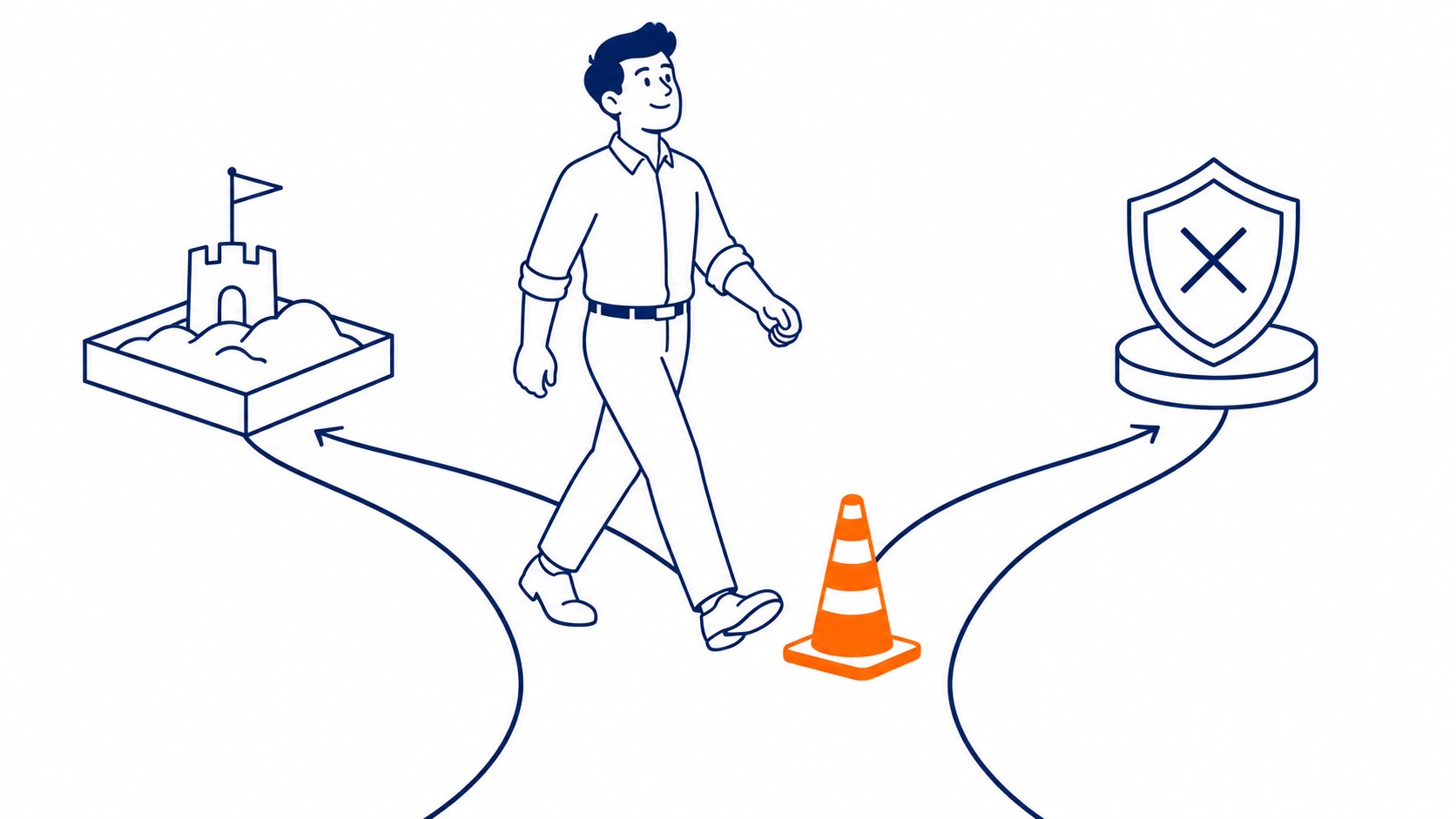
The sandbox effect hits new websites before they have ever ranked. No notification appears. Manual actions don’t apply here. The rankings simply never arrived.
Treating a sandbox situation like a Google penalty, and chasing technical fixes or disavowing backlinks, wastes time. The right response is patience and consistent work on your content quality.
FAQs About the Google Sandbox
How long does the Google Sandbox last?
Three to six months for most new websites on moderately competitive keywords. High-competition niches, finance and health and legal, sometimes stretch to nine months or more. Activity matters. Sites publishing high-quality content consistently tend to exit the sandbox period faster. A domain that sits idle after launch does not.
Does every new website end up in the Google Sandbox?
Not always in a visible way. Very low-competition keywords can rank within weeks. Branded searches often rank fairly quickly. The sandbox effect is most noticeable when your new website targets competitive non-branded terms from day one. Finance and health niches feel it most strongly, where Google applies stricter trust thresholds before surfacing new domains.
Can you speed up getting out of the Google Sandbox?
Active work helps more than waiting. Backlinks from authoritative, relevant sites signal trust. Content your audience genuinely engages with builds user signals. Social media activity that drives return visitors helps too. These all contribute to the trust signals Google looks for during the probationary period. None of it is quick, but consistent effort shortens the timeline.
Planning Ahead Makes the Sandbox Period Productive
A strategy from SEO Company To-The-TOP! that starts before your website goes live is the right approach. Keyword research done early. Clean site structure. A content calendar from day one. These make the sandbox period productive rather than frustrating.
To-The-TOP! SEO Company has been doing this since 2007. We have walked clients through the Google sandbox period consistently. Build quality content, stay active, earn real links. Visibility follows.
Google Ads PPC management can also fill the gap while organic rankings build. Paid and organic complement each other well during this period. Your website stays visible to potential customers while SEO authority accumulates in the background.
Book a website audit before or after launch to get a clear picture of what to prioritise first. Worth doing before spending months wondering why your site hasn’t started moving.
Contact Calgary SEO Company To-The-TOP!
Questions about anything in this article, or about your own rankings? Talk to a Calgary SEO specialist directly.
Phone: (403) 308-5949
Address: 1509 14 Ave SW, Calgary, AB T3C 0W4
Hours:
Monday to Friday: 10:00 am – 7:00 pm
Saturday: 12:00 pm – 4:00 pm
Sunday: closed
