Do Meta Descriptions Affect SEO?
Clients raise this on nearly every first audit call. Usually it surfaces because a tool flagged dozens of missing descriptions as errors. Now they want to know how seriously to take that.
The straight answer requires separating two questions. Do meta descriptions directly affect rankings? They do not. Do they affect SEO more broadly? Yes, and in ways worth acting on.
Most clients are surprised by both halves of that answer. The nuance matters, though, especially before spending hours fixing description tags across a large site.
What a Meta Description Actually Is
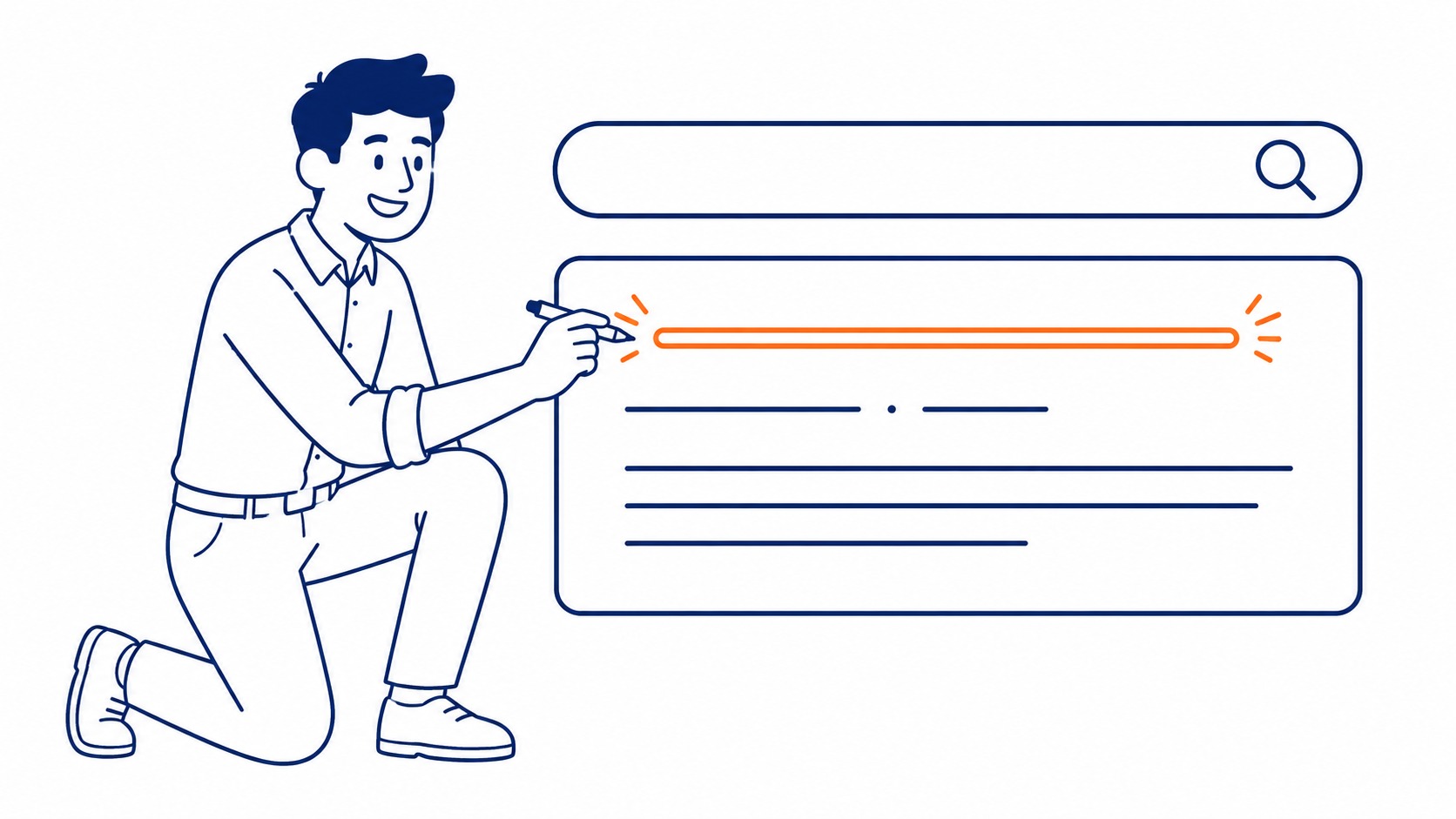
About 150 characters of HTML that visitors never see directly.
It lives in the head section of your page, coded as a <meta name="description"> tag. Search engines read it during crawl. Visitors see it below the title in search results, when Google decides to show it.
That is the distinction. It is not visible page content. Its job is to appear in that two-line space between your title and URL in the SERPs. That space is what gives someone a reason to click your link instead of the next one.
Meta descriptions appear in organic results only. Paid results at the top of the page are a Google Ads management job. You write that ad copy separately inside the campaign. The craft of writing meta descriptions is its own small discipline, worth getting right once. Descriptions are one field among several, and using meta tags for SEO properly means the rest of them.

The Direct Ranking Question, Answered Plainly
Not a ranking factor. Google has been clear on this.
John Mueller has confirmed it repeatedly. Meta descriptions do not feed into the ranking algorithm. Search engines do not use them to decide where your page sits in results.
Across nineteen years of our Calgary SEO work, we have tested this enough times to feel confident about it. Fixing a hundred missing descriptions on a site with thin content does not move rankings. Content does. Backlinks do. Technical health does. Descriptions are not in that group.

Still, skipping them entirely is a mistake. Not for ranking reasons. The issue is what happens in the SERPs after someone sees your listing. Tags do different jobs, and metadata SEO in plain terms sorts out which does what.
CTR and the Indirect Connection
The click matters even when the description does not rank.
Click-through rate is where meta descriptions connect to SEO. The connection is indirect, however. A search result that looks relevant gets clicked more often. More clicks signal relevance. Users found that result useful, and search engines notice that pattern. It still shapes how a page competes over time.
Write a description that matches what someone is searching for. Users scan several results quickly. Your title drew them in. The description decides whether they click your link or the one below it.
That decision, made thousands of times across different search queries, feeds back into how a page performs. Weak descriptions also leave that variable to chance.

What happens when click-through rate improves?
Higher CTR does not directly lift rankings one-to-one. What it does is generate more organic traffic from the same position. That traffic improves on-site engagement. Those signals, over time, support the page’s competitiveness.
Indirect. Still worth taking seriously.
How Google Rewrites Your Descriptions
More often than most site owners expect.
Studies put Google’s rewrite rate near 70%. Google pulls a passage from actual page content. The algorithm compares it to your tag and picks whichever serves the specific search query better.
Your written description is still the default considered first. Close match to the query and it shows up as written. A looser match and search engines reach into the page body instead.

What triggers a rewrite?
Two things come up consistently.
Your description does not address the specific question behind the query. A user types a longer search and your tag does not match it. Google still finds a passage from the page body that does.
Descriptions over 160 characters get cut off. The snippet ends in an ellipsis mid-sentence. Aim for 150 to keep the full message intact.
What a Good Meta Description Does
Worth writing even knowing Google may override it.
A well-written description gives search engines useful material to start from. On high-match queries it shows up as written. For other queries, it still gets read by crawlers and sets context for the page. Users who see it in the SERPs get a clear signal about what the page covers before they click.
Relevance is the goal. Not clever copy. Keyword stuffing only gets in the way.

Descriptions that reflect the terms a local search engine optimization company would research tend to survive Google’s rewrites more often. The keyword does not need to appear exactly, though the search intent should be obvious in the first sentence.
Character Limits: The Practical Numbers
150 to 160 characters covers most cases.
Google has never published a fixed character limit. Truncation happens around 155 to 160 in practice. Yoast SEO, the most common WordPress plugin for managing meta tags, flags anything over 156 as too long. That is a reasonable target for most pages.
Write the most useful information in the first 100 characters. Calls to action go near the end. Google sometimes uses only the opening of a description. The critical message should, therefore, come early.

Duplicate meta descriptions are worth cleaning up. Not for ranking reasons. Identical snippets across multiple pages look disorganised in search results. Users scanning SERPs see the same text for different pages. They cannot tell them apart. The simplest way to catch every one of them is to book a website audit. Worth fixing while the site is under review.
Frequently Asked Questions
Do meta descriptions affect rankings directly?
Not directly. Google has confirmed they are not a ranking factor. They do not influence where your page appears in the SERPs. CTR is a different matter, however. A well-written description generates more organic traffic from the same ranking position.
How long should a meta description be?
150 to 160 characters is the practical range. Yoast targets 120 to 156 characters as acceptable. Anything longer risks truncation in the search results. Write the most important information first, not at the end.
Does Google always use my meta description?
Most of the time, Google uses something else. Studies put the rewrite rate near 70%. The rewrite pulls from actual page content Google judges more relevant to the query. Your tag is still worth writing. It is what Google reads first and most likely to show up on closely matching searches.
Should every page have its own meta description?
Each page covering different content should have a unique description. Duplicate descriptions get flagged in most SEO services audits and signal to search engines that the pages are interchangeable. That is rarely accurate.
Do keywords in meta descriptions help SEO?
Not for rankings. Keywords in a description do not carry ranking weight in the algorithm. What they do is help Google match your description to a specific search query. A closer match increases the chance your written version shows up in the SERPs rather than a rewrite.
SEO Company To-The-TOP! has reviewed meta descriptions as part of every site audit since 2007. It is one of those tasks that clarifies what appears in proper keyword discovery reports and removes confusion about on-page signals. Worth getting right from the start.
Contact Calgary SEO Company To-The-TOP!
Questions about anything in this article, or about your own rankings? Talk to a Calgary SEO specialist directly.
Phone: (403) 308-5949
Address: 1509 14 Ave SW, Calgary, AB T3C 0W4
Hours:
Monday to Friday: 10:00 am – 7:00 pm
Saturday: 12:00 pm – 4:00 pm
Sunday: closed
