What Are SEO Services?
Around 2009, a plumbing contractor from northeast Calgary called asking why his phone had gone quiet. His site was two years old. Nobody was finding it.
Six competitors were ranking for every term his customers searched. He had no page targeting any of them. The site existed. It was invisible.
That call is still the clearest explanation of what SEO services are for. Search engine optimization covers the work that gets a website found in organic search results. Not ads. Positions in Google, built over months. Still held through consistent effort.
Each distinct service addresses a different barrier to visibility. Keyword research first. On-page optimization next. Technical foundations underneath. Authority built through links. Content running through every layer.
SEO Company To-The-TOP! has been running campaigns in Calgary since 2007. Nineteen years in this market. Fundamentals have not changed.
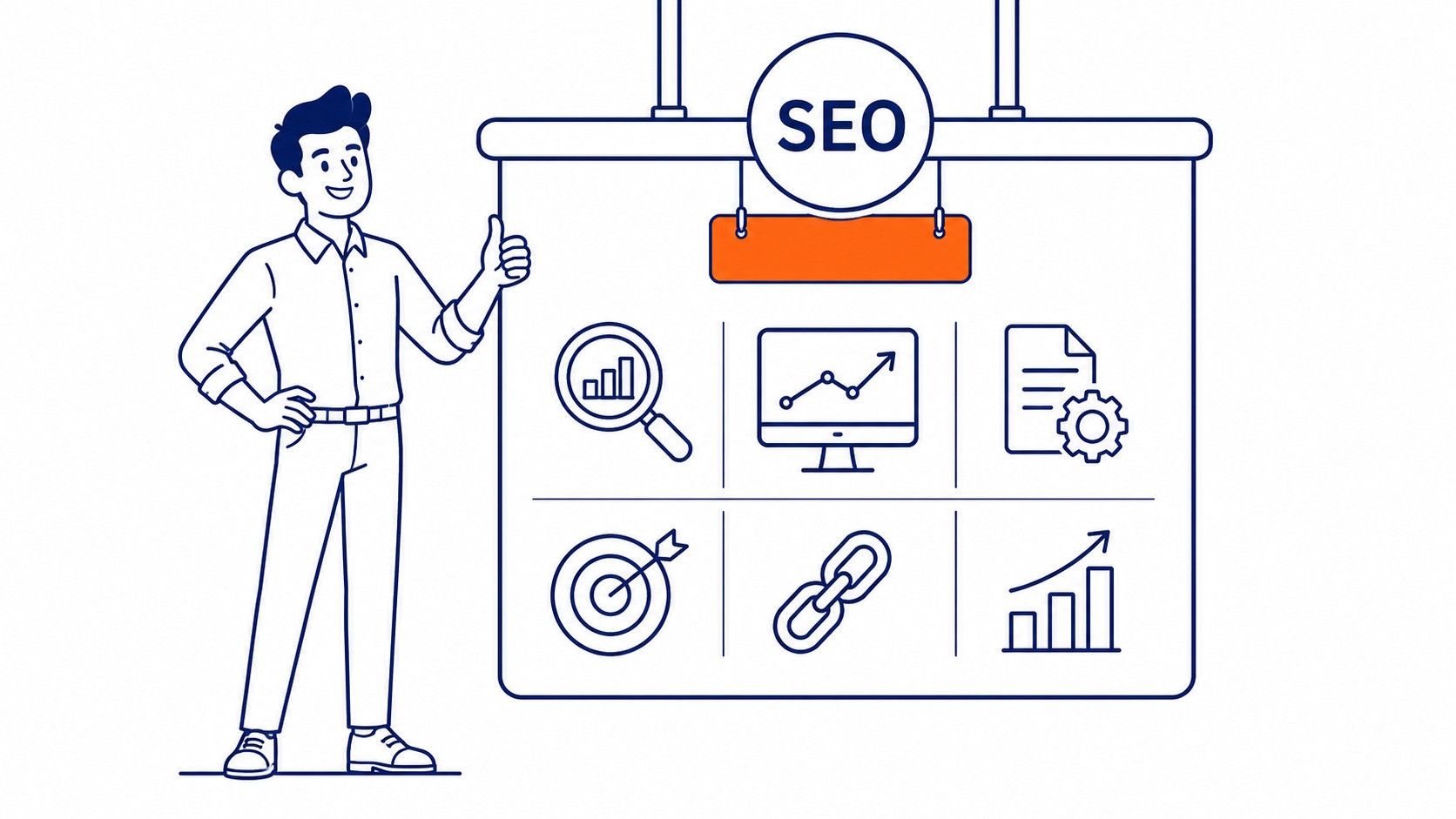
The Core SEO Services at a Glance
Worth knowing before the details.
Most businesses, particularly smaller operations, need a narrower scope than large agencies pitch. A local contractor does not need international SEO. Service businesses without e-commerce do not need product schema. What search engines consistently reward is a specific set of disciplines applied in the right sequence.
The sections below cover each service. What it does. Where it sits in the priority order. What the actual work looks like.

Keyword Research
Always the starting point.
Get keyword research wrong and every service that follows targets the wrong ground. Rankings in the wrong places simply produce traffic that does not convert.
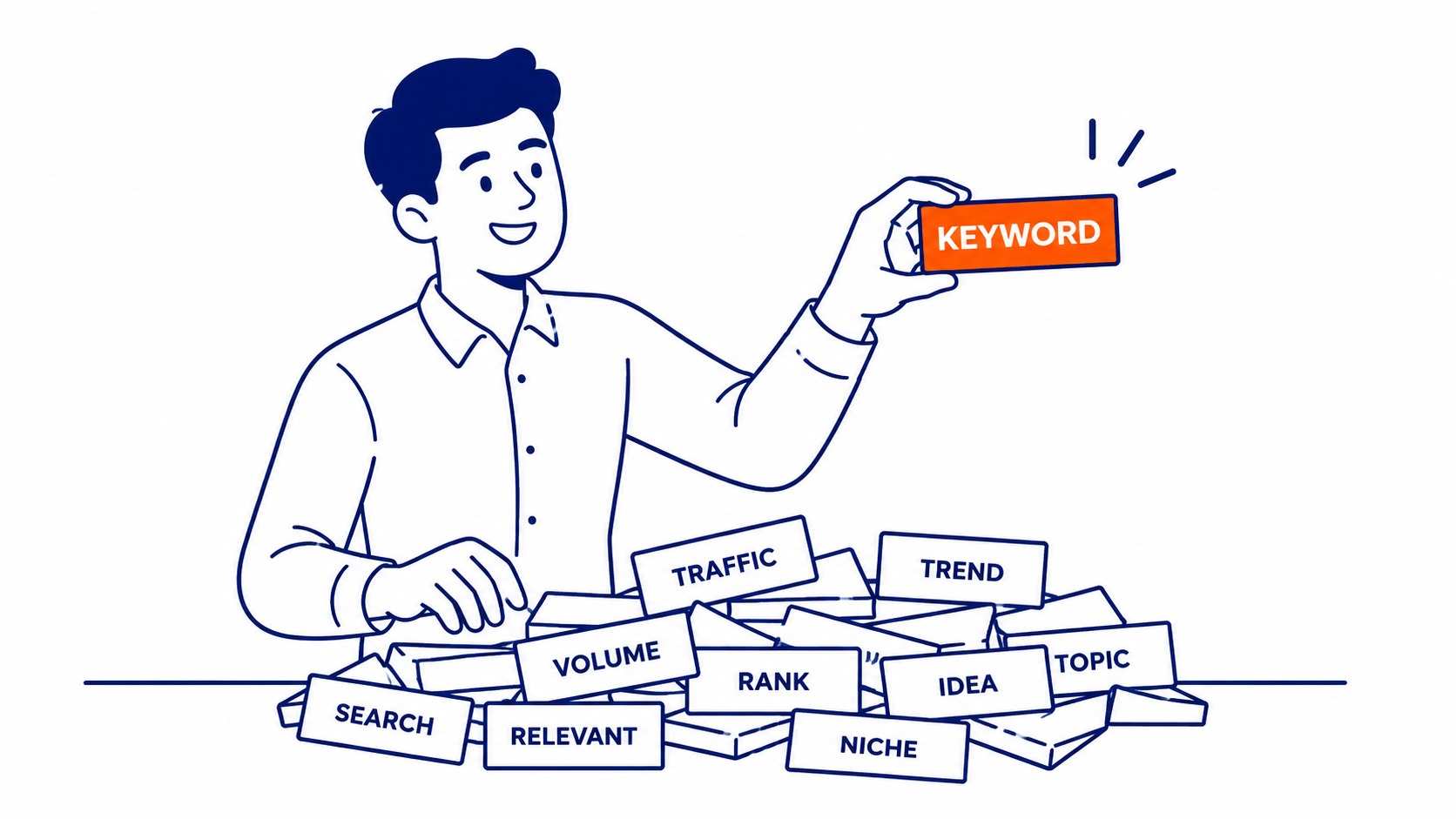
Keyword research maps the queries people actually type. Search volume at each level. Competition strength at each tier. It also surfaces the terms worth targeting now versus the ones that need months of authority-building before they move.
At To-The-TOP!, this means pulling real search volume data behind a Calgary client’s target phrases. Not estimating. Copying what competitors appear to use is also not a research method. A roofing company targeting “roof replacement company” instead of “roof replacement Calgary” leaves local search volume untouched.
The difference is often significant. Measurable within the first month of tracking.
Keyword research also surfaces long-tail queries. Lower individual volume. Much less competition. Still converting at good rates. In most industries, 60 to 70 percent of all searches are long-tail.
60 to 70 percent. That is where early campaign traction tends to live.
Long-tail phrases signal buyer intent more precisely. A search for “emergency roof repair Calgary cost” sits further along the buying journey than “roofing Calgary.” Both matter. Weighting them correctly is part of the keyword strategy.
Good keyword research also groups related keywords by intent cluster. Search terms that share buying intent but use different phrasing can often be served by one well-structured page. Spreading them across separate pages dilutes authority instead of building it.
The website keyword analysis page at To-The-TOP! covers how this process works in practice.
On-Page SEO
Structure matters before copy.
On-page SEO is the work done to individual pages. Title tags. Heading hierarchy. Keyword placement. Meta descriptions. Internal link structure. Image alt attributes. Search engines need all of it to match a page to the right query.

Most sites we audit in Calgary show the same patterns. Still, keyword density is rarely the problem. Title tags are generic. H1s do not reflect the primary search term. Multiple pages on the same domain target identical queries. They compete with each other in the SERPs.
On-page work resolves all three issues. Methodically.
Title tags and meta descriptions are technical in form but editorial in function. They need a person thinking about reader intent and algorithm signals at the same time. Plugins identify what is missing. Knowing what to write is the actual skill.
Internal linking is still the most underestimated on-page factor. Existing pages on your site pass authority to new ones through in-body links. New pages that lack those references start ranking from zero. With proper internal linking, they build faster.
For a broader picture of what on-page work supports, see the Calgary SEO services home page. On-page work carries further too, since ranking nationally with SEO in Canada leans on the same fundamentals. Keyword placement has moved on too, and an introduction to semantic SEO covers where it went.
Technical SEO
Crawl problems come first.
Search engines cannot rank pages they cannot crawl or index. Technical SEO removes those barriers before anything else starts.
Crawlability checks. Indexation passes. Site speed benchmarks. Mobile performance scores. Core Web Vitals. Schema markup reviews. Redirect chains. Broken internal links. Canonical conflicts. Duplicate content from parameter-based URLs.
A technical SEO audit works through all of them. It ranks findings by impact. The output is a prioritised fix list, not a list of symptoms.

Site speed is where most Calgary sites lose ground without knowing it. A page loading in four seconds on mobile is not a minor disadvantage. Search engine abandonment rates climb sharply above two seconds. Competitors loading in under two seconds are capturing that traffic instead.
Technical SEO also covers structured data. Schema markup signals to Google what type of content a page contains. FAQ schema. LocalBusiness schema. Article schema. Each signals page intent more precisely than body text alone.
Structured data is not a direct ranking factor in the traditional sense. It does, however, affect eligibility for rich results. Rich results lift click-through rates noticeably.
For a full breakdown of what a technical audit covers at To-The-TOP!, see the SEO site audit page.

Content Creation
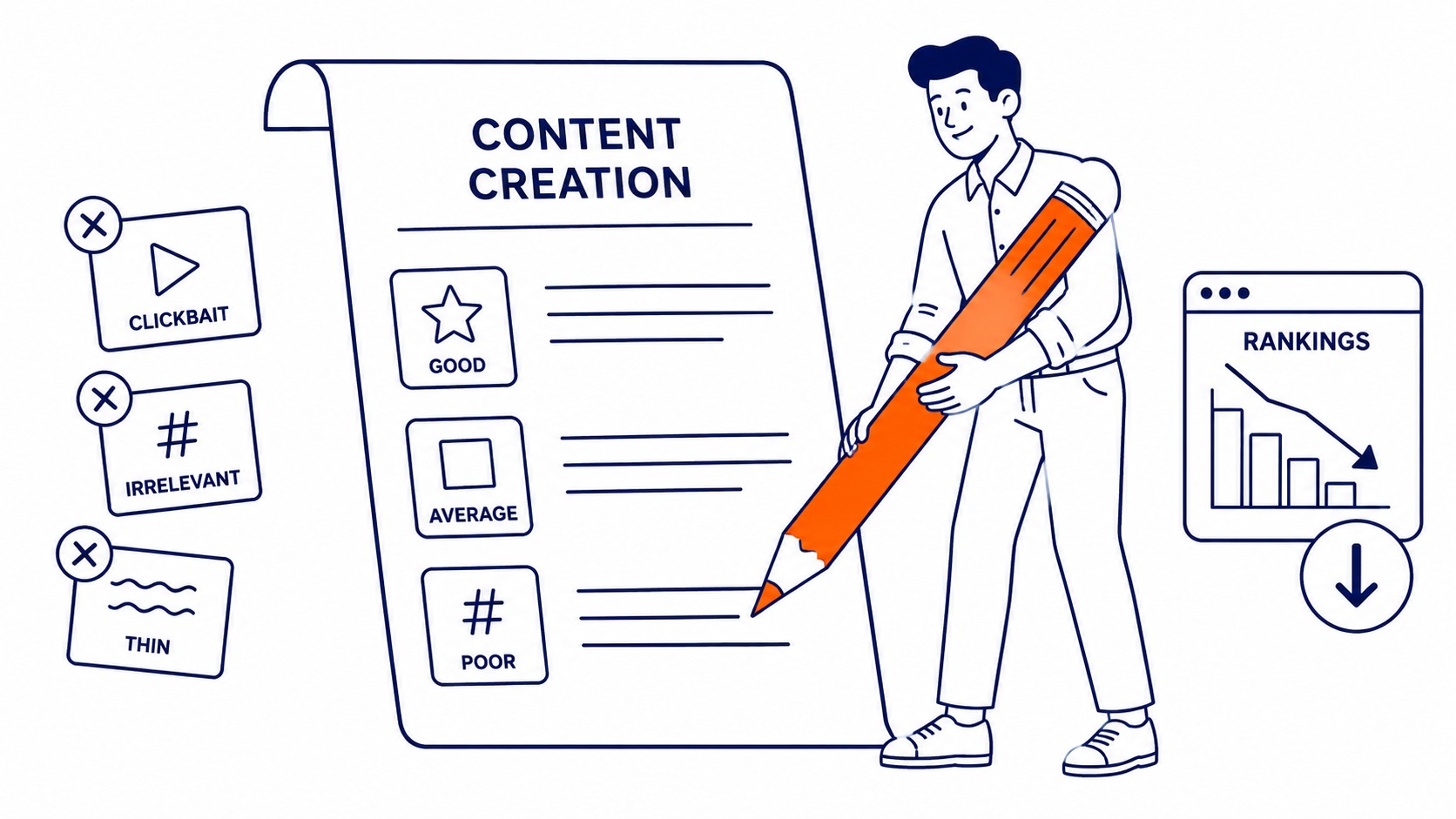
Not all content improves rankings.
Content is often pitched as the primary SEO service, though it rarely works in isolation. Publishing blog posts without keyword targeting rarely moves competitive rankings. Posts without technical foundations produce the same result. An internal linking plan matters equally.
Content built around specific search queries works. Written with enough depth to answer the question better than what currently ranks. That is what earns positions.
The question comes up every few months from clients. Does word count matter? Roughly. Longer is not better by default. More thorough is better. A 1,200-word page that fully answers a question will outrank a 3,000-word page that circles the same point five times.
Google’s quality signals increasingly favour topical depth over publication frequency. A site with twelve well-researched pages on one specific topic will often outrank a site with 200 thin posts in competitive verticals. Depth, therefore, still wins over volume.
Content that earns rankings also needs internal linking. New pages that lack references from existing pages start from zero domain authority. Building those links into the content plan from the start is still faster than adding them retroactively.
Strong content also earns backlinks from other websites over time. That link-earning loop matters for long-term authority.
Link Building
Credibility signal search engines rely on.
Backlinks from credible external sites remain among Google’s strongest ranking factors. A link from a relevant, high-authority domain tells search engines your content is worth citing. Enough of those, and domain authority accumulates across your entire site, though the pace is slow and the work is unglamorous.

High-quality backlinks come from earned placements. Industry directories. Editorial coverage. Supplier pages. Local business associations. Guest posts in trade publications. Link farms produce short-lived results. Comment spam triggers manual review. Paid link schemes risk penalties.
The last category warrants a direct mention. Paid links and black hat schemes produce short-lived rankings. The risk is still a manual penalty from Google. Recovering from a manual action still takes months, sometimes longer.
Worth asking any SEO company directly. How are backlinks sourced? What sites are targeted? Push for specifics. Vague answers on this question are still a meaningful signal.
To-The-TOP! uses White Hat methods only. No paid placements, no link networks. Nineteen years in this market, zero manual penalty history with any client.
Link-building is also still the slowest part of the work. Earned placements take time. Domain authority accumulates gradually. Clients who expect visible backlink growth in the first thirty days are still in the wrong timeline. Three to six months is where the curve starts to show.
Local SEO
Map results decide many clicks.
Google Business Profile is the foundation of local search visibility. A complete, verified profile outranks profiles that are present but untended. Accurate NAP data matters. Consistent service categories matter. Recent photos matter. Active review responses matter.

NAP consistency, however, is the piece most local businesses overlook. Name. Address. Phone number. All three need to appear identically. Google Business Profile. Bing Places. Apple Maps. Every relevant industry directory. Any mismatch weakens the local ranking signal. Google reads conflicting citation data as uncertainty about where the business is.
Local SEO also means optimising your website for geo-modified searches. “Plumber Calgary” versus “Plumber.” The former shows location intent. Pages that include specific neighbourhood references capture intent that generic pages miss.
Customer reviews also feed the local algorithm. Volume matters. Recency matters. Owner responses contribute too. A business with forty reviews averaging 4.7 stars outranks a comparable business with eight reviews at the same score.
Google Maps is also often where the click decision happens. The organic results below the map pack may never get seen. That is why SEO for real estate agents leans so hard on the profile. Map pack aside, a walkthrough for improving SEO covers the pages underneath it too.

E-Commerce SEO
Different rules for online stores.
A retail site with ten thousand product pages, for instance, faces crawl budget constraints that a fifty-page service site never encounters. Product page optimization. Category architecture. Faceted navigation conflicts. Structured data for products and reviews. E-commerce SEO addresses all of them.
Duplicate content from product variants is also a persistent problem. Size and colour variations generating separate URLs with nearly identical content. Search engines struggle to pick which version to rank. The result is diluted authority across multiple URLs.

Priority order for online stores. Get the category pages ranking first. Category pages carry broader search intent. Higher volume. More stable positions. Product pages convert. Category pages drive the traffic that feeds those conversions.
SEO Reporting
What the numbers actually should tell you.
Most agency reports bury the signal in vanity metrics. Impressions alone are not business outcomes. A ranking moving from position eleven to position nine is not news.
Ranking shifts. Traffic changes. Conversion performance. Those three, however, still belong in one report, with context for what changed and a flag on what comes next in the campaign.
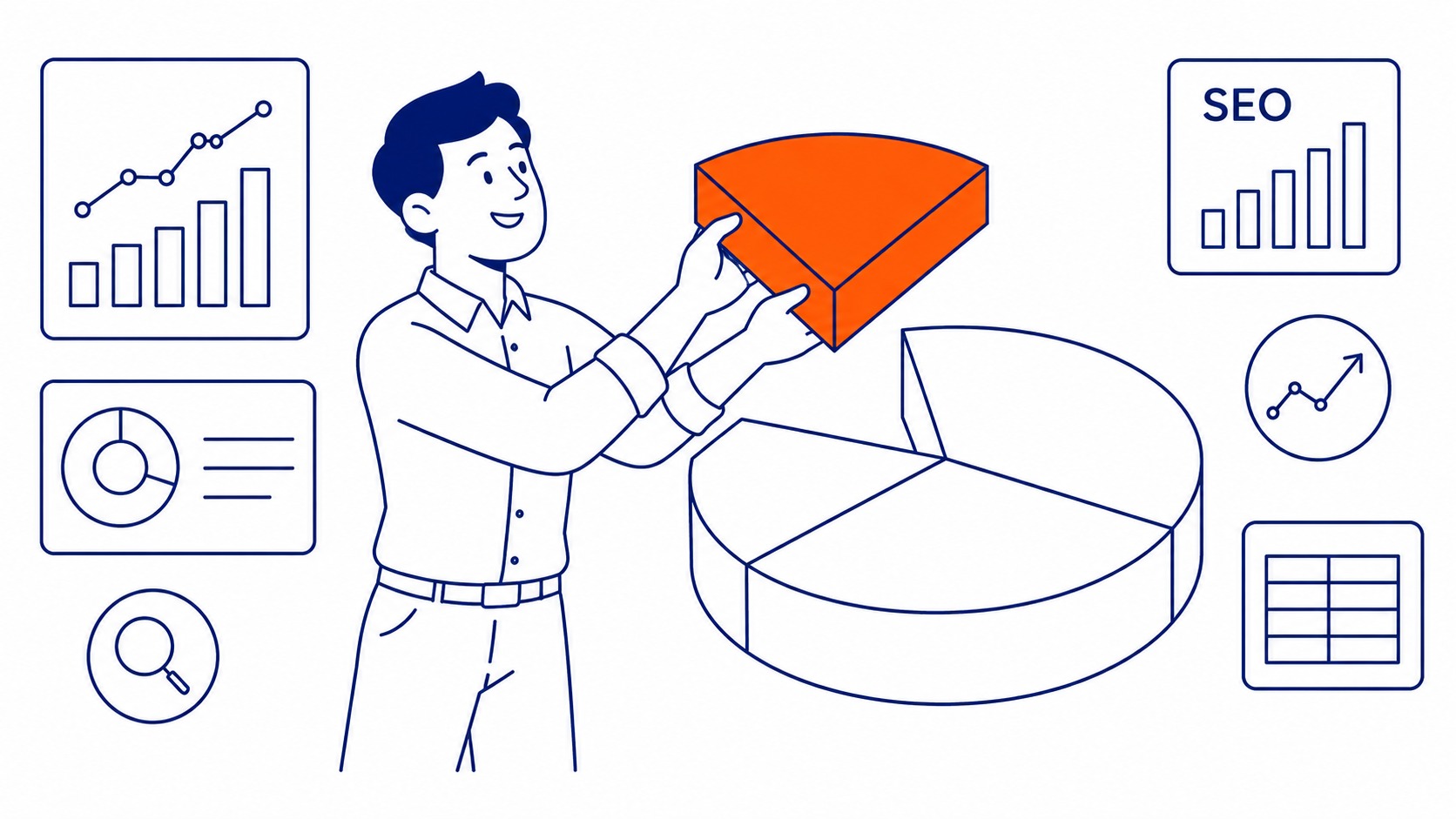
Google Analytics and Search Console are the primary tools. Search Console shows which queries generate impressions. Which pages earn clicks. The gap between impressions and clicks reveals where a title tag or meta description is underperforming. Google Analytics also shows whether the traffic arriving from search actually converts.
Monthly reporting should also track competitor movement. A direct competitor dropping from position three to position nine in one month is information worth understanding. SEO is not a static activity. The campaign adapts to what competitors do, though most businesses do not bother watching until it is already too late.
Is SEO Dead or Evolving in 2026?
Still very much in play.
AI Overviews now appear above organic results for many searches in Google. Business owners already raised the same question through 2025 and into 2026. If AI answers the question, does anyone click through to the source?
Early data suggests otherwise. Traffic to sites cited in AI Overviews holds or grows. Sites not cited, however, lose impression share from those queries.
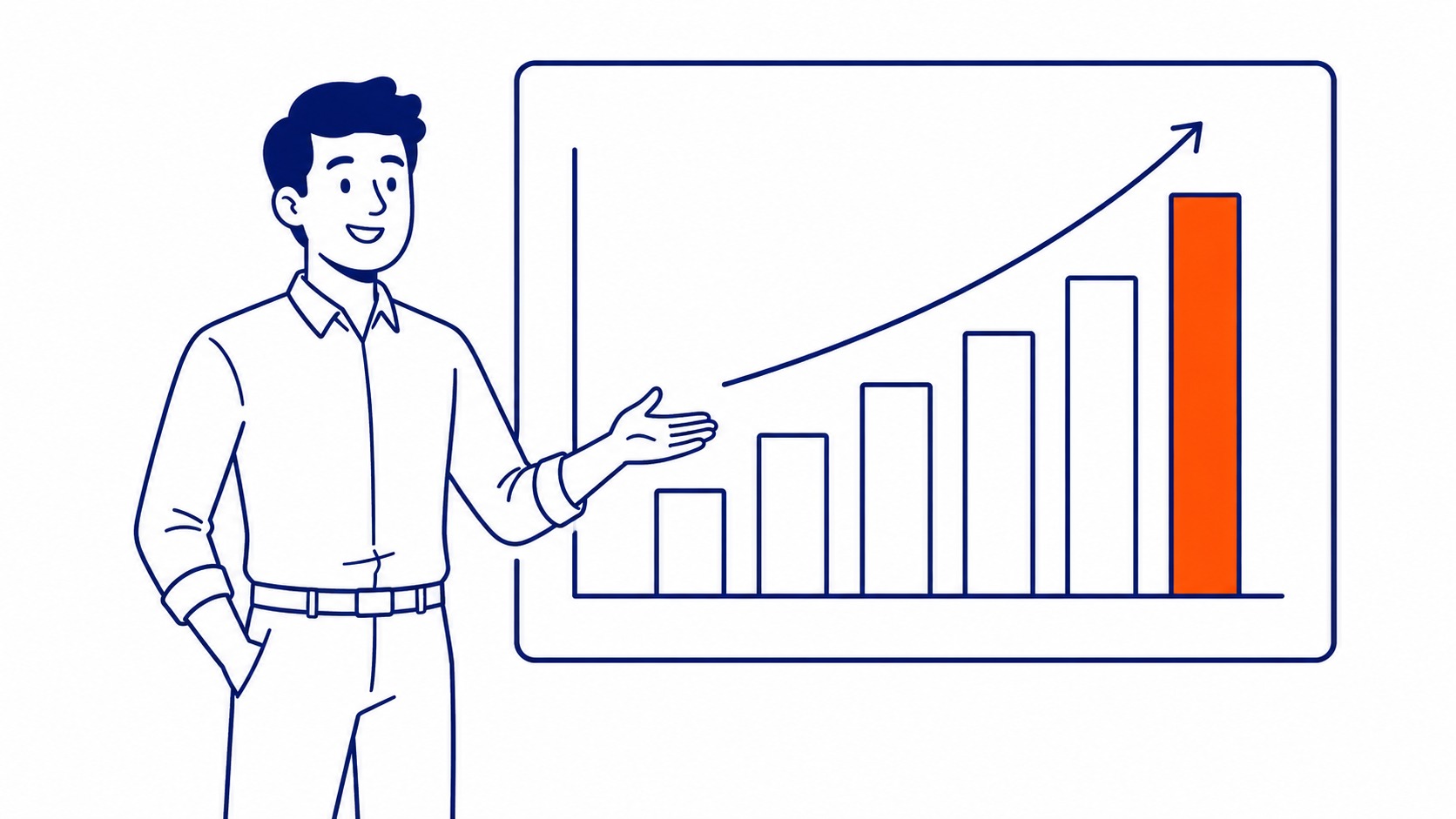
The implication is clear. Topical authority and content depth matter more now. AI Overviews pull from established, authoritative sources. A site with thin content and few referring domains simply does not get cited. The same signals driving traditional rankings drive AI Overview eligibility.
Conversational queries are also growing. Longer questions. More specific intent. Local context grows with them. Keyword research methods are already adapting to this shift. The underlying need for content matched to search intent has not changed.
To-The-TOP! still manages clients who have ranked for the same Calgary terms since 2013. Yet dozens of algorithm updates have passed. Campaigns adapting to each update continue to hold those positions.
What an SEO Service Actually Includes
Not every agency includes the same scope.
A technical audit at onboarding is not universal. Some providers skip it and go straight to content production or link outreach. Still, missing technical issues early means building rankings on a cracked foundation. The content and links do their job, but crawl problems still suppress the result.
Keyword research quality also varies widely. Volume data without intent mapping produces traffic that does not convert. Most industries have a primary query and a dozen buyer-intent variants. A thorough research pass surfaces both. Shallow passes miss the variants that convert at the highest rates.
Reporting depth also differs across providers. A PDF of keyword positions delivered monthly without context is not useful. Useful reports connect changes to causes and flag what comes next.

The local SEO services Calgary page covers what To-The-TOP! includes in each engagement. Worth reviewing before comparing providers.
Push on specifics before committing. Ask for a sample report. Find out what months one through three look like. Ask specifically how link-building placements are selected.
Questions Worth Asking Any SEO Company
Worth reading before you sign.
What does the technical audit cover, and does it happen before anything else starts? Serious providers run it first.
How is keyword research done? Does it factor in buyer intent? Volume without intent produces traffic that does not convert.
How are backlinks sourced? Who selects the target sites?
What does monthly reporting include? Ask to see an actual sample report before committing.
What results have you produced for clients in competitive markets? Can I speak with one?

SEO takes time. Three to six months before meaningful movement is still the realistic timeline for most competitive markets. Anyone describing faster results is likely describing paid advertising, not search engine optimization. Worth clarifying before signing anything.
To-The-TOP! also handles Google Ads management for clients who need traffic faster than organic search can deliver. The two channels are not mutually exclusive. They serve different timelines. If budget allows, running both simultaneously produces results in the short term while organic builds in the background.
SEO Services FAQ
What are SEO services examples?
Keyword research. On-page optimization. Technical SEO audits. Content creation. Link building. Local SEO management. Monthly reporting. Those are the main categories. Some providers also include conversion rate optimization and Google Analytics configuration alongside core search work.
What does the SEO service include?
Depends on the provider and the package level. A complete engagement covers an initial technical audit. Keyword research mapped to business goals. On-page optimization of existing pages. New content production. Link-building outreach. Local SEO management where applicable. Monthly reporting with context on what changed and why. Many packages include only a subset of that. Ask specifically what is and is not in scope before signing.
Is SEO dead or evolving in 2026?
Evolving, still active. The SERP format has shifted. AI Overviews appear above organic results. Featured snippets intercept informational searches. Local pack prominence has grown. Organic rankings still drive substantial traffic and conversions for sites with topical authority and strong technical foundations. Search engine optimization methods evolve with each algorithm update. The value of earned search visibility has not disappeared.
Contact Calgary SEO Company To-The-TOP!
Questions about anything in this article, or about your own rankings? Talk to a Calgary SEO specialist directly.
Phone: (403) 308-5949
Address: 1509 14 Ave SW, Calgary, AB T3C 0W4
Hours:
Monday to Friday: 10:00 am – 7:00 pm
Saturday: 12:00 pm – 4:00 pm
Sunday: closed
