What Is SEO Analysis?
Most business owners who call us have already tried something. Maybe they ran a free checker online. Someone else sent them a PDF with a score on the cover. They want to know why their site is not showing up, however. That is the real question behind “what is SEO analysis,” and the score almost never answers it.
What they usually need, however, is something more specific. A clear picture of what is working. Sharper clarity on where the gaps are. SEO analysis is a structured process for examining your website to understand exactly that. Not a single tool check. Nothing as simple as a score from 0 to 100. Structured examination of your website, from what search engines can read to how your pages compare against what already ranks.

We have been running these reviews since 2007. The findings look different every time. Same three gaps keep appearing, however. Technical barriers Google cannot crawl past. Material that does not match what searchers actually want. A backlink profile too thin to compete. This review finds which of those three is costing the most right now.
What the Analysis Looks At
Three layers, addressed in order.
Technical health sits first, because problems there block everything else. On-page signals come second. Copy quality. Keyword targeting. Headings and meta descriptions. Off-page signals come last. Backlinks. Domain authority. What competitors have built that your website has not.

Miss the technical layer and the rest of the work does not matter. Search engines cannot rank a page they cannot read.
Technical Health: the First Pass
Crawlability first.
Search engines discover your pages by following links. A misconfigured robots.txt blocks crawlers outright. Missing sitemaps hide pages from discovery. Redirect chains that loop or lead nowhere stop indexing before it starts. Rankings also suffer as a result.

After crawlability, page speed. Core Web Vitals measure three performance signals. Load speed. Interactivity. Layout stability. Each has a published threshold. Slow pages lose visitors. Lost visitors do not convert.
Mobile performance follows. Most searches happen on phones. A site that works on desktop but breaks on a small screen is effectively invisible to a large share of users.
SSL certificate checks. Canonical tags. Structured data. URL structure. Each one gets reviewed. Indexing issues get flagged. Broken links get mapped. Redirect errors get resolved. The technical analysis works through every one. Results get ranked by traffic cost.
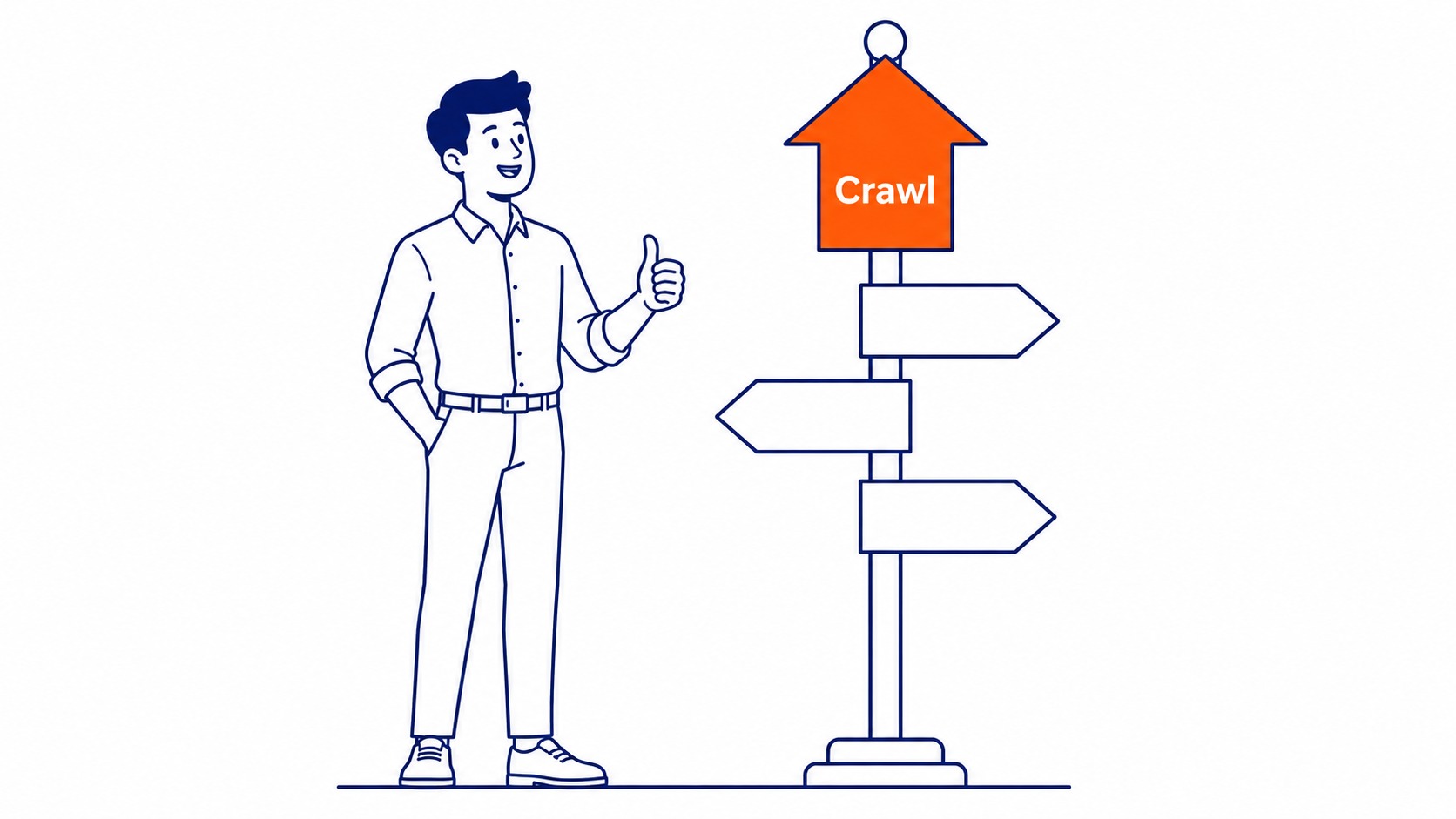
That prioritisation matters. However, not everything needs to be fixed this week. A broken link on a page with no traffic is different from a crawl block on your main service page. Technical SEO issues fall on a spectrum, and the analysis tells you where each one sits. Fixes here have the broadest reach, since a crawl problem in site architecture can suppress dozens of pages at once. Pages that cannot be crawled also cannot be indexed. A page not indexed cannot rank. That chain, crawlability to indexation to ranking, is why technical SEO work comes first.
On-Page Signals: Content and Keywords
Matching pages to the right query.
The on-page review checks whether your site’s pages match what searchers are actually looking for. Keyword targeting is part of it. Which terms is each page built around? Do those terms match real search demand? Is the page deep enough to compete with what already ranks? Those three questions drive the on-page pass.
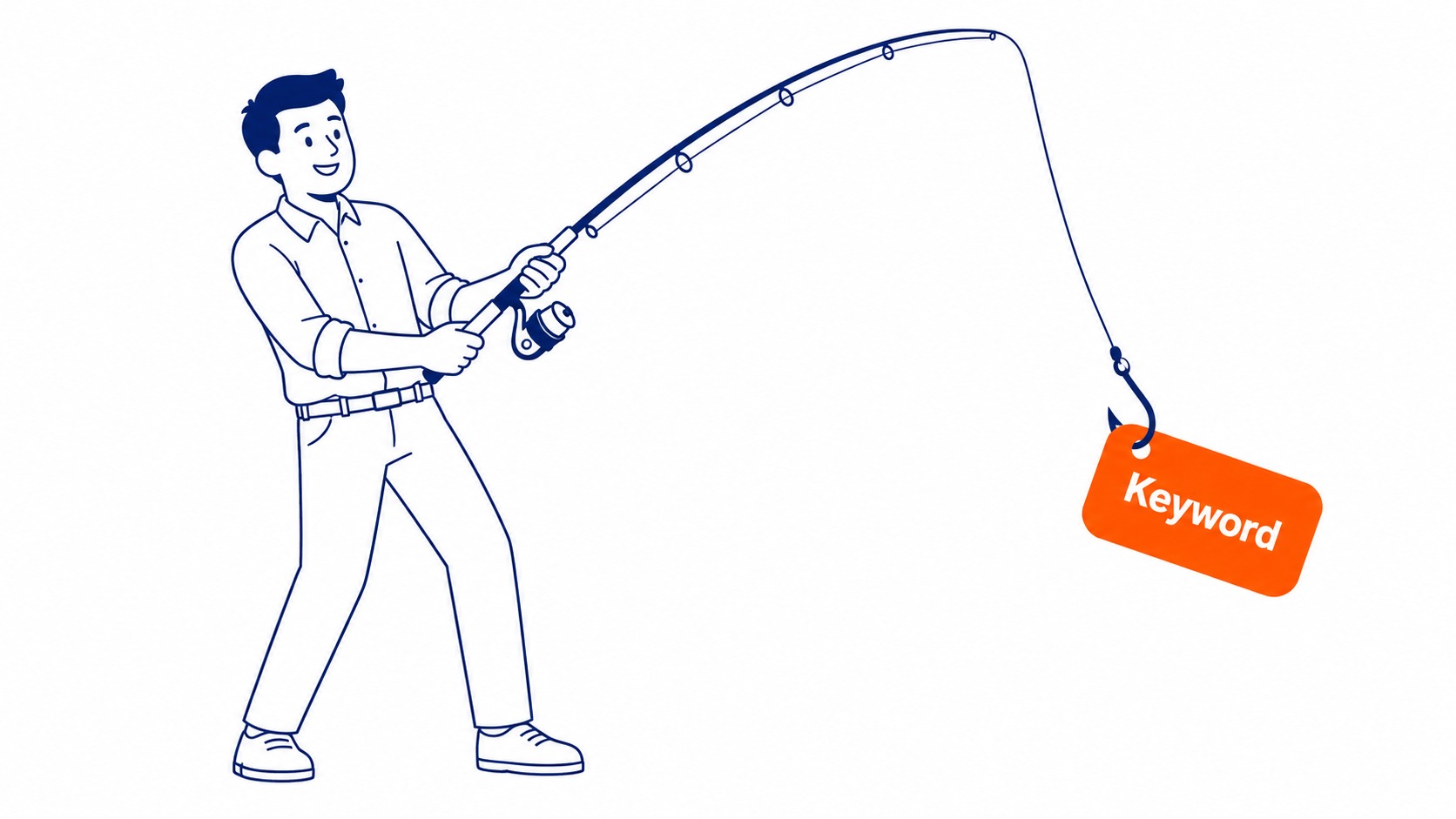
Title tags and meta descriptions tell search engines and users what each page is about. Missing or duplicated titles suppress click-through rates even when a page ranks. Heading structure organises the page for both crawlers and readers. Internal links move authority around the site and help search engines understand which pages matter most.
Thin content suppresses rankings. Duplicate content confuses crawlers. Pages that answer a different question than the one the user typed simply do not rank. Your website might have all three on different pages. The on-page pass surfaces which ones.

Topical coverage matters too. A page ranking for twenty queries is different from one ranking for just one. The on-page pass maps both and shows where to push next.
We often find pages built around keywords that nobody searches. Solid copy, wrong target. The analysis, however, catches that before more time goes in. The off-site half gets its own pass, with more on page SEO and off page covered separately.
Off-Page Signals: Links and Authority
Backlinks still matter.
A link from another website to yours is a vote of confidence in the search engine’s eyes. Not all votes carry equal weight. A link from a relevant, trusted source in your industry does more than ten links from unrelated directories. Off-page SEO is still the layer that most businesses underestimate.
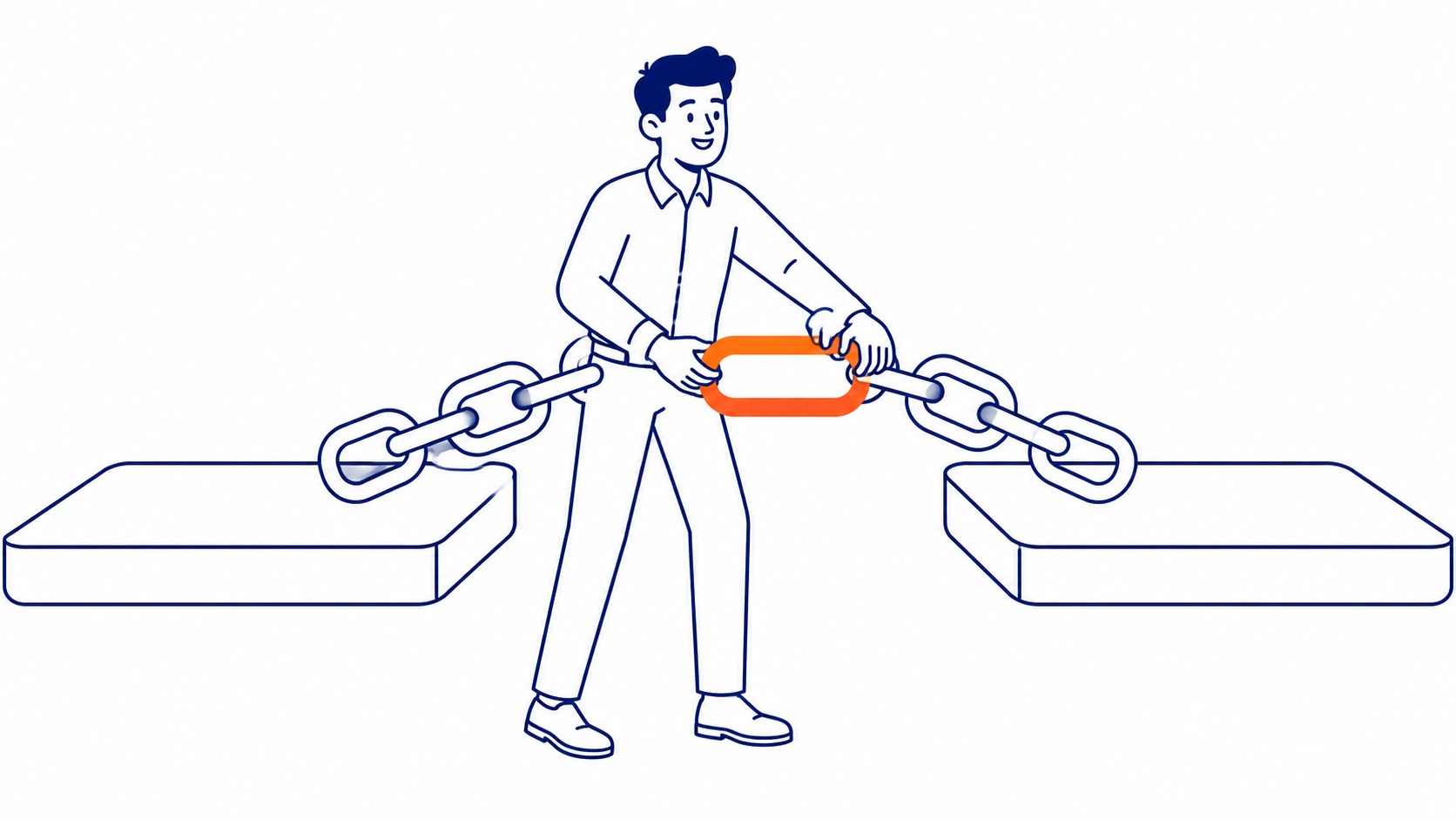
The off-page review checks the backlink profile. How many links has your website earned? Where do they come from? Toxic links from spammy sources can actively hurt rankings. Results surface those too. It also looks at what your competitors have built.
Top-ranking sites in your space might have 400 referring domains. You have 40. That gap tells you where the analysis should focus first.
Domain authority is a metric, not a ranking signal directly. Still, it correlates with backlink strength. A website with a weak backlink profile tends to struggle on competitive keywords regardless of how good the on-page work is.

Disavowing toxic links is a minor part of off-page SEO analysis but worth knowing about. Google mostly ignores them on its own. Still, a severely compromised backlink profile can warrant manual review.
Guest blogging. Digital PR. Industry directory listings. Citation building for local businesses. The analysis tells you which lever is worth pulling first. Off-page SEO work compounds over time, so starting with the highest-impact items matters.
Google Search Console in the Analysis
Free data. Most sites underuse it.
Google Search Console surfaces which queries your pages appear for in search results. Results also show which of those earn clicks. Impressions without clicks are visible there, and they often tell you more than the click data itself.
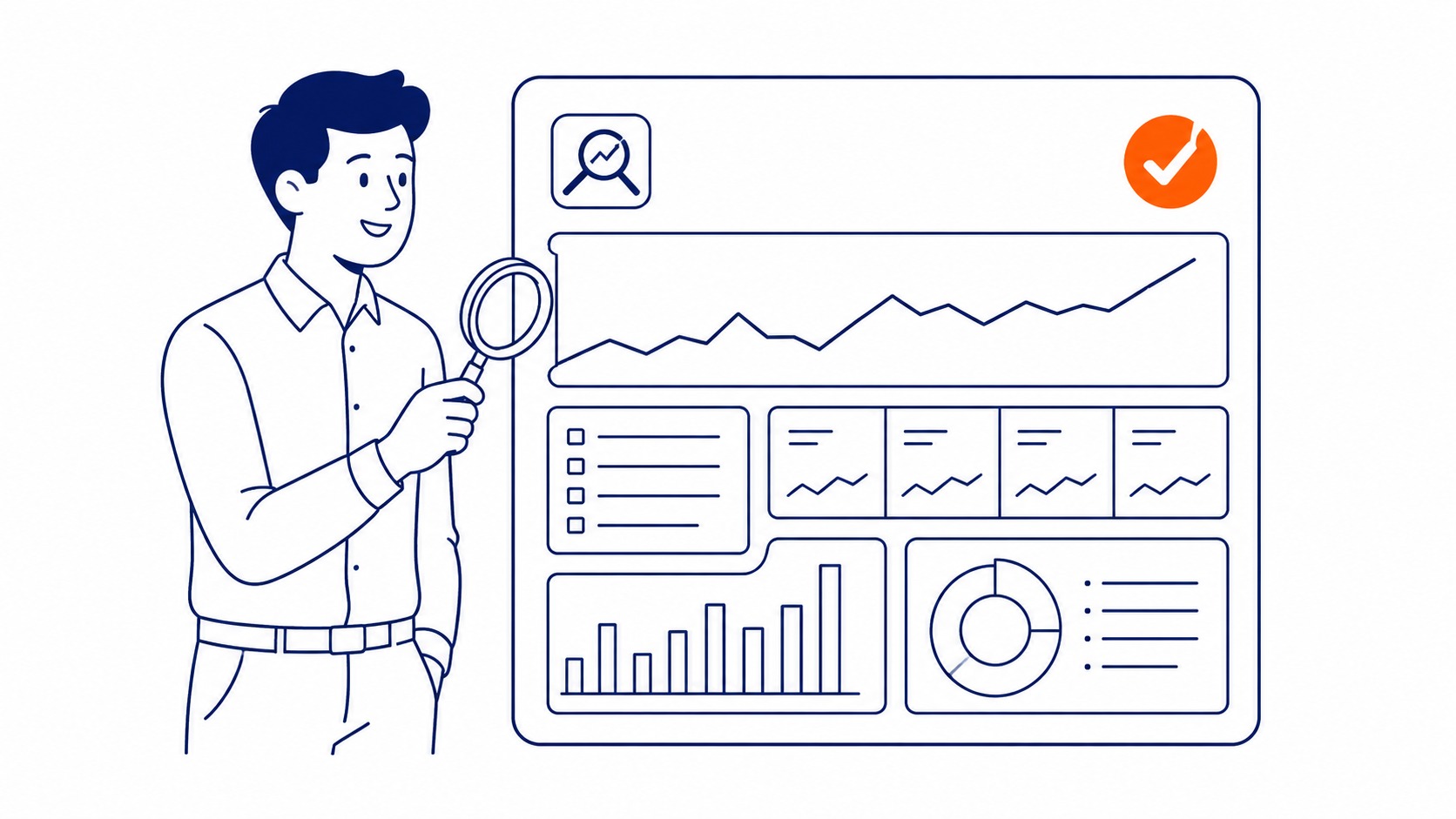
That gap, impressions without clicks, often points to positions 9 to 15. Close enough to reach the first page. Far enough that most searchers never see you. Closing those gaps is often the fastest path to better search performance without producing new content.
Coverage errors live in Search Console. Core Web Vitals reports too. Mobile usability problems get flagged in the same dashboard. An SEO analysis draws on this data alongside tools like SEMrush and Ahrefs to build a complete picture. What crawlers actually see is in there. Competitive and backlink data gets filled in by third-party tools.
Competitor Analysis: What the Gap Reveals
Your site does not rank in isolation.
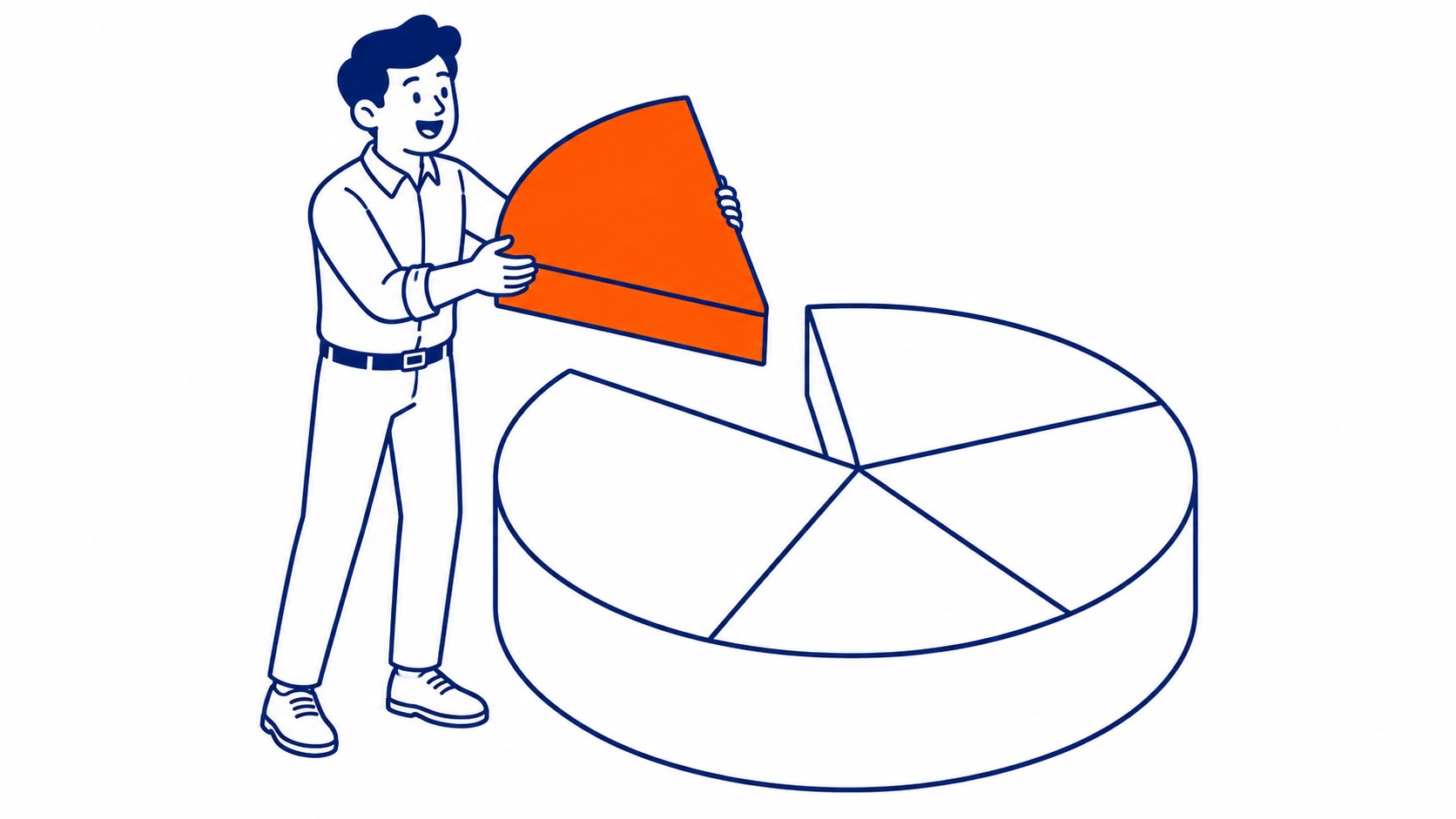
This process looks at what the sites ranking above yours have in common. Which topics do they cover that your site does not? Their coverage depth on those queries also matters. How many backlinks have they earned from relevant sources? The answers define what the work needs to address.

This is how a good Calgary SEO expert takes an analysis from diagnosis to direction. Knowing your site has weak backlinks is only useful if you also know what your competitors built and how. The gap between where you are and where they are defines the search positions you are trying to close.
We have seen technically clean sites stuck at page three. Every competitor above them had spent years building topical depth and links. Technical work was already done. What was missing was depth and authority. The analysis showed both. That is competitor analysis in SEO earning its place in a report.
Analysis vs. Audit
Often used as interchangeable terms.
In practice, the difference comes down to scope. An SEO audit is usually a one-time technical review. Crawl the site, flag errors, produce a report. The analysis is broader. Content gaps get examined. Off-page signals get measured. Competitive context gets mapped. Technical health is just one part.
At SEO Company To-The-TOP!, a website audit is the technical component. It feeds into the larger analysis. If someone asks for the full review, we cover all three layers. Technical first. On-page next. Off-page last. The competitive picture wraps around all three.
Worth asking any provider, though, what the review covers and what it does not. The gap between an SEO audit and a full-scope analysis can be significant depending on who runs it.
How Often Should You Run It?
Not a one-time event.
Search algorithms change. Competitors publish new content. Backlink profiles shift. A site that ranked well in January might have a technical issue by March that nobody caught. Regular analysis is how you stay ahead of that, rather than chasing problems after they affect traffic.

For most Calgary businesses that hire us as their search engine optimization company, the full analysis runs at the start of the engagement. Then again at intervals as work progresses. At minimum, quarterly. Larger sites need it more frequently. If competition is aggressive, quarterly might not be enough.
Monthly reporting tracks movement. The periodic analysis, however, goes deeper. Is the strategy still pointed at the right targets? Has anything changed in the competitive landscape? Those are the questions it answers. Technical SEO changes alone can warrant a mid-cycle check.
Tools Used in a Professional SEO Analysis
Tools assist. Judgement decides.
Google Search Console is free. It shows you which queries your website appears for. Indexing issues get flagged there too. Search Console tells you about Core Web Vitals scores and which queries already generate impressions. SEMrush maps the competitive keyword landscape. Ahrefs shows who is linking to your competitors and what anchor text they use. Screaming Frog finds technical errors at scale. GA4 connects search performance to traffic and conversion behaviour. Not every tool is necessary for every site. A small local business needs different coverage than a large e-commerce site. The tools used in a professional SEO analysis should match the scope and competitive context of the work.

No single tool, though, gives you the full picture. A professional review draws on several. Data then gets cross-referenced. Experience decides what to prioritise. We have run SEO keyword research and full site analyses for clients since 2007. The tools have changed considerably. Core questions, however, never changed. What is blocking performance. Where the gaps are. Which lever will move the needle fastest.
Want to know where your website stands? The SEO work we do at To-The-TOP! starts with exactly this kind of review. Our portfolio shows what that work has produced for clients over time. An SEO audit is often the starting point; for clients with existing sites, the full analysis covers considerably more ground. For businesses running paid and organic search together, Google Ads management is worth looking at alongside this review. Anyone new to this should start with SEO in plain terms.
Frequently Asked Questions
What is SEO analysis?
Structured review of a website’s performance in search. Three layers get examined in order. Technical health first. On-page signals second. Off-page signals last. The goal is to find what is holding search performance back and what competitors are doing that your site currently is not.
Can I do an SEO analysis by myself?
Parts of it, yes. Google Search Console is free and gives real data on which queries your website appears for. Indexing issues show up there too. Tools like Screaming Frog have free tiers that crawl small sites. The harder parts, competitive backlink comparison and strategic prioritisation, take experience to read correctly. Most business owners get the data but not the interpretation.
Is SEO difficult to learn?
The fundamentals are not difficult to understand. Technical SEO has a steeper curve. Server configs take time to learn. So does crawl budget management and structured data implementation. The biggest challenge with SEO is not learning it. It is the time it takes to see results and the ongoing work required to maintain them. Three to six months before meaningful movement is the realistic timeline for most sites. Learning what to do is only the beginning. Sustaining your rankings over months, however, is where most of the work lives.
Contact Calgary SEO Company To-The-TOP!
Questions about anything in this article, or about your own rankings? Talk to a Calgary SEO specialist directly.
Phone: (403) 308-5949
Address: 1509 14 Ave SW, Calgary, AB T3C 0W4
Hours:
Monday to Friday: 10:00 am – 7:00 pm
Saturday: 12:00 pm – 4:00 pm
Sunday: closed
