
Are SEO Tools Worth It?
Ahrefs runs $129 a month on the cheapest plan. SEMrush sits close behind. Add Screaming Frog, a rank tracker, maybe Moz on top. The bill adds up fast, and most business owners never open half of what they pay for.
Some of that spend earns its keep. A chunk of it does not. The difference comes down to whether anyone on staff actually reads the reports the tool generates.
SEO tools promise data. Whether that data turns into real SEO progress still depends entirely on who reads it.

What Counts as SEO Tools
Keyword research platforms. Rank trackers. Site crawlers that flag broken links and duplicate title tags. Backlink databases. Each does one job well. None of them write content. A slow page still needs a person to fix it, and a client still needs someone to explain the strategy behind it.
Every subscription buys data. It does not buy a strategy. Confusing an SEO tools purchase for an SEO strategy is the most common mistake owners make. That distinction gets lost in the sales pitch every single time. Where do SEO reporting tools fit in that lineup? Picking the best SEO software still comes after the strategy, not before it.

The Free Tier Covers More Than People Assume
Google Search Console shows exactly which queries bring traffic, at no cost. Google Analytics tracks behaviour once visitors land. Google’s own Keyword Planner, buried inside Ads, still returns volume estimates without a paid seat.
A small local business running one service page rarely needs more than these three. Search Console alone answers most of the questions owners actually ask. Which pages rank. What dropped, and since when. Where the clicks came from last month.
Ubersuggest and AnswerThePublic cover basic keyword ideas free, with daily limits that rarely matter below a certain traffic volume. A single-location service business can run for a year on the free stack alone and never notice the ceiling.

Where Paid Tools Start Earning Their Cost
Competitor tracking changes the math. Free tools show your own site. Paid platforms show what ten competitors rank for, and how that list shifted last quarter.
An ecommerce catalog with thousands of SKUs needs a crawler that can process that volume without choking. Screaming Frog’s free version caps at 500 URLs. Past that, the paid tier becomes the only option that finishes a crawl before the site changes again.
Agencies managing multiple client accounts hit a different threshold. Ahrefs or SEMrush at scale replaces work that would otherwise take a person a full day per client, every month. That math works for an agency, since the cost splits across many accounts. It rarely works for a single business tracking its own five keywords. The SEO tools market has grown crowded enough that price alone rarely signals quality. Sticker price is negotiable too, since premium SEO tools reach smaller operators through cheaper routes.

What the Subscription Actually Buys
Backlink data costs money to compile. Crawling the web at the depth Ahrefs or Majestic does requires infrastructure most businesses could never justify building themselves. The subscription price reflects that cost, not padding.
Historical ranking data works the same way. A rank tracker running daily checks across a keyword list for months builds a dataset no free tool replicates. That history matters when a site drops and someone needs to know exactly when it happened.
None of it matters without someone reading the output. A dashboard full of unread reports is a cost with no return attached.
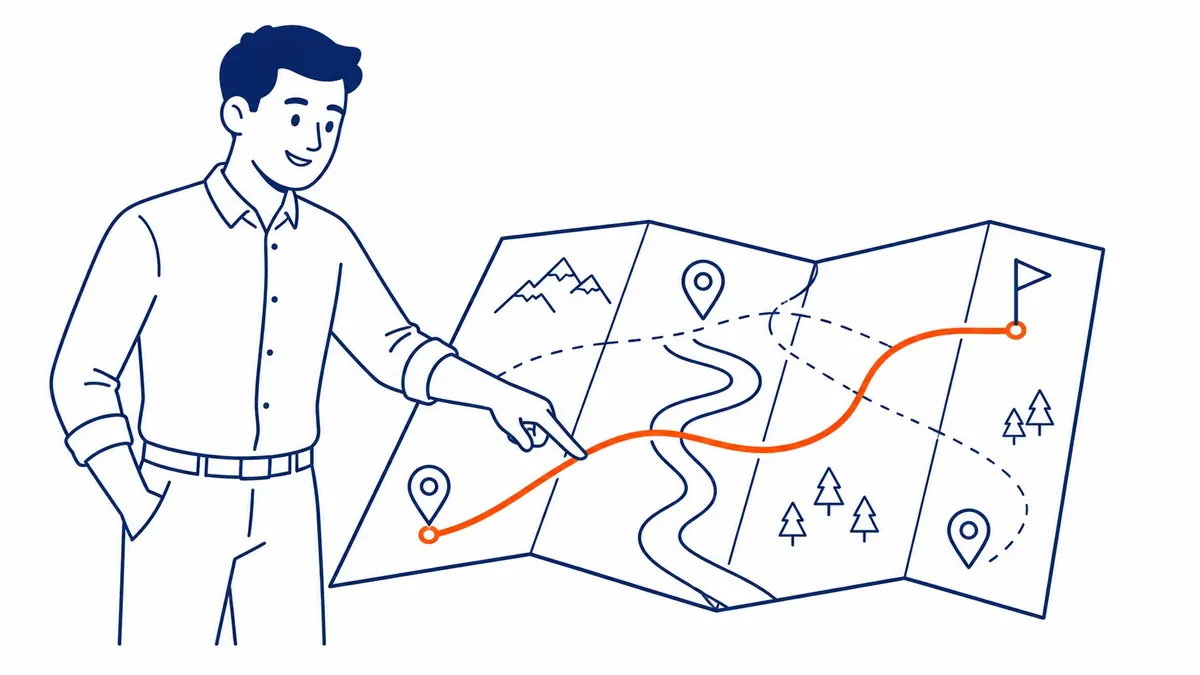
Tools Do Not Replace a Strategy
A crawler finds three hundred duplicate title tags. SEO tools flag the problem. Fixing it still falls to a person, informed by a plan for what those pages should rank for. The tool surfaces the issue. It does not solve it.
Keyword research shows search volume for a hundred terms. Picking the dozen worth targeting, and writing content that actually earns rankings for them, takes judgment a spreadsheet cannot supply. Careful keyword research narrows that hundred down to what a specific business can realistically compete for.
Buying every tool on the market and hoping rankings improve on their own rarely works out. The tools inform decisions. They do not make them.
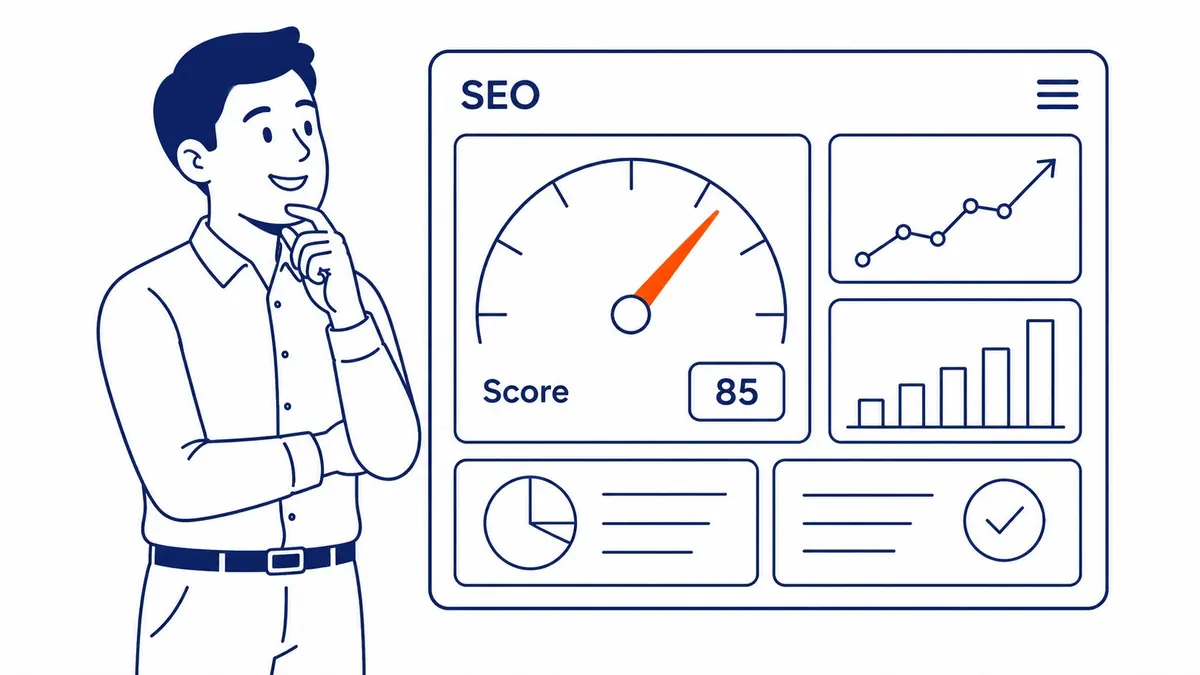
Where To-The-TOP! Fits Into This
SEO Company To-The-TOP! has run paid tool subscriptions since long before most current platforms existed, going back to 2007. One person reads every report, not a rotating account team skimming a dashboard once a quarter.
That matters because tool output means nothing without someone acting on it. A Calgary SEO client gets the interpretation, not a raw export. Rankings get tracked. Backlinks get flagged. A plan gets built around what the data actually shows, not just what it displays.
The same discipline applies on the paid side. Google Ads campaigns run on real conversion data, not guesswork borrowed from a tool dashboard built for organic search.
A free website audit answers the first question most owners actually have. Whether the site has real problems worth paying tools, or an agency, to fix.
Keyword research sits at the centre of all of this regardless of which tools generate the raw numbers. Software changes every few years. The judgment applied to its output rarely does.
Frequently Asked Questions
Do I need a paid SEO tool to rank on Google?
No. Google Search Console and Google Analytics cover the basics for free. Paid tools add competitor visibility and scale, not a requirement to rank at all.
What is the best free alternative to Ahrefs or SEMrush?
Google Search Console for your own site data. Ubersuggest for basic keyword ideas. Neither matches the competitor depth of a paid platform, but both cover a small business’s actual needs.
How much should a small business budget for SEO tools?
Zero to $100 a month covers most single-location businesses. Reserve the higher tiers for agencies or ecommerce catalogs managing volume the free stack cannot handle.
Can SEO tools alone improve my rankings?
No. Tools surface problems and opportunities. Someone still has to act on what they show, which is the part a subscription price never covers.
Contact Calgary SEO Company To-The-TOP!
Questions about anything in this article, or about your own rankings? Talk to a Calgary SEO specialist directly.
Phone: (403) 308-5949
Address: 1509 14 Ave SW, Calgary, AB T3C 0W4
Hours:
Monday to Friday: 10:00 am – 7:00 pm
Saturday: 12:00 pm – 4:00 pm
Sunday: closed