How Much Does SEO Increase Traffic?
Twenty to thirty percent within the first year. That is the realistic middle for a site with some ranking history already and a handful of pages performing. Brand new domains see far less at first. Search traffic can sit flat for a long stretch. Sites already ranking well for their main terms can double organic traffic inside a year once the technical gaps close.
Nobody hands over one flat number and means it. The real figure shifts with site age. Competition in the space matters just as much. So does the content already sitting on the site before work starts.

Realistic Traffic Growth Ranges by Site Stage
New domain, no ranking history yet. Expect flat search traffic for the first stretch, easily eight to sixteen weeks. Early movement usually shows up first on long-tail terms nobody else bothers targeting. Meaningful growth over the following year lands in a wide band. Five hundred to two thousand additional monthly visits is common. Competition swings that number hard in either direction, though.
Established site with an existing footprint changes the math entirely. Twenty to fifty percent lift is realistic in year one. That number holds once technical debt clears and content gaps close across the site.
Site already ranking on page one for its main keywords behaves differently again. Growth slows hard on primary terms sitting well already. Long-tail and related-topic traffic often adds another thirty to sixty percent, pulling in adjacent searches the original pages never touched. Site stage explains part of that spread; a closer look at domain authority explains the rest. Growth ranges make more sense once you know how traffic in SEO works.
How Long Before the Numbers Move
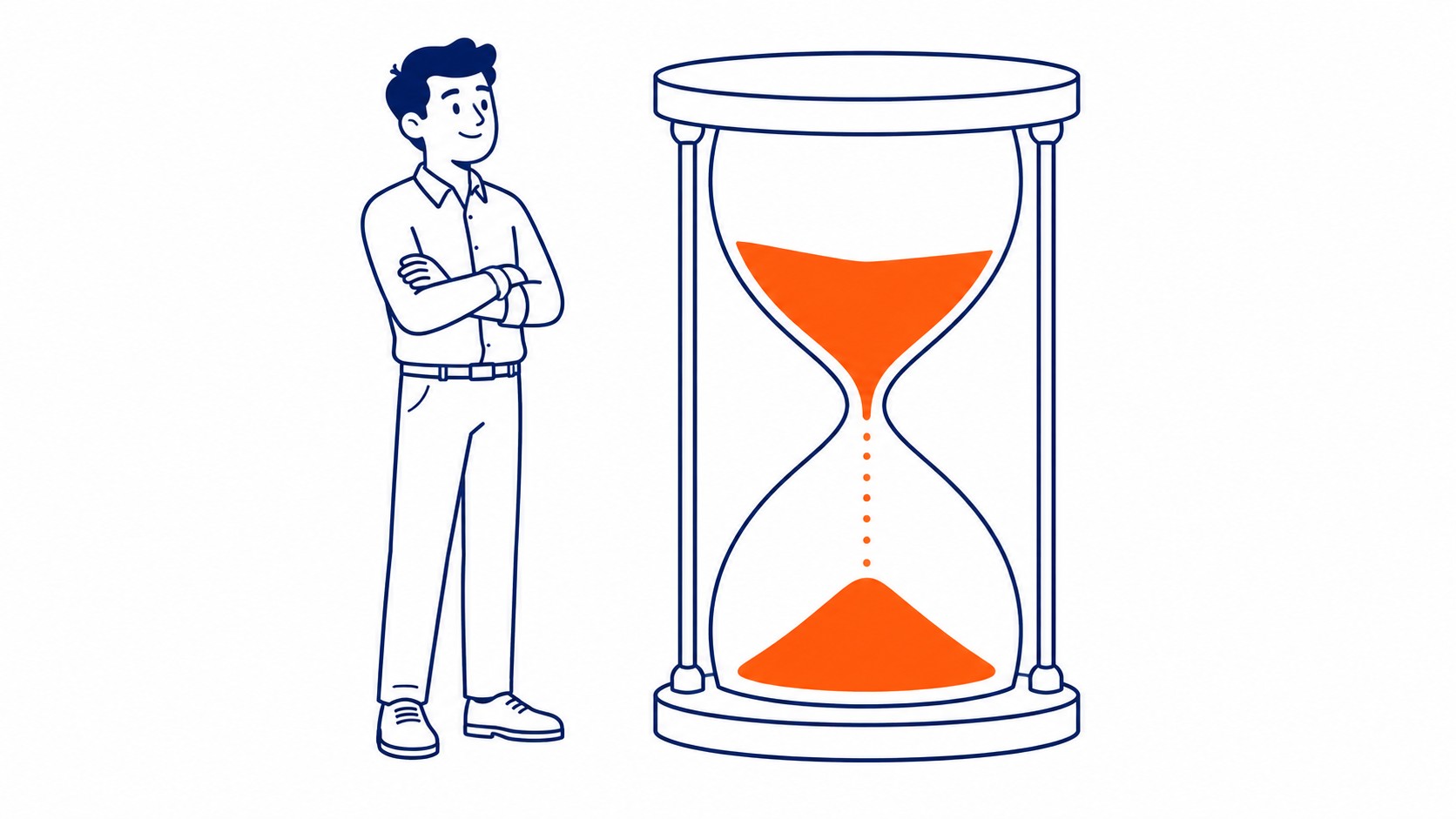
Three months minimum before any real signal shows up in Search Console. Most sites need six to nine months before the growth curve bends upward with confidence. A year is the realistic range for anything beyond early movement on easy long-tail terms.
Competitive niches push that timeline further out. Legal searches. Medical searches. Financial searches in major cities all move slower, often twelve to eighteen months before organic traffic climbs with any confidence. Traffic moves first; the wait for SEO ROI runs a few months behind that.

What Actually Determines the Size of the Increase
Competition sets the ceiling before anything else does. A local service business chasing a handful of terms with weak competition sees faster movement. National brands fighting for one saturated keyword wait much longer for the same lift.
Built up over years, domain authority compounds quietly in the background. A site with a decade of history and existing backlinks moves faster. Even against identical content quality, a domain registered last month waits longer for the same result.
Content volume matters more than most owners expect going in. Thin sites with a handful of pages plateau fast. A dozen pages covering the same three topics rarely pulls new visitors past month six. Sites publishing consistently, covering real search intent instead of guessing, keep adding traffic months after the first pages went live. The gap between the two approaches widens every quarter, not just in the first year.
Technical baseline decides whether any of the above even shows up in the numbers. Slow load times cap gains on their own. Broken indexing does the same. Duplicate content adds another ceiling, no matter how strong the content strategy looks otherwise.
How to Measure the Increase Without Guessing
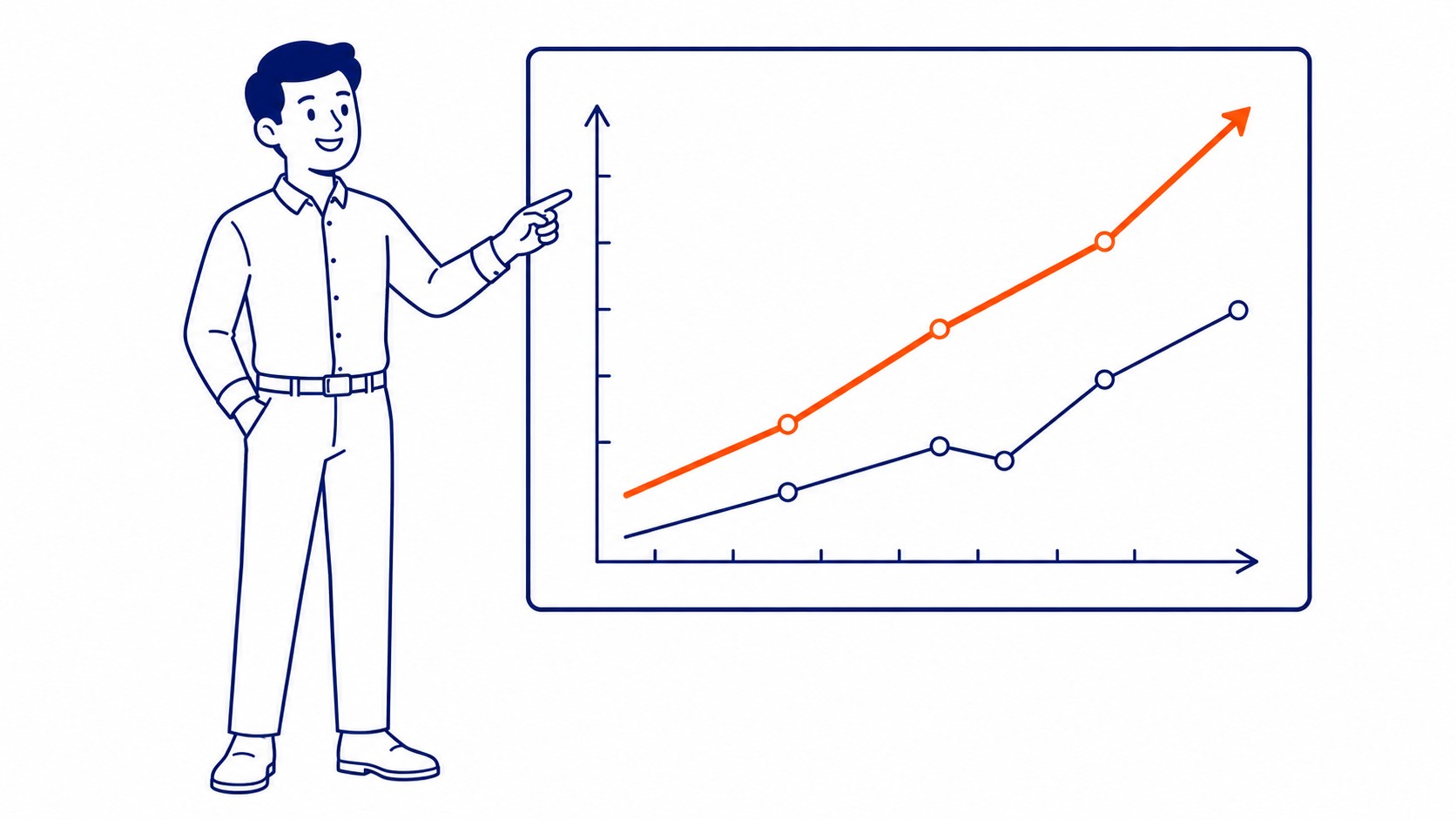
The clearest before-and-after picture comes from Google Search Console, filtered to the exact date range being compared. Impressions climbing before clicks do is normal. Rankings improve first. Clicks follow once positions cross into the first page.
GA4 tracks the traffic itself once it lands on the site. Breaking it out by channel matters most here. Paid campaigns and social referrals should never get credited to organic work they had nothing to do with.
Comparing year over year matters more than short-term swings for SEO specifically. Search volume shifts by season on plenty of keywords. A quick snapshot comparison reads like decline when nothing actually changed.

How To-The-TOP! Approaches This
SEO Company To-The-TOP! sets expectations against Search Console data before a client ever signs. That number is never a stock percentage pulled from a case study for a completely different market. Nineteen years of watching this pattern across every core market To-The-TOP! serves means the range quoted upfront usually holds close to reality.
A Calgary SEO client with an existing site and a handful of ranking pages sees real movement early. The twenty-to-fifty range typically plays out over ten to twelve months. Newer domains get told the truth about the flat months coming before month four. No rosier number gets offered just because it sounds better in a pitch.
Traffic growth and Google Ads management work well together for businesses that cannot wait out the organic timeline alone. Paid traffic fills the gap while search engine optimization work compounds in the background. A full SEO audit usually surfaces the technical ceiling holding a site back before any traffic number gets promised at all.
Frequently Asked Questions
Can SEO Increase Traffic by One Hundred Percent?
Doubling organic traffic in a year happens sometimes. Usually on sites that already had ranking history and fixed a real technical problem holding them back. Brand new domains rarely see that kind of jump inside twelve months.
How Much Organic Traffic Increase Counts as Normal in Year One?
Twenty to fifty percent for an established site with some content already live. Lower for a brand new domain still building its first backlinks and its first indexed pages.
Does More Content Always Mean More Traffic?
Not on its own. Thin pages covering the same intent as five hundred other sites add little. Content answering a specific question nothing else covers well tends to move the needle fastest.
Can Traffic Increase While Rankings Stay Flat?
Traffic can increase while rankings on old pages stay completely flat. New pages ranking for terms the site never targeted before typically drive it. Average position on established pages holds steady while total traffic climbs from pages that did not exist six months earlier.
Contact Calgary SEO Company To-The-TOP!
Questions about anything in this article, or about your own rankings? Talk to a Calgary SEO specialist directly.
Phone: (403) 308-5949
Address: 1509 14 Ave SW, Calgary, AB T3C 0W4
Hours:
Monday to Friday: 10:00 am – 7:00 pm
Saturday: 12:00 pm – 4:00 pm
Sunday: closed