How the Best SEO Agency Drives Ecommerce Sales
A ranking is not a sale. That gap trips up more catalog sites than any technical bug ever does. Real seo agency work on an ecommerce account does not stop at page one. It changes what happens after the click. Which page the shopper lands on. How fast that page loads. Whether the schema on it even qualifies for the rich result driving the traffic in the first place.
Most of what separates a strong ecommerce engagement from a generic one lives below the surface. Category architecture. Faceted navigation rules. Product schema that stays accurate as prices change weekly. None of it looks like content work from the outside. All of it moves ecommerce sales more than another blog post does.

Category Pages Carry the Ranking Weight
Product pages churn constantly. Items sell out, get replaced by next season’s version, vanish from the catalog entirely without warning. Category pages stay put. They earn the bulk of the organic traffic on most stores we have audited. That traffic comes bundled with link equity. The kind that keeps a catalog visible after half the products on it go out of stock.
A competent seo agency builds category architecture before it touches a single title tag. Parent categories. Subcategories. Cross-category collections for something like gifts under fifty dollars or winter running gear. That structure decides which pages can even compete for the commercial searches actually driving revenue. Skip it, and product pages end up fighting for rankings they were never built to win.
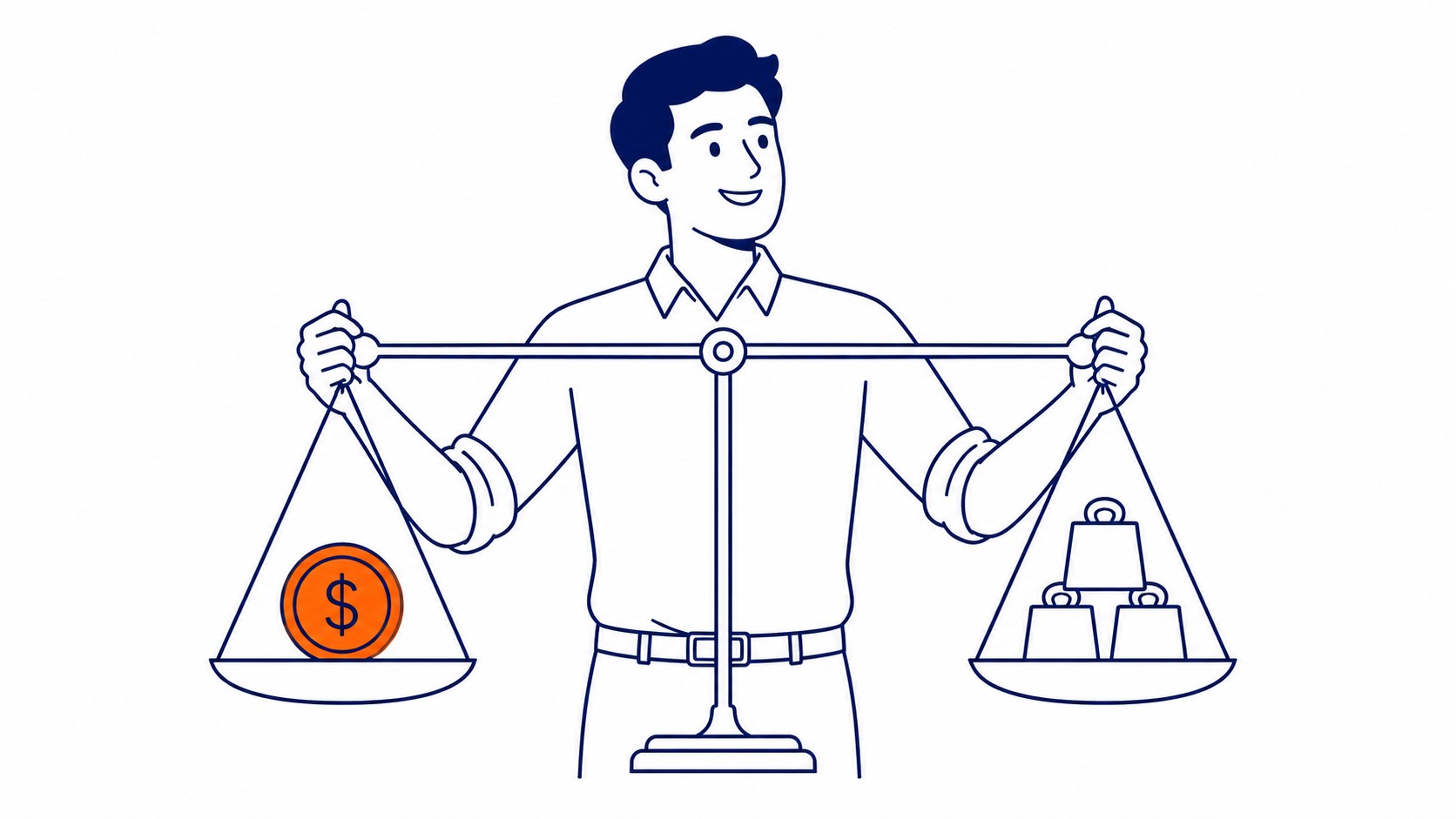
Faceted Navigation Without Wrecking Crawl Budget
Size filters. Colour filters. Price sliders. Combine three filters on a mid-size catalog. One product can spawn dozens of crawlable URL variants. Most of them near-duplicates of a page that already ranks fine on its own.
Google only crawls so much of any site in a given window. Waste that budget on filtered junk and new product pages sit unindexed for weeks. A canonicalization plan. Parameter handling set up properly in Search Console. A clear rule for which filter combinations earn their own indexable page and which ones simply redirect. That work happens before a single line of copy gets written, not after the fact.

Structured Data Turns Listings Into Rich Results
A product page without proper structured data is invisible to half of what Google can actually show searchers. Price. Availability. Star ratings sitting right under the blue link. Merchant listing eligibility for the free product grid at the top of the results page. Every one of those depends on accurate Product and Review markup being present on the page.
Stale schema causes real damage, more than most store owners realize. A price that updates in the CMS but not in the structured data feed gets a listing flagged for mismatched information. Sometimes that costs the placement for weeks at a time. Auditing that feed against the live page belongs in the ongoing work, not a one-time setup task nobody revisits.
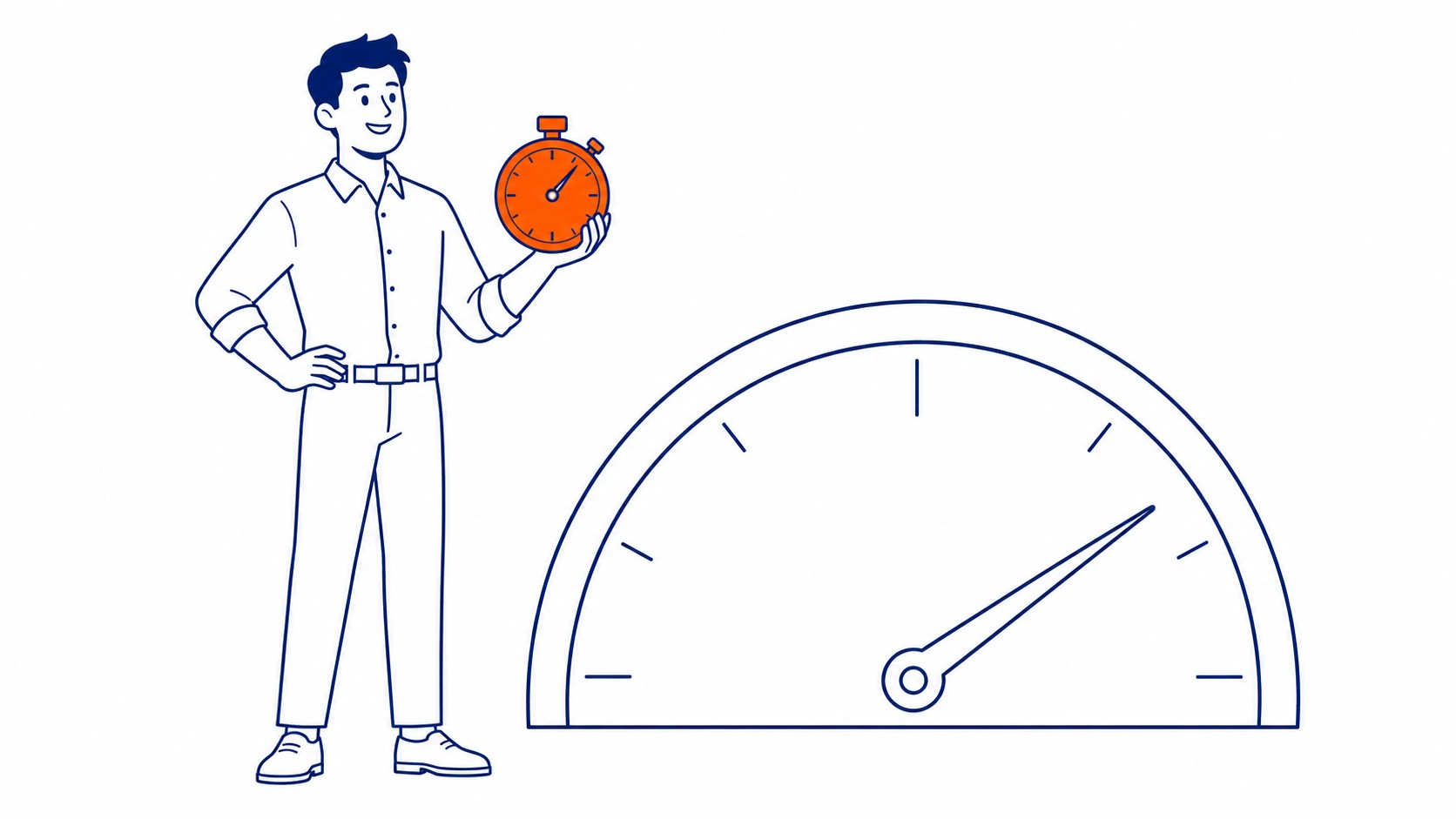
Site Speed Changes Whether the Sale Happens
A ranking factor is not the whole story with site speed. Slow product pages lose the sale even after the shopper already found the page through search. Every extra second before the page becomes usable pushes another visitor back to the results, this time toward a competitor’s listing instead.
Product image weight is usually the biggest offender on a catalog site. Compressed formats. Lazy loading below the fold. A content delivery network serving images from somewhere close to the shopper, not the other side of the country. Fix those three things. The mobile experience improves enough to move the conversion rate. Its Core Web Vitals score in Search Console moves too, though that is the smaller win.

Commercial-Intent Content Catches Shoppers Before They Search a Product Name
A shopper searching for the best trail runners for wide feet is not ready to land on one specific product yet. They are still comparing brands. Checking sizing charts. Working out a budget before anything else happens. A single product listing answers none of that research.
Buying guides and comparison pages fill that gap. They carry organic weight a single product page cannot generate on its own. That same content also feeds qualified traffic down into the exact category and product pages that convert once the research phase ends. Skip that content layer, and a competitor’s guide earns the click during the one stage where the shopper was still deciding.
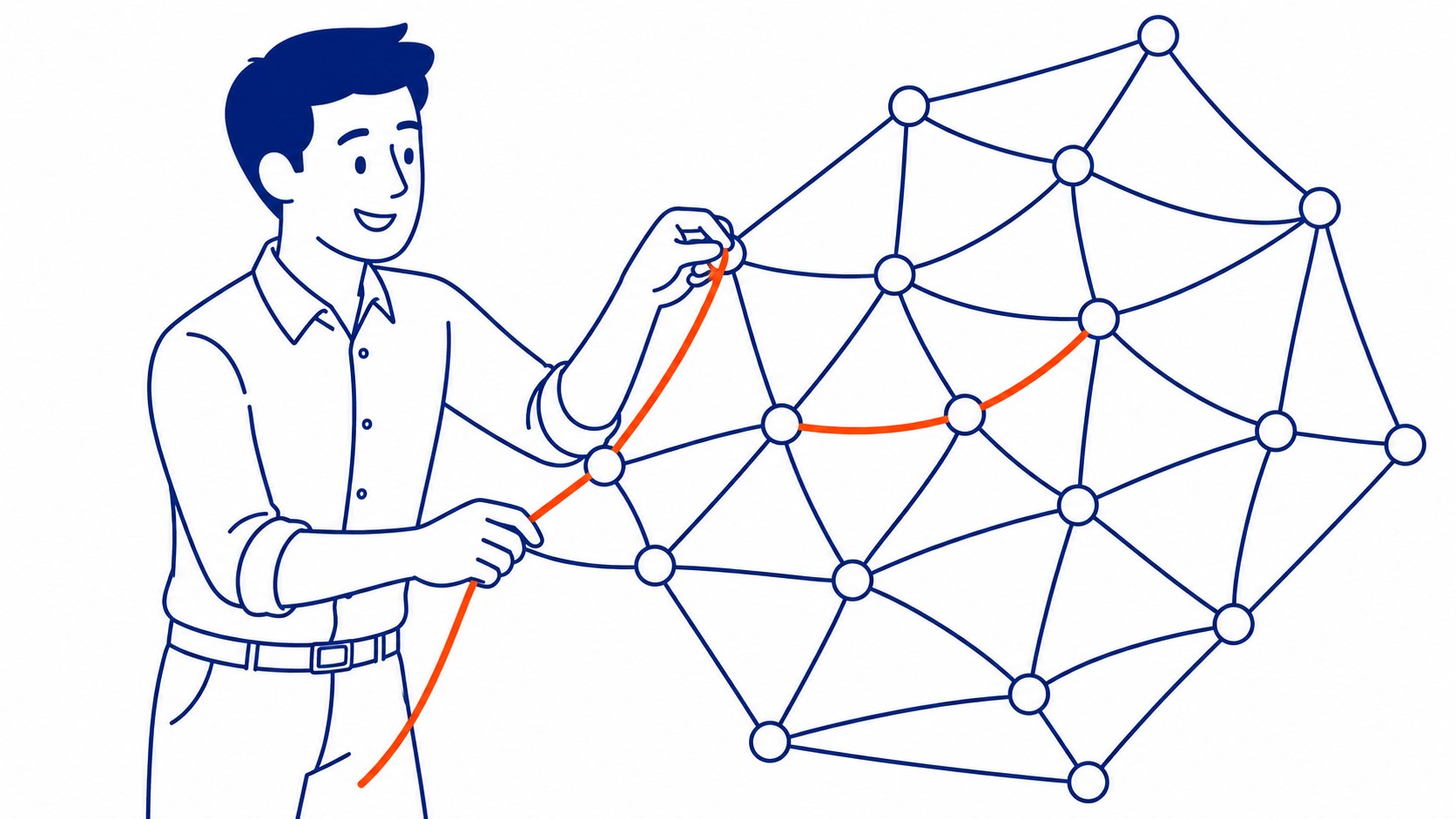
Internal Linking Spreads Authority to the Pages That Drive Ecommerce Sales
A blog post about caring for wool socks does nothing for revenue sitting there on its own. Link it into the category page for wool socks. Some share of whatever authority that post earns starts flowing toward a page that actually sells product instead.
Internal linking works in the other direction too. Category pages should link down into featured products. Product pages should link back up into the category and any related buying guide sitting nearby. Most catalog sites never build that structure on purpose. It happens by accident. Thinly, if at all. The pages that would benefit most from link equity sit isolated instead. Structure like that is half the case for ecommerce SEO, and it costs nothing but attention.
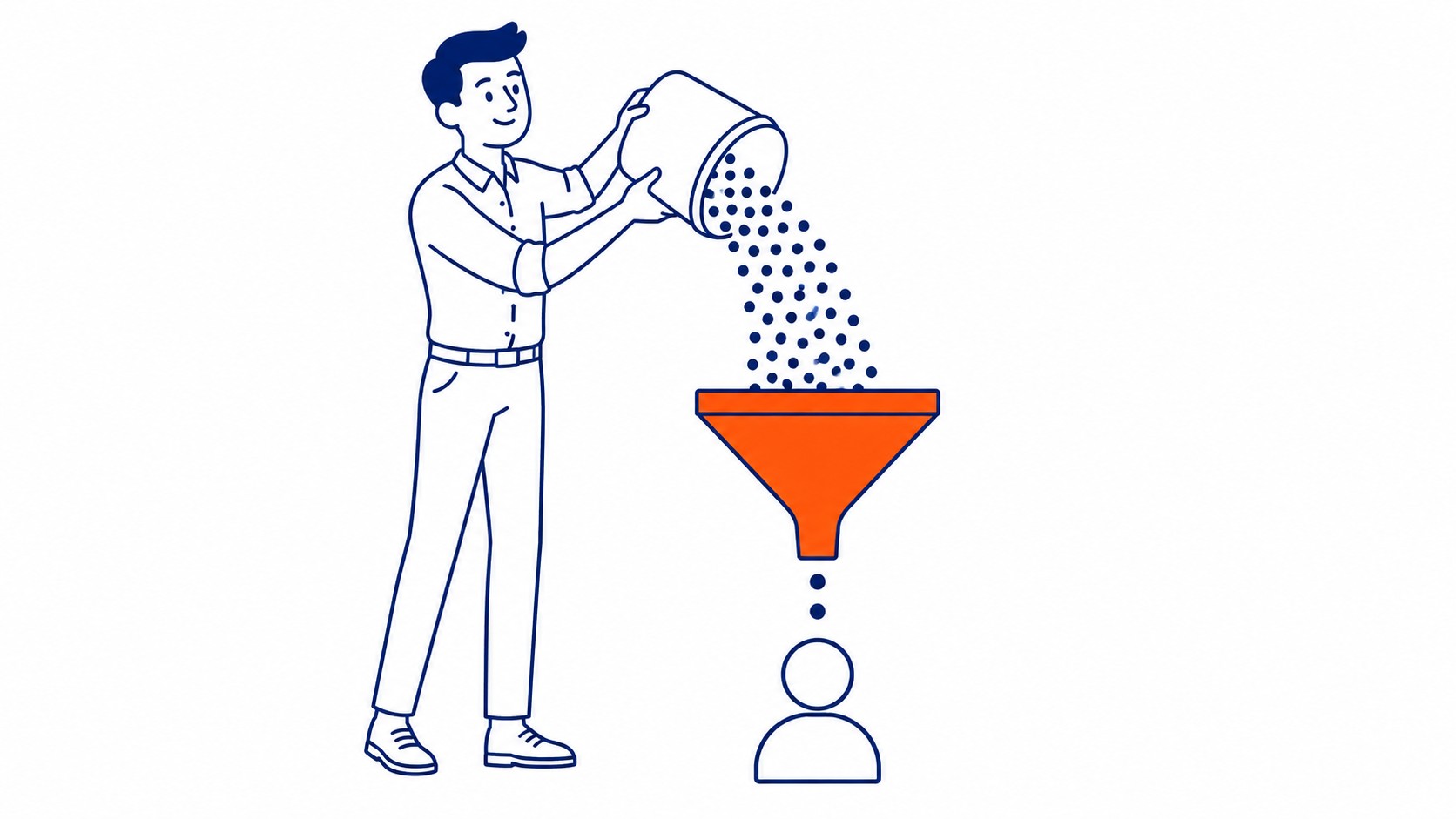
How To-The-TOP! Drives Ecommerce Sales
SEO Company To-The-TOP! has run ecommerce accounts alongside service-business clients since 2007. One person handles the strategy. The technical audit. Monthly reporting too. No handoff between a salesperson and a junior account manager partway through the engagement.
That structure matters more on a catalog account than it does on most verticals. Category architecture. Faceted navigation rules. Product schema. All three connect to each other closely. A single point of contact catches conflicts between them faster than a rotating account team ever does. Clients running Calgary SEO alongside Google Ads management get feed data and landing pages built from the same source. Nothing drifts apart over the months.
A website audit is the fastest way to see where a catalog is losing crawl budget and conversion rate. Best to know that before signing anything. Ecommerce keyword research gets mapped directly to the category structure. Not handed over as a generic list of terms with no connection to the actual site.
Ongoing website promotion keeps that category and product architecture current as the catalog shifts. Season to season, product line to product line. That is ecommerce SEO in practice, less a campaign than steady upkeep. Worth knowing what to ask any ecommerce SEO agency before the first invoice.
Frequently Asked Questions
Does an SEO agency actually move ecommerce sales, or just rankings?
Rankings alone mean nothing without a page built to convert. Category architecture. Site speed. Structured data. Strong agency work ties all three together. A ranking gain then shows up as revenue in analytics rather than impressions sitting in Search Console.
How long before ecommerce SEO shows up in sales numbers?
Three to six months for early movement, matching the timeline across most SEO work. Category pages tend to move first. Product-level gains usually follow once crawl budget and schema issues get cleaned up behind them.
What matters more for an ecommerce store, category pages or product pages?
Category pages, on most stores this size or larger. They carry more consistent search volume and survive even when individual products sell out or rotate off the catalog entirely.
Does site speed really affect conversion rate, or only rankings?
Both, and store owners often assume it is only one or the other. A slow product page loses the sale even after ranking well, and Google increasingly treats page experience as a ranking input too. Fixing image weight and lazy loading moves both numbers at the same time.
What should a catalog audit check before hiring an ecommerce SEO agency?
Category and product templates. Faceted navigation handling. Structured data accuracy against live pricing and stock. Site speed across the actual catalog pages too, beyond the homepage everyone already checked.
Contact Calgary SEO Company To-The-TOP!
Questions about anything in this article, or about your own rankings? Talk to a Calgary SEO specialist directly.
Phone: (403) 308-5949
Address: 1509 14 Ave SW, Calgary, AB T3C 0W4
Hours:
Monday to Friday: 10:00 am – 7:00 pm
Saturday: 12:00 pm – 4:00 pm
Sunday: closed
