How to Protect Your Website from Negative SEO
A client called SEO Company To-The-TOP! last month convinced a rival had sabotaged her rankings overnight. Traffic had dropped hard. Nothing on her end had changed. That is usually the first question anyone asks once negative SEO enters the conversation. Is this actually happening, or is something else going on. Both answers turn out to matter equally.
Real negative SEO attacks do happen. They are rarer than forum chatter suggests. Most ranking drops trace back to something far more ordinary. Working out which one applies comes first, before any defensive move gets made.
What Negative SEO Actually Looks Like
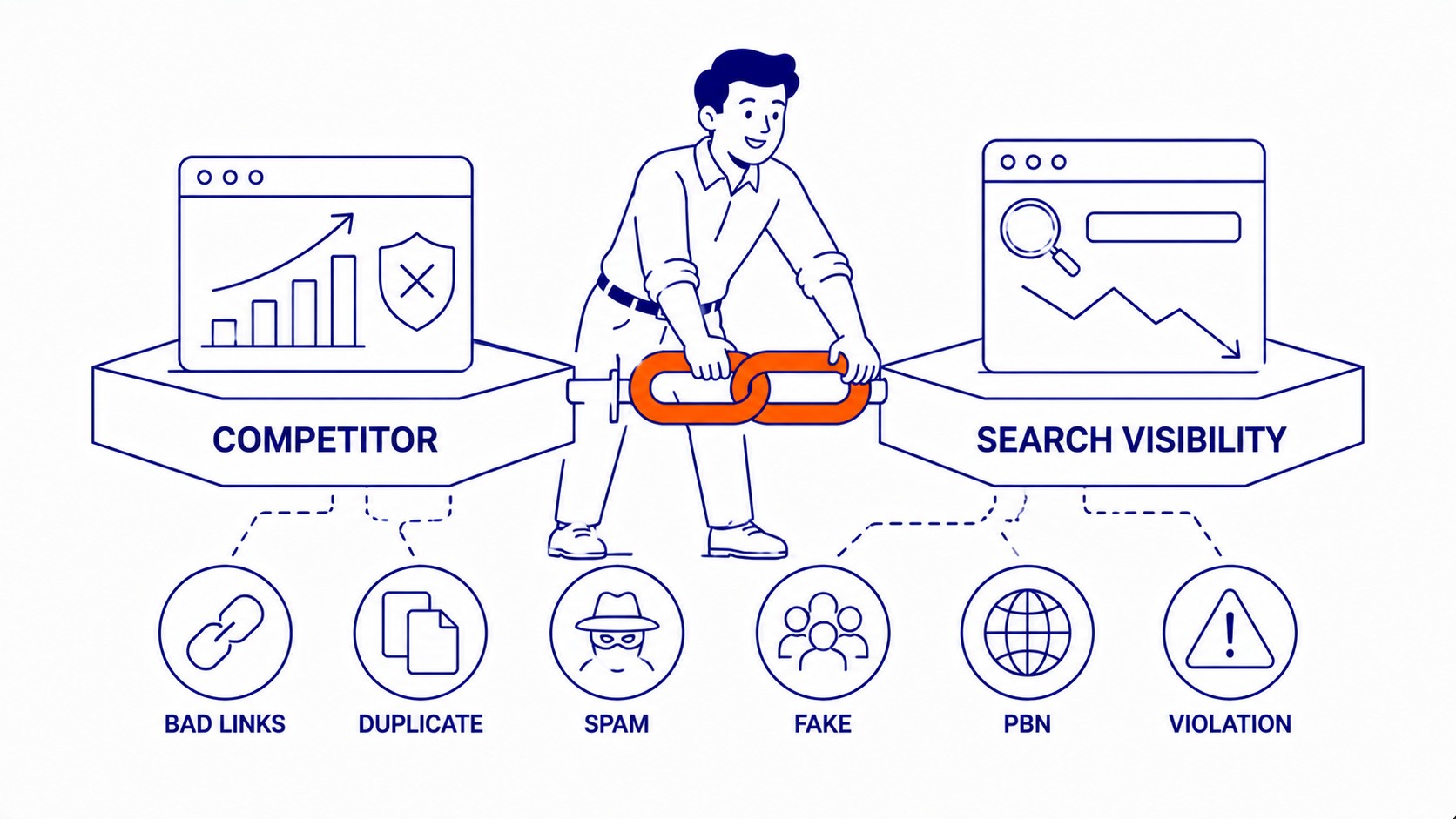
Negative SEO covers any deliberate attempt to damage a competitor’s search visibility using tactics search engines explicitly ban. Thousands of spammy backlinks pointing at a rival’s domain, built by one attacker in a single batch job. Content scraping runs the other angle. A competitor’s articles get copied wholesale, republished across a dozen low-quality sites. Hacking is the ugliest version. Malware or spam links get loaded onto a rival’s website quietly. Nobody notices for weeks.
None of this reflects legitimate competition. Real SEO work earns rankings through better content. Cleaner technical structure helps too, and links a site actually deserves seal it. Negative SEO fakes the opposite signal instead. It hopes Google penalizes the target site rather than rewarding the attacker’s own work.
The barrier to entry sits lower than most business owners expect. Freelance marketplaces list thousands of sellers offering spam link packages for a few dollars. That accessibility explains why the threat persists years after Google’s algorithm updates were supposed to make it pointless. Cheap spam is easy; how to build backlinks that actually hold is the harder question. Routine work protects better than panic, starting with how to check keyword difficulty on every target.
The Attack Types Worth Watching For
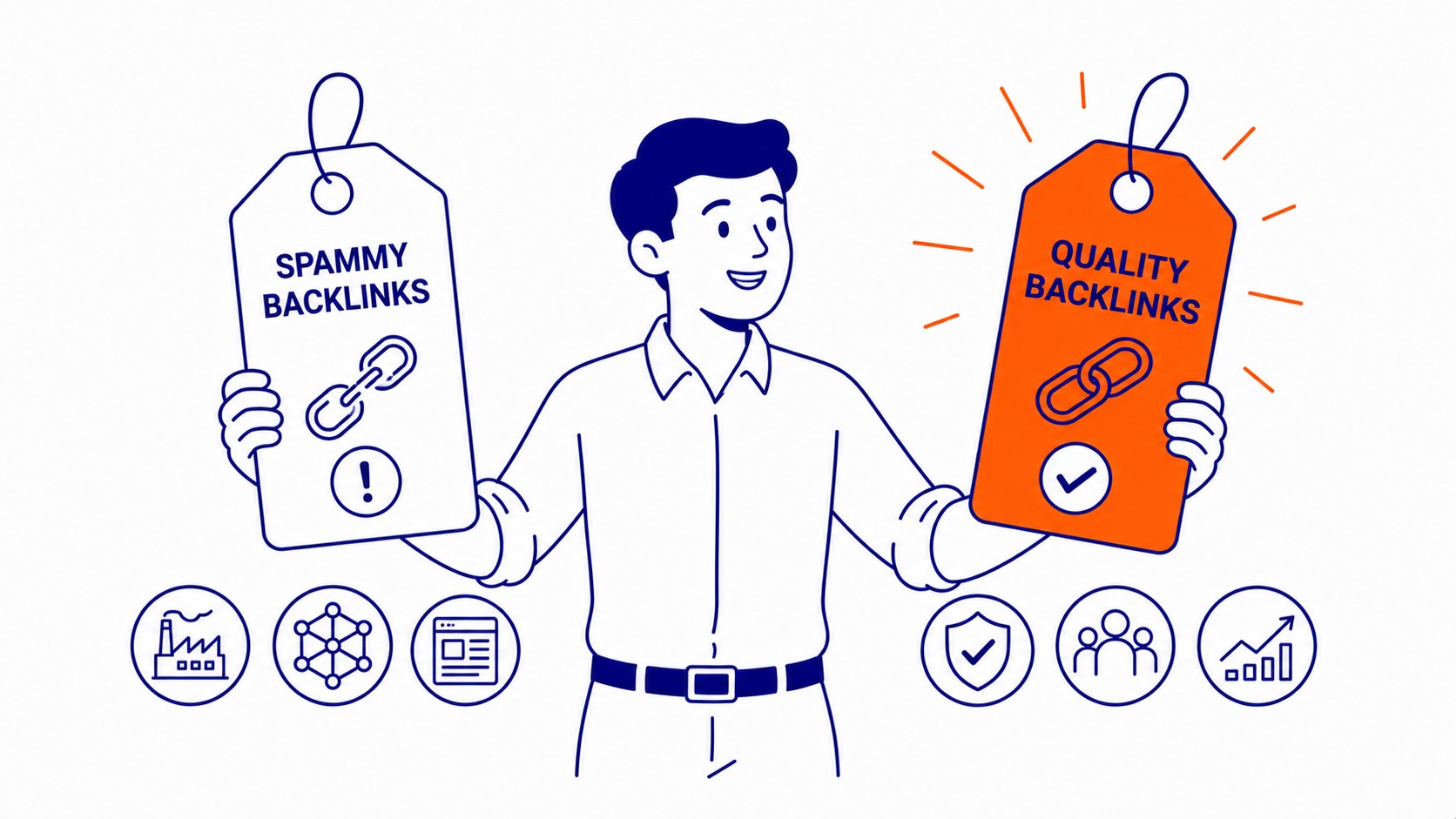
Spammy backlinks remain the most common attack, sometimes still called a spammy links campaign in older SEO forums. A large batch of low-quality links does the damage. Anchor text gets built straight off the target’s brand name, or its keywords. Nothing complicated about the goal here. Trigger a manual action, or an algorithmic link penalty, by making the target’s backlink profile look manipulative.
Content scraping works differently. A competitor copies a page word for word and republishes it on another domain. Google sometimes credits the wrong version as the original, especially on a domain with more authority already built up. Traffic and rankings drift toward the copy instead of the source. Content theft like this rarely stays hidden for long once a business starts checking for it.
Hacking is the most damaging path. A weak password opens the door most often. An outdated plugin works just as well, and so does an unpatched vulnerability nobody caught in time. Spam content gets injected. Hidden links appear in the footer. Visitors get quietly redirected somewhere else entirely. Search engines notice fast. Rankings and trust both take a hit once flagged.
Fake reviews and smear campaigns target reputation directly rather than technical signals. A wave of one-star reviews shows up within days, often using generic language that reads nothing like a genuine customer complaint. Fabricated profiles spread false claims across social media, often under a business’s own name. Click-through rate falls because searchers see the damage before they see the site itself.
Hotlinking rounds out the list. Another site embeds images or videos directly from a target’s server instead of hosting its own copies. Bandwidth costs climb. Page speed drops for everyone, including the legitimate visitors a business actually wants to convert.
How to Tell Something Is Wrong
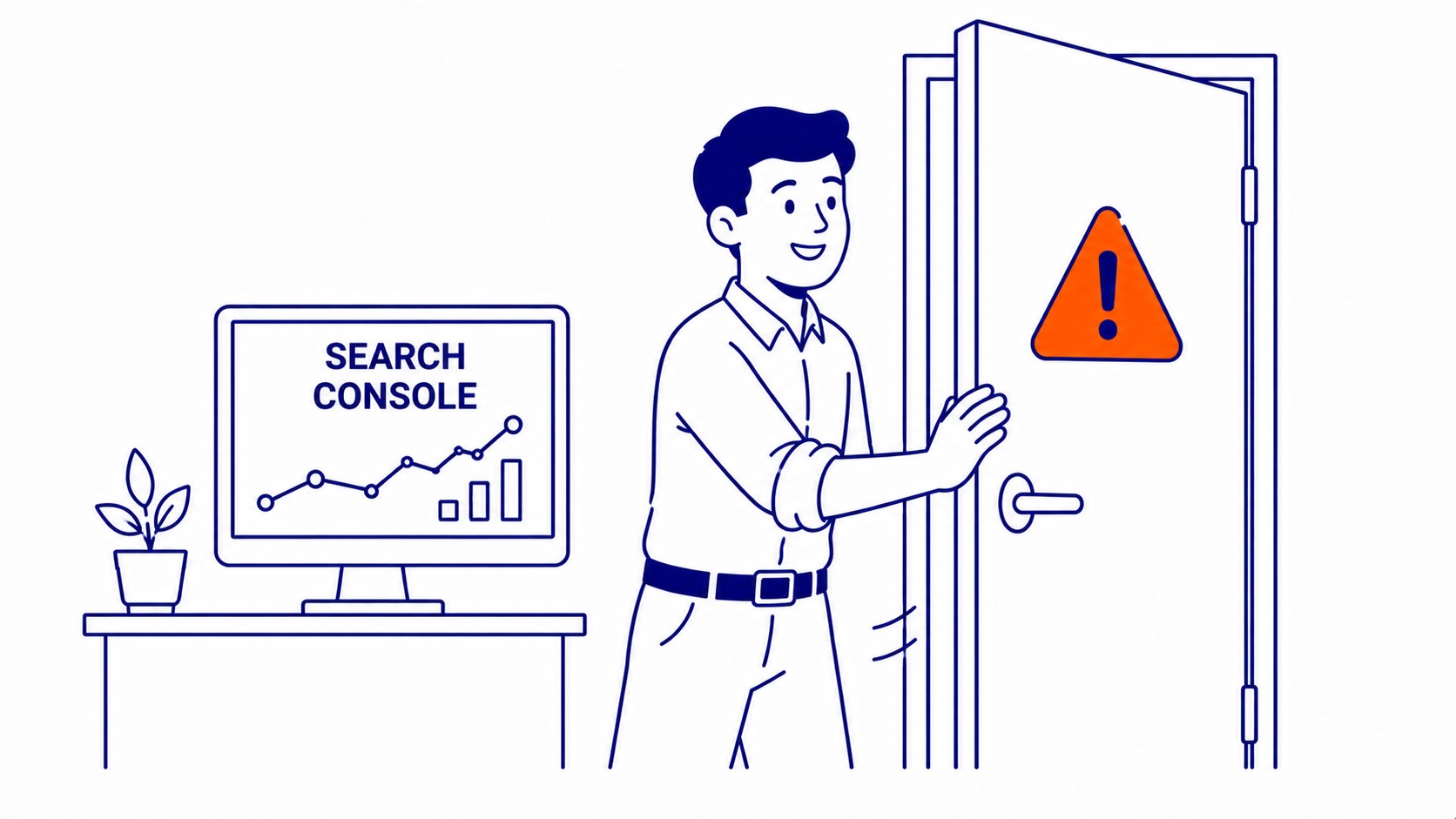
Google Search Console is the first stop. A sudden spike in referring domains is worth investigating immediately, especially one built from unrelated foreign-language sites running exact-match anchor text. Search Console’s link report shows exactly where new backlinks originate.
Duplicate content shows up through a quick search. Paste a distinctive sentence from a page into Google inside quotation marks. Another domain showing the identical text is either a scraper or a syndication partner. Tools like Copyscape narrow duplicate content investigations down faster across a full site.
No single metric tells the whole story here. Traffic and ranking movement together matter more. A content or technical issue somewhere on-site usually explains a gradual decline. Sharp, unexplained drops across many keywords at once, arriving alongside a backlink spike, point somewhere else entirely. That combination is the actual signal, not either factor alone.
Page speed and server load deserve a look too. Bot traffic hammering a server can slow load times enough to hurt rankings on its own, no backlinks required. A hosting provider can usually confirm whether unusual request volume is behind a sudden slowdown.
Backlink Monitoring and Site Security
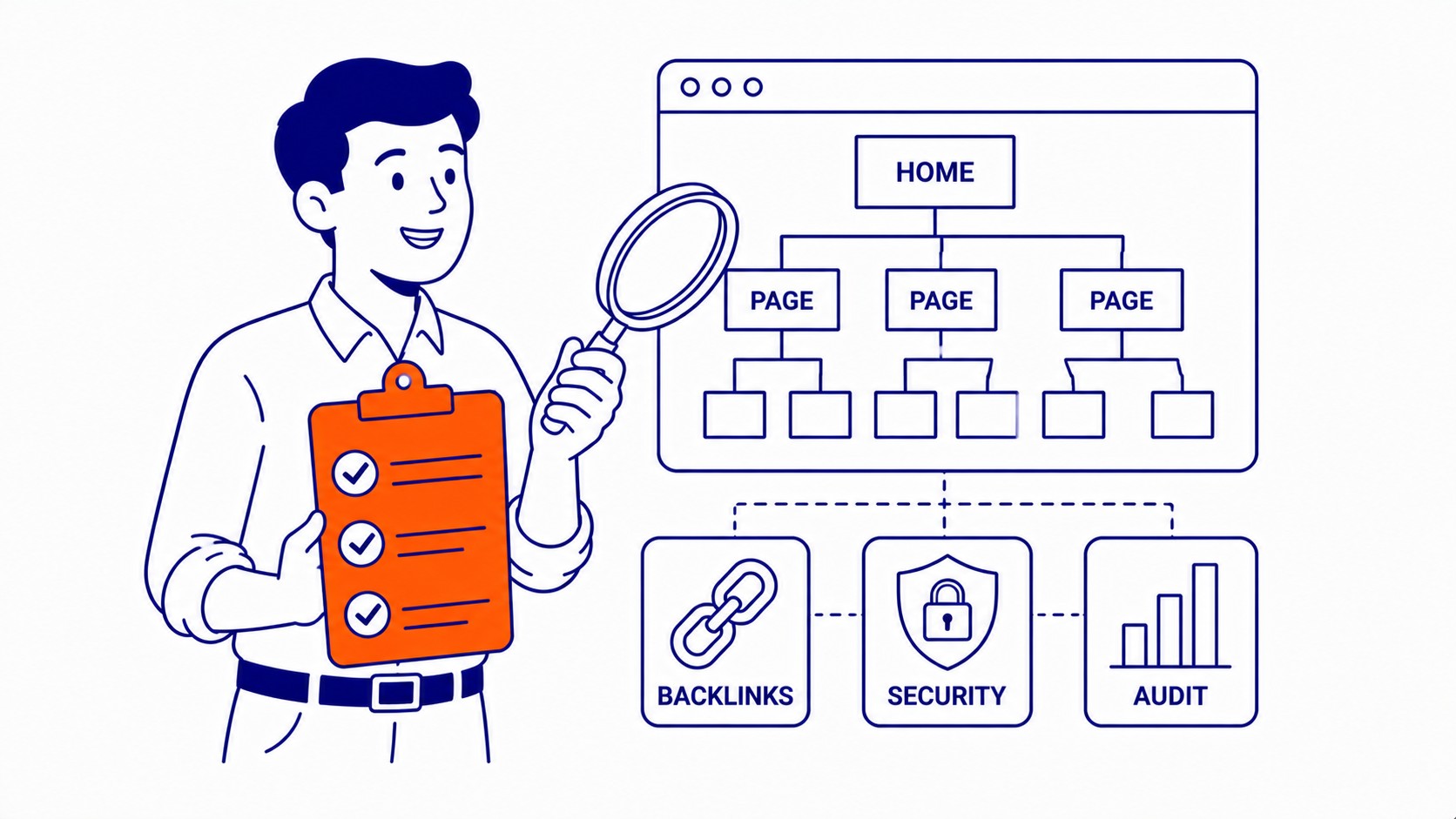
Regular backlink audits catch problems early, before a link farm attack accumulates enough volume to matter. Monitoring backlinks weekly catches most attacks before they do real damage. Free monitoring works through Google Search Console. Paid tools like Ahrefs or Semrush send alerts the moment new links appear, which saves the trouble of checking manually every week.
Google’s disavow tool exists for exactly this situation. Compile a list of the toxic domains. Submit it, and Google stops counting those links against the site. Results take two to four weeks to show up. Patience matters here more than most business owners expect walking in.
Website security closes off the easiest attack path of all. Two-factor authentication on every login comes first. Strong, unique passwords matter just as much, not the same one reused across three different accounts. Outdated code remains the single most common way a site gets hacked, so regular software and plugin updates close that gap fast. Automated daily backups finish the list. A compromised site gets restored within hours that way, instead of rebuilt from scratch.
An SSL certificate belongs on every site regardless of the negative SEO question. Interception attacks and basic malware injection through an unsecured connection both close off once it’s active. It has been a baseline ranking signal since 2014. This still shows up as a quick fix during nearly every website audit To-The-TOP! runs for a new client.
Protecting Content and Online Reputation
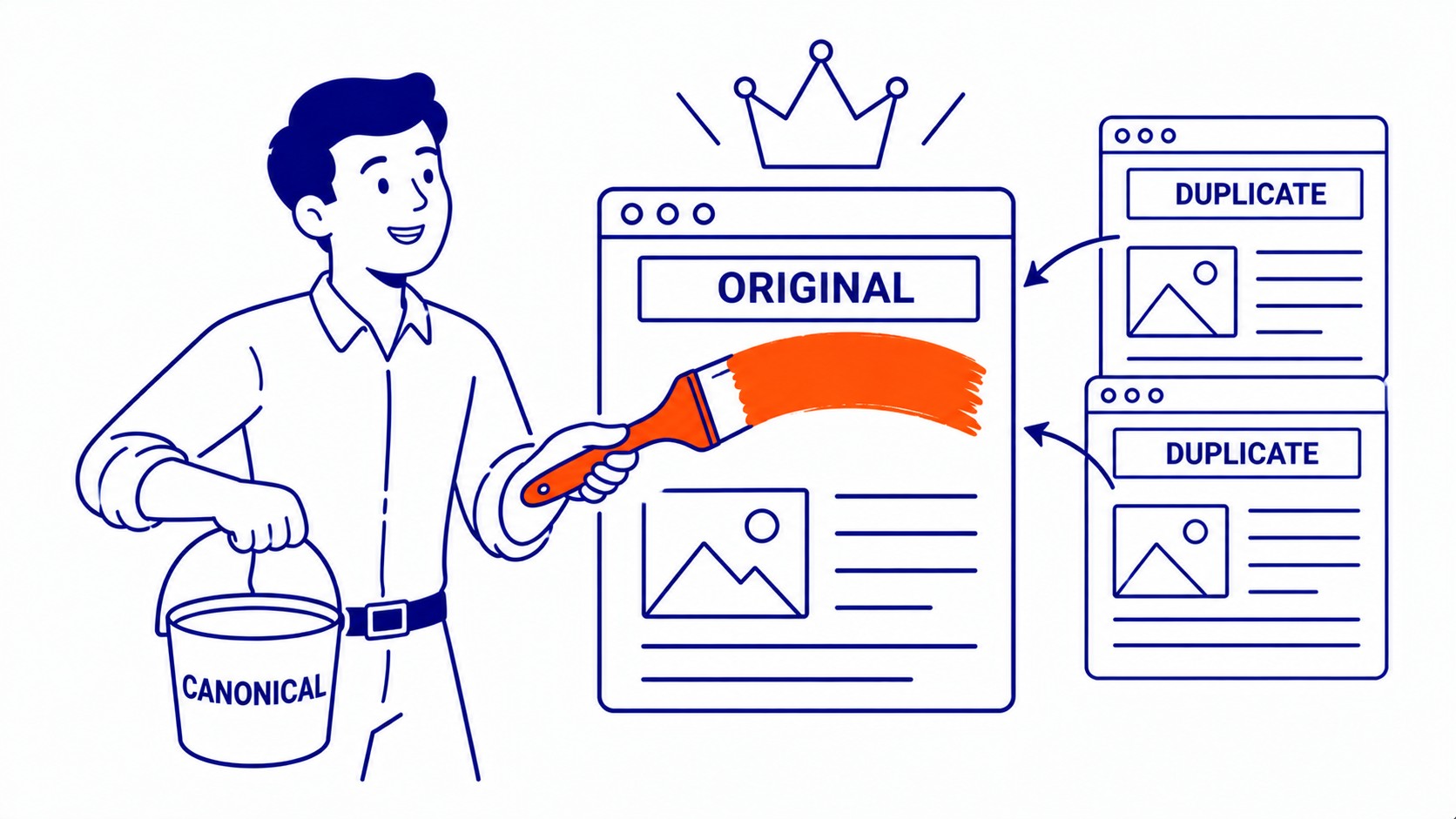
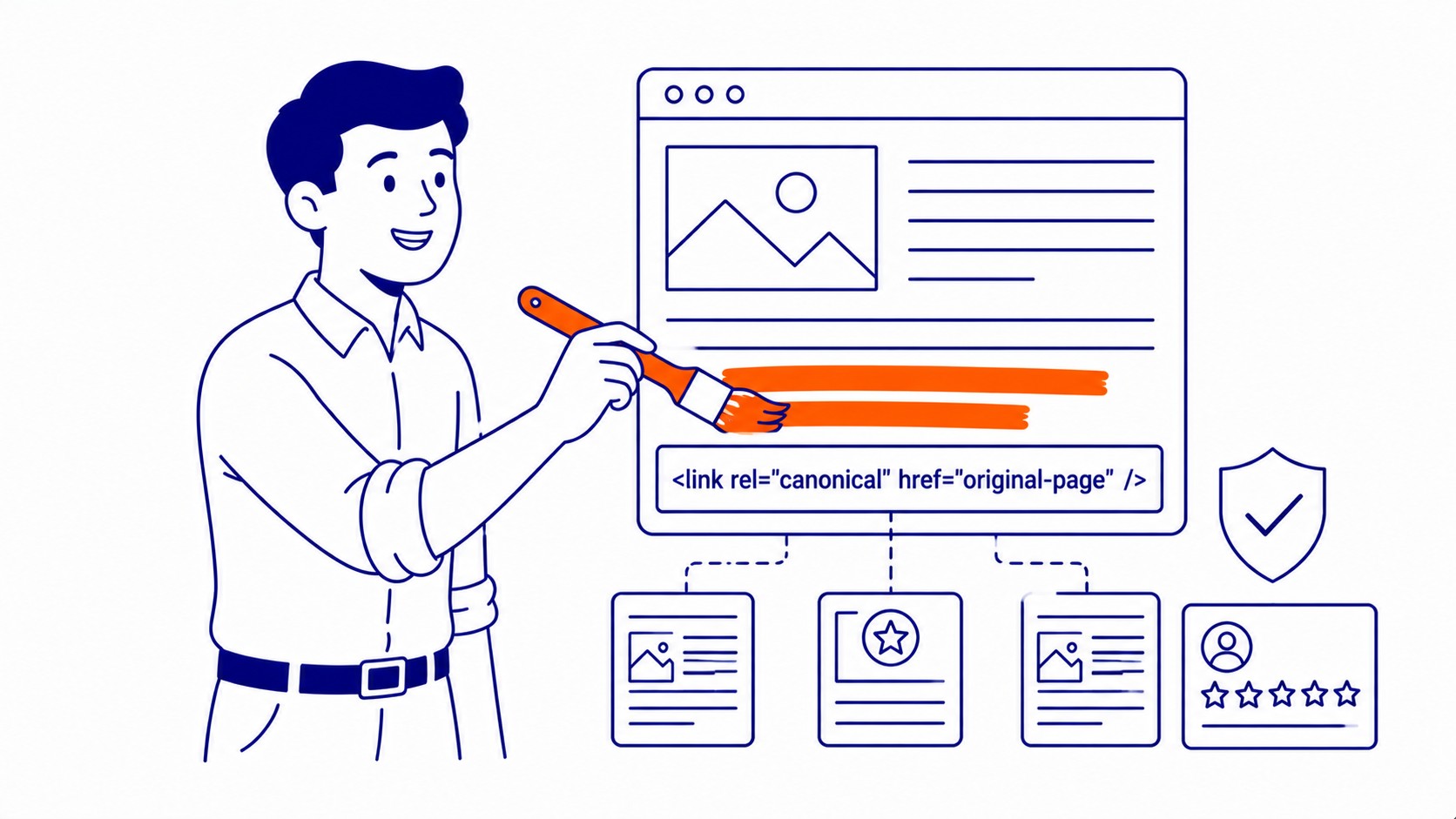
Canonical tags tell search engines which version of a page counts as the original. Adding one to every important page removes the ambiguity a scraper depends on. It cuts most duplicate content disputes off before they start. A copyright notice in the footer signals ownership clearly. It carries no real legal weight on its own, though. Low-quality links paired with duplicate content show up together constantly. That pairing is what To-The-TOP! sees most often on a first audit.
Nothing beats a DMCA takedown notice against a stubborn scraper. Google’s own copyright removal process handles this directly. Most hosting providers respond fast too, once a formal notice arrives. Contacting the offending site first is worth trying. It rarely works, but it costs nothing to attempt before escalating.
Reputation needs the same ongoing attention as backlinks. Google Alerts, set up around a brand name, flags new mentions across social media and the wider web the day they appear. Reputation monitoring works the same way, on a regular schedule rather than only after something looks wrong. Reviewing that list weekly catches a coordinated smear campaign long before it does real damage to conversion rates.
Not every negative review is an attack. Some are just an unhappy customer, and that customer deserves a real response, not a dismissal. A calm, public response to a genuine complaint often does more for reputation than any technical fix ever could.
Responding to an Active Negative SEO Attack
Documentation comes first. Screenshot the suspicious backlinks before anything changes. Same for the scraped content, or the fake reviews sitting there right now. That record matters if a dispute needs escalating later.
Contact webmasters directly where possible, requesting removal of a spammy link or a scraped page. Some respond. Most stay silent. The next step is escalating to a hosting provider, once direct contact fails. Terms of service violations give hosts grounds to remove the content directly.
Disavowing links comes last, not first. Legitimate SEO value gets stripped away by overusing the disavow tool on links that were never actually harmful. That value took a site years to earn. Compile the list carefully. Submit only domains that show genuine spam signals.
Businesses already running Google Ads campaigns often assume paid traffic covers for a negative SEO hit. It does not. A damaged organic ranking still costs conversions paid clicks alone will not replace.
Recovery takes weeks, sometimes longer. Search engines need time here. Recrawling comes first. Reassessing and adjusting follow after that. A business that keeps publishing solid content and building real links through that stretch tends to recover faster. Stopping everything and waiting rarely helps. Ongoing SEO support during a recovery period catches new issues the moment they surface instead of weeks later.
Most sites never face a real attack at all. Ranking drops usually trace back to an algorithm update. Sometimes a technical issue instead. Other times just a content gap competitors closed first. Ruling those out first, before assuming sabotage, saves time that a genuine attack response would actually need. Spam link patterns are worth learning, starting with what PBN in SEO means.
Frequently Asked Questions
Is negative SEO illegal?
Not explicitly, in most jurisdictions. It violates search engine terms of service rather than any specific law. Hacking crosses into genuinely illegal territory on its own. So does a fraudulent copyright complaint, depending on how far an attacker goes.
How do you spot an actual target?
A backlink spike paired with a sharp ranking drop across many keywords at once is the tell. One signal alone rarely confirms an attack. Both together, arriving in the same short window, is the pattern worth acting on.
Does disavowing links actually fix the problem?
Sometimes. It stops Google from counting flagged links against a site, but it takes weeks to show any effect. Overusing it on links that were not actually harmful can do more damage than the original problem.
Can a small local business become a target?
Rarely, and mostly in highly competitive local markets like legal services or medical practices. Most negative SEO activity targets high-value national keywords where the payoff justifies the effort. A Calgary business in a less crowded niche faces low realistic risk.
Contact Calgary SEO Company To-The-TOP!
Questions about anything in this article, or about your own rankings? Talk to a Calgary SEO specialist directly.
Phone: (403) 308-5949
Address: 1509 14 Ave SW, Calgary, AB T3C 0W4
Hours:
Monday to Friday: 10:00 am – 7:00 pm
Saturday: 12:00 pm – 4:00 pm
Sunday: closed
