
How Do I Get Rid of Google Ad Services?
You cannot. Nothing by that name sits on your computer. There is no program, no folder, no entry in your list of installed applications. Go looking and you will come back empty-handed.
That is the whole answer. The rest of this page covers why the question feels so reasonable. Then it covers what the same reflex costs you later, on a far more expensive SEO report.
We have been doing Calgary SEO since 2007. Owners bring us strings like this one most months. Usually they bring it angry.
There Is Nothing on Your Computer to Uninstall
Two people type this question. One of them keeps seeing ads and wants them to stop. The other runs the ads and wants out of the account.
Both readers are already served elsewhere on this site, at length. Blockers, personalization settings, cancelling an account, pausing a campaign. Every one of those has its own page here. None of it will be repeated.
Yet neither reader typed the phrase they meant. Nobody on earth calls the ads they see Google Ad Services. That is not what anybody calls anything.
The phrase came off a screen. Somebody read a hostname and heard a product name instead. Success with Google Ads starts once you stop typing the wrong name.
So where did the words come from?
Where the Name Actually Comes From
You read them somewhere. Off a browser status bar, or out of a history entry. Maybe a blocked-request list showed it to you. Or a security scan named it, and you have been uneasy ever since.
None of those places is a hiding spot. Each one is a record.
Googleadservices.com is a domain. Google owns it. Click a Google search ad and your visit generally passes through that domain on its way to the advertiser.
Then the name is in your history. It never announced itself. Nor did it ask.
Look at What Sits Around It in Your History
Do this before anything else. Open your browser history. Search it for the string that sent you here.
Each hit has neighbours. Read the entry immediately after one of them.
Whatever sits there, that is where you were actually going. A plumber, maybe. Or a dentist. Some business that paid to be found and then was.
The domain sat between two places for a moment. Then you left it behind. Nothing was installed while any of that happened. None of it had to be.
The name lives on Google’s side of the wire. It always did.
Mail Arrives With a Postmark on It
Some depot pressed that mark onto the envelope while the letter moved through. The mark records a place the letter went. Nobody lives there.
You cannot return a postmark. Neither can you uninstall it. Scrub at it and you own a damaged envelope, plus a postmark.
The depot never came home with the mail.
Googleadservices.com is the postmark. Your click is the letter.

Scrubbing the Envelope Never Stopped the Junk Mail
Here is where the reflex does real damage. The name is downstream of everything. A click happened and the name wrote it down. It is not the reason ads exist.
Clear the history tonight. Empty the cache. Tomorrow you click another ad and the postmark comes back, though the depot never learned you were annoyed with it.
So the string is a symptom nobody can treat. Treating it changes what you are able to see. It changes nothing whatsoever about the cause.
Blocking ads is a genuinely different job. Different tools. Other pages here cover it, and they cover it better than a lecture would.
Where a security scan named the string, the scan named an address it watched traffic go toward. What sent the traffic is a separate question. That one belongs to the scan, not to us.

Advertisers Find the Same Name in Their Own Code
Some readers arrive from the opposite direction. They opened their page source hunting for something else. Up came a Google domain, sitting in their own markup, apparently uninvited.
It is usually conversion tracking, or what is left of it. The line arrived the day somebody set up the account. Remove the line and the tracking stops with it.
Still, deleting the line will not close the account. Closing the account will not delete the line. Two separate jobs, and a surprising number of businesses do exactly one of them.
Somebody should be watching that account either way. Our Google Ads management work exists for precisely that reason. Watching also means the small stuff, character limits in a Google ad included. If nobody is watching, deleting an ad account beats leaving it half alive.
The Same Reflex Ruins SEO Reports
This is the part that matters. It has almost nothing to do with ads.
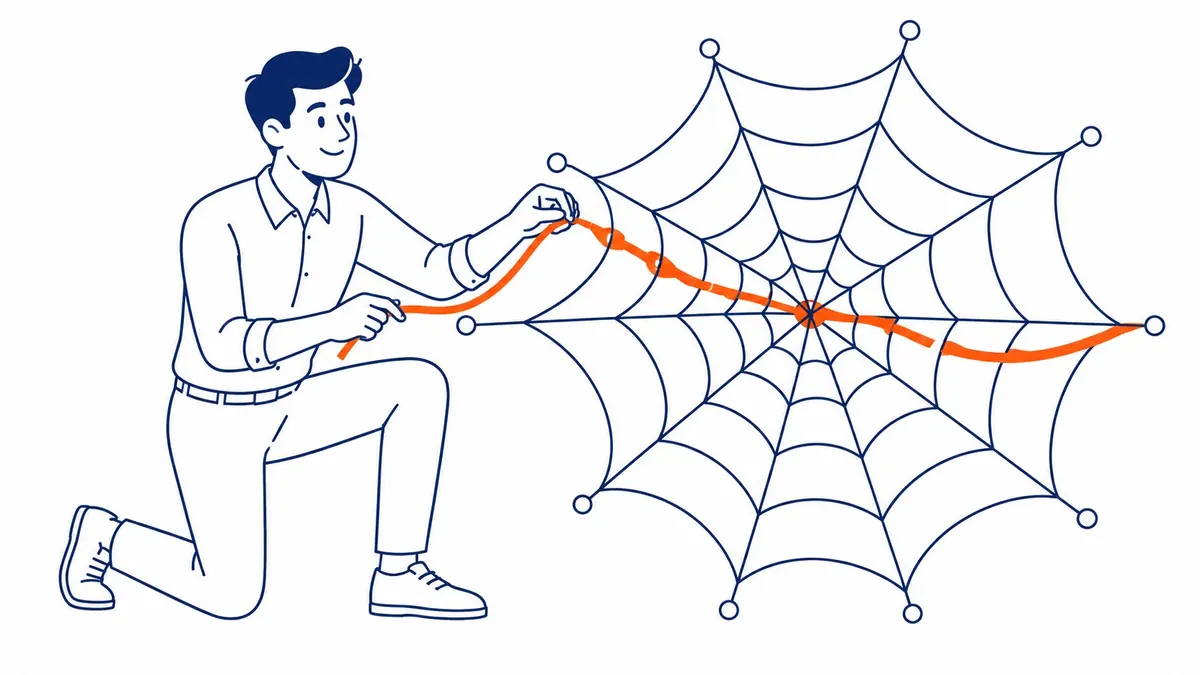
Every reporting tool you own names things you never made. Search Console lists URLs you did not build. Your analytics names sites that linked to you. Most of them you have never visited.
Neither tool is confessing to anything. Both are simply reporting.
Owners see a strange name and reach for the delete key. That is the reflex. Meanwhile the thing that produced the name carries on, unbothered, having never been in the report to begin with.
A report is a record of trips. It is not an inventory of possessions. Read it that way and most of the panic drains out of it.
We see the reflex during an SEO audit most months. Somebody has blocked a crawler, or disavowed a link, to make one line in a report go quiet. The line went quiet. So did the crawler.
Rather than better, the site was simply less legible. The number looked healthier afterward, which was the only thing anybody had actually changed.
That is the expensive version of tonight’s problem. A business pays for search traffic it cannot explain. Then it pays again to stop seeing the parts of the record it dislikes. Meanwhile the traffic carries on underneath, wholly indifferent to the filter.
What We Tell Calgary Clients About Names They Do Not Recognize
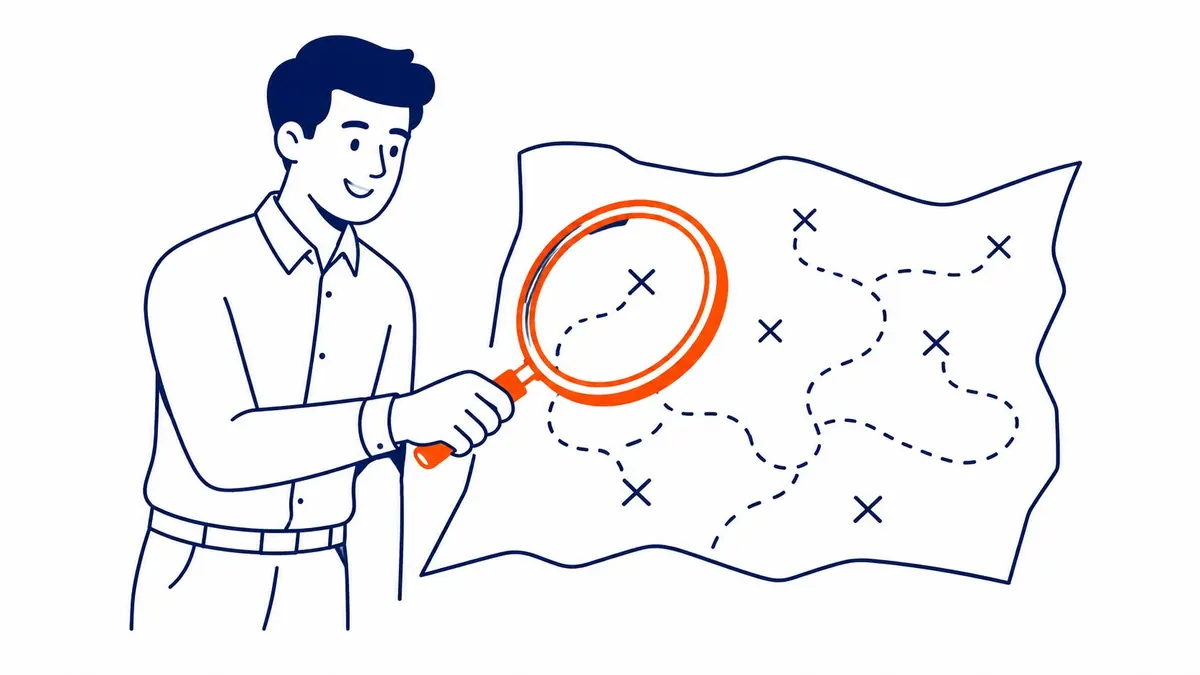
Bring us the string. Do not act on it yet.
Sometimes it turns out to be a postmark, harmless, already spent. Other times it points at something real, and the string was the only reason anybody noticed at all.
Curiosity about a name you do not recognize is the same instinct that makes keyword research work. Follow the thing you cannot place. Just do not shoot it.
Ongoing SEO support at SEO Company To-The-TOP! is mostly this. Reading the report. Noticing. Declining to panic.
Solo practitioner here. No junior handoffs, so the person who reads your report is the person who acts on it.
Nineteen years of unfamiliar names in SEO reports. Hardly any of them was ever fixed by deleting something.
Nobody has ever removed Google Ad Services. Plenty of people have lost an evening to it.
Common Questions About Google Ad Services
Is Google Ad Services something installed on my computer?
No. It is a domain name that Google owns. Open your list of installed programs and you will not find it there, because there is nothing there to find.
Can I block Google Ad Services in my browser?
Blocking a domain is possible with the usual extensions. Whether that stops the ads bothering you is a separate question, and those tools answer it better than we can. Taking a name out of view is not the same as taking away a cause.
Why does googleadservices.com appear in my browser history?
Usually somebody clicked a Google ad on that device. The visit passed through the domain on the way somewhere else. Your history recorded the trip, which is what a history is for.
Does Google Ad Services appear in my own website code?
It can, assuming you have ever run Google Ads. Conversion tracking often loads from a Google domain. Remove the line and the tracking stops. The account carries on regardless.
Should I remove Google Ad Services from my analytics report?
Filter a name out of a report and the report changes. Nothing else moves. Work out what the traffic was first. Then decide whether you wanted the thing gone, or only wanted it quiet.
Contact Calgary SEO Company To-The-TOP!
Questions about anything in this article, or about your own rankings? Talk to a Calgary SEO specialist directly.
Phone: (403) 308-5949
Address: 1509 14 Ave SW, Calgary, AB T3C 0W4
Hours:
Monday to Friday: 10:00 am – 7:00 pm
Saturday: 12:00 pm – 4:00 pm
Sunday: closed