
How to Measure Keyword Performance
Open Search Console. Read the impressions and the clicks. Note the click-through rate, then the average position. Watch it across months rather than weeks. Then set conversions beside it, so you learn which words brought money.
That is the method. It works. This site covers the setup elsewhere, so none gets repeated here.
What follows is about the word in the middle of that query. Performance.

What This Page Leaves Alone
No metric list. Nor a walkthrough of Search Console, and nothing about which tool to buy.
One thing gets argued here instead. What kind of number a position is. Picking the terms is a different page, on how bloggers find easy keywords. Picking the easiest keywords to target is a separate argument, made on its own page.

Read the Word Performance
Performance is what a thing did.
An ad performs. Somebody wrote it. Then somebody paid for it. It either earned its keep or it did not. A page performs. So does a salesperson. Each time there is an actor. Then a result you can set beside the effort.
Now ask what your keyword did last month.
It did nothing. A keyword is a word strangers type. It has no author. No budget either. Nobody’s keyword ever kept working hours.
Something performed, certainly. Your page did. So did Google. And so did a few hundred strangers. That row is what the three of them made between them. Then the report files it under the name of the one participant that took no action.
So read the column again. Mostly that number is telling you a place.
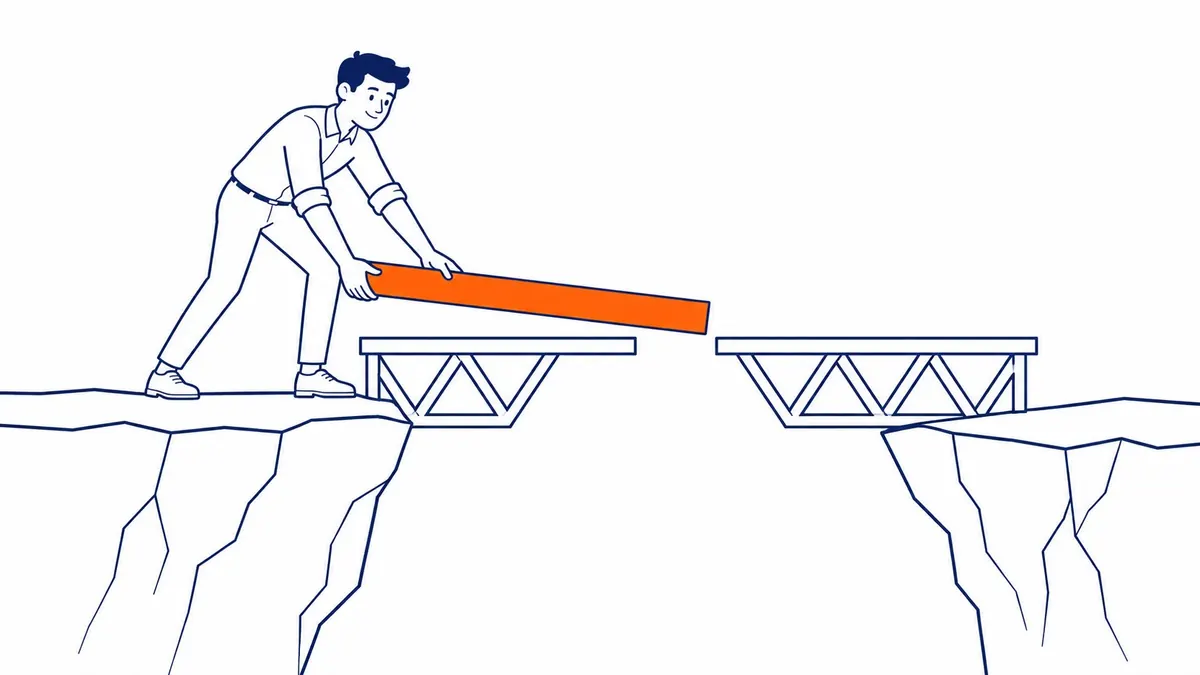
A Position Is an Order. It Has No Size in It.
Here is the whole page.
You are seventh. Now say how far behind sixth you are.
You cannot. Nothing in that report was going to tell you. The page above you might be one better paragraph away. It might be a national brand holding ten years of links. Both of those print as a six.
A position is an order. It names who came before you and stops there. Meanwhile every other number in your business is a quantity. Dollars. Hours. Clicks. A quantity answers how much. So you can add quantities up, and the arithmetic still means something.
Nobody comes fourth and a half. That much gets argued elsewhere, and it is true. What nobody says out loud is stranger. The whole numbers are fine. It is the space between them that comes in wildly different sizes. Meanwhile your report prints every step as though the steps matched.

Twenty Places at the Bottom, Two at the Top
Take a keyword sitting at fortieth. Work a season and get it to twentieth.
Twenty places. Your sheet says so.
Now take one sitting third and get it to first. Two places. Same column. The same units. Yet a number a tenth the size.
Only one of those was hard. And just one changed a business. Twenty places down at the bottom usually costs less than two places at the top, then pays almost nothing. Yet the report hands you the bigger number for it.
So the sheet is loudest exactly where it matters least.

Somebody Will Point at the Click Curve
Fair enough. A place near the top of a results page is worth more than one further down. Everybody knows it.
Only look at what that settles. It is a fact about what each place pays. Yet it says nothing about how far apart the places sit. Knowing the prize grows richer higher up says nothing about the ground somebody must cover.
Two different unevennesses. Your report shows neither. Then people read the first as though it settled the second.

Averaging Positions Is Arithmetic on the Wrong Scale
Your best keyword slips from second to fifth this month. Another one rises from sixtieth to fortieth.
Average position improves.
Read that again. The line goes the right way. Meanwhile the month was a disaster. Nothing in the arithmetic broke. It simply got applied to numbers that were never quantities. Weight that average by impressions if your tool does. A weighted order is still an order.

A Flat Line Is Not a Flat Month
Here the measurement starts costing real money.
The number carries no size, so the report cannot show ground covered. It shows only arrival. So four months of real progress and four months of nothing print the same. Seven, seven, seven.
Then month five reads three, and it looks like a miracle.
A report shows arrivals. Never once has it shown an approach. So a flat line is no evidence the work failed. Nor is it evidence the work landed. It is not evidence. Yet a business reads four flat rows and decides the SEO is not working. Then it stops paying, on a number that could never answer the question.
What Keyword Performance Can Still Be Measured With
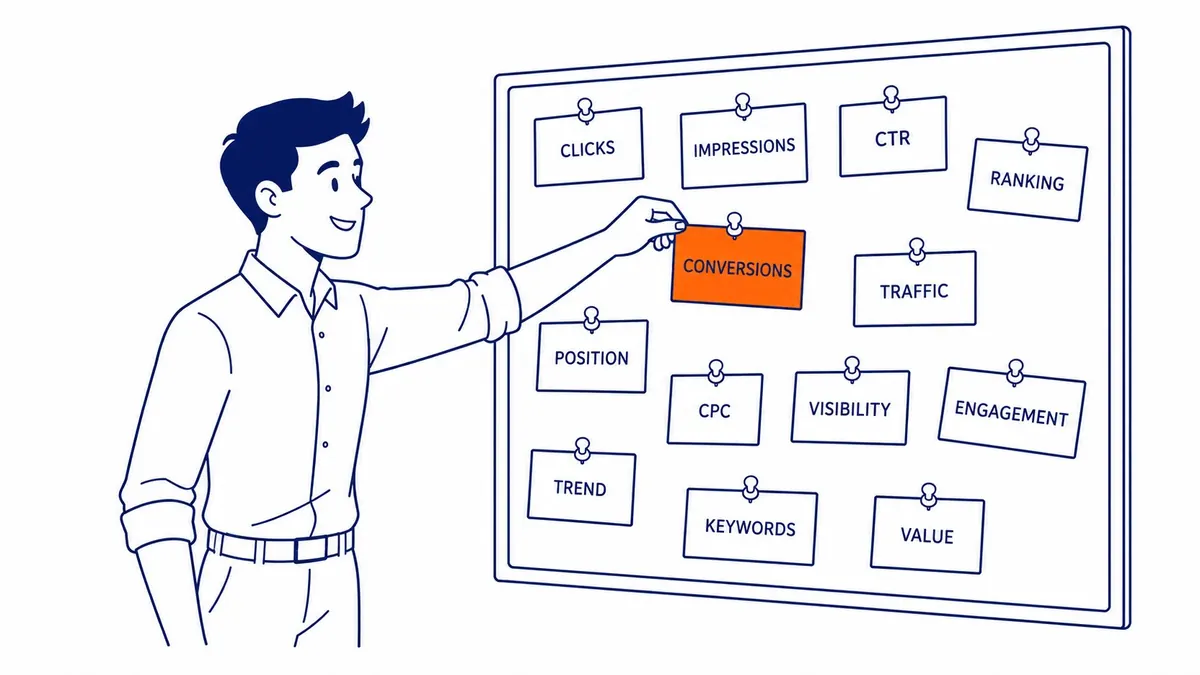
Plenty on that screen is no order. Clicks are a quantity. So are impressions. Conversions too, and so is the money behind them.
Those numbers add up properly. They average properly. Should one double, something really did double. So do your arithmetic over there. Then let the position be what it is. A statement about who stands in front of you.
One further reading costs nothing. Watch the rank for movement instead of level. It stirs before traffic does, and long before revenue. That is the real case for tracking rank.

Where the Keyword Performance Argument Stops
None of this makes a position worthless. An order is precisely what a results page is. So the number tells the truth about the only thing anybody asked it.
Nor does it excuse slow work. The complaint concerns what a column can display, never how long the work takes. Three to six months remains the plain answer.
An order can also turn absolute. Nobody on the fourth page is close to anything. Believe the number there.

How This Looks From Calgary
SEO Company To-The-TOP! has been doing this work in Calgary since 2007. A keyword report and a worry turn up here often enough. Four months in, the numbers have barely moved.
Often the answer is that the column cannot show what happened. So SEO work gets read differently here. Position for direction. Clicks and conversions for size. Good keyword research first, so the words measured were worth measuring. A website audit where the content is the problem rather than the plan.
No guarantees. To-The-TOP! runs white hat search engine optimization, one specialist, no junior handoffs. Some businesses need customers this quarter rather than next year. For them a Google Ads campaign buys customers on a timeline organic work cannot match. The To-The-TOP! portfolio shows the keywords this work has reached.
Open your own report. Take the keyword you care most about, then read the last six months. Now put one question to them. In which of those months did the work get done?
Should the line jump in month five, you will point there. Look at what you just did. You read an arrival and called it an effort. And should the line sit flat, you have learned nothing at all. Which is not the same as nothing having happened.
No statistic about somebody else’s keywords settles which of those you are looking at. Yours is on the screen.
Common Questions About Keyword Performance
How do you measure keyword performance?
Track impressions, clicks and conversions over months, with position beside them. Read the quantities for size. Then the position for direction.
Is average position a good SEO metric?
A weak one on its own. Position is an order rather than a quantity, so averaging it gives a figure that can improve while your best keywords fall.
Why do my rankings sit still for months?
Sometimes the rankings really are stuck. Other times the number simply cannot show you otherwise. A position reports arrival, never ground covered. So closing most of the way to the top prints exactly like closing none of it.
Should I track every keyword or only a few?
Track the handful you would spend money on. A long list adds rows nobody reads, then drags any average across it.
Does a higher position always bring more traffic?
No. Moving up at the bottom of a results page changes almost nothing, since few people get there. The same two places near the top change a business.
Contact Calgary SEO Company To-The-TOP!
Questions about anything in this article, or about your own rankings? Talk to a Calgary SEO specialist directly.
Phone: (403) 308-5949
Address: 1509 14 Ave SW, Calgary, AB T3C 0W4
Hours:
Monday to Friday: 10:00 am – 7:00 pm
Saturday: 12:00 pm – 4:00 pm
Sunday: closed