
What Is a Conversion Rate in SEO?
A conversion rate is the share of your visitors who did what you wanted. Conversions divided by visits. Then multiplied by a hundred, so it reads as a percentage.
That is the whole formula. It is also not why you are here.
Benchmarks live elsewhere on this site. So does the question of what counts as a conversion. How to wire the tracking up. What one is worth once you have it. All of that is settled. None of it is what this page is about.
A conversion rate is a fraction. And a fraction has two halves.

The Argument Is Always About the Top Half
Read anything written about conversion rate. Nearly all of it concerns the top number.
What counts as a conversion. Whether a form fill is really a lead. Then whether the phone call got recorded. Which one deserves the credit. What one is worth once it closes.
Every one of those is a question about conversions. Not one is a question about the people you divided by.
So the bottom half sits there doing half the arithmetic. Almost nobody looks at it.
In Paid Search, You Buy the Bottom Half
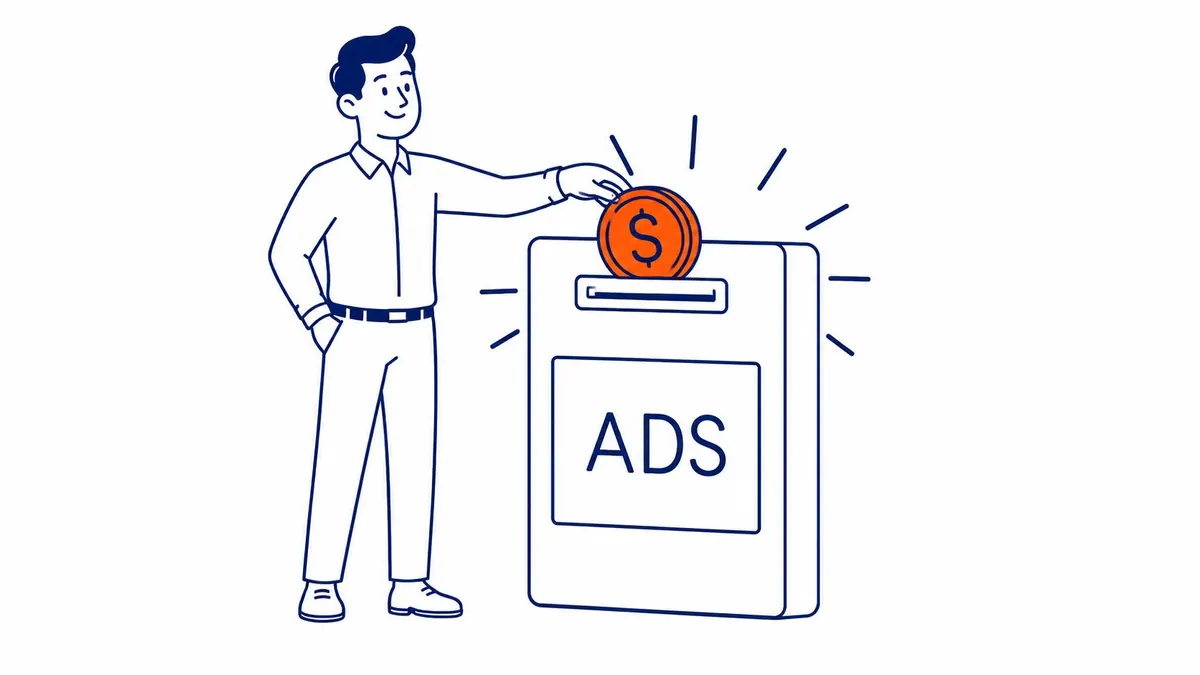
Open a Google Ads account. Look at what you did before a single visitor arrived.
You picked the keyword. Then a match type, which decides how far it may wander. You set a city. Also the hours. And you built a list of words that turn somebody away at the door before they ever cost you a penny.
Every click in that denominator arrived through a rule you wrote.
Plenty of those clicks were still waste. Broad match sprays you with queries nobody imagined. Only look at what you can do. You add the word to a list. Then that click never costs you again.
That is an exclusion rule. It runs before the money leaves. So the population under your paid rate is one you shaped.

In SEO, the Bottom Half Turns Up on Its Own
Now look at organic.
You did not choose who searched. Nor can you decline a visitor. Search hands you no list of people to turn away.
Somebody in Ontario reads your Calgary article. A student writing an assignment reads it too. Then a competitor checks what you are charging. Somebody who will never be anybody’s customer lands on it, then leaves.
All of them are in the bottom half of your fraction. Every one of them made your conversion rate worse. Not one of them was your decision. SEO conversion tracking at least shows which half of the fraction moved.
You Aimed at One Phrase. It Landed on Forty.
Somebody will object here, and fairly. You do choose, they will say. The keyword was yours. Then you wrote the page.
True. Only that is loose steering.
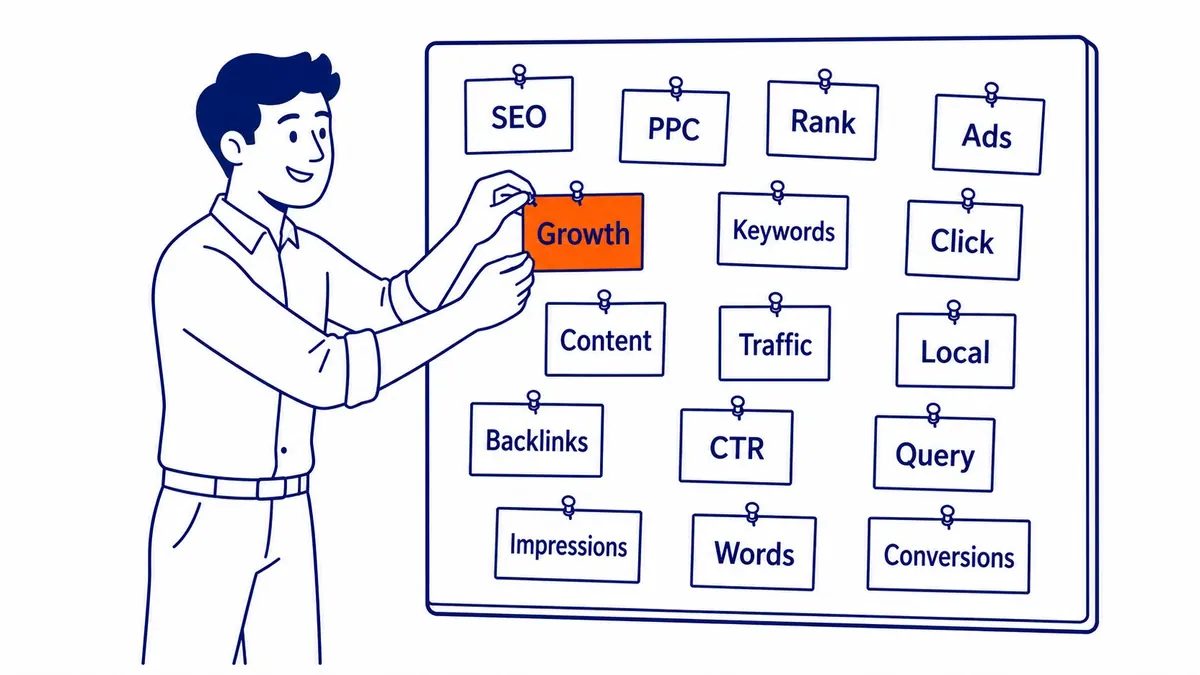
Aim a page at one phrase and it collects forty. You did not pick them. Nobody asked. Ads have negative keywords. In search, the filtering happens at the level of what you write, which is aiming rather than choosing.
So there is steering. It is simply steering with no brakes and no door.

Ranking Wider Lowers Your Conversion Rate
Here the fraction turns on you.
A page starts out ranking for one narrow phrase. Most people typing it know what they want. Your conversion rate on that page looks excellent, because the bottom half is small and made of buyers.
Then the SEO works.
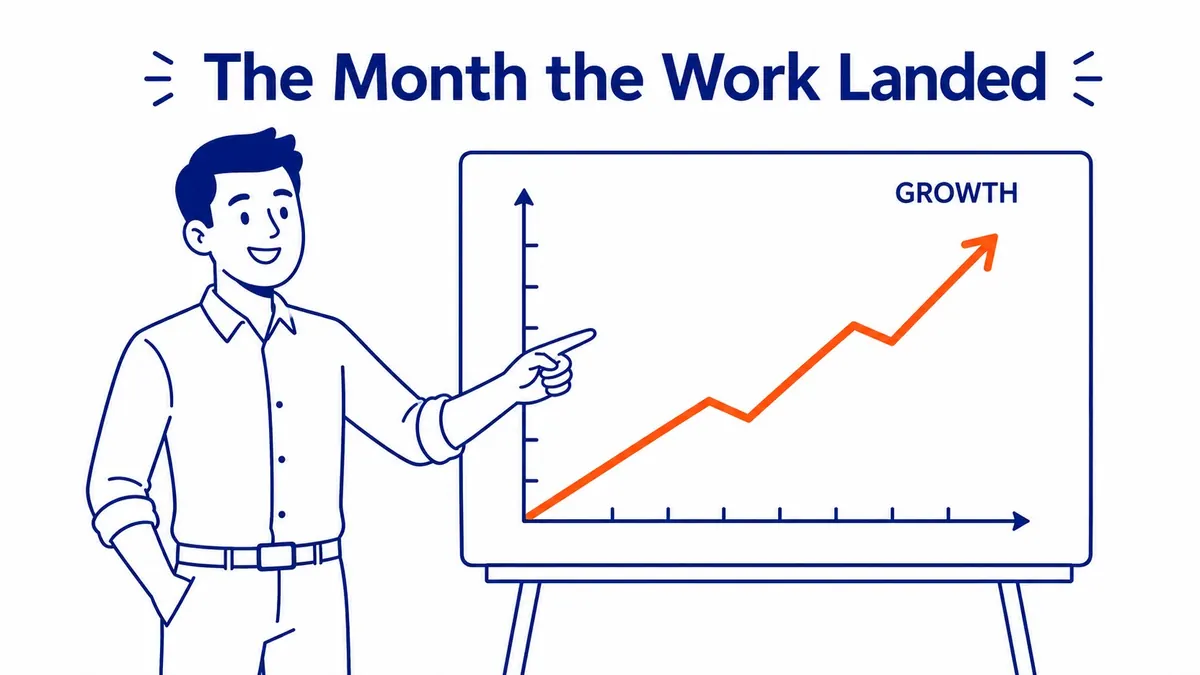
The page climbs. It starts appearing for broader searches. Then for the questions around the topic. It picks up people who are curious rather than ready. Traffic climbs. Conversions rise too, in raw count, because more buyers found you.
And the rate falls.
Nothing broke. Nobody made the page worse. The bottom half simply grew faster than the top half. That is what happens once a page ranks for more phrases than the one it was aimed at.
The Month the Work Landed
So somebody opens the report and reads a conversion rate well down.
Enquiries went up. The rate went down. Both are true, in the same month, on the same page. Only one of them makes it into the summary.
Then a decision gets made about a page that was working.
That is the cost of the number. A falling conversion rate is an ordinary thing for a page that has just started to rank.

Where the Conversion Rate Argument Stops
None of this makes a falling rate good news by default. Sometimes the page really did get worse. Perhaps the offer stopped being competitive. Or a rival started answering the question better than you do.
A rate can also fall because the people themselves changed rather than the mix of them. Different problem. Covered elsewhere on this site.
So the number is not lying to you. It answers plainly, and it answers a question you did not ask. Then it reports on your page and on a room you never picked, handing you one figure for the pair.
You will not pull them apart by staring.

What the Number Is Genuinely Good For
It is still worth having. Two conditions make it trustworthy.
The first is holding the traffic still. Compare one page against itself, month to month, while nothing about who finds it moves. Then a change in the rate really is a change in the page.
The second is refusing to read it site-wide. A whole-site organic conversion rate is one figure laid over every kind of visitor you have. It moves whenever the mix moves. And the mix moves whenever your SEO widens what you rank for.

Read One Page, Not the Whole Site
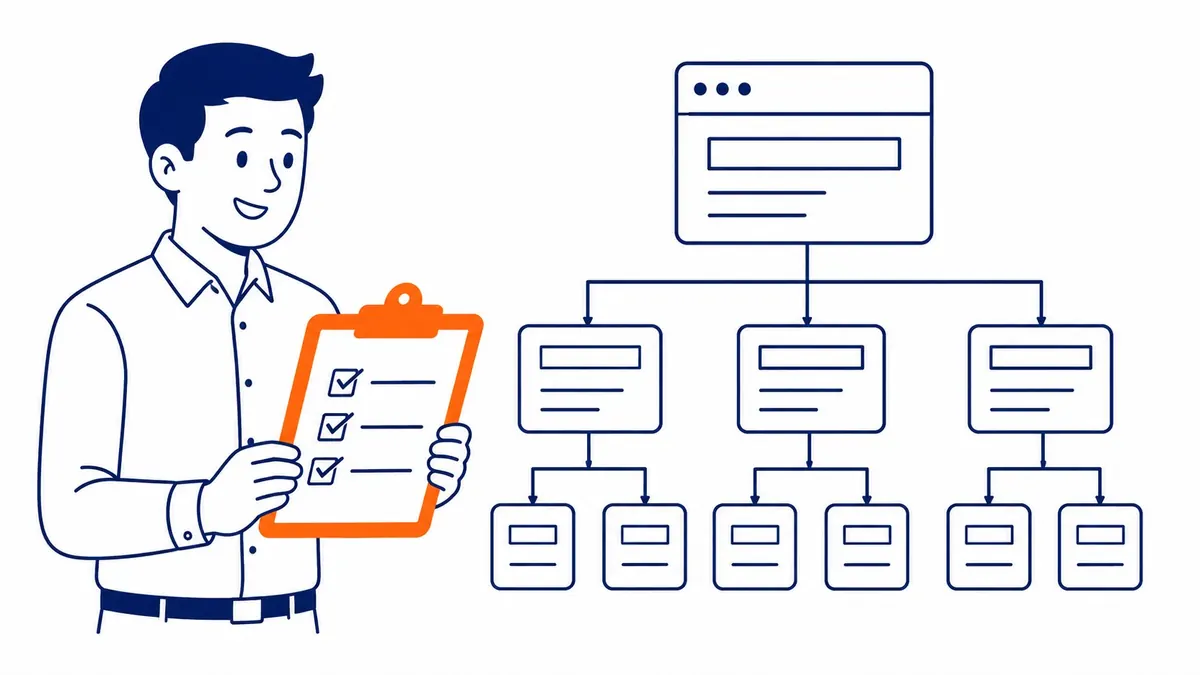
Break the rate out by landing page. Then read each against the job you gave it.
A service page pulling good traffic and taking no enquiries has a real problem. That is what a website audit is for. Meanwhile an article converting at almost nothing may be doing exactly its job. Getting a stranger through the door.
Same formula. Two different questions. Nobody can tell them apart from a percentage.
Try it on your own numbers. Take the page you are proudest of. Look at its conversion rate this year, then at what it ranked for a year ago. Widened phrases tend to pull a rate down. That is no verdict on the page. It is a verdict on the fraction.
Conversion Rate Work With To-The-TOP! in Calgary
SEO Company To-The-TOP! has been doing SEO in Calgary since 2007. Solo, so you talk to the person doing it.
Most of the useful conversation about conversion rate starts with keyword research. Who arrives gets decided long before anybody reads a word of your content. On the paid side the arithmetic is cleaner, and Google Ads management is where that conversation belongs. The question reaches To-The-TOP! often enough. Usually it is worth checking whether the traffic moved first. The portfolio shows where that work ended up.
No guarantees. Three to six months before anything meaningful shifts. Budgets tighten and the same question comes back, whether SEO in a recession still pays. Benchmarks get asked for constantly, a good conversion rate for Google Ads most of all.
Common Questions About Conversion Rate in SEO
What is a good conversion rate for SEO traffic?
Nobody outside your business can tell you. A benchmark averages companies selling different things at different prices. Yours has a bottom half no other business shares. Compare the page to itself instead.
Why is my organic conversion rate lower than my paid one?
Usually because it should be. You selected who went into the paid denominator. And you paid for the privilege. You aimed at the organic one. Nobody handed you anybody to exclude. The two numbers were rarely measuring comparable groups. So the comparison rarely settles anything.
My conversion rate fell but enquiries went up. What happened?
Quite possibly your SEO worked. More people found it. A wider set of people. So the ones who were never going to buy now sit in the arithmetic. Read the raw conversion count before you touch anything.
Should I try to raise my organic conversion rate?
Raise it on the pages built to convert. Leave it alone on the ones built to be found. Chasing a higher rate across the site can end with you deliberately ranking for less. Strange thing to pay somebody for.
Which conversion rate should I actually report on?
One page, one job, month over month. Then the raw number of conversions beside it. A rate on its own has been known to fall in a very good month.
Contact Calgary SEO Company To-The-TOP!
Questions about anything in this article, or about your own rankings? Talk to a Calgary SEO specialist directly.
Phone: (403) 308-5949
Address: 1509 14 Ave SW, Calgary, AB T3C 0W4
Hours:
Monday to Friday: 10:00 am – 7:00 pm
Saturday: 12:00 pm – 4:00 pm
Sunday: closed