
How Important Is Readability to SEO?
Readability matters. Not as much as the plugin panel suggests, though. Rarely in the way people assume, either.
The standard answer is settled and this site covers it elsewhere. Shorter sentences. Paragraphs of two to four lines. Fewer passive constructions. More transition words. Subheadings often enough that nothing runs on forever. All sound advice. Worth following, too. None of it repeated here.
This page is about the score instead. What it counts. Then what it cannot see, which is frequently why a reader gives up.
A Readability Score Grades Sentences One at a Time
Take apart any readability measure and the arithmetic is simple.
It counts words per sentence. Then syllables per word, or letters, depending which formula you are looking at. Some panels add passive constructions and a check on how often you open two sentences the same way. Nearly every one of those is a measurement taken inside a single sentence. The one exception compares a sentence against the one beside it.
That is as far as any of it reaches.
So the score has no view of the page. It has a view of a pile of sentences, each one measured on its own, then averaged. Whatever comes out describes the shape of your writing. Never the writing.
Put Your Paragraphs in Any Order. The Readability Score Does Not Move.

Here is the plain demonstration, and it takes a minute.
Copy your page into a document. Then move the paragraphs around. Put the last one first. Drop the middle section near the top. Make it something no reader could follow.
Now run the readability check again.
The number barely moves. Whatever does shift comes from something incidental, like a subheading landing in a different spot. Nothing was added. Nor did anything get removed. Every sentence is exactly as long as it was five minutes ago.
So the formula has no way of registering that the page stopped making sense.
That is not a flaw somebody will patch. It is what the measure is. Run the same test on your own site to check whether a document is SEO friendly before you trust the score. The truth about bolding follows the same pattern, since formatting rarely moves a readability score either.
Nobody Has Ever Read a Sentence on Its Own
Meanwhile a reader does something the formula never models.
They arrive somewhere in the middle. Then they carry what they read in paragraph two into paragraph five. A term gets used, and either it was explained already or it was not. Then a question turns up in their head, and either the next line answers it or the answer sits four sections away.
None of that is sentence length. All of it is order.
Which is why a page can go green on every check and still lose people. Every sentence short. So is every paragraph. Then the reader searches for a term halfway down, since nobody told them what it meant. The panel was satisfied. Meanwhile the reading was hard.
The reverse happens too. Plenty of long sentences read easily, because they arrive in the order somebody needed them.
Somebody Will Point at the Subheading Check

Fair enough. The subheading rule does look like a check on structure.
Only read what it asks. It wants a subheading every so many words. So it counts the gap. Nothing in it reads the subheading. Nor does anything compare one heading against the next.
Put your headings in the wrong order and it stays green. Which is the same blindness, one level up.
Where the Difficulty Usually Sits

Watch somebody read a page they did not write. The stumbles have a shape.
A word nobody defined. Then a step that assumes something from three paragraphs earlier. An answer buried under background the reader did not ask for yet. Also a comparison against a thing they have not met.
Not one of those is a long sentence.
Every one of them is a decision about what comes first. And a readability score cannot see one of them. Each is a fact about how two parts of your page sit together. Never a fact about either part.
What Readability Work Actually Pays
So the useful version of this job is reordering rather than shortening.
Answer the question the title asked before you explain anything about it. Define a term the first time it turns up, in the sentence where it turns up. Put the thing your reader came for above the background. Background is what somebody wants once they have their answer. Almost never before.
None of that shortens a sentence. All of it makes the page easier to read.
Then run the panel afterwards. Follow it where it makes the writing clearer. Ignore it where the suggestion would make your writing worse. Nothing in it knows your subject. Nobody there has met your customer.
Where the Readability Argument Stops
Nothing here says short sentences do not help. They do. People scan before they commit, and short paragraphs give them something to scan, which this site argues properly elsewhere.
Nor is any of this a ranking claim. Google has talked for years about writing clearly for people. No readability score is a Google score. How much weight any of it carries is not something anybody outside the company can settle. So this page will not pretend otherwise.
The claim is narrower than it sounds. A number computed sentence by sentence tells you about sentences. Your reader was never reading one.
Read Your Own Page Backwards
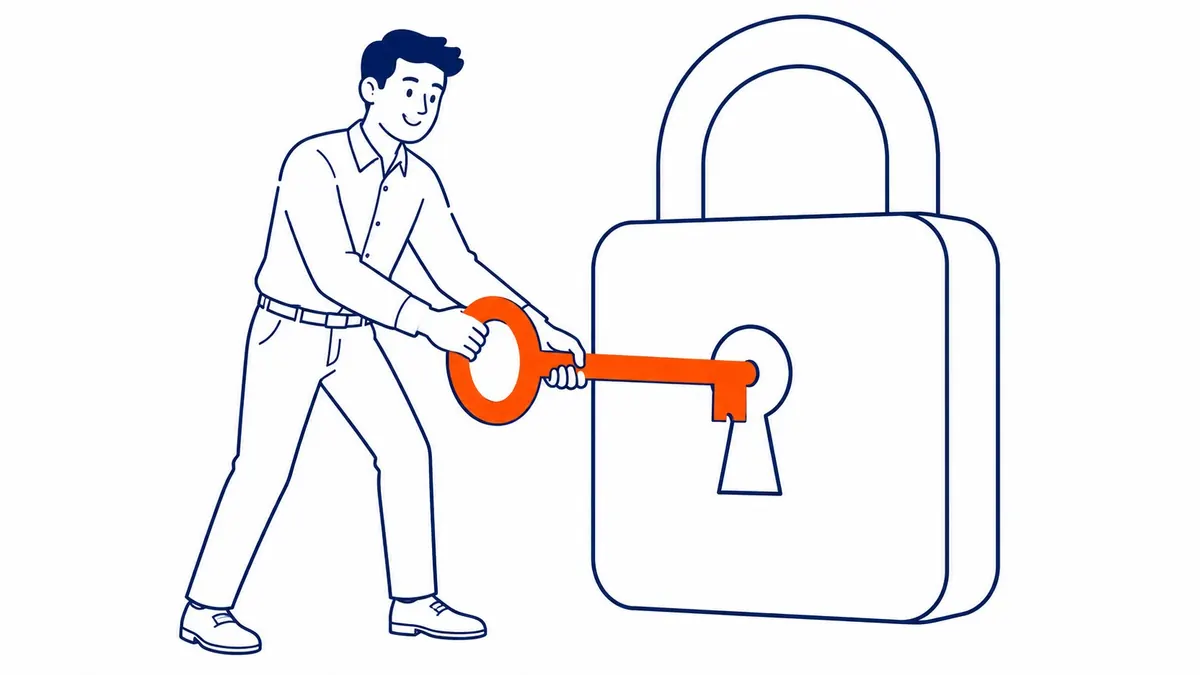
Try this on the page you most want people to finish.
Read it from the bottom up, one paragraph at a time. Nothing else. Then look for the first paragraph that makes sense standing there without the one above it.
Should nearly all of them stand alone, your page arrives in a sensible order. Whatever readability work remains is formatting. It is a short job. Do that and stop worrying.
Should you find a paragraph that only works because of something said earlier, ask whether it sits early enough. Frequently it does not. Then the fix is to move it rather than to cut it in half.
No score on any screen was going to tell you that.
Content and SEO Work for Calgary Businesses
A green readability panel and a page nobody finishes turn up together often enough here in Calgary. The first useful hour at To-The-TOP! often goes on the order of the thing rather than on the sentences.
SEO Company To-The-TOP! has been doing this work since 2007. Search engine optimization for businesses across Calgary, alongside keyword research that settles what a page is answering before anybody writes it. There is a portfolio of terms this work has reached in search as well. Then a Google Ads campaign, for whenever the traffic has to arrive sooner than patient work allows. No guarantees. Positions move over three to six months, and To-The-TOP! will say so before anything gets signed. A proper look at PPC shows exactly what that faster traffic costs before you commit budget to it. The basics of snippet in SEO matter too, since a page can rank well and still lose the click. What we cover on SEO writing shapes how every page gets built before the keywords go in.
Common Questions About Readability and SEO
Is readability a Google ranking factor?
Google has said clarity matters to the people arriving from search. No published readability formula is a Google score, though. Treat the panel as writing advice rather than as a ranking instruction.
What readability score should I aim for?
Nobody outside your own audience can set that number. A page for procurement managers and a page for homeowners are different jobs. Aim at being understood by the person you wrote it for.
Does splitting long sentences improve my rankings?
It improves the score, reliably. Whether it improves the reading depends on whether length was the trouble, and often it was not.
Should I ignore the Yoast readability panel?
No. Use it as a formatting check at the end. It catches real habits, so long as nobody mistakes a green light for a page that reads well.
What is the fastest readability fix?
Move your answer above your background. That one change does more for plenty of pages than a week of shortening sentences.
Contact Calgary SEO Company To-The-TOP!
Questions about anything in this article, or about your own rankings? Talk to a Calgary SEO specialist directly.
Phone: (403) 308-5949
Address: 1509 14 Ave SW, Calgary, AB T3C 0W4
Hours:
Monday to Friday: 10:00 am – 7:00 pm
Saturday: 12:00 pm – 4:00 pm
Sunday: closed