
Are Facebook Ads Cheaper Than Google Ads?
We hear this question from business owners every few weeks. Someone logs into Google Ads, watches a $4 CPC on a competitive keyword, then asks if Facebook would cost half as much. Sometimes it does. Other times the cheaper click costs more in the end.
Cost-per-click is one number. Cost-per-conversion is the number that pays the bills. Both metrics matter. They also often tell very different stories on each platform.
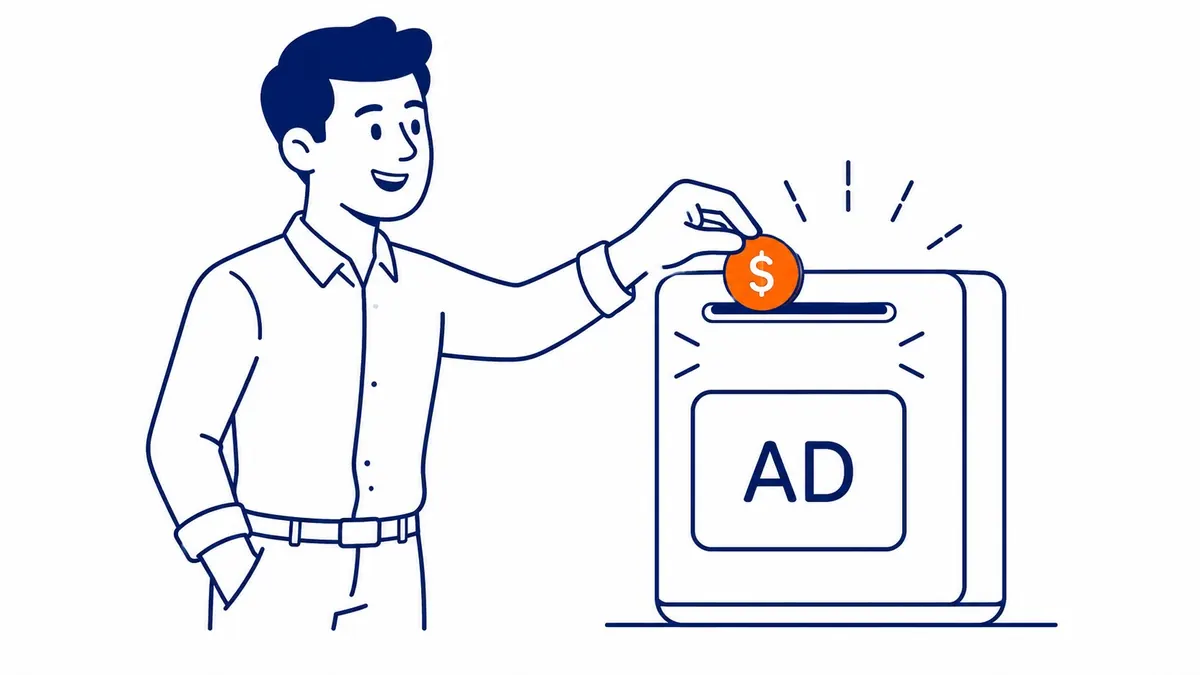
The Short Answer
Cheaper per click. Not always cheaper per result.
What the Numbers Say
Facebook Ads average roughly $0.94 CPC across most industries. Google search ads average $2 to $4. In competitive categories like legal and mortgage, Google clicks can run $15 to $50. Facebook rarely climbs that high.
$0.94 average. That is the Facebook number people cite most.
The raw gap is real. On a cost-per-click basis, however, Facebook usually comes out ahead of what even careful Google Ads management can deliver on search.
Why Averages Mislead
Averages hide the variable that matters most. Who clicked and why. A $0.94 Facebook click from someone mid-scroll is different from a $4 Google click. Different user. Not the same moment. The intent is completely different. That difference shows up in conversion rates. In close rates. Average order value too. Cheaper per click does not automatically mean cheaper per customer. Anyone weighing the two platforms cold should start with an introduction to PPC first.
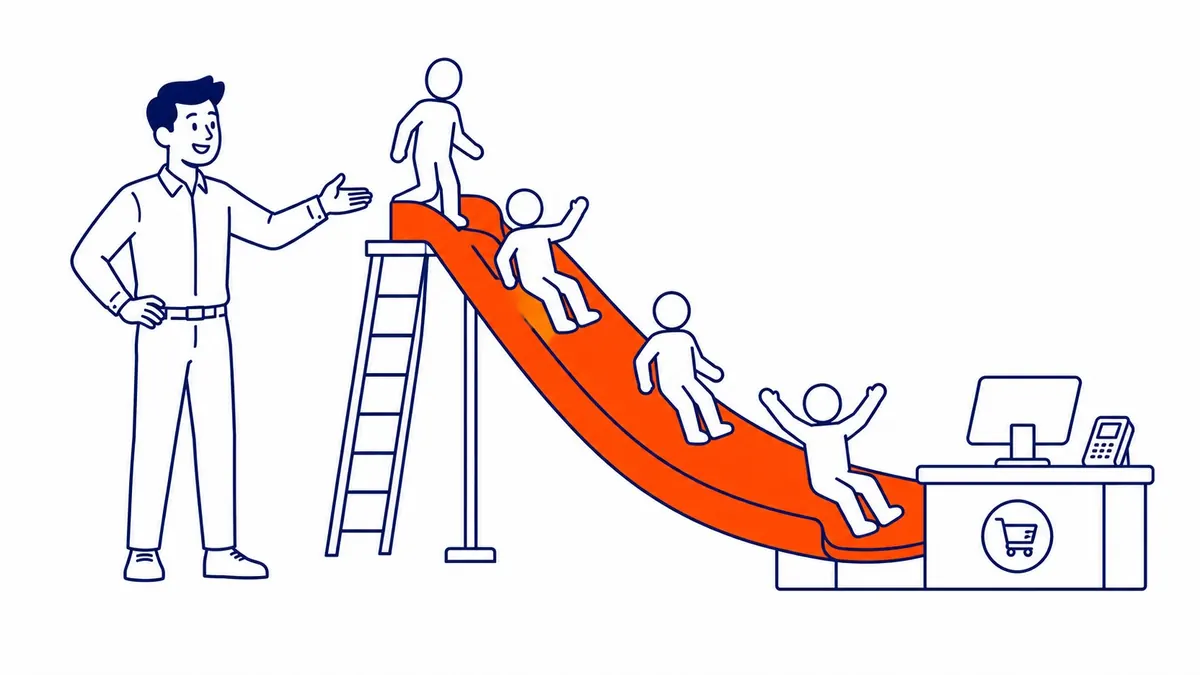
How Facebook Ads Are Priced
Not as simple as it looks.
The CPM Auction
Facebook’s ad auction is primarily CPM-based. CPM means cost per thousand impressions. The platform charges for reach, not just clicks. Your effective CPC depends on how many users actually click your ad. Better creative produces a higher click-through rate, which produces a lower effective CPC.
Most advertisers running CPC objectives on Facebook see CPCs between $0.50 and $2. B2C consumer products run on the lower end. Lead generation campaigns run higher. The Facebook algorithm rewards engagement. Ads that perform well cost less over time. The logic mirrors Google’s Quality Score system in that respect.
What Affects Your Facebook CPC
Audience size shifts cost significantly. Narrow targeting costs more per impression. Tight geographic areas or very specific interest combinations limit inventory, which drives prices up. Broader audiences also get lower CPMs. More users means more supply, which means lower average price per impression.
Meta owns Instagram. Facebook Ads run there by default. Messenger and the Audience Network are included too. Exclude them manually to limit reach to Facebook only. That extra inventory is part of why Facebook CPMs stay lower than Google search on most campaigns. More placements, more supply, lower average price.
Ad format affects cost as well. Feed placements typically run more expensive than Stories or Audience Network placements. Running a mix reduces average CPC without sacrificing total reach.

How Google Ads Are Priced
Search and Display behave very differently.
Quality Score and the Bid Auction
Google search ads charge on the click. You bid on keywords. Ad Rank (bid multiplied by Quality Score) determines actual position. Quality Score runs from 1 to 10. Keyword-to-ad match. Landing page fit. Historical click-through rate. All three drive Quality Score. Strong Quality Score produces lower CPC for the same position. Weak Quality Score costs you more for less.
We have seen Calgary accounts where a $2 bid outranked a $5 bid. Quality Score made the difference. Understanding this, and optimising around it continuously, is at the core of our Google Ads management work.
Search vs. Display: Different Cost Tiers
Display Network ads run across millions of third-party websites. Display CPC typically sits between $0.60 and $1.50. That is much closer to Facebook costs. Search is where Google gets expensive. Display is where businesses run brand awareness campaigns at rates that compete directly with social media advertising.
Google Shopping ads occupy their own category. Average CPC on Shopping runs $0.50 to $1.50 for most product categories. For e-commerce brands, Shopping can deliver Facebook-comparable CPCs while reaching users with stronger purchase intent behind each click. Service businesses have a fourth option, since leads in Google local services ads are priced per lead.
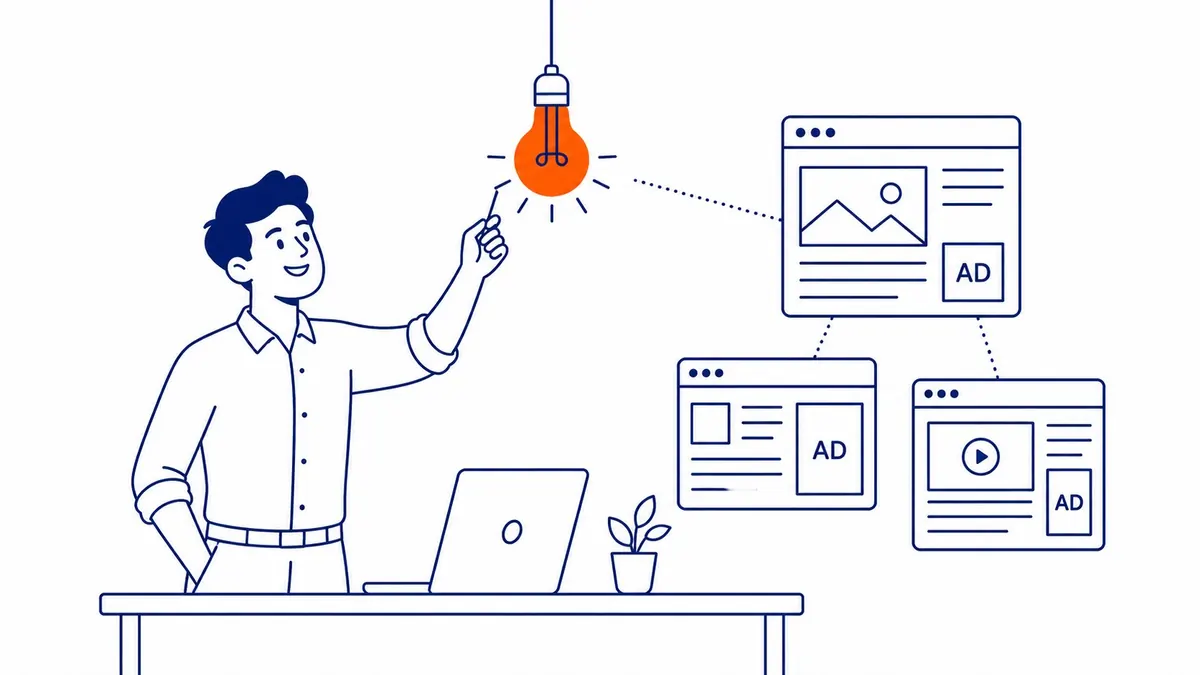
Intent vs. Interruption
This distinction changes the cost equation entirely.
How Search Intent Changes Conversion Rates
Someone clicking a Google search ad just typed what they want. “Furnace repair Calgary.” “Calgary SEO company.” “Dentist near me.” That search is a signal. The user wants something specific right now. That intent shows up in conversion rates. Well-managed Google Ads on search typically convert at 2 to 8 percent. The higher CPC, therefore, reflects that value. You are reaching someone who has already decided to look.
Why Interruption Advertising Has Its Own Value
Facebook shows ads based on who users are, not what they searched. Age, location, interests, behaviours, life events, past purchase patterns. The platform’s targeting is genuinely detailed. But the user was not looking. They were interrupted mid-scroll.
Interruption advertising builds demand before someone knows they need a product. A well-targeted Facebook ad reaches people who match the profile of your customer before they have started searching. The conversion path is longer. Someone sees a Facebook ad and thinks about it for a week. Then they search the brand on Google. The conversion happens there. Both platforms touched the sale. Still, neither one gets the full credit.
When Facebook Ads Are the Better Spend
Visual products and cold audiences.
Brand Awareness and Visual Products
New product launches and e-commerce brands tend to see strong Facebook results. Carousel ads showing product ranges. Reels placements with short video creative. Instagram feed ads with strong visual content. These formats fit what users are already doing on both platforms.
Facebook and Instagram also reach younger demographics at higher volumes than Google search does. For brands targeting users under 35, the inventory and targeting precision make these platforms the more efficient choice for brand awareness campaigns. The lower CPC helps stretch awareness budgets further.
Lookalike Audiences and Retargeting
Lookalike audiences are one of Facebook’s most useful targeting tools. Upload a customer list. Facebook builds an audience of similar users based on behavioural signals it already holds. For businesses with a customer database of 1,000 or more, lookalike targeting can outperform cold audience campaigns by a wide margin. Well-built lookalikes in less competitive markets have driven CPCs under $1 for some Calgary clients.
Retargeting also performs well on Facebook. A past website visitor who didn’t convert can see a follow-up ad days later. Retargeting conversion rates also typically outperform cold traffic campaigns on both platforms. The cost stays low because the audience is smaller and already familiar with your brand.

When Google Ads Are the Better Spend
Someone is already searching.
Local Service Businesses
HVAC companies see the strongest Google Ads results. So do plumbers. Dentists and local legal offices follow the same pattern. The person searching “emergency furnace repair Edmonton” is not browsing. They need someone now. Google captures that moment. Facebook cannot replicate it.
Local Services Ads place verified businesses at the top. Phone number and review count show before any click. For local service businesses, LSAs often deliver the lowest cost-per-acquisition of any paid channel. The conversion happens on the call, not on a landing page.
High-Intent Commercial Searches
Purchase intent peaks on commercial queries. Think “buy X near me” or “X Calgary price.” Google search is where those queries happen. For products people already know they want, Google Ads reach buyers at the moment of decision.
Thorough website keyword analysis determines most of the outcome on search campaigns. Broad match terms waste budget on unqualified traffic. Tight, intent-specific keyword lists with comprehensive negative keyword sets deliver better ROAS at the same spend level. This is where Google Ads management expertise shows up most directly in the results.
Is $5 a Day Good for Facebook Ads?
Enough to test. Not enough to convert.
$5 a day on Facebook buys roughly 500 to 700 impressions in most Canadian markets. Enough to test a single creative against an audience. Not enough to optimize for conversions at any meaningful scale.
The Facebook algorithm needs conversion data to improve. Fewer than 50 conversions per week and the campaign stays stuck in learning mode. At $5 a day, generating 50 weekly conversions is not realistic for most businesses. The algorithm keeps resetting and never stabilises.
Use $5-a-day budgets for creative testing only. Run two or three ad variations. Give each one a week. See which one gets clicked. Once you have a clear winner, scale the budget. At $5 a day, conversion optimization won’t happen. Finding the creative that works is still a valuable output. It is just not the same thing as running a real campaign.
Is $20 a Day Good for Google Ads?
In some niches, yes. Others, barely.
$20 a day on Google Ads delivers real results in low-competition categories. Niche products, service businesses in smaller markets, industries with $1 to $3 CPCs. At $20 a day, a well-structured campaign can generate 7 to 15 clicks. That is enough to measure conversion performance within 30 days and start making decisions.
In competitive categories, $20 disappears quickly. Legal keywords run $10 to $50 per click in Calgary. Mortgage terms push higher. That budget won’t cover enough clicks to learn anything.
$30 to $50 a day is the realistic starting point for meaningful Google Ads data in most Calgary markets. Lower budgets mean slower optimization. The algorithm needs conversion events. Trickle spending delays the learning cycle. Underfunded campaigns are one of the most common reasons Google Ads fails for small businesses here. Before setting that number, work out what good CPC for Google Ads means in your category.

Using Both Platforms Together
Most mature campaigns run both.
Facebook builds brand awareness. Google captures the search demand that brand awareness creates. These two things work in sequence. A prospect sees a Facebook ad. Three days later, they search the brand on Google. They convert through a branded search campaign. Facebook started the process. Google closed it.
Running both platforms together produces better overall ROAS for many businesses than either platform alone. The combination works because they cover different stages of the funnel. Facebook reaches people before they are searching. Google reaches them at the moment they search.
Attribution Challenges When Running Both
Running both platforms simultaneously creates an attribution problem. Google Ads and Facebook Ads both claim credit for the same conversion. Last-click attribution gives all credit to Google when a social touchpoint came first. Facebook’s view-through attribution claims impressions as conversions in the other direction. Neither version tells the full story.
Multi-touch attribution, however, splits credit across interactions. It is more accurate but harder to set up and maintain. For businesses spending under $5,000 a month total across both platforms, multi-touch attribution is probably overkill. Track total revenue. If revenue grows at acceptable margins with both channels running, both are contributing. That is ultimately the only attribution model that matters for most small businesses.
The Long View: Paid Ads vs. SEO
Worth considering before committing the full budget to paid.
Paid ads stop the moment the budget stops. Every click costs money, indefinitely. An SEO company in Calgary builds organic rankings that generate traffic without a cost-per-click attached. The economics are very different over 12 to 24 months.
For businesses that need leads immediately, Google Ads management starts delivering results in weeks. Those thinking long-term will find that search engine optimization compounds over time. Paid ad spend does not.
Many Calgary businesses run both. Paid ads, moreover, fund current revenue while SEO builds for the long term. Organic traffic also eventually reduces dependence on paid channels. That is the most common structure we recommend for Calgary businesses with monthly budgets between $1,000 and $5,000. The portfolio shows what organic results actually look like for local businesses here. Worth reviewing before deciding where to allocate the marketing spend.
Frequently Asked Questions
Which is cheaper, Facebook ads or Google Ads?
Facebook Ads typically cost less per click. Average Facebook CPC runs around $0.94 across most industries. Google search ads average $2 to $4. That gap is real. It also matters less than most people expect, however. Conversion rates on Google search still run higher because the user was already searching for the product. Cheaper clicks from people who weren’t looking rarely produce cheaper conversions.
Is $20 a day good for Google Ads?
In low-competition niches, yes. $20 a day drives real results in categories with $1 to $3 CPCs. In competitive industries, $20 runs out fast. Legal and mortgage keywords in Calgary can cost $10 to $50 per click. Two clicks and the budget is gone. $30 to $50 a day is the realistic minimum for most Calgary businesses. Run that for at least 90 days before drawing conclusions.
Is $5 a day good for Facebook ads?
For testing ad creatives, yes. Running conversion campaigns is a different story. The Facebook algorithm needs roughly 50 conversions per week to optimize properly. At $5 a day, that conversion volume is not achievable for most businesses. Use $5-a-day budgets to discover which creatives get clicked. Then scale the budget once you have found the winning variation.
What is the cheapest platform to run ads?
Facebook and Instagram typically offer the lowest average CPCs across most industries. Google Display and YouTube can match those rates on a CPM basis. Search, however, is the most expensive per click. It is also often the most cost-effective per conversion for high-intent products and services. The cheapest platform depends on what you sell. Who your customers are matters too. Where they are in the buying process changes the answer.
Contact Calgary SEO Company To-The-TOP!
Questions about anything in this article, or about your own rankings? Talk to a Calgary SEO specialist directly.
Phone: (403) 308-5949
Address: 1509 14 Ave SW, Calgary, AB T3C 0W4
Hours:
Monday to Friday: 10:00 am – 7:00 pm
Saturday: 12:00 pm – 4:00 pm
Sunday: closed