
Do SEO Marketing Plans Work?
A Calgary business owner asked this exact question two weeks into her contract with SEO Company To-The-TOP! She’d paid for SEO once before. Nothing moved. Six months, zero rankings, a cancelled invoice she still resents. Yes, SEO marketing plans work. That’s the short answer. The longer answer explains why hers didn’t, and what actually separates a plan that produces results from one that just produces invoices.
Most failed SEO marketing plans share the same root problem. Nobody built a plan at all. A vendor sold a package instead. It ran a handful of generic tasks and called that strategy.
What an SEO Marketing Plan Actually Does
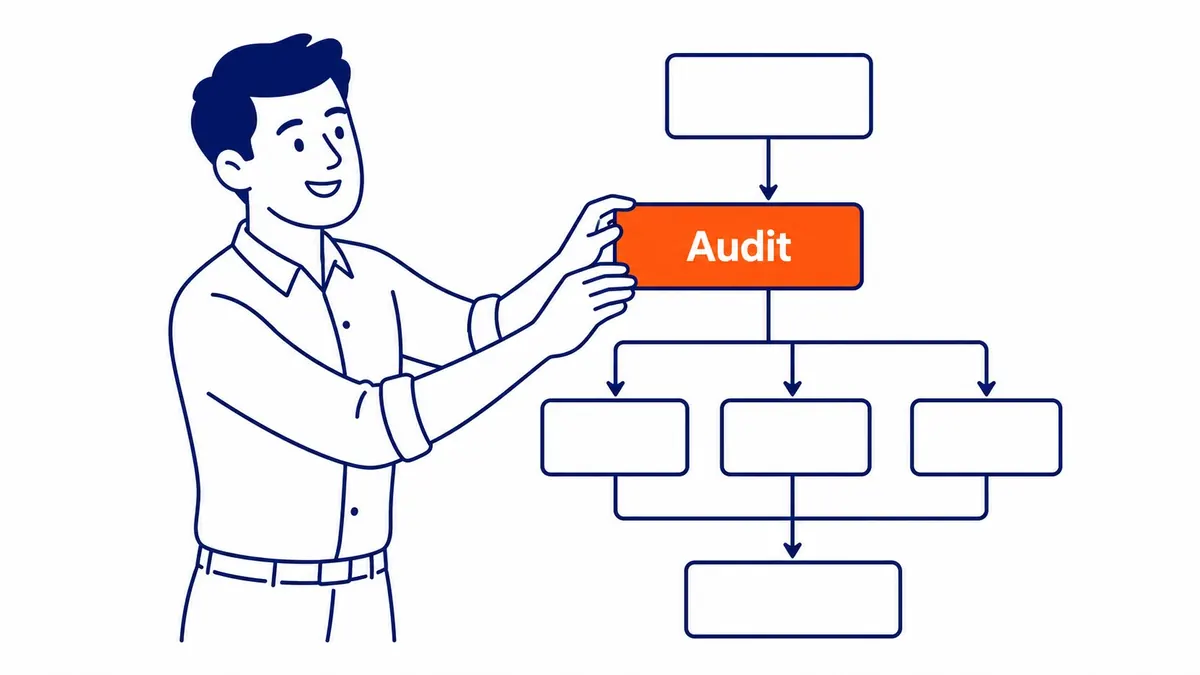
A real plan starts with an audit. What’s broken on the site right now. Slow pages. Missing title tags. Thin content that never answers the question a searcher typed in. That audit sets the priority order for everything after it.
Keyword research comes next. Not guessing at terms. Pulling the actual phrases customers type into Google, then matching content to what they’re looking for. On-page work follows. Titles, headings, internal links, page structure. All of it gets tuned to match the searcher and the crawler reading the page.
Content production and off-page work run alongside that. New pages targeting gaps competitors already own, plus backlinks from sites Google actually trusts. Tracking ties the whole thing together. Rankings get checked monthly. Traffic and conversions do too, never guessed at. Skip that tracking step, and nobody can tell a working plan from a wasted budget until the invoice arrives.

Why Some SEO Plans Fail
Guaranteed-ranking promises sell something nobody can actually deliver. Nobody controls Google’s algorithm. Not agencies, not consultants, not anyone. Claiming otherwise sells a story, not a strategy. Google adjusts its ranking systems constantly. A plan built around a fixed promise breaks the moment the algorithm shifts underneath it.
Thin content causes almost as much damage. Five hundred words rarely earns a spot on page one for a competitive term. It costs money to produce and returns nothing. Bargain-priced link packages cause the opposite problem. Spammy links from directories nobody visits can actively hurt a site instead of helping it.
The quieter failure mode shows up more often than any of those. A business hires an agency, gets a few reports, then stops checking in. Rankings stall. Results stop coming in, and nobody notices because nobody’s watching anymore. A plan without regular review isn’t really a plan anymore. It’s a subscription nobody’s using. Reviewing how SEO works before signing anything saves a lot of that wasted money. Spend and patience pull against each other, and that tension is the balancing act in SEO.
How Long Before SEO Marketing Plans Work
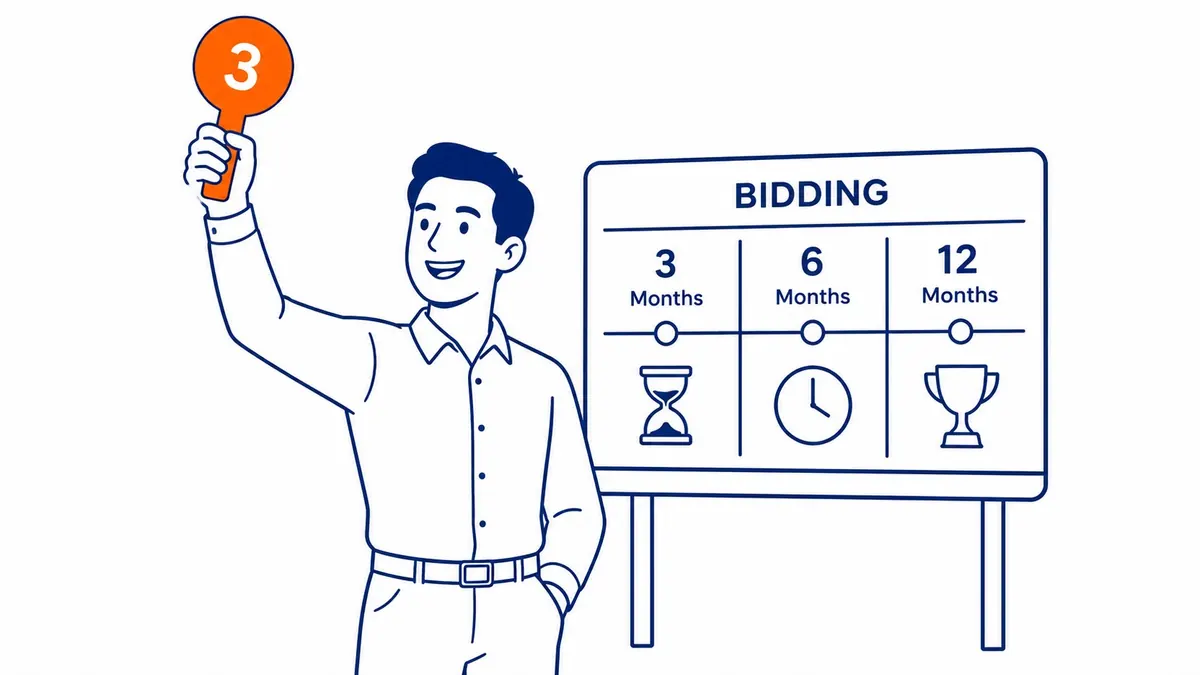
Three to six months, typically, before meaningful movement shows up. Competitive terms in a crowded market push that further out. That timeline frustrates business owners used to paid marketing, where clicks arrive the same afternoon a campaign launches.
SEO runs on a different clock. Google needs time to crawl new content. New signals take time to weigh. Site authority takes even longer to earn. Rushing that process doesn’t speed it up. It usually triggers penalties instead. A site chasing immediate results with aggressive keyword stuffing or spammy backlinks risks losing whatever rankings it already had.
The payoff for waiting is durability. Pages ranking well after months of consistent SEO work tend to hold that position without new spending every week. Paid ads stop the moment the budget does. Organic rankings keep working quietly in the background long after that. Local campaigns follow a slightly different clock, and how long local SEO takes is its own question.

Does the ROI Justify an SEO Plan
Paid ads make ROI easy to see. Spend a dollar, track the click, calculate the return the same week. SEO hides that math for longer, which makes some owners nervous about the investment before results show up on paper.
The math still works, once enough time passes. A page ranking organically keeps pulling traffic without a per-click charge attached. Compare that to a paid campaign running the same twelve months. The organic page usually ends up cheaper per visitor, by a wide margin. That gap widens the longer the page keeps ranking.
Tracking makes that return visible instead of theoretical. Rankings get compared side by side regularly. So do organic traffic and actual leads. One page climbing in position but generating zero calls gets flagged and reworked. Another holding steady while conversions climb gets left alone. Guessing at ROI wastes budget. Measuring it protects the investment already made.

What Makes SEO Marketing Plans Work
Consistency beats intensity almost every time. A site publishing one strong page a month for a year usually wins out. One that dumps twenty pages in a single week, then goes quiet, rarely does. Google rewards sites that keep showing up.
Customization matters just as much. A dental practice in a crowded market needs a different mix of tactics than a manufacturer with almost no local competitors. One template plan applied to both wastes budget on one side, and undersells opportunity on the other. Good keyword research catches that difference early, before a single page gets written.
Tracking closes the loop. A monthly website audit catches problems before they compound. Broken links, dropping pages, a competitor suddenly outranking a page that held steady for months. Businesses running Google Ads alongside SEO often see the clearest picture. Paid data shows which keywords convert right now, and that data feeds straight back into the organic strategy.
Where To-The-TOP! Draws the Line
Nineteen years of Calgary SEO work taught one lesson above the rest. A plan works when someone stays accountable to it, steadily, not just at the signing.
One solo practitioner handles every account here. No handoff. Nobody passes the file to a junior technician who never speaks to the client directly. The same person building the keyword strategy also runs the monthly report. That person answers the phone too, when a client has a question. Accountability separates a plan that works from one that quietly stalls. Most of it comes down to that.
Frequently Asked Questions
Do SEO marketing plans really work?
They work when built around a real audit. Ongoing content matters just as much. So does monthly tracking. Skip those steps, and a plan rarely produces lasting results.
How long does an SEO marketing plan take to show results?
Three to six months, typically, for meaningful movement to show up. Competitive industries take longer. So do crowded markets.
Why do some SEO plans not work?
Guaranteed-ranking promises cause a lot of that damage. Thin content and spammy link packages add to it. So does a lack of ongoing tracking. A plan nobody reviews stops being a plan.
What should a good SEO marketing plan include?
A site audit comes first. Keyword research matched to real search terms follows. On-page fixes and content production come next. Off-page link building rounds it out, alongside monthly performance tracking.
Is SEO worth the investment compared to paid ads?
Most marketing budgets have room for both, and for good reason. Clicks arrive immediately with paid ads. SEO costs more patience upfront. A ranked page keeps pulling traffic without a per-click charge, though, month after month.
Contact Calgary SEO Company To-The-TOP!
Questions about anything in this article, or about your own rankings? Talk to a Calgary SEO specialist directly.
Phone: (403) 308-5949
Address: 1509 14 Ave SW, Calgary, AB T3C 0W4
Hours:
Monday to Friday: 10:00 am – 7:00 pm
Saturday: 12:00 pm – 4:00 pm
Sunday: closed