
How to Boost Video SEO
Boost it where? The question sounds pedantic. It decides everything you do next.
Your video sits in two rank orders at once. YouTube keeps one. Google keeps the other. Same file, two different judges. They do not want the same things from you.
So most advice on how to boost video SEO arrives with the important half missing. Optimize the title, it says. For which rank order? Nobody asks. Then a business spends a year raising the one it never needed.
One File Sits in Two Different Rank Orders

Start with what each system is actually looking at.
YouTube watches behaviour. Somebody clicked through. What happened next is the whole measurement. They stayed or they left. Afterward they watched another one, or they closed the tab.
Google watches text. It cannot sit through your footage. What it reads is the page holding the video, plus whatever metadata rides along. That signal list got settled elsewhere already, over on what video SEO covers. Take it as given here.
Now notice the overlap in controls. You get one title. A single description. One opening minute. Then a decision about where it lives. Both systems read that same small set of choices. Neither scores them the same way.
Which is the whole problem. It appears on no checklist anywhere.
You can watch the confusion play out in how businesses report on video. Somebody pastes in a view count. Then somebody else asks what it did for the website. Both numbers are true. They come from different rank orders, so neither one answers the other.
YouTube Ranks What Happens After the Click

Watch time. Retention through the middle. Whether the viewer keeps watching on the platform afterward. Those move an upload up inside YouTube.
Every one of them gets scored after the click. Nothing you write earns them directly. Your title only has to be good enough to get somebody in the door. The rest is the film’s job.
That explains a pattern businesses find confusing. A plain, literal title often outranks a heavily optimized one. Optimized for what, though. The keyword bought the click. Then the viewer left. Forty seconds in. And it slid back down where it started.
Local businesses hold a real advantage in this rank order, incidentally. Competition inside YouTube search tends to stay thin on service-specific queries. Nobody else in your trade is filming.
Google Ranks the Page, Not the Footage

Move across to the other rank order. The levers change completely.
Google ranks a page. Your video is one element sitting on it. So the surrounding text does the work. How well that page answers the query matters too.
Say you embed a long walkthrough on a services page. Google is reading the services page. It reads the title tag. The copy under it. Whatever the headings say. The footage itself contributes almost nothing on its own.
Which means the footage can be superb while the page ranks nowhere. Also the reverse. An ordinary clip on a well-built page does fine, because the page was the thing getting ranked.
Nothing unfair about that. A different question is simply being asked.
Check which contest you are actually entered in. Open the page holding your video. Now take the embed out mentally. What survives? A heading and two lines of copy? Google has nothing left to rank there.
Somebody Will Say a Video Ranking on YouTube Ranks in Google Too

Fair objection. It is also true, which is exactly why it deserves slowing down on.
Videos do appear in Google results. A video carousel loads for plenty of how-to queries. Rank well on YouTube and you have a genuine shot at that slot.
Then follow the click. That result points at youtube.com. Your viewer lands on YouTube’s page rather than yours. Around it sits a sidebar of other people’s videos.
Test that on a query you care about. Search it yourself. Look at whose domain the video result carries. Almost always youtube.com. Rarely the business that paid for the filming.
So the double win is real enough. Most of it just belongs to YouTube. You won a slot in Google’s results. Then you handed the visit to a platform measured on keeping people there.
Worth saying plainly, though. That can still be the right trade. Brand recognition counts for something. A viewer who finds you beats one who never does. Just call it what it is, instead of counting it as traffic to your site.
Somebody Will Say the Description Link Handles It

Put your website link in the description. Everybody does. It is the standard answer to the problem above.
Go and check the number yourself. Open your analytics. Filter referrals down to YouTube. Now compare that against the view count on the same videos.
Most businesses have never run the comparison. The ones who do tend to go quiet for a second.
That link works, mind you. It works at the rate description links work, which is nothing like what the view count implies. A viewer who is watching does not want to stop watching. YouTube spent years training exactly that behaviour.
Still, the description is where the two rank orders touch. So front-load it. First two lines. Above the fold, where somebody might actually see it.
Somebody Will Say Optimize the Video for Both
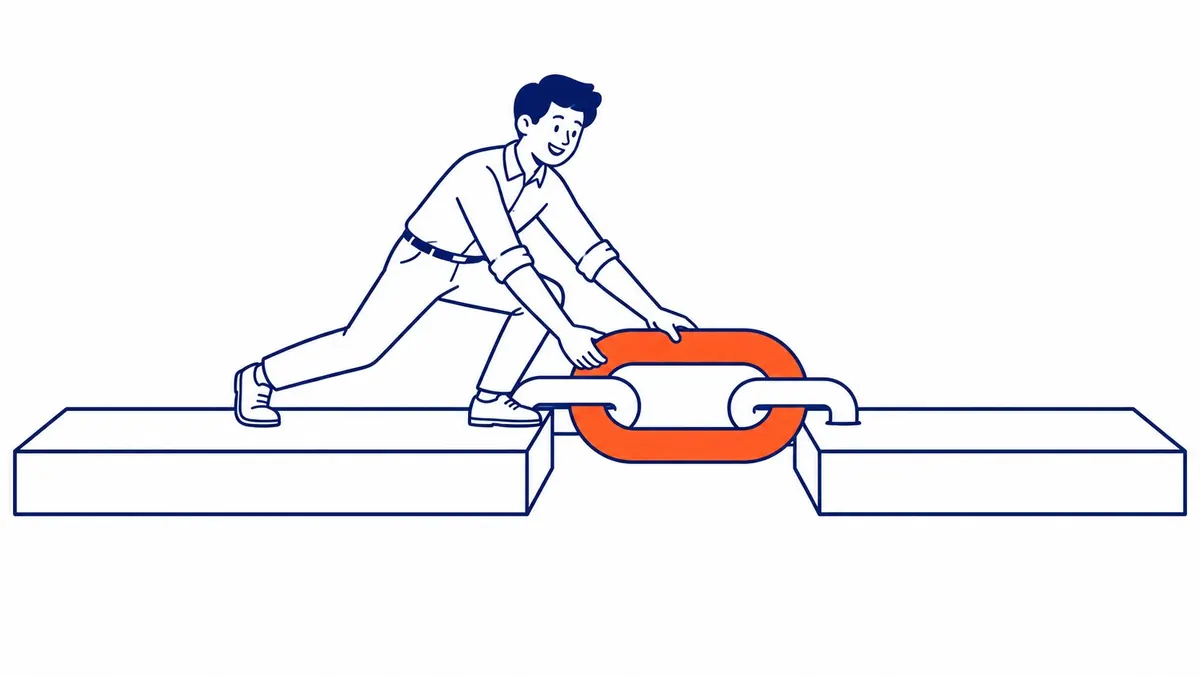
Sensible instinct. Try it on the title and watch it break.
A YouTube title competes inside a grid of thumbnails. It fights for a click against nine other pictures. Curiosity works there. So does a face.
A Google video title competes in a list of links. Somebody typed a specific query. They scan for the exact words they typed.
You get one title. Write it for the grid and it reads vague in the list. Aim at the list instead and it reads flat in the grid. No wording satisfies both. Pretending otherwise is how titles end up satisfying neither.
Runtime splits the same way. YouTube rewards the video that holds somebody a long while. Your page visitor wants the answer. Then wants to go.
The Two Moves That Cost the Other Rank Order Nothing
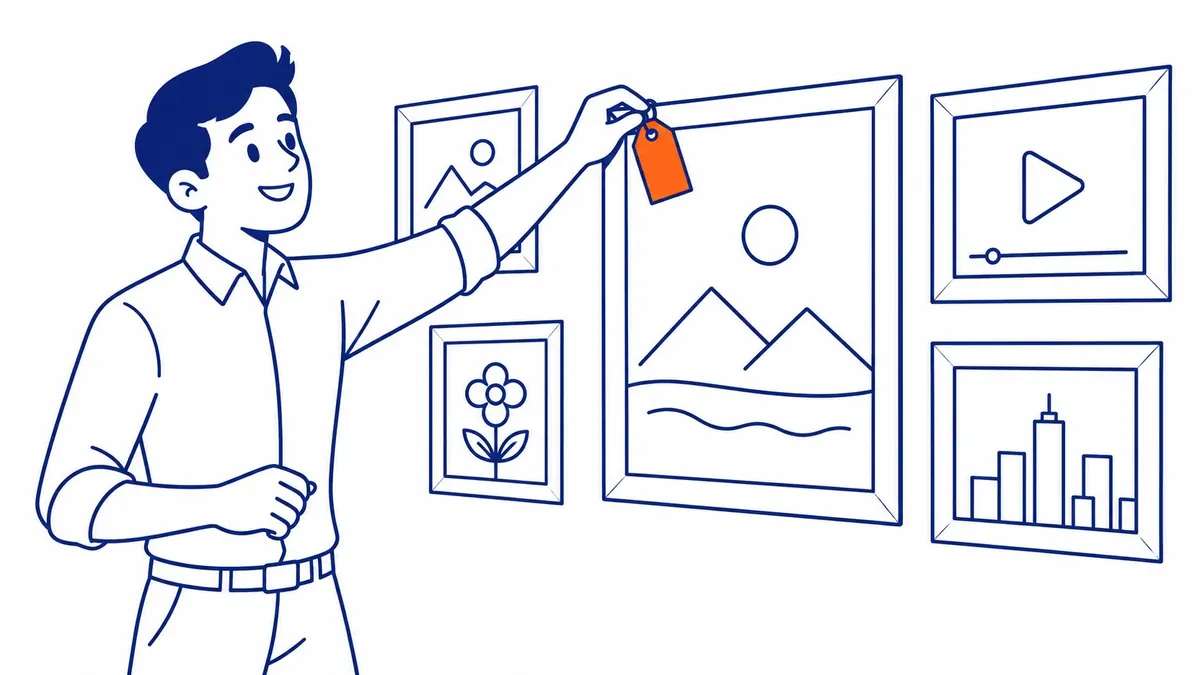
A couple of moves boost both rank orders. Worth doing first, since nothing gets traded away.
Answer in the opening. Say what the video covers before anybody has time to leave. Retention improves inside YouTube. Your page gives up nothing, because Google was never watching that part anyway.
Then give each video its own page. Most businesses build one gallery page and pile everything onto it. A dozen videos. One URL. A single shot at ranking.
Split them instead. One video per page. Matched to one query, with real text around it. Now each has a query it can win. The fuller version of that idea lives over on how transcripts improve SEO.
Neither move costs the other rank order a thing. Rare, that. Do both before you touch a single tag.
Name the Rank Order Before You Upload

Here is the practical version of all of it.
Ask what the video is for. Audience, or customers. Those are different goals. They do not share tactics.
Want audience? Optimize for YouTube. Hold attention. Point viewers toward the next video. Accept that most will never visit your site.
Want customers? Then the video is an element on a page you own. Build the page around a query first. Embed it into the page. Judge the result on whether the page ranks. Then on whether anybody who lands there phones you.
Both are legitimate. Picking neither is the failure. That happens to be the default.
Which query, though. Answering that is keyword research work, done well before the camera comes out. Film the answer to something people search for. Not the video your sales team wanted.
Where Boosting Video SEO Stops

Limits, since every method has them.
None of this rescues a video nobody wants to watch. Retention is not a settings problem. Somebody reading a brochure aloud for ten minutes will lose viewers regardless of the title.
Nor does any of it apply to every query. Plenty of searches return no video results whatsoever. Google decides which queries want video. You get no vote there.
And the timeline is the usual one. Months rather than weeks. A channel with a handful of uploads gives YouTube almost no history to judge.
One more limit worth naming. Everything above assumes you can edit the page the video sits on. Plenty of businesses cannot, because it lives on a platform somebody else controls.
Video SEO Work for Calgary Businesses
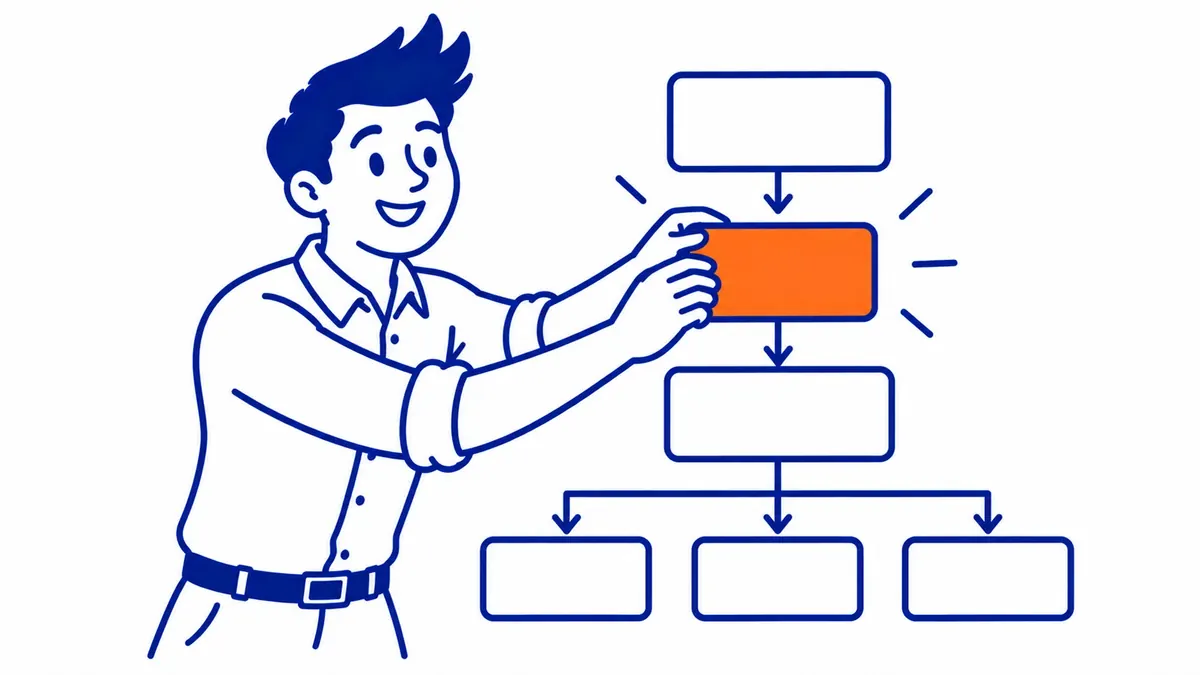
Video sits at the edge of search engine optimization. Never at the centre of it. SEO Company To-The-TOP! has been doing this work since 2007. The video conversation usually arrives before the site is ready for any traffic it might bring.
So a website audit tends to come first. A viewer who clicks through to a slow, thin page converts nobody. That holds no matter how the video performed.
One channel skips the ranking question entirely. Google Ads can place a clip in front of people this week. No watch-time history required. Money instead of months. That is the trade Google Ads asks of you.
For businesses already running SEO in Calgary, the ordering matters more than the tag list ever will. Fix the page. Then film.
Common Questions About Boosting Video SEO
How do I boost video SEO on YouTube and in Google at the same time?
Partly, at best. Two moves help both rank orders at once. Answer the question in the opening seconds, which protects retention. Then give the video its own page with real text around it. Past those, the systems pull apart. One title cannot serve a thumbnail grid and a list of search results equally.
Does embedding a YouTube video on my page help that page rank?
Indirectly, and less than most people hope. Google ranks the page. An embed can hold visitors longer, which is a decent sign. The footage itself contributes little without text around it. A page with an embed and no copy is still a thin page.
Should I host videos on YouTube or on my own site?
Depends which rank order you want. YouTube hosting builds a channel and a search presence you do not own. Self-hosting keeps visitors on your domain and gives up the platform entirely. Most businesses upload to YouTube and embed, which is reasonable. Just be clear that the channel is the asset being built.
How long before video SEO shows results?
Months. YouTube needs watch data before it can judge anything. A new channel supplies almost none. On the Google side you are waiting on normal page ranking timelines. Three to six months is the realistic window for any boost worth reporting.
Do tags still matter for video SEO?
Barely. Tags help YouTube with spelling variants and little else. The title does more. So does the description. Most of the weight sits in what viewers do after they click. Businesses spend a strange amount of time on tags because tags are the easiest field to fill in.
Contact Calgary SEO Company To-The-TOP!
Questions about anything in this article, or about your own rankings? Talk to a Calgary SEO specialist directly.
Phone: (403) 308-5949
Address: 1509 14 Ave SW, Calgary, AB T3C 0W4
Hours:
Monday to Friday: 10:00 am – 7:00 pm
Saturday: 12:00 pm – 4:00 pm
Sunday: closed