
How to Choose a PPC Agency: Questions to Ask and Red Flags
To choose a PPC agency, work through six checks before you sign: decide what a lead or sale is worth to you, find out who will run the account day to day, make sure the Google Ads account stays in your name with Admin access, understand how the fee is calculated, verify any Google Partner badge, and ask how tracking and reporting will work. An agency that answers all six plainly is worth a closer look, and one that dodges any of them usually becomes expensive later. This guide explains each check, the rights Google’s own policy already gives you, and the questions to take into the first call.
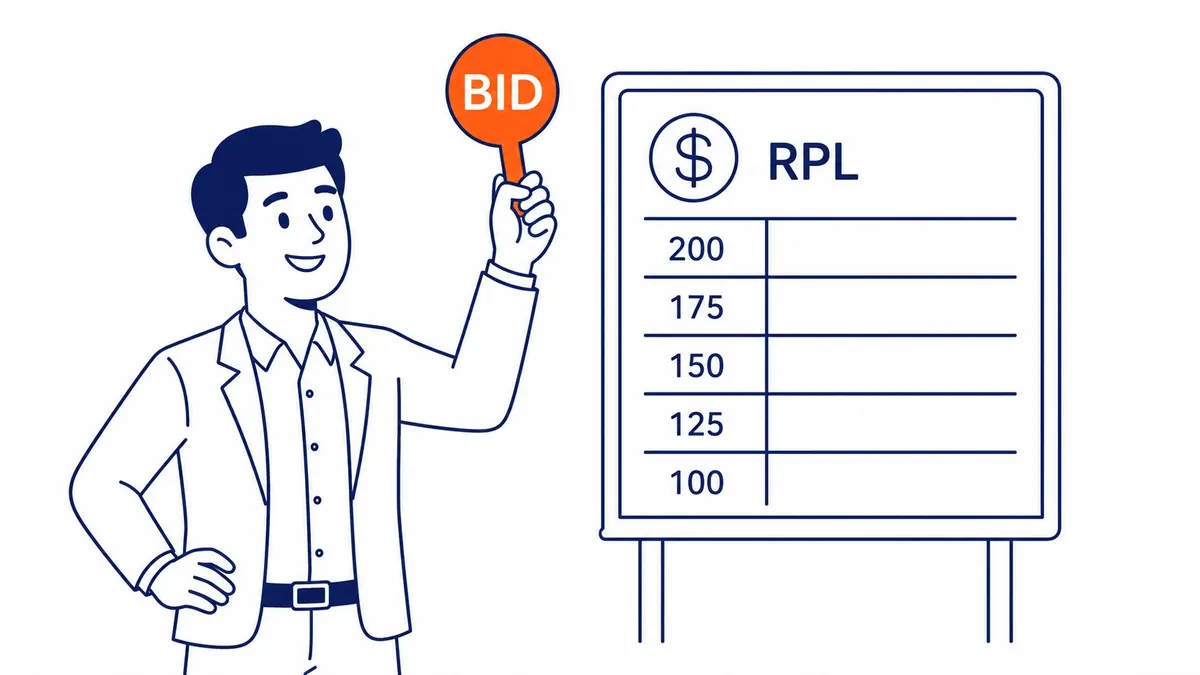
Decide what you are buying before the first call
Most mismatches between a business and its agency come from a goal that was never written down. Before you talk to anyone, decide what a good result looks like in a number you can check, such as a cost per lead, a number of booked calls each week, or a return on ad spend for an online store. Then decide what you can spend on the ads themselves, which is paid to Google and is separate from whatever the agency charges to manage them.
Run the arithmetic on those two numbers before you compare agencies, because it tells you whether the goal is realistic. As an illustration only, a $2,000 monthly ad budget with a target of $150 per lead works out to about 13 leads a month. Add a hypothetical management fee of $800 and the real cost of each lead rises to about $210. If that number does not work for your business, no agency can fix it, and a good one will tell you so in the first conversation rather than after three invoices.
The type of campaign matters as well. A Calgary plumber who needs calls from people searching “furnace repair near me” needs a different skill set from an online store running Shopping and Performance Max campaigns, or a B2B firm with a sales cycle that lasts months. Ask each agency which campaign types it runs most often and for which kinds of business, and give more weight to direct experience with your type than to a long list of industries.

Who will actually run the account?
The person who sells you the service is often not the person who manages your campaigns. In a larger agency the work may go to an account manager who looks after many clients, or to a contractor you never meet, and that is not wrong in itself as long as you know about it. Ask for the name and role of the person who will make the changes in your account, how many other accounts they look after, how often they will work on yours, and what happens if they leave.
Smaller providers trade scale for continuity. SEO Company To-The-TOP!, for example, is a solo practice in Calgary, so the person who quotes the work is the person who does it, with no handoff to a junior. A larger team brings more hands and more specialists, so the right answer depends on how complex your account is. What matters in either case is that you know exactly who is responsible and can reach them.

Keep ownership of the Google Ads account
This is the check that protects everything else. The Google Ads account should be created in your business’s name, paid with your card or invoiced to you, and you should hold Admin access. Google’s access levels page shows why Admin is the level to keep: only an Admin can grant or remove access, change access levels and unlink a manager account. Google also suggests adding at least one additional administrator, so that tag management is not interrupted if one person becomes unavailable.
Agencies normally link your account to their own manager account, and that is fine, because the link can be removed and your campaigns, history and conversion data stay with you. If you need to give a new agency access yourself, the steps to add a user to a Google Ads account take a few minutes. The arrangement to avoid is one where the agency builds your campaigns inside an account it owns, because when you leave, the history and the learning that Smart Bidding has built up stay behind.
Google’s third-party policy also requires agencies to use a separate account for each advertiser they manage, so an agency that runs several clients from one shared account is breaking Google’s rules. Apply the same ownership test to landing pages, call tracking numbers and the Google Analytics 4 property. Ask in writing what you keep if the contract ends, and expect a clear answer.
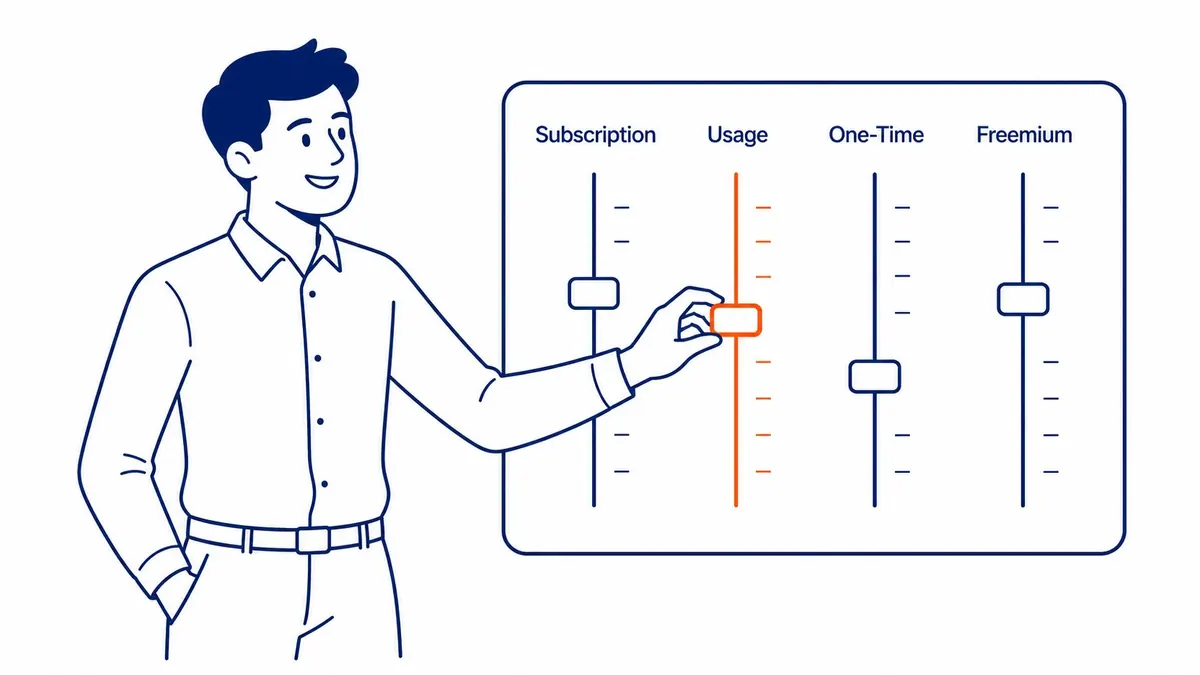
Read the fee model and what it rewards
PPC agencies charge in four common ways: a flat monthly fee, a percentage of ad spend, an hourly rate, or a fee linked to results, sometimes as a base retainer plus a bonus. Each model rewards something different. A percentage of spend grows when your budget grows, so ask the agency when it last told a client to spend less. A results-based fee can push the work toward easy, low-value conversions, so check exactly what counts as a result. A flat fee is the easiest to compare, provided the proposal lists what the fee covers each month.
Some Calgary agencies publish their management fees, which gives you a useful reference point. As checked on their own pages on 30 October 2026, Andy Kuiper charges its SEO clients $350 a month to manage Google Ads, Kobzza lists Google Ads management at $1,000 a month with no setup fee (Kobzza does not state a currency), and GrowME lists campaign management at $500 to $3,800 a month plus a campaign startup of $25 to $3,000. LTL Creative, another Calgary agency, describes 10% to 20% of spend as typical for accounts spending more than $10,000 a month. The first three are each agency’s own published prices and the last is one agency’s view of the market, so none of them is a survey.
Google requires agencies to be open about the fee. Under its transparency requirements, an agency that charges a management fee must tell new customers in writing before the first purchase and show the fee on every invoice, and any Google cost it reports to you must be the exact amount Google charged, with no fee folded in. With any provider, To-The-TOP! included, ask for the management fee and the ad spend as two separate numbers before you compare offers. There is more on fee structures in the guide to what PPC agencies charge.
Contract terms deserve the same attention as the fee. Ask how long the minimum term is, how much notice you must give to leave, whether there is a setup fee, and who owns the ads, keywords and landing pages written during the contract. A short first term with a defined scope is a reasonable request, because it lets both sides find out whether the fit is right.

Verify credentials, then watch for red flags
A Google Partner badge tells you more than most owners assume, but less than many agencies imply. According to Google’s Partner requirements, the agency’s manager account needs an optimization score of at least 70%, at least USD 10,000 of ad spend over 90 days across the accounts it manages, and at least half of its account strategists certified in Google Ads. Premier Partners are the top 3% of participating companies in a country. The badge shows that an agency manages a certain volume of spend and follows Google’s recommendations to a degree, but it does not show whether your campaigns will be profitable, and a skilled specialist who manages a small amount of spend may not qualify at all.
You can check a badge in seconds, because Google’s advertiser guide to working with third parties says that clicking a genuine badge takes you to the company’s profile page on Google. The same guide lists warning signs Google wants advertisers to report, and two of them open the list below, followed by three more that are worth treating the same way:
- A guaranteed ad position. Google states that no one can guarantee a specific position on its search results, because position is set by an auction that runs on every search.
- Guaranteed conversions or leads. No agency controls what people do after they click, so a promised number is either a sales line or a figure that will be met by counting low-value actions.
- No access to cost and performance data. At a minimum, you have the right to know your clicks, impressions and total cost, and agencies must give you your Google Ads customer ID when you ask for it.
- An account you do not own. If the agency will not create the account in your name, assume you will start again from nothing when you leave.
- Reports built on impressions and clicks alone. Those numbers describe activity. The report that matters shows cost per lead or sale and the conversions behind it.

Tracking, reporting and the first months
Ask every agency how it will measure conversions before it spends a dollar, because bidding and reporting are only as good as the tracking behind them. A competent answer covers which actions count (calls, form submissions, bookings or purchases), how calls are tracked, whether conversion actions are imported from Google Analytics 4 or set up directly in Google Ads, and how the agency checks that conversion tracking is set up properly. If an agency plans to launch campaigns and sort tracking out later, the first months of spend will teach the bidding system the wrong lessons.
It also helps to know what Google Ads currently offers for attribution, so you can judge the answer. According to Google’s page on attribution models, the first click, linear, time decay and position-based models are no longer supported, which leaves data-driven attribution (the default for most conversion actions) and last click. An agency that still talks about first-click reporting inside Google Ads has not kept up.
Be wary of firm month-by-month promises. Google says a Smart Bidding strategy can show a “Learning” status for up to seven days and that performance adjusts over the course of your conversion cycle, so a business whose customers take weeks to decide will need longer to judge than one that takes calls the same day. A reasonable agency gives you a review plan for the first 90 days and explains what it will change and when, without promising a particular cost per lead in month one.
Finally, plan how you will compare agencies. Google advises testing third parties one at a time rather than splitting a budget between two, because it does not show more than one ad for a business on a page of search results, which makes a side-by-side test difficult. If you already have an account and are unsure whether the current manager is doing a good job, an independent PPC audit of the existing campaigns is usually a better first move than switching.
Questions to ask a PPC agency before you sign
| Question | A good answer | A warning sign |
|---|---|---|
| Who will make changes in my account, and how many accounts do they manage? | A named person and a plain answer | “The team handles it” |
| Whose name is the Google Ads account in, and what access will I have? | Yours, with Admin access | The agency’s account, or read-only access for you |
| What is the management fee, separate from ad spend? | Two separate numbers, in writing | One blended monthly figure |
| What does the fee cover each month? | A specific list of tasks and reports | “Ongoing optimization” with no detail |
| How will conversions be tracked before launch? | Named actions, call tracking and a test plan | Tracking left until after launch |
| What will the monthly report show? | Cost, conversions and cost per conversion | Impressions and clicks only |
| What is the minimum term and how do I leave? | A short term and a clear notice period | A long lock-in with exit fees |
| Can you show your Partner badge or certifications? | A badge that links to a Google profile, or certificates on request | A badge image that links nowhere |
If you would like a second opinion on a proposal you have received, or on an account an agency already runs for you, call SEO Company To-The-TOP! at (403) 308-5949. The practice is based in Calgary, works with businesses across Alberta and British Columbia, and offers Google Ads management by a Google Ads certified specialist, alongside SEO.
Contact Calgary SEO Company To-The-TOP!
Questions about anything in this article, or about your own rankings? Talk to a Calgary SEO specialist directly.
Phone: (403) 308-5949
Address: 1509 14 Ave SW, Calgary, AB T3C 0W4
Hours:
Monday to Friday: 10:00 am – 7:00 pm
Saturday: 12:00 pm – 4:00 pm
Sunday: closed