Is There an Age Restriction on Google Ads?
Two questions get bundled under that phrase. Who can run ads and who sees them. Both matter to advertisers running any type of campaign.
To-The-TOP! has been providing the Google Ads management Calgary businesses rely on since 2007. Age comes up often, in two ways. Some clients ask whether a teenage family member can still set up or manage the account. Others want to know whether their ads will reach people under 18. This particular question comes up often from businesses that recently hired a younger marketing assistant. Different questions, different rules.
The short version: yes, there are age restrictions. Both angles are covered below.
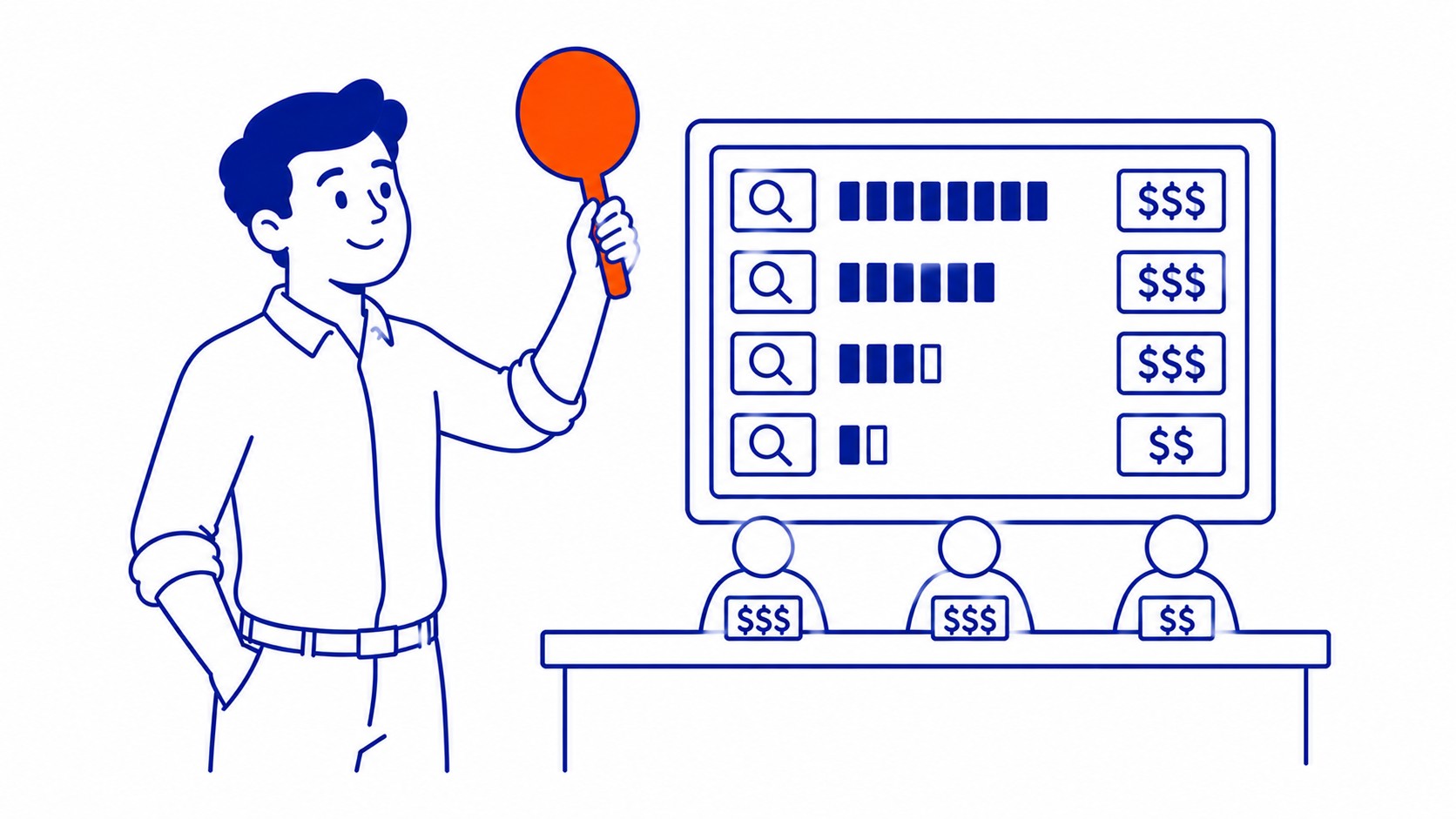
Who Can Run Google Ads: The 18+ Account Requirement
No workaround here.
An advertiser must be 18 or older to create a Google Ads account. Google’s terms require it. Someone under 18 cannot sign up or even be the primary account holder.
This surfaces in family businesses. A teenager helping with marketing can be added as a user under an adult-held account. Standard access or manager-level, depending on what tasks they handle. User roles in Google Ads run from Admin down to Read Only. None of them require the user to be 18. Only account ownership does. The account still stays under the adult’s name.
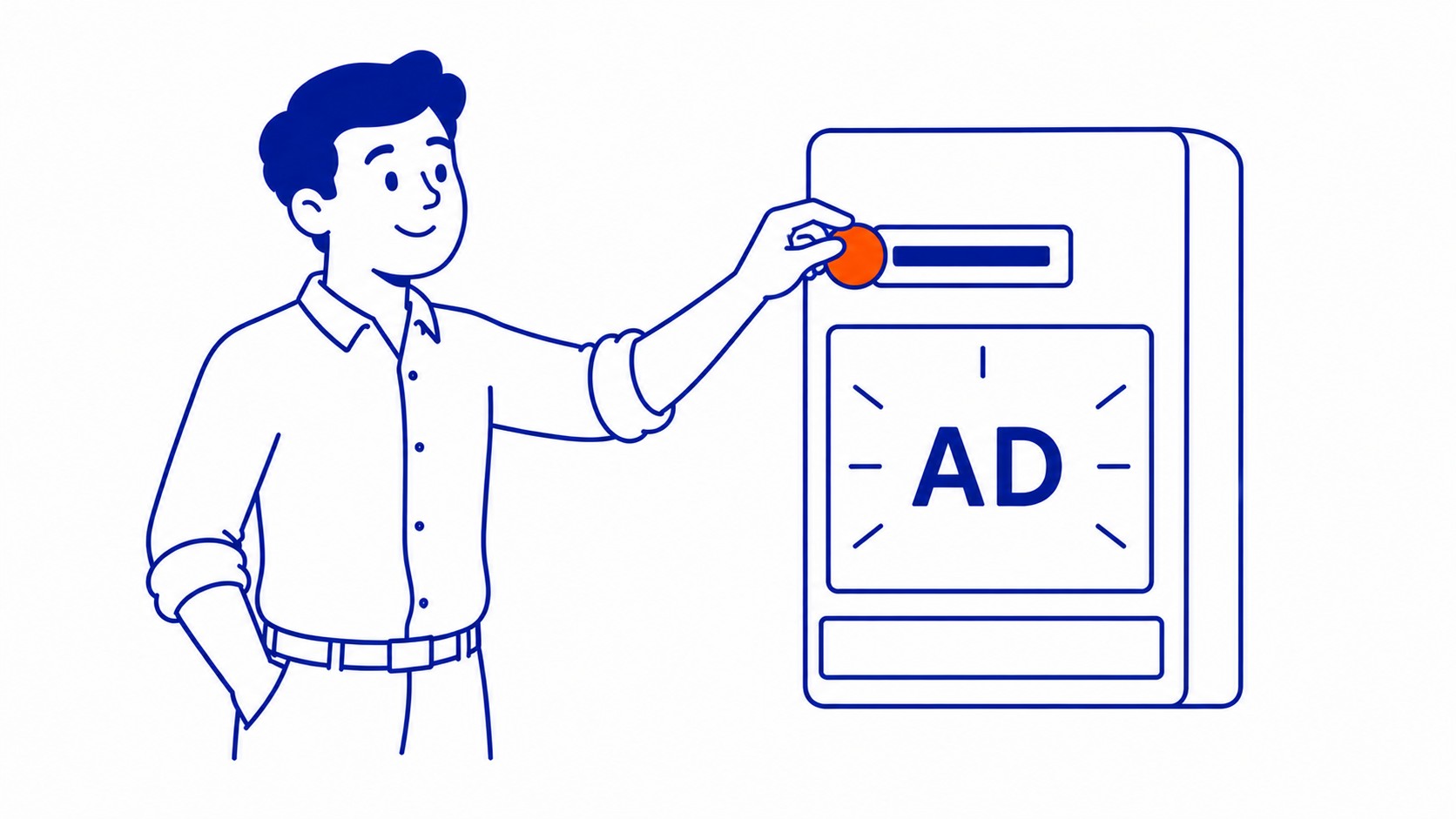
Accounts get flagged occasionally when the verified age falls short. The result: a suspended account. Reinstatement requires age verification, typically a government ID uploaded through Google’s system. It does not happen often, though. Worth knowing before handing login access to anyone under 18. Once the account holder question is settled, building a display campaign is the next step.
How Age Targeting Works in Your Google Ads Campaigns
Brackets. Not a simple on/off.
Age targeting in Google Ads runs across seven groups. The youngest starts at 18-24. Then 25-34, 35-44, 45-54. After that, 55-64 and 65+. And Unknown. That last bracket still matters most in practice.

Unknown covers people whose age the system has not confirmed. Someone browsing without a logged-in Google account often lands there. Excluding Unknown cuts reach. Most campaigns leave it in. For age-restricted products, however, serving your ads to unconfirmed users carries compliance risk.
Age groups also combine with gender and parental status. These layers sit inside the Demographics section of your account. A Calgary retailer selling infant gear might narrow to 25-44, parents, any gender. Financial firms often focus on 45-64 instead. Layered well, your ads reach a tighter audience without sacrificing volume unnecessarily.

Bid adjustments by age group are worth running once the data supports it. Say the 35-44 bracket converts at twice the rate of 18-24. +25% bid adjustment on the older bracket. That lifts position for top-performing people without shutting out the rest. Display campaigns and Demand Gen campaigns also use the same Demographics panel. Age targeting carries across both.
It helps to have your keywords researched properly before making those choices. If organic data from a Calgary SEO agency points to a certain age group driving most conversions, that bracket warrants stronger bids in paid search too. The channels tend to agree. Google already assumes an age bracket for you, which is worth checking by finding your Google Ad profile.
Sensitive Categories and How the Platform Blocks Ads from Reaching Minors
Some products carry hard restrictions.
Alcohol and gambling ads fall under the platform’s sensitive category list. Adult content and certain financial products do too. Advertisers in these categories cannot target people under 18. The platform also blocks delivery to minors by default across all campaign types.

Since 2023, the system estimates user age from behaviour using machine learning. Even for people who are not logged in. Ads for sensitive categories still do not reach users the system estimates to be underage. Search, Display, and YouTube are all covered.
YouTube has its own layer for teens aged 13-17. Interest-based and behavioural targeting does not apply in those placements. Only contextual targeting is available instead. Advertisers who set up interest or audience targeting will find those audiences excluded for minors automatically.

The Unknown bracket is the grey area for sensitive categories. An alcohol advertiser leaving Unknown included is technically reaching some people the system cannot age-verify. The platform restricts delivery in most of those cases. Still, the cleanest compliance move is to exclude Unknown and limit your ads to confirmed 18+ audiences.
One safeguard is to have us manage your Google Ads, since a proper account review catches these settings. Easy to miss at campaign setup. Worth checking before any age-sensitive campaign goes live. A website audit does not surface ad account settings. An ads account review does, though.
FAQ
Can you use Google Ads under 18?
Eighteen is the minimum to create an account or agree to the advertiser terms. A minor cannot be the primary account holder. An adult must hold it. That adult can also grant a teen user access with limited permissions. People under 18 can still contribute, but ownership stays with the adult.
What is the age range for Google Ads targeting?
Seven brackets total. 18-24, 25-34, 35-44, 45-54, 55-64, 65+, and Unknown. Nothing below 18. Advertisers looking to reach younger people will not find that option here. That bracket is the one most advertisers overlook, though. It holds a meaningful share of search traffic. Leaving it out costs reach with no demographic benefit. Other platforms handle minors differently. The option simply does not exist here.
What happens if Google cannot confirm a user is 18?
That person lands in the Unknown bracket. For most campaigns, Unknown stays included and your ads serve as normal. Sensitive categories work differently. Alcohol or gambling campaigns, for instance, see restricted delivery to those unverified people. Advertisers who need tight compliance can still manually exclude Unknown. That keeps your ads limited to confirmed adults only.
Contact Calgary SEO Company To-The-TOP!
Questions about anything in this article, or about your own rankings? Talk to a Calgary SEO specialist directly.
Phone: (403) 308-5949
Address: 1509 14 Ave SW, Calgary, AB T3C 0W4
Hours:
Monday to Friday: 10:00 am – 7:00 pm
Saturday: 12:00 pm – 4:00 pm
Sunday: closed
