
What Are AdWords Keywords? | Calgary
AdWords keywords are the words you tell Google to watch for. Someone types one of them into Google, and your ad becomes eligible to show. That is the whole mechanism. Pick the word, set what you will pay, and your ad enters the running every time that search happens.
The confusing part is the name. AdWords was Google’s advertising product from 2000 until 2018, when it was renamed Google Ads. So “AdWords keywords” and “Google Ads keywords” point at the exact same thing. We have managed paid search for Calgary businesses since 2007, back when it really was called AdWords, and plenty of owners still use the old word. Here is what these keywords actually do, the match types that decide how loosely they fire, and where they part ways from the SEO terms people mix them up with.
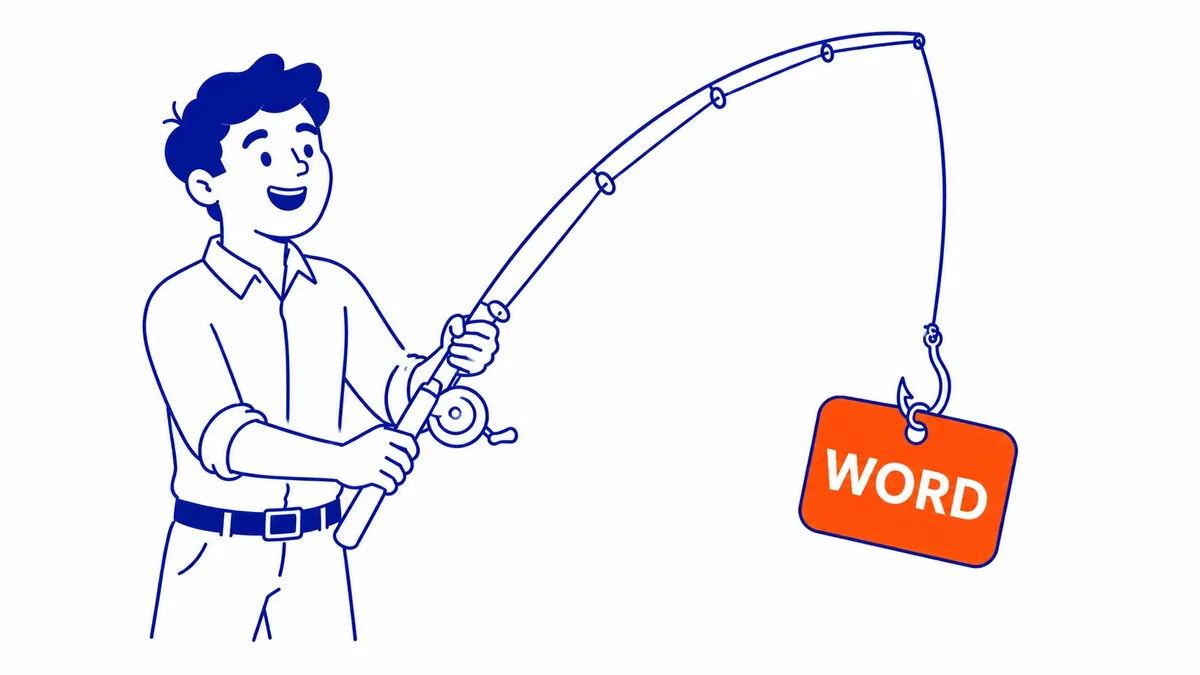
AdWords keywords, in plain terms
A keyword in Google Ads is not your ad. It is the trigger sitting behind the ad. You build a list of words your potential customers might type, and each one acts like a trip wire. The query matches it, the auction runs, and if you win a slot your ad appears above or beside the results.
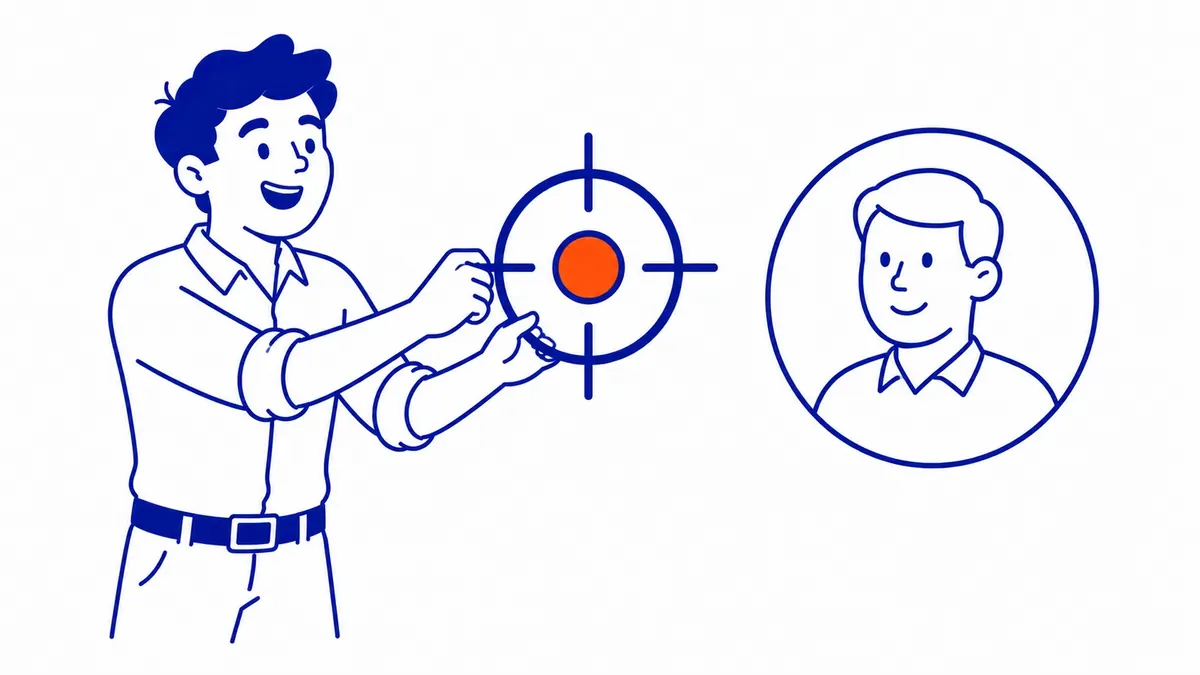
Say you sell running shoes. “Trail running shoes” goes on your keyword list. A shopper searches that phrase. It catches the search, your bid goes into the auction against other advertisers, and the ad shows. They click, you pay. No click, no charge. That pay-per-click logic is the same whether the account spends ten dollars a day or ten thousand.
One distinction trips up almost every new advertiser. Your keyword is what you bid on. The search term is what the person actually typed. Those two are rarely identical, and the gap between them is where most wasted spend hides. Closing it starts with negative keywords explained properly, then reviewed weekly.
Is it AdWords or Google Ads?
Both, depending on the year. 2000 was AdWords, a text-ad auction and nothing more. By 2018 the platform had grown into YouTube, Gmail, Maps, and the Display Network, so Google dropped the old name. AdWords became Google Ads. One thing never changed, though: the keyword still sits at the centre of a search campaign, doing the same job it did two decades ago.
This matters because old articles, old courses, and old habits still say AdWords. If a guide talks about AdWords keywords, it is talking about current Google Ads keywords. Nothing about the mechanics is out of date. Only the branding moved. The mechanics themselves are the basics of Google PPC, same as they were in 2000. The mechanics stayed put while the control Google Ads gives advertisers kept expanding.

How a keyword triggers your ad
Matching comes first. Google looks at the query, scans your list, and decides whether anything is close enough to enter. Then the auction. Every eligible advertiser is ranked on their bidding and Quality Score together, not bid alone. A lower bid with a more relevant term and a tighter ad routinely beats a higher bid that points searchers at a sloppy landing page.
Quality Score runs 1 to 10. Three things feed it: how well the keyword fits the ad, how well the ad fits the landing page, and its history of earning clicks. Push that score up and you pay less per click while sitting higher on the page. The word you choose, therefore, does more than trigger the ad. It sets the price.
Want to see the gap between what you bid on and what people search? The search terms report shows you. It lists the real searches that fired your ads, and reading it is the single most useful habit a new advertiser can build. Half the time the report reveals searches you never wanted to pay for in the first place.
The match types: how loosely a keyword fires
A keyword does not fire on one exact search. How wide its net spreads depends on its match type. These keyword match types are the dial, and choosing the right one is most of the skill. Three settings exist, plus a fourth tool that does the opposite job.
Broad match is the widest. It catches searches Google considers related, including synonyms and loose variations. “Trail running shoes” on broad match might fire for “off-road sneakers” or “hiking footwear.” More reach, more risk. Broad match keywords pull traffic, but plenty of it misses.
Phrase match tightens things. The search has to contain the meaning of your phrase in roughly the right order. “Trail running shoes” on phrase match catches “best trail running shoes for women” but skips searches that wander off topic. A sensible middle ground for most campaigns.
Exact match is the narrowest. Your ad shows only for that search or very close variations of it, things like plurals and obvious rewordings. Tight control, less volume, usually the cheapest waste. When budget is thin, this is where we start.
Then negative keywords, which work in reverse. A negative keyword blocks your ad from showing on a search. Sell new shoes only? Add “free,” “used,” and “repair” as negative keywords and stop paying for clicks that were never going to buy. The negatives list is unglamorous and it saves more money than almost anything else in the account.
AdWords keywords versus SEO keywords
Same word, completely different machine. People hear “keyword” and assume one idea, but a Google Ads keyword and an SEO keyword behave nothing alike.
An AdWords keyword is a bid. You pay to appear, you control the match type, and your ad can be live this afternoon. Turn off the budget and the visibility stops the same day. There is a clean way to pause or pull a campaign without losing the account, covered in how to stop Google Ads. An SEO keyword is a target you earn. You write a page around it, build relevance over months, and rank without paying per click. Slower to arrive, but the traffic does not vanish when spending pauses. If you want the long version of that comparison, our breakdown of what SEO keywords are walks through it.
The smartest Calgary accounts run both. Ads buy you the top of the page today while the organic side compounds underneath. One is rented attention. The other is owned. Treating them as the same lever is how budgets get spent badly.
Finding keywords worth bidding on
Guesswork is expensive here. Google Keyword Planner, built into every Google Ads account, is the free starting point. A full walkthrough of how to use Google Keyword Planner covers each screen. Feed it a product or a competitor’s site and it returns ideas with rough volume and cost estimates. Keyword research for paid search asks a sharper question than the SEO version, though: what people type right before they buy, not what they type while still browsing.
“Running shoes” is a huge term and mostly browsers. “Buy trail running shoes size 10” is smaller and full of intent. The second one converts. Hunting down those buyer-intent terms is the real work, and it is exactly what proper SEO keyword analysis exists to surface. A good list is short, specific, and ruthless about cutting terms that attract clicks but no customers.
How many keywords does a campaign need?
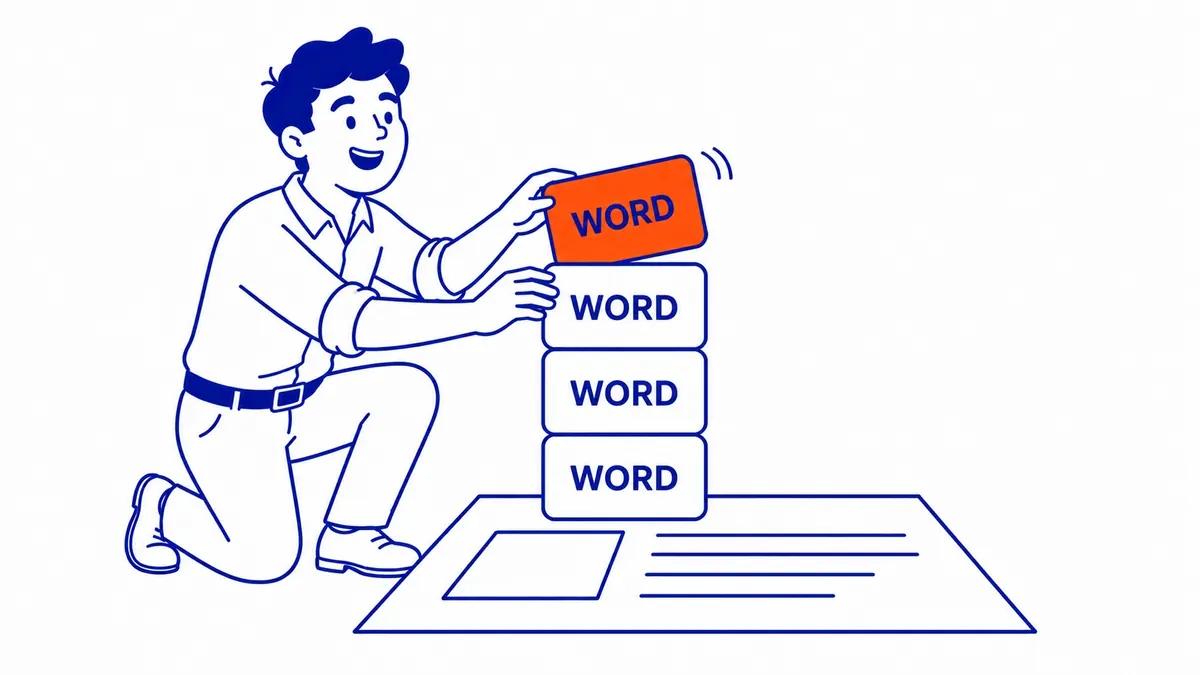
Fewer than most people think. New advertisers stuff a hundred terms into one ad group and wonder why nothing performs. We aim for tight groups, often ten to twenty closely related terms each, so the ad can speak directly to that small set of searches. Relevance climbs, Quality Score climbs, cost drops.
A bloated list is not coverage. It is a mess that drags your whole campaign average down and hides the few terms actually earning money. Start narrow, read the search terms report every week, and prune or add based on what the data shows. That loop is the entire job. Worth understanding how Google Ads works underneath before you scale your campaigns at all, and worth knowing what PPC is really charging you against what it returns.
Most of the Calgary accounts we take over are paying for the wrong terms, not too few. Professional Google Ads PPC management usually pays for itself just by cutting the waste, before it adds a single new term. And solid paid terms sit alongside our Calgary SEO work, not instead of it.
Frequently asked questions
What are AdWords keywords?
Words you add to a Google Ads campaign so your ad shows when someone searches them. AdWords was the platform’s name until 2018, so AdWords keywords and Google Ads keywords are identical. You bid on each one and pay only when a searcher clicks.
What is an example of a keyword in Google Ads?
“Plumber near me” is a classic one. A local plumber adds it as a keyword, sets a bid, and the ad becomes eligible whenever someone in the area searches that phrase. How loosely it fires depends on the setting, from that exact search to broadly related ones.
What are the four types of keywords?
In Google Ads, three match types plus negatives. Broad match casts the widest net, phrase match tightens to your wording, and exact match shows only on that search or close variations. Negative keywords do the opposite and block searches you do not want to pay for.
How many keywords should an ad group have?
Keep it tight, usually ten to twenty closely related keywords per ad group. Small, focused groups let the ad match the search closely, which lifts Quality Score and lowers cost. A sprawling list of loosely related terms hurts performance more than it helps.
Contact Calgary SEO Company To-The-TOP!
Questions about anything in this article, or about your own rankings? Talk to a Calgary SEO specialist directly.
Phone: (403) 308-5949
Address: 1509 14 Ave SW, Calgary, AB T3C 0W4
Hours:
Monday to Friday: 10:00 am – 7:00 pm
Saturday: 12:00 pm – 4:00 pm
Sunday: closed