
What Is Pagination in SEO?
Pagination splits a long list of posts across numbered pages. Page 1. Then page 2. Page 3 after that. That is the whole definition, and it takes about ten seconds.
Something stranger sits underneath it. Open the editor on your own website, then go hunting for page two. Nothing turns up. No draft. There is no title to open, no button to click. That page runs on your blog every day of the week. Still, it lives nowhere in your files.
Every other URL you own points at something you made. This one points at a rule.

Pagination Is a Rule, Not a Page
Nothing sits stored at that address. A rule runs instead. Gather the posts. Sort them newest first. Hand back ten of them, then hand back the next ten if somebody asks for the second slice.
So the URL names a slice of a list. Slices have no subject.
Ask what page two is about. Then ask again next Tuesday, once you have published something. The answer moved overnight. Nobody opened a file.
Ten posts came back from that address this morning. In a month, ten different posts will come back from it, under the same number, at the same URL. Nothing was edited. The rule simply ran again against a longer list.
Two kinds of URL sit on your website. One kind you wrote. The other gets assembled the moment somebody asks for it, out of whatever happens to be newest. Only one of the two can be about anything. Any serious SEO integration starts by telling those two apart. Outbound links sit in the kind you wrote, every one placed by hand.

The Two Things Called Page Two
The phrase does double duty in this business. Most of the time it means the second page of Google’s results. That page two belongs to Google, and it earns every bit of the worry it gets.
The other one belongs to you. It holds your own posts, sliced by date, in the order you happened to write them. Nobody outside your website has a reason to go looking for it.
No amount of keyword research will find you a query for page four. There is no subject sitting there to search for.

You Have Never Edited Page Three
Try this on your own blog. Click through to page two. Write down the first post sitting there, whatever it is. Publish something. Then open page two again.
That post moved down. You never touched it. Inside it, not one word changed. Not one image either.
Nothing on the post changed. Its number did.
The post did not slide because it aged. It slid because something arrived above it. Arrival is all that orders the list, and arrival has nothing to say about whether the writing was any good.
Publish nothing for a year and nothing will move. Then your blog has a different problem, and pagination is not it. Either way you now know something about your own site that no article could have told you.
No statistic about other people’s blogs would say anything useful about your page two. So we will not offer one. Page two and page three do leave you with two pages sharing one title.
Depth Is Arithmetic
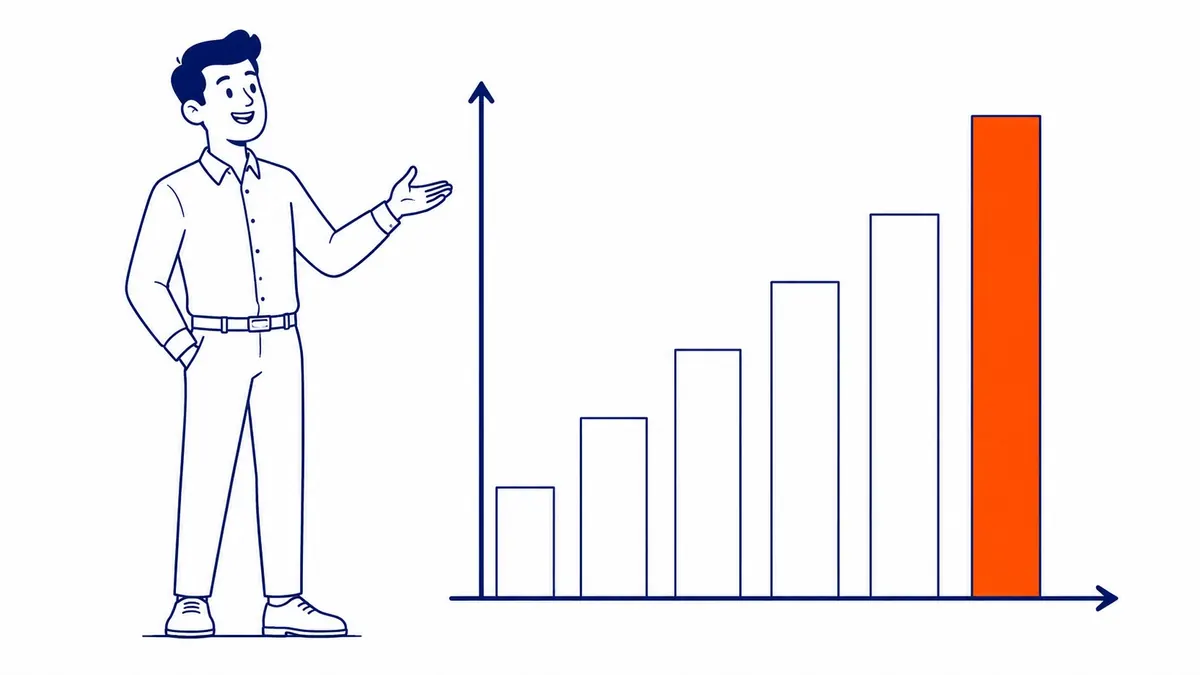
Count your posts. Divide by however many the software shows at a time. That is how many numbered pages you own.
Four hundred posts. Ten at a time. Forty pages.
Show twenty at a time instead, and twenty of those pages disappear before lunch. Nobody wrote anything. No one deleted anything either.
Both numbers belong to you. Neither one is a strategy.
Your blog was already divided before you published the first post. Some default did it. Nobody chose it, and nobody has thought about it since.
What Pagination Actually Asks You
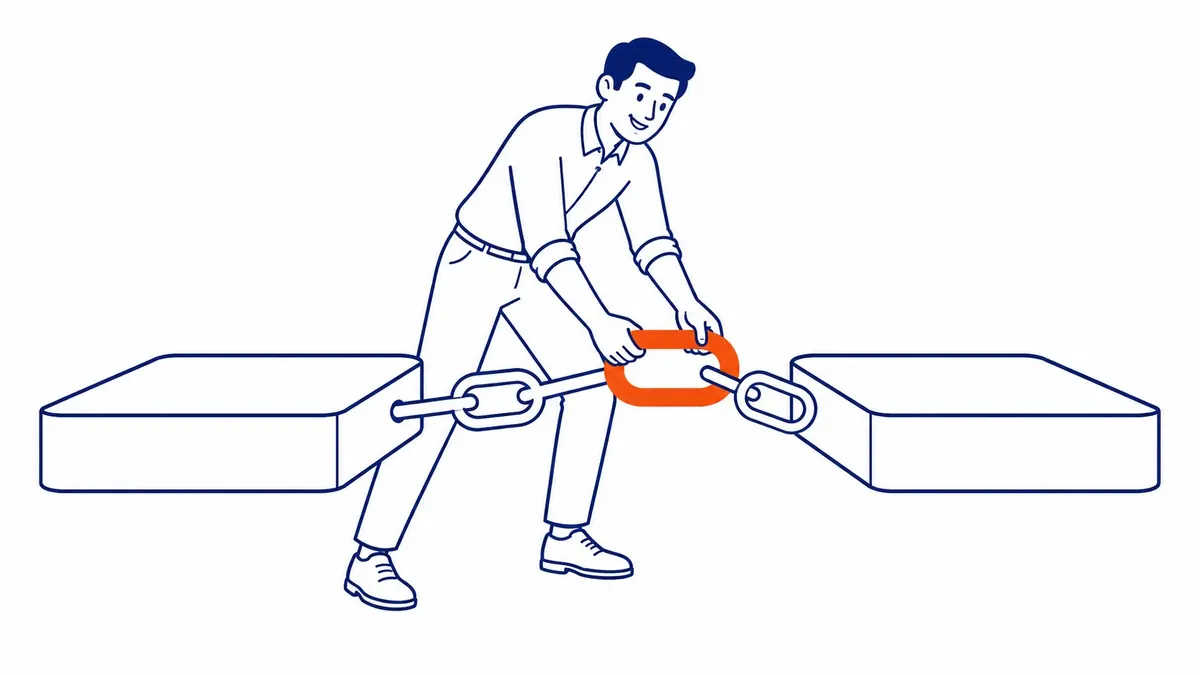
One question, and it has nothing to do with markup. Can a reader reach your post without walking through a slice?
Take the oldest post that still earns its keep. Count the routes leading to it. A category, maybe. Or a link from a newer post. The home page, if you were thoughtful. Should page fourteen turn out to be the only way in, the post has no way in at all.
Page seven gives nobody a reason to link to it. Not even you.
So the work is unglamorous. Link the posts that belong together. Build categories that mean something to a human being. Then run a website audit, which lists the URLs your site actually exposes. Slices included.
Notice what is missing. Nothing on that list mentions a canonical tag. Nor crawl budget, nor duplicate content across paginated URLs. Every bit of that is worth handling properly, and every bit of it gets handled elsewhere on this site. Still, none of it answers the question above.
Search is not the only thing that sends a person to one post rather than a slice. Google Ads does the same. It points at a URL somebody chose on purpose, which is more than a slice can say for itself.

Where Pagination Is Exactly Right
A list has to stop somewhere. Four hundred posts loaded into one document serves nobody, and the browser would not thank you for it either.
So pagination is the right answer to a real problem. Your blog arrived with it switched on, before you had an opinion about anything.
An endless scroll has no address. You cannot send anybody to a spot halfway down it. A numbered page has an address at least, even though the posts underneath keep shuffling.
Nobody made a mistake here. Search engine optimization did not create the situation, and no plugin has ever fixed it.
The work at SEO Company To-The-TOP! has been Calgary SEO since 2007, and the same scene repeats. An owner rebuilds a whole navigation because pagination worried them. Meanwhile three good posts sit with nothing pointing at them, findable only by somebody patient enough to click Older Posts four times. Nobody is that patient.
Page seven is not where your best post hides. It is only what is left once everything else found a better way in.
Somebody should ask why the software numbered anything in the first place.
Frequently Asked Questions
Does pagination hurt SEO?
Not by itself. Dividing a long list is neither help nor harm. Trouble starts when a slice becomes the only route to a post. Even then, the trouble was sitting there before anybody numbered a thing.
Should I use rel=next and rel=prev tags?
Markup for paginated URLs has come and gone over the years. Whatever the current answer is, it remains a small one. We would rather you spent the afternoon building routes into your posts.
Is infinite scroll better than numbered pages?
An endless scroll gives you no address to hand anybody. A numbered page gives you one. Past that, the choice is about readers and not about pagination.
How many posts should I show per page?
Pick whatever count keeps a person reading instead of clicking. Then stop thinking about it. The arithmetic follows from that number, and nothing else follows from it.
Do paginated pages need unique content?
No. A slice cannot have a subject, so it cannot have content of its own. Anything written to fill one gets written for nobody.
Contact Calgary SEO Company To-The-TOP!
Questions about anything in this article, or about your own rankings? Talk to a Calgary SEO specialist directly.
Phone: (403) 308-5949
Address: 1509 14 Ave SW, Calgary, AB T3C 0W4
Hours:
Monday to Friday: 10:00 am – 7:00 pm
Saturday: 12:00 pm – 4:00 pm
Sunday: closed