
Can SEO Be Automated? What 19 Years of Practice Shows
The question comes up often. Business owners see search platforms advertised at $99 a month and wonder if that covers it. Marketers encounter AI platforms promising 500 blog posts a week. They start asking whether manual work is still worth the cost.
Parts of it automate well. Most of it still does not.
Since 2007, SEO Company To-The-TOP! has run Calgary SEO campaigns. Rank trackers, crawl monitors, reporting dashboards, keyword research platforms. Seo automation tools have been in the workflow the whole time. Some of them save genuine hours every week. Others produce data that still needs a person to sort through before it means anything.
The businesses that get seo automation right understand one fundamental distinction: there is a difference between data collection and strategic decision-making. Automated tooling handles the former reliably. Humans still handle the latter. Nineteen years of watching that confusion play out in client campaigns has made the line easy to spot.
This post works through where that approach delivers and where it falls apart. No hype in either direction.

What Makes a Task Worth Automating
Repetitive beats judgment. That is the dividing line.
Tasks that run the same logic on different inputs are solid candidates. Position tracking, crawl scheduling, redirect chain checking, broken link detection, meta tag length verification: no context required. Run it Monday. Check again Friday. The platform handles both the same way.
Tasks that require reading context are different. Deciding whether a keyword is worth targeting for a specific business. Judging whether a page serves the searcher’s intent at a particular funnel stage. Working out why a ranking dropped six positions after an algorithm update. These need a person.
The difference matters more than most of these discussions acknowledge. Platform vendors have an interest in claiming their software handles more than it does. Businesses have an interest in believing the claim.
In practice, these platforms deliver cleanly at the data collection layer. Rank positions. Crawl health. Backlink changes. Site speed metrics. Pull this data automatically and build seo automation workflows around it. Everything above that layer, interpreting the data, deciding what to do, adjusting the strategy, is still the work of whoever is running the campaign.
Not every campaign draws this line clearly. The ones that do tend to get better results from the same platforms. Drawing that line is most of the process of using AI for SEO; the tool list comes second. Where does that line sit in the steps to use ChatGPT for SEO?
Rank Tracking and Monitoring
Daily data. No manual work. This genuinely works.
Rank tracking through Ahrefs, SE Ranking, or Semrush pulls daily position data across hundreds of keywords without anyone checking by hand. Alerts fire when rankings shift past a defined threshold. Crawl monitoring catches new 404 errors, broken links, and indexation problems as they appear: not two months later when someone notices traffic dropped.
This layer saves several hours per month. Not hours of analysis time. Hours of repetitive manual checking that nobody should be doing by hand on any site with more than a few dozen pages.
A client’s page drops six positions after a core update. The platform flags it within 24 hours. Figuring out why, whether it is a relevance issue, a technical problem, a competitor gaining ground, or a normal fluctuation, still requires a person. Automated detection is not automated diagnosis.
Monitoring broken links on a large site is another genuine win. Manual checking at scale is unreasonable. Scheduled crawls that flag new problems as they appear earn their cost.
Position tracking does not interpret what it finds. Someone still reads the numbers.

Technical Audits: What Crawl Tools Find
Crawl software finds problems. Fast.
Screaming Frog, Sitebulb, and similar crawlers run through a site and return every technical issue they detect. Redirect chains. Missing title tags. Duplicate flags. Pages blocked from indexing. Slow server response times. Core Web Vitals failures across the whole site in one pass.
For a 500-page site, a manual review would take days. An automated crawl takes minutes. The time saving is real. Findings are comprehensive in a way manual checking is not.
What Automated Audits Catch
Broken internal links. Redirect loops. Missing H1 tags. Canonical errors. Core Web Vitals failures. Pages with thin material. Indexation exclusions. These surface reliably and consistently across every run. A weekly scheduled crawl catches new issues before they compound into ranking problems.
What They Still Miss
Context. No software knows whether that 302 redirect was intentional. Crawlers cannot tell which orphaned pages matter. Whether duplicate material reflects a template problem or a deliberate architecture decision is not something a crawl decides.
A proper website SEO audit uses that output as a starting point. Prioritising the findings by business impact, deciding what to fix first, what to accept, and what to escalate, is still judgment work. The crawl delivers the list. Someone who knows the site still does the ranking.
Keyword Research: Where the Tools Stop
Volume and difficulty: automated. Target selection: not.
Platforms like Ahrefs and Semrush pull search volume, keyword difficulty scores, and competitor ranking data in seconds. The raw data layer is genuinely handled by the software. Finding what people search for and how contested those terms are is now a matter of minutes. That used to take hours of manual research. These platforms solved it.
Search volume by geography. Keyword difficulty scores. Related keyword clusters. SERP feature presence for each term. Competitor ranking gaps. All pulled automatically, updated regularly, accessible without manual research effort.
Where Human Judgment Takes Over
A keyword with 1,200 monthly searches and a low difficulty score looks attractive in any platform. Whether it fits this specific business, this specific market, and this specific stage of the buying funnel is not something the software decides.
Keyword strategy is still a thinking task. Over nineteen years of Calgary campaigns, our keyword research has sometimes meant passing on a keyword that looked excellent in the data and targeting one that looked marginal, and being right both times. That data informed the decision. It did not make it.
Targeting the wrong keywords accurately is still the wrong strategy. Marketers who rely entirely on difficulty scores without applying commercial judgment tend to find this out around month four. AI-assisted keyword research runs into the same wall, fast on data, weak on judgment.
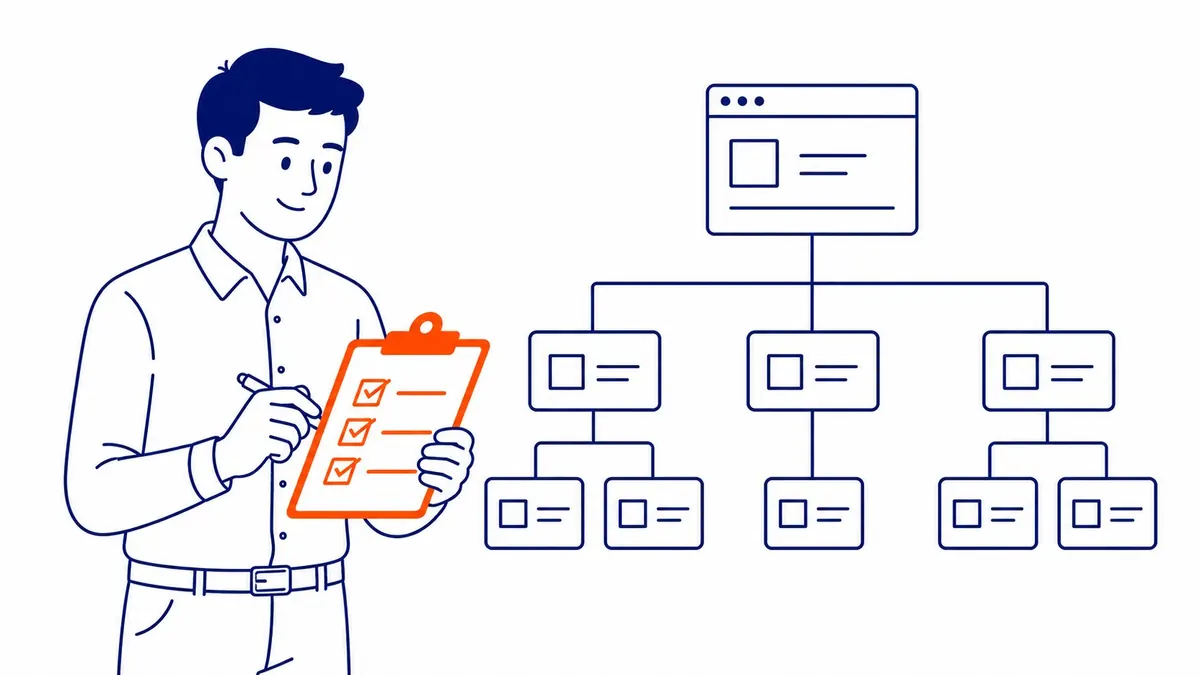
Content Creation: The Persistent Gap
AI writing platforms exist. The quality gap still shows.
Pages can be drafted in minutes now. Several AI writing platforms have been tested at To-The-TOP! since 2023. The output is usable as a starting point. Publishing it without a substantive human pass is a different matter.
AI-generated material tends to be structurally correct and factually thin. It does not know what a specific Calgary client asked during an onboarding call. Brand voice gets lost after a paragraph. No opinion on whether a particular trend applies locally or nationally survives the first draft.
What First-Pass AI Output Looks Like
Generic structure. Smooth transitions. Absent: specific observations, practitioner voice, real trade-offs. That describes most automated articles at the first draft. It also describes every competing post on the same topic.
Output that looks like all the others does not earn links. It does not build authority. In competitive markets, it does not rank.
Content Briefs: An Automated Shortcut
Automated briefs that pull competitor headings, entity gaps, and PAA questions from the SERP are a different matter. That is a legitimate shortcut. It saves 30 to 45 minutes of manual research per brief. The actual writing still needs a human.
For seo automation to produce anything worth publishing in the writing layer, someone still reviews every output, inserts specific observations, and cuts the sections that read like every other article on the topic. That person’s time is the limiting factor. Not the platform’s speed.
Reporting: The Cleanest Automated Layer
Ranking shifts, traffic changes, conversion trends. These automate well.
Looker Studio connected to Google Analytics and Search Console pulls live data into dashboards without manual work after the initial setup. Monthly reports can go out with keyword position changes, organic traffic trends, and crawl health summaries compiled automatically. Nobody has to open a spreadsheet.
For client campaigns at To-The-TOP!, the automated data layer frees up time that goes toward analysis: understanding what the numbers mean, identifying which movements to act on, and recommending what to change before the next month.
What to Automate in Monthly Reporting
Position tracking across target keywords. Organic traffic trends by landing page. Core Web Vitals scores. Crawl health summaries. Backlink change alerts. These deliver consistent value every month without anyone manually assembling them.
What Stays Manual
Interpretation. Connecting a traffic drop to an algorithm update versus a seasonal pattern versus a new competitor entering the space. Identifying which ranking movements are significant and which are noise. That analytical layer is what clients actually pay for. Looker Studio generates the data. It does not generate the insight.
Strategy and Competitor Analysis: Still Human Work
Judgment does not automate. Not yet.
Competitor analysis platforms pull ranking data, backlink profiles, and gap reports. Useful as inputs. Deciding what to do with that data, which competitive moves are worth making, which gaps represent real opportunities, which look attractive but are traps, is not something that runs on a schedule.
This market is not the same as Vancouver’s. Conditions differ. Competitors differ. Keyword economics shift. Automated gap detection across a competitor’s domain is one task. Understanding what that gap means for a specific business is a different task entirely.
Mid-Campaign Adjustments
Six months in, the original keyword list often needs revisiting. A new competitor entered the space. The target term may have lower commercial intent than the volume implied. A page that was expected to rank has stalled and needs a different angle.
These adjustments require someone paying active attention. Monitoring platforms surface the symptoms. Practitioners handle the diagnosis and the fix.
The same logic applies when you have us manage your Google Ads. Automated bidding handles the mechanics. Strategy, which campaigns to scale, which to pause, where to shift budget when results plateau, stays with whoever is running the account.
The straight answer to whether search engine optimization can be automated: the parts that should never have been done manually in the first place, yes. Position tracking, crawl monitoring, dashboards, technical audits, keyword data pulls. Real hours saved every month.
Everything that requires reading a specific market, a specific business, and a specific moment in the campaign: no. Automated processes help the humans working on a campaign do more in less time. They do not replace the thinking.
For any business considering a $99/month platform promising automated SEO coverage: the question to ask directly is what exactly this automates. If the answer is data collection and monitoring, that has value. An answer implying the whole campaign, however, is not how it works.

Frequently Asked Questions
Is SEO Dead or Evolving in 2026?
Still very much active. The way results look has changed: AI overviews and featured snippets capture some clicks that used to go directly to organic listings. Underlying ranking signals are still running, however. Page-level authority, topical depth, and technical health still determine what Google shows. The channel is evolving. It has not stopped working.
What Is the 80/20 Rule of SEO?
Roughly 80% of organic search traffic comes from 20% of the keywords. In practice, a handful of high-intent, moderate-competition terms drives most of the visits. The implication for most businesses: stop spreading effort across hundreds of marginal terms. Identify what actually drives revenue and build depth there. The 80/20 observation holds across most markets, though which specific keywords fall into that top group is entirely market-dependent and shifts as competitors move.
Will SEO Be Replaced by AI?
Not in the way most people mean. AI has changed how results are presented. The underlying ranking logic has not changed. Pages still need authority, relevance, and technical health. What AI has shifted is the writing side: more material exists now, which raises the quality bar for anything trying to rank on a competitive term. Pages that give genuine, specific answers still outperform pages that give plausible-sounding ones.
What Are the 3 C’s of SEO?
Content, Code, and Credibility. The content layer covers what the page communicates to the searcher. Code covers the technical infrastructure supporting it. Credibility covers backlinks and domain authority signals. A campaign weak on any one of the three stalls, regardless of how strong the other two are. Businesses often over-invest in one area without realising the ceiling it creates.
Contact Calgary SEO Company To-The-TOP!
Questions about anything in this article, or about your own rankings? Talk to a Calgary SEO specialist directly.
Phone: (403) 308-5949
Address: 1509 14 Ave SW, Calgary, AB T3C 0W4
Hours:
Monday to Friday: 10:00 am – 7:00 pm
Saturday: 12:00 pm – 4:00 pm
Sunday: closed