
What Is Affiliate Marketing in SEO?
Had a client last year who built a niche site about camping gear. Smart guy. He had a product recommendation in every article, affiliate links placed after genuine hands-on reviews, and a reasonable content schedule. Traffic was fine. Commissions were almost nothing. The problem turned out to be SEO, not the niche and not the products. Once we fixed the keyword strategy and got his site ranking for what buyers were actually typing, the same content started producing meaningful sales. Affiliate marketing without SEO is a guessing game. With it, the traffic is predictable.
For businesses and content creators exploring this model, here is what affiliate marketing in SEO actually involves.
How Affiliate Marketing Works
Three parties. That is the structure.
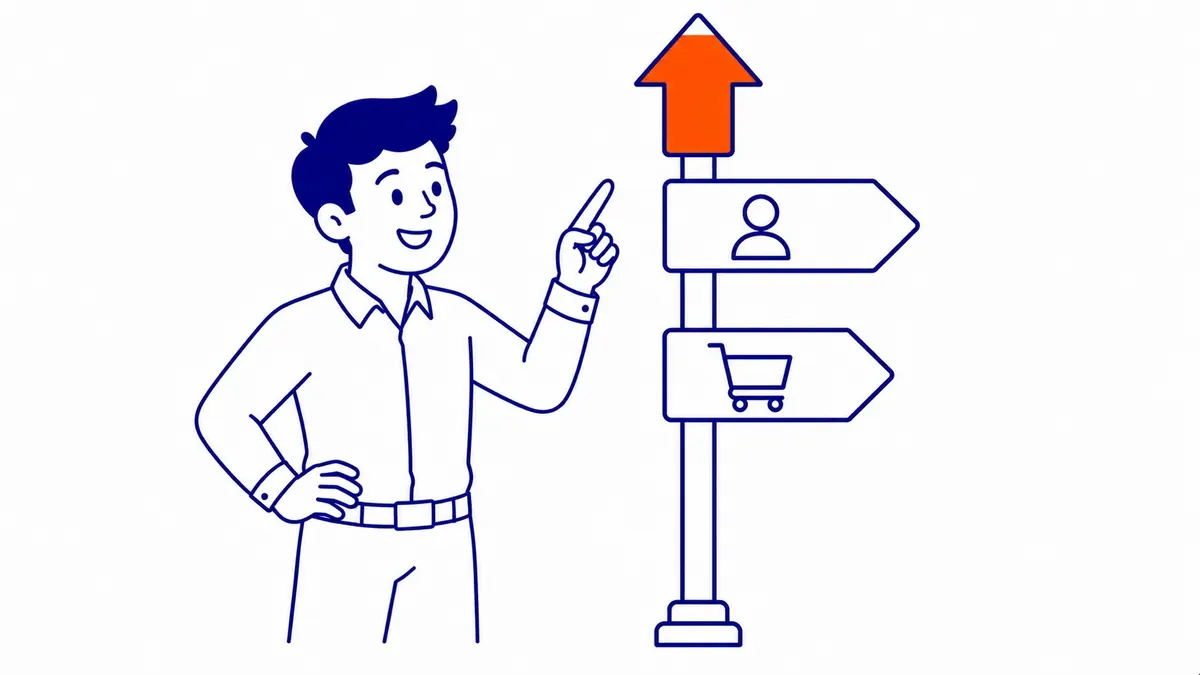
A merchant sells products or services. An affiliate, that is you running the site, promotes those products. A buyer clicks your affiliate link and makes a purchase. The merchant pays a commission. No sale, no commission. The affiliate never holds inventory or handles customer service.
Affiliates earn a percentage of each sale, sometimes a flat fee per lead. Commission rates vary a lot by niche. Software and finance niches tend to run higher, sometimes 20-40%. Physical products through programs like Amazon Associates sit closer to 3-10%.
The affiliate’s job is driving the right traffic to the right offer. That job is fundamentally an SEO problem.
The SEO Side of Affiliate Marketing
Both disciplines share the same goal. Reach the people already looking.
Affiliate marketing SEO means using the same methods behind our search engine optimization work to pull organic traffic toward affiliate content. Instead of running ads that cost money every day, your content ranks in Google and keeps sending visitors without an ongoing budget.
Search engine optimization handles the mechanics. Keyword research identifies what buyers type before they purchase. On-page signals tell Google what each page covers. Backlinks build the site authority that lets your pages compete in the SERPs.
Affiliate websites that skip SEO are at the mercy of social media algorithms and paid advertising spend. Neither one compounds. Organic traffic does. Affiliate or not, what counts as SEO stays the same across every site. Compounding is most of the difference between inbound marketing and paid channels.

Keyword Research for Affiliate Websites
Pick the wrong keywords. Waste months of work.
For affiliate sites, competitor keyword research focuses on buyer intent. Someone typing “best camping tent for two people” is close to a purchase. That same person typing just “camping” is not. Those two queries look similar from outside the niche. Inside the data, however, they behave very differently.
Long-tail keywords are where affiliate sites usually find their entry point. Broad keywords are dominated by large publishers, national retailers, and review sites with years of authority. Any newer affiliate website targeting long-tail keywords with clear buying intent can rank faster and convert better.
Keyword difficulty is the filter. A term with 500 monthly searches and low competition beats a term with 10,000 searches and ten well-funded competitors on page one. Ahrefs and SEMrush show this data. Google Search Console shows what you already rank for once traffic starts.
Good keyword research maps the whole buyer journey. Awareness keywords bring readers in early. Comparison and review keywords convert. Your content strategy needs both, not just the conversion layer.
Building Content That Earns Affiliate Traffic
Topic first, product second. Always.
The affiliate content types that earn consistent organic traffic are product reviews, comparison articles, and how-to guides. Reviews work when they show actual use, specific observations, and real trade-offs. Comparisons work when they solve a real decision the reader is stuck on. Guides work when they answer a process question, then recommend the right tool for the job.
High-quality content in this context means depth and specificity. Thin affiliate pages with generic product descriptions and recycled specs do not rank well and do not convert well. Google’s helpful content updates have pushed affiliate websites further toward original research and first-hand experience.
Your content should answer the question fully before asking for the click. Readers who trust your recommendation convert. Those who feel rushed do not.
Each article also needs proper on-page SEO: a clear title tag, descriptive meta descriptions, header structure that signals what the piece covers, and images with alt text. These are the basics, not extras.

Affiliate Links and Google
Disclosed. Tagged. Handled properly.
Google’s guidance on affiliate links is clear. Links that pass PageRank to a merchant should carry rel=”nofollow” or rel=”sponsored” attributes. Most affiliate programs generate links that need to be tagged this way. Skipping disclosure does not gain anything in rankings. It does risk penalties if a manual review flags a pattern of undisclosed paid links.
E-E-A-T matters more for affiliate websites than for most other site types. Experience. Expertise. Authoritativeness. Trustworthiness. These are the signals Google evaluates in YMYL-adjacent niches like health products, financial tools, and software. Affiliate sites in those categories face higher scrutiny.
Transparency about affiliate relationships builds reader trust. Most audiences understand the model. What they do not forgive is a recommendation that clearly exists to earn a commission rather than to help them.
Your affiliate links also affect user experience. Too many links in a single article, or links that interrupt the reading flow, hurt engagement metrics. Bounce rates and time-on-site both feed back into how Google evaluates your pages. Plenty of publishers still want a straight ruling on whether affiliate links hurt SEO.
Backlinks and Authority for Affiliate Sites
Authority takes time to earn. That is the reality.
Affiliate websites compete in the same SERPs as established publishers. The main factor separating them is domain authority, which comes from backlinks. An affiliate site with strong backlinks outranks a site with better content on the same keyword.
Link building for affiliate sites works through several approaches. Guest posts on relevant publications bring backlinks and referral traffic. Creating genuinely useful resources, tools, or data studies earns links naturally. Outreach to bloggers and journalists covering your niche is another path.
The shortcut version is buying links. That still works sometimes in the short term. Google’s link spam detection has improved considerably, however. Sites relying on bought links face algorithm exposure. The long-term play is earning links through content quality and community relationships.
Internal linking is also important on affiliate websites. Linking related articles together helps search engines understand your site structure. It also keeps readers on your site longer, moving through your content funnel toward a purchase. An SEO site audit can surface internal linking gaps that are costing you ranking position.
Where SEO Beats Paid Ads for Affiliates
Budget caps kill paid affiliate traffic. SEO does not stop.
A campaign set up by a Google Ads management agency to run affiliate traffic has a hard ceiling at the daily budget. Turn it off and the traffic goes with it. Paid advertising also competes with the merchant’s own ads on the same keywords, which creates a complicated dynamic around commissions and margins.
Organic traffic compounds. An article ranking in position three today will likely still rank six months from now if the content stays current and the site earns more authority over time. The article cost time and effort to produce. After that, it works without ongoing spend.
Google Ads is still useful for affiliate marketers testing new niches or validating offers before committing to a full SEO content build. Paid ads give fast data. SEO gives durable traffic. Most mature affiliate websites use both. Long-term economics usually favour search engine optimization heavily.
Three to six months before meaningful organic traffic is the plain tradeoff. Paid ads deliver traffic on day one. For affiliates running lean on budget, the SEO-first approach requires patience but costs less over a full year.

What Calgary Businesses Should Know About Affiliate SEO
Local applications exist here too.
Calgary SEO and affiliate marketing overlap more than most local business owners realise. A Calgary service business can use affiliate-style content to refer customers to complementary products and earn commissions without changing the core business model. One example: a renovation contractor linking to material suppliers. Another: a financial advisor linking to planning tools. The mechanics are the same.
For businesses in Calgary wanting to understand search engine optimization in this context, the structure works identically to any affiliate website. Keyword research, quality content, earned backlinks, and proper link attribution all apply.
SEO Company To-The-TOP! has been doing SEO services in Calgary since 2007. We have seen the affiliate model applied effectively to local businesses and to national content sites. What works in both cases is genuine expertise, clear recommendations, and consistent SEO work over time. Thin content, aggressive link schemes, and short-term thinking fail every time.
Good SEO services do not promise fast affiliate commissions any more than they promise instant rankings. The timeline is real in both cases.
Anyone exploring affiliate marketing seriously should start with a proper keyword research pass to understand what buyers in their niche are searching. From there, a content plan built around those terms gives the SEO foundation. A website audit early in the process flags technical issues before they become ranking problems. Worth doing before investing months into content.
Frequently Asked Questions
SEO affiliate marketing: what is it?
Affiliate marketing SEO is the practice of using search engine optimization to drive organic traffic to affiliate content. Affiliates produce articles, reviews, and guides ranking in Google. Visitors click affiliate links inside that content. The affiliate earns a commission when a sale or lead happens. No ads required. The traffic comes from rankings, not a budget.
Can you make $100 a day with affiliate marketing?
$100 a day is achievable. Not quickly, though. The affiliates hitting that number reliably have typically spent six to eighteen months building content, earning backlinks, and ranking for buyer-intent keywords in a specific niche. Getting there faster requires either significant domain authority already in place, an existing audience, or a high-commission niche like software or finance where one sale covers the day’s target.
Is SEO dead or evolving in 2026?
Still evolving. AI Overviews have changed what the top of Google looks like. They have not eliminated organic rankings. Pages with genuine depth, clear expertise, and accurate information still appear and still get clicks. What has shifted is the value of thin informational content. Shallow pages built only to capture a search query are ranking less. Affiliate websites with real reviews, real trade-offs, and original observations are holding position.
Does Williams Sonoma have an affiliate program?
Williams-Sonoma does run an affiliate program through the Commission Junction network. Commission rates and cookie windows vary. Whether it makes sense for your affiliate website depends on your niche and your audience’s purchase behaviour. Worth checking directly through CJ Affiliate for current terms before building content around their products.
Contact Calgary SEO Company To-The-TOP!
Questions about anything in this article, or about your own rankings? Talk to a Calgary SEO specialist directly.
Phone: (403) 308-5949
Address: 1509 14 Ave SW, Calgary, AB T3C 0W4
Hours:
Monday to Friday: 10:00 am – 7:00 pm
Saturday: 12:00 pm – 4:00 pm
Sunday: closed