How to Rank Nationally with SEO in Canada
Most companies that ask us about ranking nationally have already ranked locally. They assume the jump to national is just more of the same work. It is not. We have been running SEO campaigns in Canada since 2007. The organizations that succeed at national scale do one thing differently from the start. They treat national SEO as a separate project. Not a continuation of local.
Ranking locally in Calgary tells you the site is healthy. Google sees the business as legitimate. But that signal does not tell search engines the site deserves to rank nationwide. A different body of signals is required, built deliberately over time.
Keyword work changes at this level. So does the page strategy. The timeline looks different from local too.
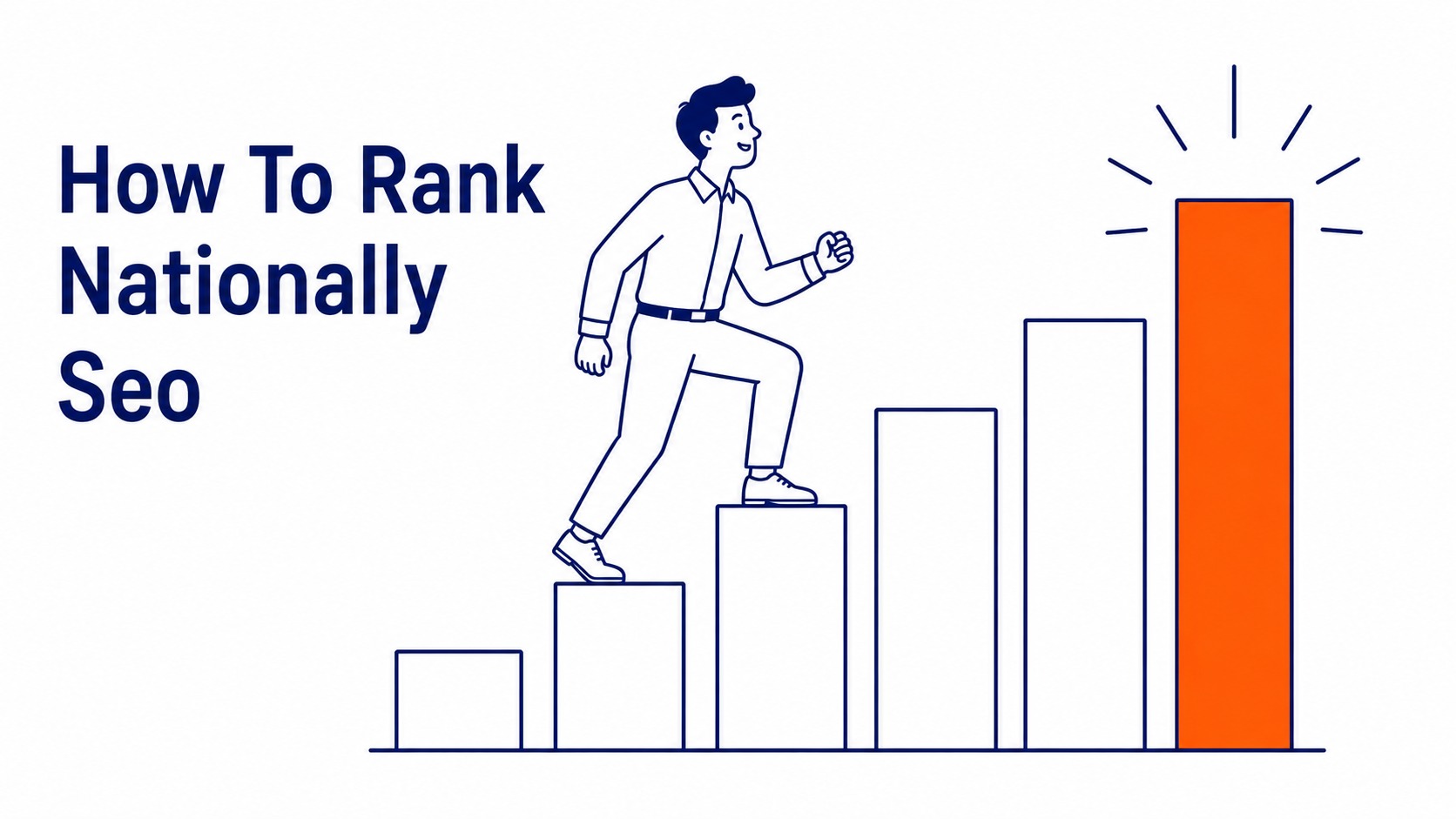
National SEO vs. Local SEO: What Actually Changes
Scale changes everything.
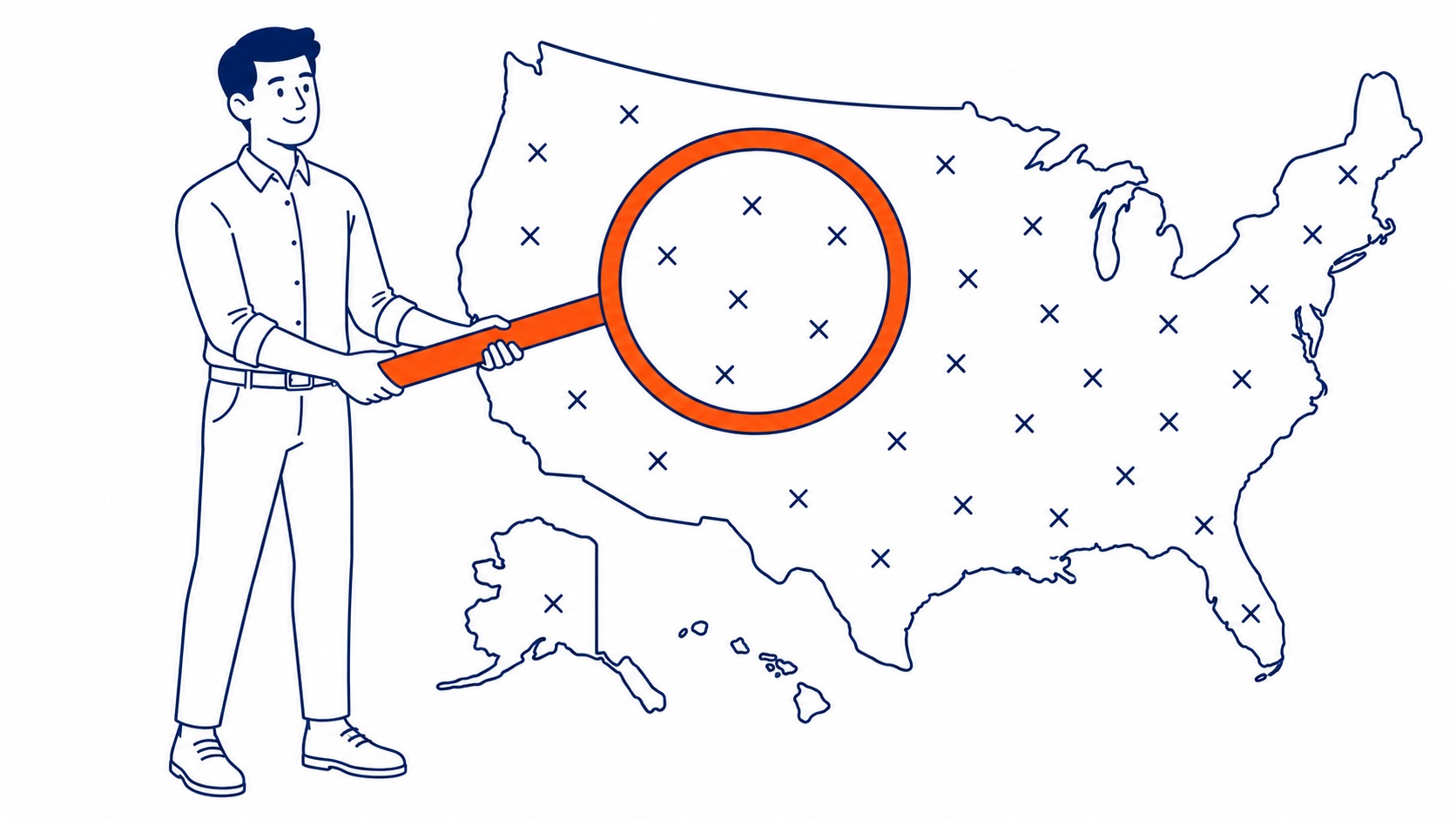
One city is the target for local SEO. National SEO targets all of Canada. Those two goals need different approaches from week one.
Competitors shift at the national level. Local companies in Calgary or Vancouver are not the competition anymore. National brands are. Large media sites are. Industry publications with years of domain strength behind them. That is a different problem than outranking the business down the street.
Keyword targeting changes too. A local shop ranks for “accountant Calgary.” National organizations need to rank for terms without a city modifier. “Business accounting software.” “Corporate tax planning.” Terms with nationwide search volume. Competition on those terms is much harder than on geo-modified local variants.
The other practical shift is timeline. Local SEO in a competitive Canadian city takes three to six months before meaningful movement. The national level takes longer. Plan accordingly before you commit budget. Budget conversations go easier when both sides share a definition of domain authority. Timelines make more sense alongside what SEO services mean in monthly practice.

Keyword Research at National Scale
Start broader. Then go narrow.
National keyword research starts with commercial intent terms that have no city modifier. Your business needs to identify which category-level terms customers use when they are not thinking about location. These often have higher search volume. Competition is also higher.
Broad national keyword mapping comes first. Semrush or Ahrefs both work well here. From there, filter by long-tail keywords within each topic cluster. These terms matter more at national scale than most organizations expect. Lower competition. Higher conversion rates. Sites ranking on a hundred specific long-tail queries often outperform those chasing three broad head terms.
National keyword research also means watching seasonal variation across regions. A term that peaks in March in Calgary peaks in April in Ontario. Timing pages to regional search patterns is one of the details that separates real national SEO from simply broader local SEO.
Three search intent types drive a national buying cycle. Informational. Commercial investigation. Transactional. A national SEO strategy needs all three represented. Visitors at each stage behave differently. Pages mapped to the right intent convert at higher rates than pages written purely for traffic.
Solid keyword analysis for SEO is where every national campaign starts. Miss that foundation and the rest of the work has no clear direction. From there, the steps to increase organic keywords look much the same nationally as they do locally.
Building Pages That Earn National Rankings
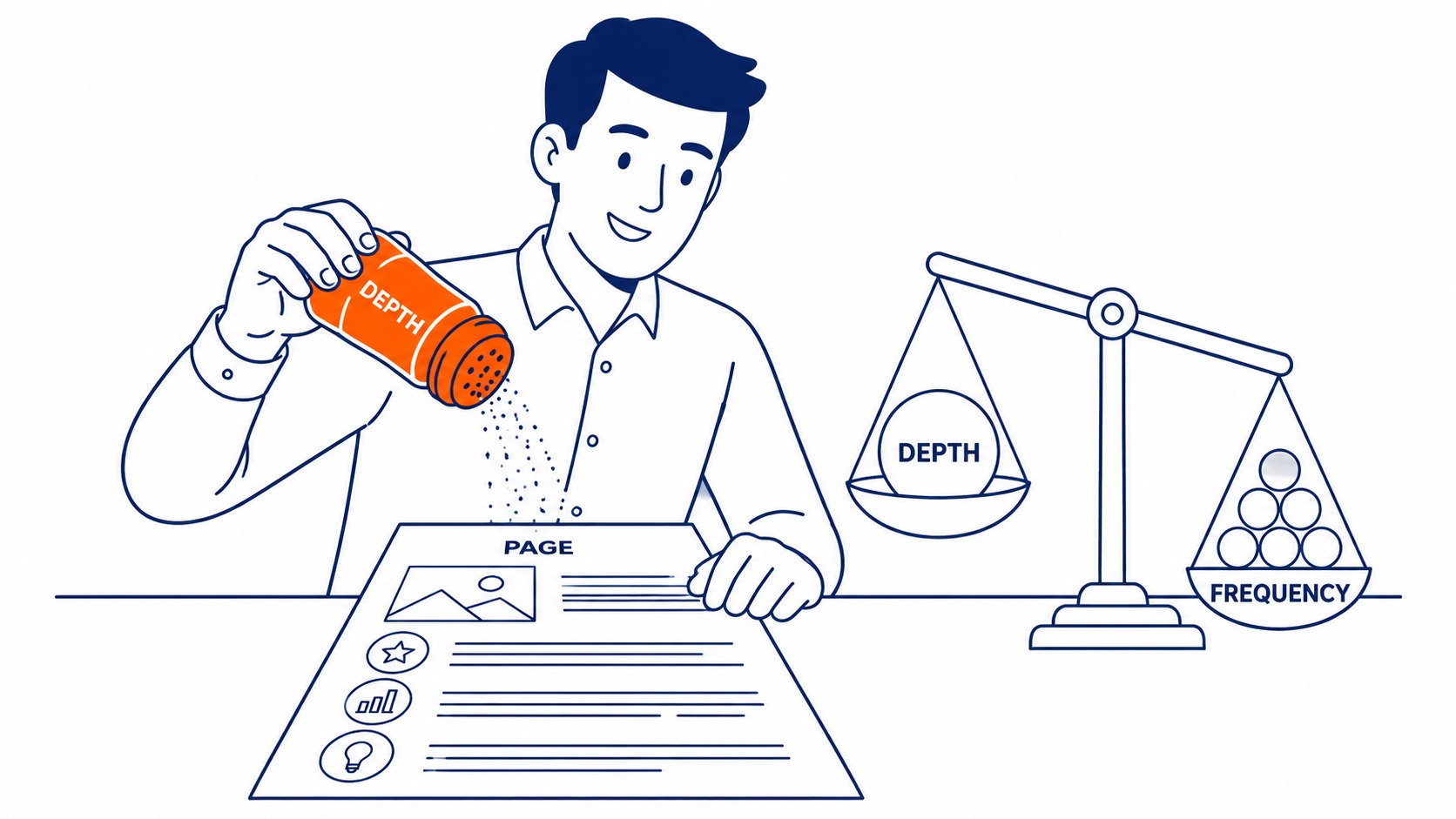
Depth over frequency.
Search engines reward pages that demonstrate expertise. Topical credibility comes from covering a subject thoroughly across multiple related pages. A single post does not build national presence on its own. Clusters of interconnected substantive pages do.
Companies that rank nationally published fewer pieces than their competitors. They went deeper on each one. A single in-depth guide on a core topic outperformed six shorter posts on the same site. Depth signals more to search engines than frequency.
Internal linking between pages in a topical cluster matters more at national scale. Each page in the cluster passes link equity to the others. Well-structured clusters with consistent internal links signal topical depth. Pages that live in isolation lose ranking potential they do not need to lose.
For national companies, your pages also need to address search intent across a wide audience without feeling generic. A page targeting customers across Canada still needs to feel specific. Real examples signal expertise. Case studies add credibility. Real trade-offs are what brochure-style content never includes.
Google’s E-E-A-T framework matters more at national scale. Search engines evaluate expertise signals at the page level. Author credentials on published pages signal expertise. Client references add trust. Verified business information closes the loop. Companies that skip these signals at the national level give away ground to competitors that do not.
Technical SEO at National Scale
Site structure matters more here.
Technical SEO becomes more visible at national scale because the number of competing pages is larger. Indexing problems that barely show up locally suppress national ones. Crawl budgets matter. Internal linking matters. Page speed matters.
Technical issues in a website SEO audit for companies going national follow a pattern. Duplicate material between service pages. Thin pages diluting domain credibility. URL structures not built for topical clustering. None of these are complicated. Most are fixable in a focused pass.
Structured data earns more at national scale. Rich results draw clicks. Schema markup signals topic relevance clearly to search engines. Businesses that have invested in technical foundations move faster when pages and links are added later.
Mobile performance belongs in this same pass. Most national searches happen on mobile devices. A site with technical problems on mobile loses ground to competitors that have already fixed theirs.

Earning Backlinks at National Scale
Links are still the signal.
High-quality backlinks from national and industry publications still drive national SEO results. Link building for national SEO means targeting publications your national audience actually reads. Trade associations. Industry media. National directories in your sector.
Quality matters more than quantity here. One backlink from a national trade publication outweighs a dozen from directory submissions. Clients with fifty strong backlinks consistently outrank competitors with five hundred low-quality ones. We have seen that pattern repeat enough to trust it.
Guest posting on relevant industry sites still works. Earning citations through PR activity still works. Pages that other sites want to reference also earn links over time. Tactics have not changed fundamentally. The threshold has. SEO at this level requires links from high-authority sources, not just local or regional ones.
Organic traffic from national SEO compounds over time as your site’s ranking signals grow. Each quality backlink adds to the last. This is why link building is a long-game activity, not a three-month campaign.

Local SEO and the National Overlap
These are not opposites.
Companies that rank nationally almost always still maintain strong local SEO. Google Business Profile stays relevant even for companies with national organic reach. Customers who find a national brand through search still often check local presence before buying.
Name. Address. Phone number. All three need to appear consistently across every platform where your business is listed. Google Business Profile. Bing Places. Apple Maps. Every industry-relevant directory. Local citations carry weight at the national level, not just locally. The signals compound. Letting local citations lapse while chasing national terms is one of the more common mistakes we see.
For businesses operating from Calgary while targeting national searches, local SEO is still active work, not a completed checkbox. Both layers run in parallel. Google Maps rankings still drive local conversions even when the national organic strategy is working.

The Realistic Timeline for National SEO
Slower than most people expect.
Six months is typically the foundation stage for a national SEO strategy. Real ranking movement on competitive national terms starts around month nine or ten. That is the realistic timeline.
The acceleration comes later. Trust accumulates. Each backlink adds to the last. Every page strengthens the topical cluster. Month twelve looks very different from month three. This is why companies that expect quick wins pull back before the work starts paying off.
Budget accordingly. More investment is needed at this scale than for local campaigns. Volume of pages is larger. Link building activity is too. Technical overhead compounds both. If the budget only covers three months of work, this is the wrong approach right now.
SEO Company To-The-TOP! has operated as a search engine optimization company Calgary businesses have relied on since 2007. Nationwide campaigns are part of that work. The To-The-TOP! clients who have gone national consistently took nine to twelve months before the national rankings reflected the effort. That window is real. Shortcutting it does not work.
Organizations that pull back at month six often see a dip shortly after. That dip confirms the foundation was working. Continuing past month six is usually the right call.
National SEO and Google Ads management run well together. Paid search gives you immediate visibility. Organic trust builds in parallel. Worth running both from the start if the budget allows.

FAQ: National SEO Questions Answered
What is the 80/20 rule for SEO?
Identify which national terms have the highest conversion value for your business. Concentrate national SEO work there before spreading to secondary queries. That prioritization is what the 80/20 rule points to. Roughly 20% of terms drive 80% of organic traffic on most sites. Chasing hundreds of mid-tier phrases before dominating your core topic is a common mistake at national scale.
How do you rank your SEO?
Track national SEO progress by watching keyword ranking positions across Canada, not just one city. Search Console shows which queries generate impressions and which pages earn clicks. Combine that with site analytics to see which organic sessions actually convert. Rankings without conversions are not the goal. Movement on the wrong terms is just as unhelpful.
Is SEO dead or evolving in 2026?
Still very much active. Search behaviour has shifted toward AI-assisted results, but the underlying ranking signals still determine which pages appear. Page trust. Topical depth. Backlink quality. The shift has raised the floor. Thin pages rank even less now. Companies that built real topical credibility before the AI shift mostly held their positions. Those that did not are still catching up.
Is 75 a good SEO score?
Depends on the tool. Each platform measures something different. None of these scores correlate directly with ranking position on national search. Revenue matters more than a score. Which pages rank. What terms drive visits. Whether visitors convert. A site with a score of 60 can outrank one at 90 if its topical depth and backlink profile are stronger. We have seen sites with mediocre scores outrank well-known competitors because topical depth outweighed every other signal.
Contact Calgary SEO Company To-The-TOP!
Questions about anything in this article, or about your own rankings? Talk to a Calgary SEO specialist directly.
Phone: (403) 308-5949
Address: 1509 14 Ave SW, Calgary, AB T3C 0W4
Hours:
Monday to Friday: 10:00 am – 7:00 pm
Saturday: 12:00 pm – 4:00 pm
Sunday: closed
