
Do Product Tags Help SEO?
Mostly they do not. That is the short answer, and it is not the interesting one.
The standard reply runs like this. Tags spin up archive pages carrying almost nothing on them. Those pages look a great deal like your category pages. So Google reads near-duplicates. Nobody gains a rank anywhere. Noindex the thin ones, then move on.
All of it is sound. This site covers duplicate content and thin pages elsewhere, so none of it gets repeated here.
Only that reply answers a technical question. Meanwhile the question sitting underneath is not technical at all.
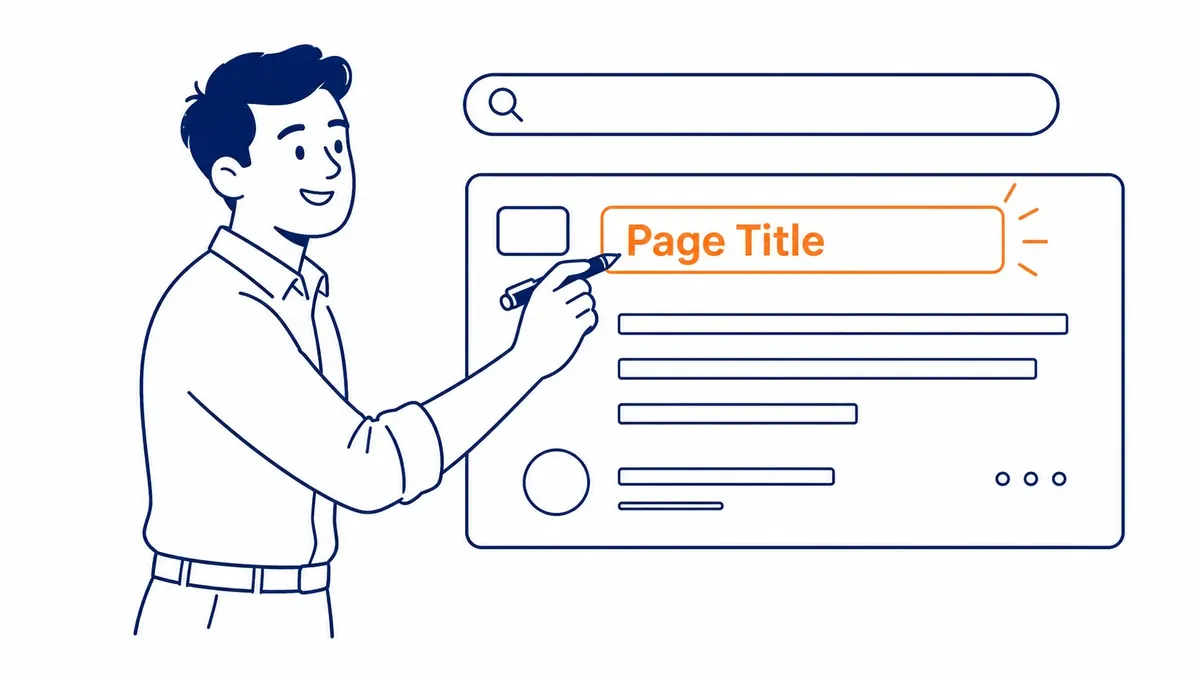
A Tag Page and a Category Page Are the Same Page
Open one of each, then compare them.
A category page holds a heading and a list of products. So does a tag page. Both live at an address, and both run off the same template. Each pulls its products from the same database.
The address may well carry the word tag. Nothing else about the page does.
Two pages. Same shape, same machinery.
Yet one is a real SEO asset and the other is usually junk. Something separates them. And it is not sitting in the HTML.
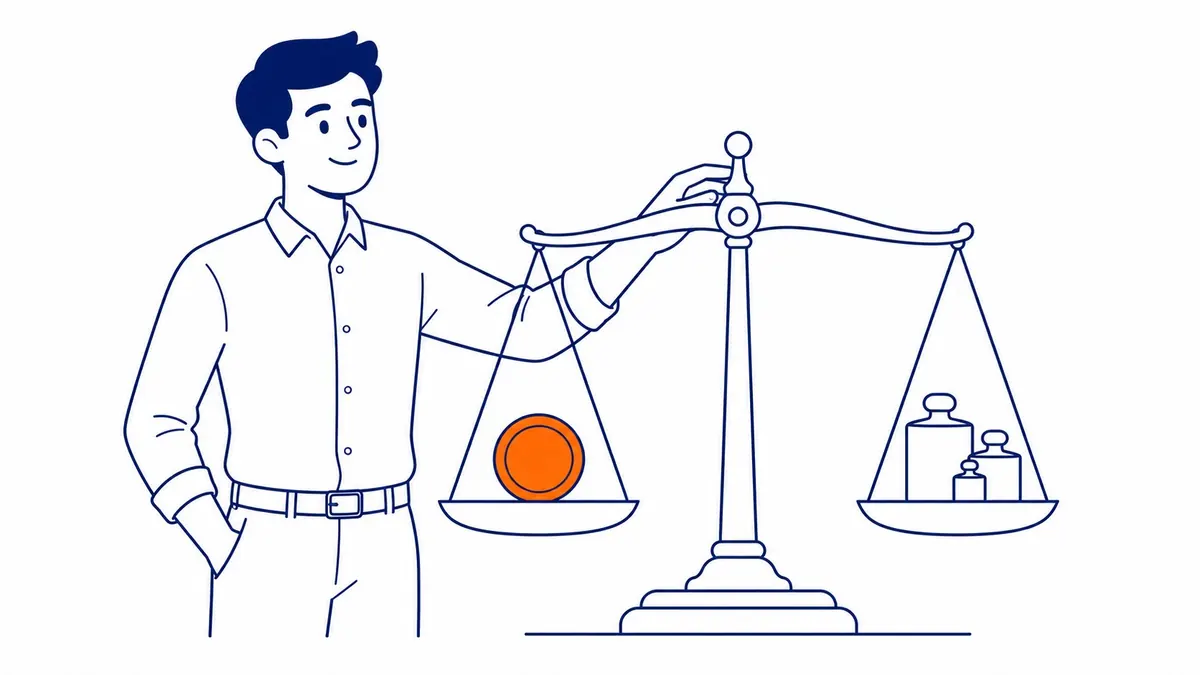
One Got a Decision. The Other Got a Keystroke.
Think about how a category comes into being.
Somebody sits down. Then somebody argues about it. Is this one category, or is it two? Does anybody search for it?
A category costs a meeting, or at least a quiet think.
Now think about how a tag comes into being.
You are adding a product. There is a box. You type a word into it, then you hit save. Half a second. No meeting, no title, nobody to approve it.
And a page appears.
That is the whole difference, and it is not a small one. Nearly every other page on your website took a decision. This one took a keystroke.
You Have Been Editing a Page You Never Opened
Here is the part nobody names.
You do not tag from the tag page. Instead you tag from the product screen, thinking about the product in front of you. Is this jacket waterproof? It is. So in goes the word.
Only you did not simply describe a jacket. Instead you added a row to a page that was nowhere on your screen. That page has a heading. It carries forty other products. Also a title a stranger will read in a search result.
None of that was in front of you.
Do it four hundred times and you have built a page out of four hundred small judgments. Every one correct about a product. Not one of them about the page.
Almost nothing else gets built that way. Nobody writes an article one sentence at a time from a screen where the article is invisible.
The Field Asks About the Product. The Page Asks About a Customer.
Read the two questions side by side.
The box asks whether this thing is waterproof. Then the page it quietly builds asks whether a stranger is out there typing waterproof jackets into Google.
Those are not the same question.
And nothing in that box puts the second question to you. No prompt does.
So the failure here is rarely carelessness. Rather it is a screen putting one question to you, then keeping your answer against a different one.
Two Kinds of Word Go Into That Box
Which hands you the sorting rule, and it needs no software.
Some tags are search words. Waterproof. Merino wool. Left-handed. Gluten free. People type those into Google. A tag naming one of them has quietly built you a category page, sitting there since the morning you typed it.
Other tags are shop words. SS24 and clearance-jan. Supplier-b, or reorder-spring.
Those describe your own business to yourself. Hardly anybody outside the building has ever typed one, so no page has a reason to exist for them.
Both kinds went into the same box, at the same speed.
So whether product tags help SEO is a narrower question than it looks. A tag helps exactly when the word was one a customer would use. Yet the box cannot tell which kind you just handed it.
Sorting them is a keyword research job, done on words you already own. Google hands you a second list free, sitting in the People Also Ask box. No plugin knows the difference, so configuring Yoast SEO changes nothing here.
Somebody Will Say Their Platform Hides Tag Pages
Fair enough. Plenty of platforms keep those pages out of the index by default.
Only look at what that concedes. Someone at that company decided your tag pages were not worth showing anybody. Then they decided it for every tag you would ever type. Sight unseen.
They were right about most of them, too.
Still, they were wrong about the handful naming a real query. A default is a decision taken by a stranger who never saw your stock.
What Product Tags Do Well, and It Is Not This
None of this makes tags a mistake. They do a job, and mostly they do it well.
Inside your store, a tag is how a shopper narrows a list down. It is how related products get suggested. Also how you find your own stock when somebody phones about a return.
So that is merchandising. Real work, worth doing well. Yet it was never an SEO job.
Tags also give a product more than one way to be reached from inside your site. A small link benefit, and a genuine one.

Where the Product Tags Argument Stops
Nobody is penalized for having tags. A store carrying a dozen has no problem here.
The noindex advice is good as well. So follow it.
Only notice what it is. Hiding a page is a way of not deciding about it. Quieter, and faster. And the page you hid may well have been the one worth writing.
Read Your Own Tag List
Open the list of every product tag in your store. Plenty of owners have never read it end to end.
Go down it slowly. Beside each word, write one thing. Would a customer type this?
Should the answer keep coming back yes, look at what you have. A row of category pages nobody ever wrote a sentence on. No problem at all. Instead it is the shortest job in your SEO plan.
Should the answer come back no nearly every time, you never built pages at all. You kept a record for yourself, and the software turned it into addresses.
No statistic about other people’s stores settles which of those you are looking at. Yours is one screen away.

Product Tags and Ecommerce SEO at To-The-TOP!
That tag list turns up often enough at SEO Company To-The-TOP!. Four hundred entries. Nobody quite sure who added most of them.
The work is seldom technical. Mostly it is a decision about each word. A few get promoted into proper pages. Most get quietly retired, and usually a website audit is where the list surfaces.
To-The-TOP! has been doing search engine optimization in Calgary since 2007, for online stores and the trades alike. No guarantees, and no fixed timeline, though three to six months is the plain range. The portfolio shows the keywords this work has reached. Businesses needing customers sooner are better served by a Google Ads campaign. Tag cleanup usually drags internal linking in ecommerce along with it.
Common Questions About Product Tags and SEO
Do product tags help SEO on their own?
No. Adding a tag lifts nothing by itself. What a tag can do is create a page. Then a page only helps when somebody was searching for what it lists.
Should product tag pages be noindexed?
Usually yes, for the ones nobody searches for, which is most of them. Still, read the list once before hiding the lot. The two or three naming a real query are worth writing.
How many product tags should a product carry?
Nobody has a number for you. Put a different question to each one. Would you have built that page on purpose?
Are product tags the same as categories?
As pages, very nearly. Yet as decisions, not at all. A category was chosen. Meanwhile a tag was typed.
Can a product tag page ever outrank a category page?
It can, and it does. Nothing in Google’s machinery is checking which box in your admin screen produced the page. It reads the page, then ranks it.
Contact Calgary SEO Company To-The-TOP!
Questions about anything in this article, or about your own rankings? Talk to a Calgary SEO specialist directly.
Phone: (403) 308-5949
Address: 1509 14 Ave SW, Calgary, AB T3C 0W4
Hours:
Monday to Friday: 10:00 am – 7:00 pm
Saturday: 12:00 pm – 4:00 pm
Sunday: closed