
How to Do an SEO Migration
You move a website. Search engines have to find it again.
That is the mechanic. Nobody calls us about the moving, though. They call about the drop that came after it.
SEO Company To-The-TOP! has watched this fail the same way since 2007. A site goes live on a Saturday. Organic visits sag through the following month. Then six people sit in a meeting and each blames a different change. Not one of them can prove anything.

What an SEO Migration Actually Moves
Addresses move. Content usually survives.
A page earns its rankings at a URL. Change that URL and a crawler sees a new page with no history behind it. The old address now answers nothing at all.
Design barely touches this. Rewriting your copy touches it hard. Moving that copy to a fresh address touches every signal at once. That is why an experienced consultant goes quiet when a client says the word migration.

One Word for Five Different Jobs
Five jobs. Wildly unequal risk.
People say site migration and mean five different things. A new domain name sits at the top of that list. Everything you own gets reintroduced under a name Google holds no history for. The trust built under the old name is the part nobody can promise will move with you.
Restructuring URLs on the same domain ranks just below it. Fewer things move. The ones that do still break. Every moved address needs a redirect pointing at its replacement.
Swapping a content management system comes next. Your addresses can survive a platform change. They rarely do. The new platform arrives with opinions about how a URL ought to look. Those opinions usually win.
Then there is http to https, which barely registers now. Repainting the site registers even less. A visual refresh that leaves every address alone is not a migration. It is a paint job. People reach for the bigger word because the bigger word justifies a budget.

Change One Thing at a Time
That is the rule. The rest is detail.
Stacking is what actually kills sites. A new domain. Fresh design. Different platform. Rewritten copy. All shipped in one weekend, because somebody promised a launch date to somebody else.
Six weeks later the traffic is down and there are five suspects. You cannot fix what you cannot attribute. A drop with one cause is an afternoon of work. Five candidate causes turn it into a quarter of arguing. Meanwhile the broken version keeps getting crawled.
Sequence the work instead. Ship the redesign on the URLs you already have. Wait for the numbers to settle. Move the addresses after that. A month of patience between changes costs less than one drop nobody can explain. Any Calgary SEO consultant worth hiring says the same thing.

The Reason for the Move Is Rarely Search
Search almost never orders the move.
A rebrand does. Procurement does. New marketing leads who inherited an ugly site do it often enough. The decision lands somewhere else in the building. Organic traffic pays the invoice.
Say that out loud before the project starts. Migrating for a rebrand is a legitimate business call. Doing it because someone called the site tired is not. The search cost arrives either way.
Budget for a soft quarter, then. Some businesses cover the dip with Google Ads while organic rankings rebuild. Expensive, but cheaper than silence.

What You Cannot Rebuild After Launch
Export first. Baselines cannot be reconstructed.
The old site disappears. New data stops arriving the same day. Which queries brought visits. The pages that carried them. What position each page held in the month before anything moved. Pull all of it while the old site still stands.
Owners skip this and then argue from memory. Memory is not evidence. A recovery without a baseline becomes a debate about whether things used to be better.
Run a proper website audit before the first mockup gets approved. Then store the export where the design team cannot overwrite it.

Picking a Launch Window Nobody Regrets
Never in your busy season.
Retailers who migrate in October deserve what happens to them. Same goes for a tax firm relaunching in March. Pick the quietest stretch on your own calendar. Mistakes cost least there.
Avoid Fridays. A launch on Friday means the person who can fix it is unreachable for sixty hours while crawlers index the wreckage.
Freeze everything else for a few weeks on either side. No new pages. Nothing edited. Zero fresh links pointed anywhere. A clean window on both sides of the launch is what makes the traffic line readable afterwards.

What Recovery Actually Looks Like
Slow. Uneven. Sometimes incomplete.
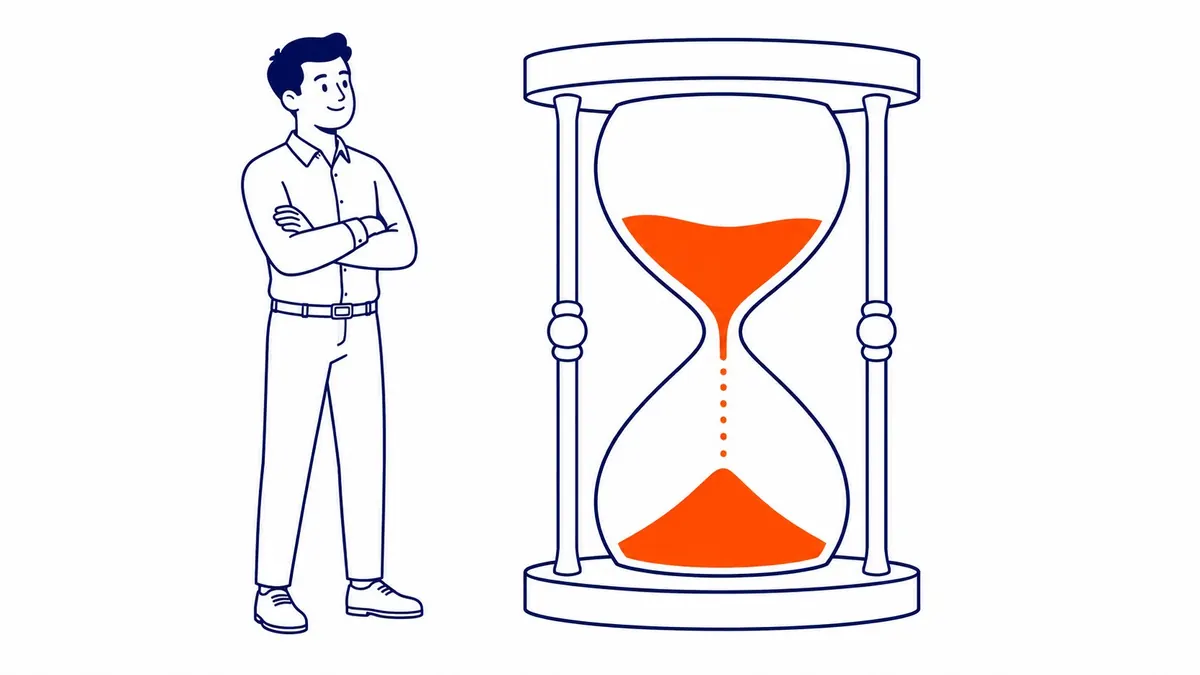
Rankings do not return on a schedule. Crawlers revisit your important pages sooner than the neglected ones. Your traffic line recovers as a staircase rather than a curve. The website is being re-learned, not relaunched.
Weeks is the usual answer for a clean move. Months is common enough. Some pages never climb back to where they sat, and nobody can truthfully promise otherwise. Anyone quoting you a recovery date is guessing.
What we watch is direction, not speed. Ongoing SEO support through the first quarter after a launch catches the quiet failures early. Quiet failures are the expensive kind.
When Not to Migrate at All
Cancel more of them.
A migration will not fix thin content. It will not fix a site nobody links to. Rebuilding the container does nothing for what sits inside it. Plenty of owners asking about migration have a content problem wearing a design costume.
Cheapest migration on record is the one that got cancelled in February. Spend that budget on keyword research and three good pages instead. Rankings answer to those.
Move when the business genuinely changed. Stay when only the mood did.

What We Tell Calgary Clients Before a Migration
One question, asked twice.
Which things are you changing? Then we ask what else is changing. Nineteen years of this has produced one reliable finding. The second answer is almost always longer than the first.
To-The-TOP! is a solo practice. No junior handoffs, so the person who maps your risk is the person watching Search Console at 6am on launch day. Businesses across Calgary and Vancouver get the same answer to the same question. Slow down. Ship less. The next question is always how long SEO for site migration takes.
Common Questions About SEO Migrations
How long does an SEO migration take to recover?
Weeks for a clean move on a small site. Months where URLs changed in bulk. Nobody can give you a date. Any consultant who does is selling certainty they do not have. Watch direction over the first weeks rather than daily positions.
Does an SEO migration always lose traffic?
Most lose something. A well sequenced move on unchanged URLs can be almost invisible. Domain changes behave differently. A temporary dip there is normal rather than a sign of failure. What matters is whether the line comes back up.
Can I redesign and change domains at the same time?
You can. Diagnosing the result becomes guesswork, though. Ship the redesign first on your existing addresses. Give it four to six weeks. Move the domain once the traffic line goes flat again. Two boring launches beat one exciting one.
What is the biggest SEO migration mistake?
Doing everything at once. Second place goes to launching without an exported baseline, which leaves nothing to compare against. Third place is treating redirects as a post launch task. They belong in the plan before a single page gets built. Redirect mechanics deserve their own reading. So does redesigning without losing traffic, which runs into the same redirect problem.
Should I migrate during a slow season?
Slow season, every time. A quiet quarter gives crawlers room to re-index before your revenue depends on the result. Migrating three weeks before your busiest month is how a technical problem becomes a financial one.
Contact Calgary SEO Company To-The-TOP!
Questions about anything in this article, or about your own rankings? Talk to a Calgary SEO specialist directly.
Phone: (403) 308-5949
Address: 1509 14 Ave SW, Calgary, AB T3C 0W4
Hours:
Monday to Friday: 10:00 am – 7:00 pm
Saturday: 12:00 pm – 4:00 pm
Sunday: closed