How Much Is PPC Advertising?
The range surprises most business owners the first time they research it seriously. Average cost per click on Google Search runs around $5.42 across all industries in 2026. The legal sector sees $9 to $10 per click. An injury lawyer keyword in a competitive city can reach $210. Knowing what drives those numbers changes how you evaluate any PPC budget conversation.
Total PPC cost has two parts. Ad spend goes to Google for the clicks. Management fees go to whoever runs the account. Most guides blend them. They are separate decisions with different levers.

What PPC Actually Costs in 2026
Google Search Network clicks average $5.42 across all industries. Display Network clicks run under a dollar. That gap exists because intent is completely different between the two. Search targets someone typing a query right now. Display, however, reaches people while they browse other content. People typing queries right now cost more to reach than people browsing. That is what the gap comes down to.
The average Google Ads account? Around $3,127 a month. That figure spans everything from small single-service local campaigns to larger regional budgets. 24% of all accounts run under $1,000 per month. 39% more sit somewhere in the $1,000 to $10,000 range. Everything above that makes up the rest. Still, most business owners asking about PPC costs for the first time expect a lower number.
Google also lets accounts overspend a daily budget by up to 2x on high-traffic days. So a $50/day budget can see a $100 charge on a busy Tuesday. Monthly spend still caps at average daily budget multiplied by 30.4 days. Worth understanding before setting a budget that looks comfortable on paper.
New campaigns need enough data volume to improve. Below $1,000 per month in ad spend, an account rarely generates enough results to optimize meaningfully. WordStream puts the entry point for most small businesses at $1,000 to $2,500 per month in ad spend. Management fees also come on top of that. Budget questions get easier once you have seen PPC explained end to end. How much PPC agencies add on top varies more than the ad spend itself.

Industry Is the Biggest Cost Driver
Legal is the most expensive vertical. Attorneys and legal services average $9.87 per click. Competitive injury and accident keywords in major markets hit $30 to $50 routinely. “Motorcycle injury lawyer” is one frequently cited high-cost example at $210. Finance and insurance run consistently above average too.
Retail and e-commerce land closer to $2 to $4. Calgary contractors and local service businesses typically see CPCs between $3 and $8. The number of advertisers bidding on the same terms drives the actual level. A trades business in a smaller market faces a lighter auction. One competing in a city with 30 active advertisers pays more.
Different platforms carry different price points. LinkedIn advertising runs $5 to $10 on the low end, higher for precise professional targeting. That cost makes sense for B2B outreach where average deal size justifies the acquisition. For most local service businesses targeting homeowners, though, LinkedIn rarely makes the math work.
Google Display stays under a dollar per visitor. Conversion rates, however, are lower too. Display works well for retargeting past visitors and building awareness. Not usually the right channel for capturing bottom-of-funnel purchase intent. Channel mix explains a lot of the gap between competitor PPC budgets.
Agency Management Fees: The Second Cost
Two fee structures dominate the PPC agency market.
Percentage of spend is the most common model. 10% to 20% of monthly ad spend is the standard range. On $3,000 in ad spend, that works out to $300 to $600 more in management. Light month? Lower fees. Busy month? Higher. Fees move with the campaign.
Flat monthly rate runs $1,000 to $3,000 per month regardless of ad spend. More predictable for businesses running a consistent budget. Some agencies require a minimum ad spend threshold before offering this option. Very small accounts, however, take the same setup time without generating proportionate revenue. The math does not work at $400/month in spend.
Add ad spend and management together. Most Calgary businesses running a properly managed campaign land between $2,000 and $8,000 per month. The lower end covers a focused single-service campaign. Competitive markets with multiple product lines push it higher.
WordStream data puts average wasted spend in a mismanaged account at $1,127 per month. Bad keyword targeting and broad match pulling in unrelated queries drive most of it. Landing pages that do not convert add the rest of that waste. To-The-TOP! handles Google Ads management for Calgary businesses that want the account built correctly and maintained actively. Nineteen years running these campaigns means no template approach.

What Controls Your CPC Day to Day
Quality Score is where most advertisers leave money on the table. Google rates each keyword 1 to 10. Expected click-through rate and ad relevance are two inputs. Landing page experience is the third. A $2 bid at Score 9 beats a $5 bid at Score 3. We have seen this play out in accounts where the lower-budget advertiser holds better position than the bigger spender. Adding more budget without fixing Score, therefore, just buys the same bad result for more money.
Competition in the auction pushes prices up. Broad match invites the widest pool of bids on loosely related queries. Exact and phrase match, however, cost less per visitor in most cases. Fewer competing ads, more relevant traffic, lower actual spend per conversion. That is what a clean keyword structure produces over a broad-match-heavy one.
20% to 40% CPC variation between peak and off-peak hours is also real and worth managing. Display network mobile placements tend to cost less. Search is different though. Mobile often costs more in categories where people act quickly, like emergency services. Ad scheduling and device bid adjustments handle both without cutting the campaign entirely.
Landing page performance feeds into Quality Score directly. A page that loads slowly or buries the conversion action increases costs indirectly. Ad copy that does not match the landing page makes it worse. Sometimes, fixing the landing page drops CPC more than any keyword restructuring does. A proper website audit surfaces the technical issues that inflate PPC costs quietly.
What Kind of Return to Expect
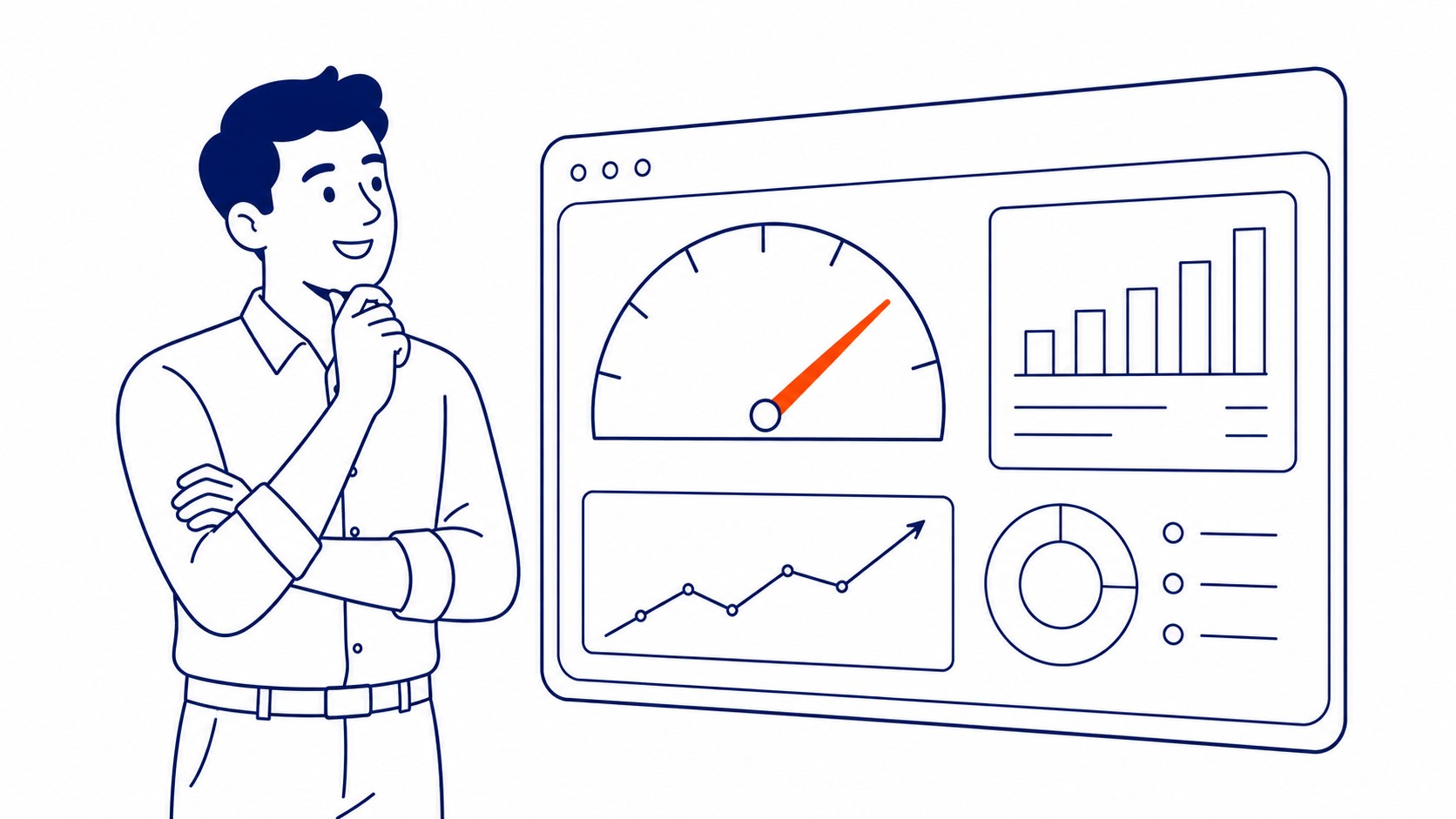
Google’s own data puts the average return at $8 for every $1 spent. Worth saying what that average includes. Tightly optimized national campaigns. Local campaigns running well. Abandoned accounts nobody touched in three years. All factor into that same number together. Actual return is what the account build quality and landing page conversion rate produce. Competitiveness, however, sets the ceiling.
PPC produces traffic the day the campaign launches.
Calgary SEO through organic rankings typically takes three to six months before meaningful movement appears. Both serve different timelines, though. PPC works when there is a clear offer and a specific audience. The landing page has to capture the intent the ads are generating. Without that, spending on PPC produces data instead of revenue.
Businesses spending under $1,000 per month on Google Ads are 75% more likely to be unsatisfied with results, per HigherVisibility analysis. Budget too thin to test and optimize is a different problem than poor campaign management. Both produce the same outcome. The client concludes PPC does not work. Most of the time, the setup failed, not the channel.
5% to 10% of gross revenue to PPC is the common starting allocation during the growth phase. HubSpot recommends it. However, that number shifts down as organic channels grow and referrals come in. Long term, layering PPC with keyword research and organic content reduces paid reliance. Permanently dependent on ad spend? That bill keeps coming every month with no compounding return.
Frequently Asked Questions
What Is a Reasonable Starting PPC Budget for a Small Business?
$1,000 to $2,500 per month in ad spend is where meaningful testing starts. Management fees are separate and come on top. Under $1,000 per month, data volume is too thin to optimize. Industry CPC also matters. $9 legal keywords need a higher floor than $2 retail terms. Not interchangeable.
How Much Do PPC Agencies Charge to Manage Google Ads?
10% to 20% of ad spend, or $1,000 to $3,000 per month flat. Agencies at $200 to $300 per month are running a template. Minimal attention. Ask what the actual deliverables are before signing. Active keyword testing and bid adjustments are not realistic at that rate. Neither is landing page work. Real optimization when something breaks? Not at that price.
Why Is My CPC Higher Than the Industry Average?
Thousands of accounts across every market get averaged together in industry benchmarks. Your CPC is your specific auction, not the average. Poor Quality Score? Broad match pulling in the wrong traffic? Landing page not converting the right visitors? Any of those push costs up. All three together is not unusual in underperforming Google Ads accounts. None of it is a platform problem. It is a campaign structure problem.
Should I Run PPC or SEO First?
Traffic the day you launch. But only while paying. That is PPC. SEO through organic rankings takes months but keeps producing after the spend stops. Most Calgary businesses do best running PPC early while organic rankings build underneath. Depending only on paid traffic long term is expensive. Waiting only on SEO short term, however, means months without visibility. Most mature strategies, therefore, layer both from early on.
Contact Calgary SEO Company To-The-TOP!
Questions about anything in this article, or about your own rankings? Talk to a Calgary SEO specialist directly.
Phone: (403) 308-5949
Address: 1509 14 Ave SW, Calgary, AB T3C 0W4
Hours:
Monday to Friday: 10:00 am – 7:00 pm
Saturday: 12:00 pm – 4:00 pm
Sunday: closed
