
Why an SEO Audit Is Important (and What It Actually Turns Up)
Most site owners arrive convinced they need more content. Four audits out of five tell a different story.
The real blockers are usually already on the site: pages search engines cannot crawl, title tags written for an audience that doesn’t search that way, backlinks pointing to URLs that no longer exist. Adding more content on top of those problems compounds the waste, not the result. That is the straight read after running site audits since 2007.
An SEO audit tells you what is actually limiting your website before you spend more time or money on it. That is where every engagement should start.
What a Real SEO Audit Covers
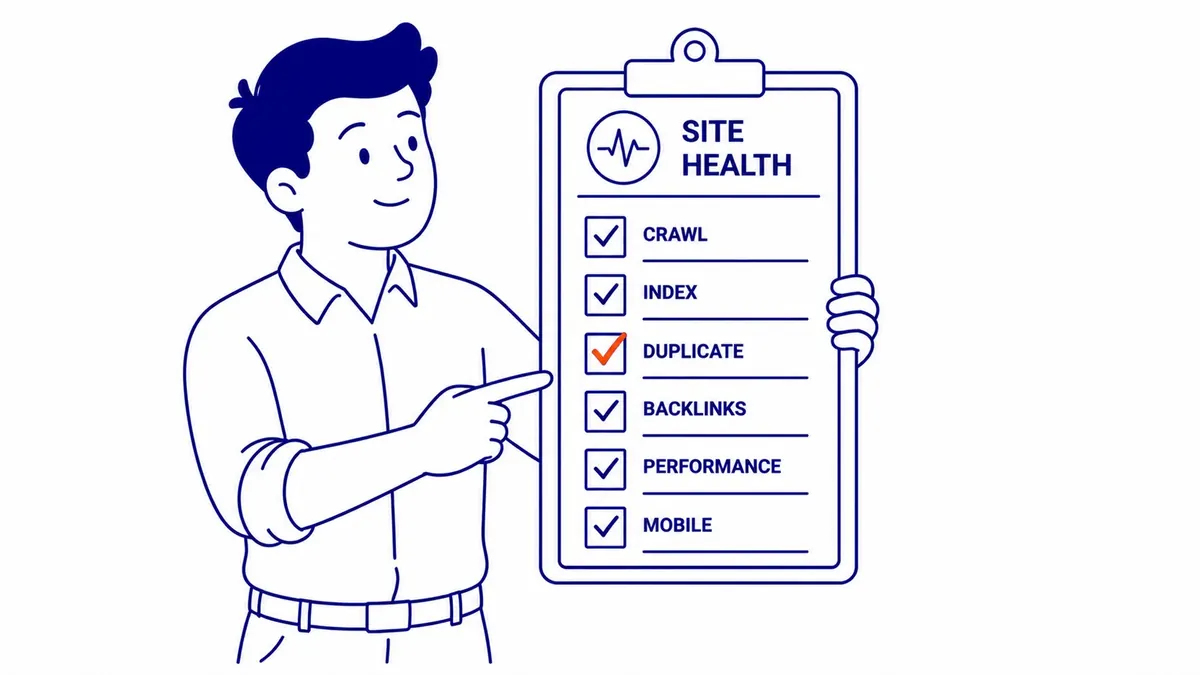
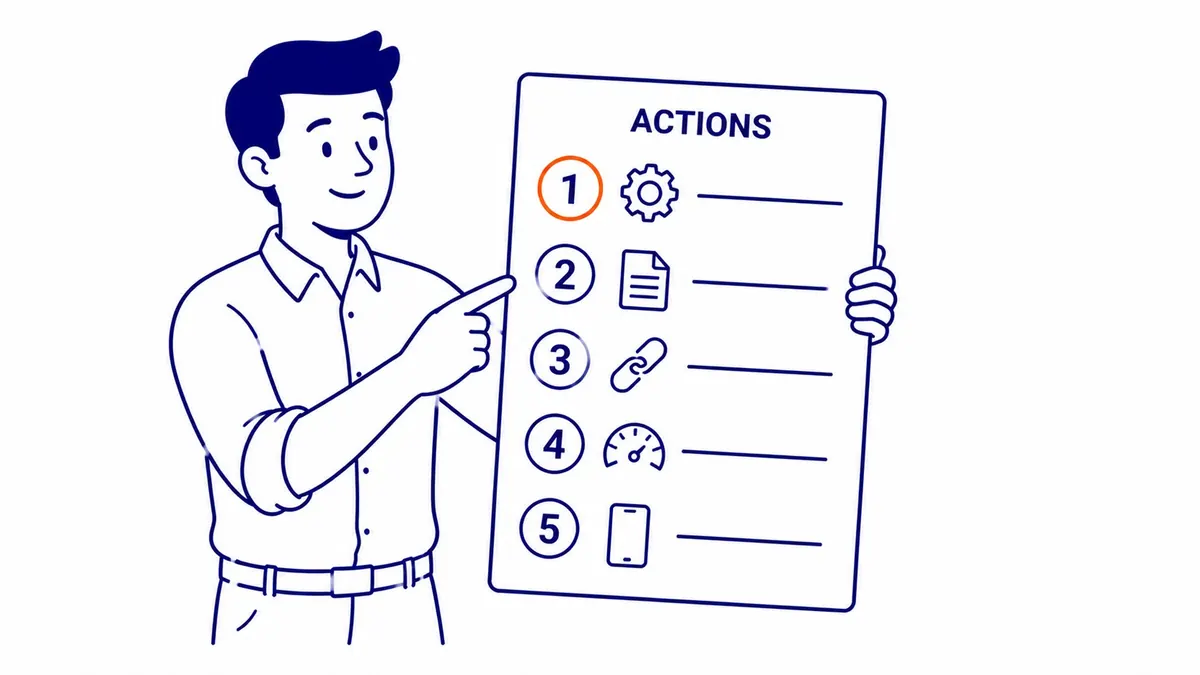
Crawlability. Indexation. Page speed. Mobile performance. Core Web Vitals. Title tags. Meta descriptions. Internal linking architecture. Schema markup. Backlink profile. Duplicate content. Search Console errors. Not a checklist of things to look at eventually. These are the findings that come up in every audit, usually in some combination that explains why a site isn’t moving in search results.
Each area connects to the others. A page Google can’t crawl won’t index. Slow-loading pages don’t rank even when they index. Confusing pages that rank still don’t convert. The audit maps that chain and finds where it is breaking.
There is a prioritisation layer too. Not every finding carries equal weight. A full SEO audit ranks technical SEO issues by their likely impact on traffic and search results, so fixes happen in the right order rather than scattered across too many fronts at once.
Technical Issues: The Most Common Finding
The question that comes in before most audits: “We have been publishing content for a year and not seeing movement. What is happening?”
The step-by-step guide on how to do an SEO audit covers the tools and process for running a full audit across technical, on-page, and off-page factors.
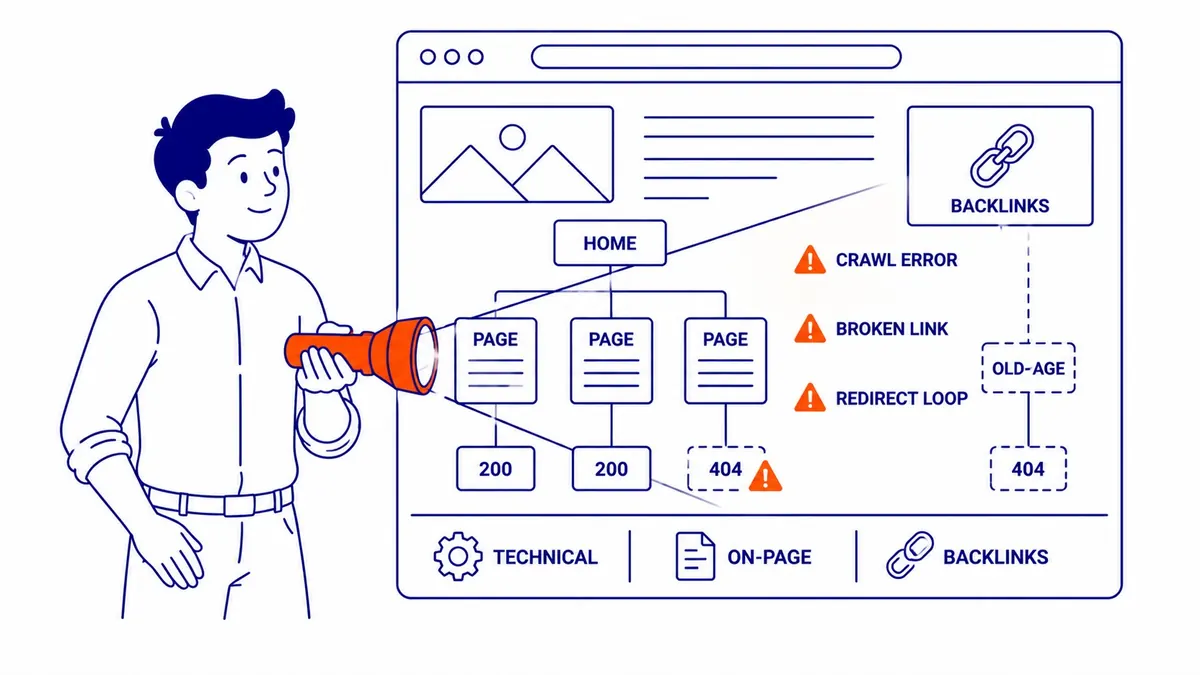
Technical problems are the answer more often than people expect. Render-blocking scripts. Uncompressed hero images. Redirect chains left over from a site migration that nobody cleaned up afterward. Pages marked noindex that should be indexed. These problems sit quietly while content gets published on top of them, month after month.
Crawl errors and indexing issues are particularly costly. Your site looks functional. Visitors arrive through direct traffic or referrals. Search engine rankings don’t move. No clear diagnostic signal tells you why.
Pulling from three data sources: Google Search Console, Google Analytics or GA4, and a crawler like Screaming Frog or Ahrefs. Run against your site, these tools surface broken links, duplicate content, missing structured data, and URL structures that manual review would never catch at scale.
Content Gaps Your Competitors Are Filling
Ranking well is not about having content. It is about having the right content, matched to the search intent your target audience actually uses.
Technical issues are usually the first things an audit surfaces; the explainer on what is technical SEO covers what each finding actually means for rankings.
Your competitors appearing above you in search results are doing something with their keyword targeting and page structure that your website isn’t doing yet. An SEO audit includes a gap analysis. Which queries generate impressions but no clicks. Pages that attract users but still lose them before converting. Where your content misses the intent behind the search.
A round of SEO keyword analysis is part of the picture. Specifically, whether you are targeting the right keywords for where your business wants to appear. What you have been using is rarely what your customers are actually searching for. That gap shows up in almost every audit. Worth knowing about before spending more on new content.
Your Backlink Profile: Quality Over Quantity
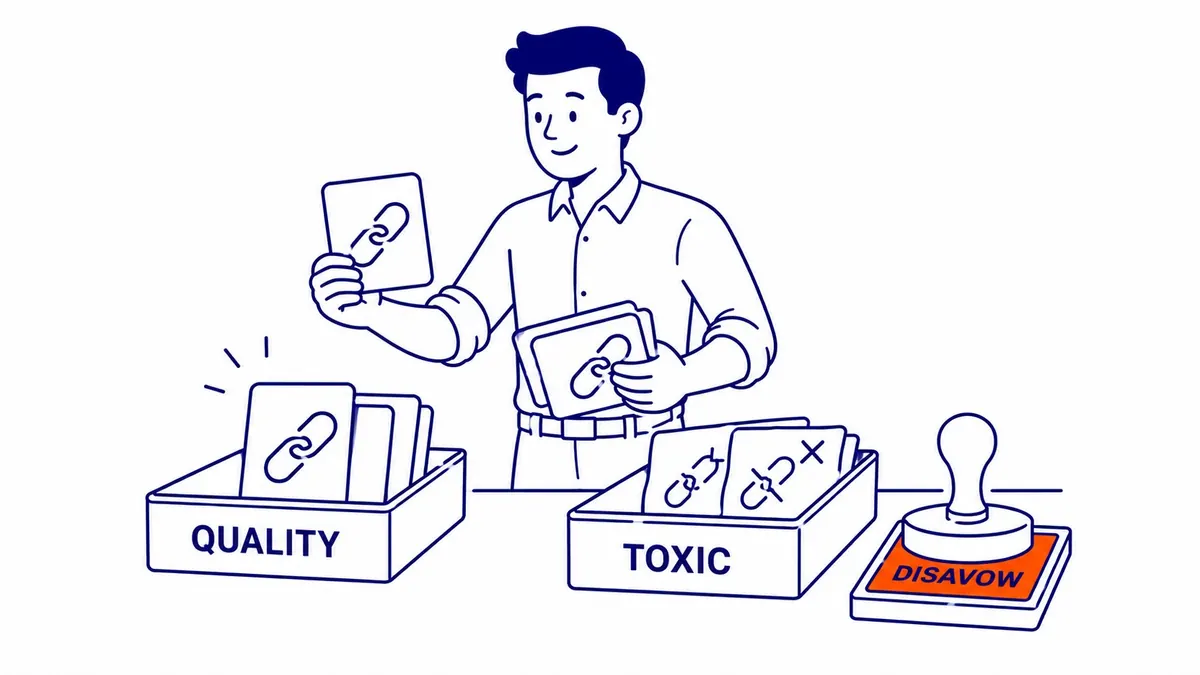
Backlinks from other websites still carry weight as a ranking signal. Their source matters more than their count. High-quality links from relevant, credible sites push search engine rankings up. Link farms, spammy directories, and toxic backlinks left over from old campaigns do the opposite. They hold your website back or trigger manual penalties.
An SEO audit of your backlink profile checks both directions. It identifies link-building opportunities your competitors have secured that you haven’t pursued yet. Toxic backlinks worth disavowing also get flagged before they cause problems.
Backlinks take time to build. Identifying the issues and opportunities early means link-building efforts target the areas with the highest return, rather than building on a profile with hidden damage already in it.
User Experience Signals Search Engines Now Measure Directly
Page speed is a ranking factor. Core Web Vitals performance is a ranking factor: Largest Contentful Paint, Interaction to Next Paint, Cumulative Layout Shift. Mobile-first indexing has been the standard for years; mobile-friendliness isn’t optional for any site that wants to rank.
User experience shows up in engagement data too. Bounce rate, dwell time, pages per session: search engines read these as signals about whether users are finding what they came for. Poor navigation, slow load times, content that misses user intent: all three degrade those signals over time.
An SEO audit surfaces the specific pages where user experience is costing your website visibility and rankings. Not a general observation. A specific, ranked list.
How Often Should You Run an SEO Audit?
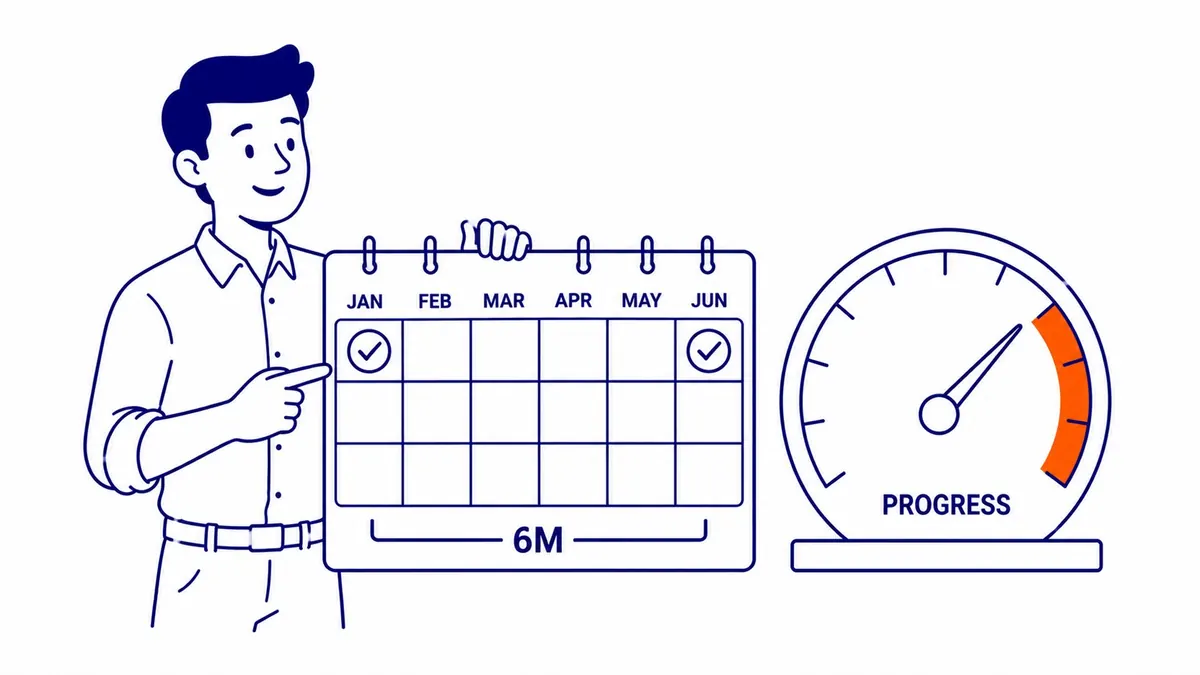
At minimum, once a year. Any time significant changes have been made to your website, run one sooner.
Algorithm updates adjust what search engines measure. Your website that passed a technical check two years ago may have new issues. CMS updates introduce them. So do site migrations. Algorithm weight shifts do too. Regular SEO audits give you a benchmark. Your site’s performance against that benchmark is how you track whether the work is moving in the right direction.
Businesses in competitive markets benefit from more frequent checks. Twice yearly is reasonable when your competitors are actively investing in their own SEO strategy and you need to track where the gaps are forming. Twice a year changes the budget question, so typical SEO audit fees are worth checking first.
What Skipping an SEO Audit Actually Costs
Organic traffic that doesn’t arrive is revenue that doesn’t arrive. Your competitors ranking above you for your core search terms are capturing the searches your business depends on.
The cost tends to be quiet. Your website with technical issues still functions. Customers reach it through direct traffic, paid search, or referrals. Rankings that plateau, visibility that erodes as your competitors invest and you don’t, traffic gaps that go unnoticed until the drop is already months old: that is what the quiet SEO damage looks like.
Fixing what an SEO audit uncovers compounds forward. Correct a crawl problem and more pages index. More pages indexed means more ranking opportunities. Organic traffic builds from there.
What Comes After the Audit
The audit is not the endpoint. It is the map. What follows is a prioritised fix list: not everything at once, but ranked by impact so budget and effort go where they will move the needle first.
That is the approach To-The-TOP! SEO Company has used for every site audit since 2007. Solo practitioner, no junior handoffs, every finding reviewed by the same specialist who built it. Everything To-The-TOP! takes on, from Calgary SEO services through to paid campaigns, runs on that same structure, start to finish. What our website audit hands you is a specific, ranked list of what is limiting your site and what to fix first.
There is no need to buy Google ad account access anywhere else, either. Paid campaigns run alongside the organic work for clients who want both channels. Some start with paid while the SEO takes hold. Others run both from the beginning.
Sites in Wainwright SEO, West Kelowna SEO, and Westlock SEO run into the same crawl budget, indexation, and technical issues that a proper audit surfaces. How often those checks repeat comes down to the right audit frequency for the site.
Frequently Asked Questions
What is the main purpose of an SEO audit?
To find what is limiting your website’s search performance. Specific technical issues, content gaps, backlink problems, and user experience failures, all ranked by impact. A good audit tells you where to put effort first. The output is a prioritised action list, not a report full of general observations.
What are the 3 C’s of SEO?
Content, code, and credibility. Content covers what your pages say and whether it matches search intent. Code is the technical foundation: crawlability, page speed, structured data, and mobile performance. Credibility covers your backlink profile and how other websites refer to yours. All three come up in every thorough SEO audit, and problems in any one of them limit what the others can accomplish.
Is SEO evolving in 2026?
Still evolving. Algorithm updates keep adjusting which signals carry weight, but the core hasn’t shifted: technically sound pages that match search intent and earn links from credible sources rank well. AI-assisted search retrieval is changing how results are displayed, not the underlying ranking signals. Sites with regular audits and solid search engine optimization are better positioned to adapt. That has been the consistent finding across nineteen years of doing this.
What are the key benefits of running regular SEO audits?
Technical problems caught before they compound. Content gaps already being filled while you wait. Backlink issues surfaced before they cause penalties. A benchmark for tracking your site’s performance over time. Regular audits deliver all four. The alternative is waiting until search rankings drop to investigate. By then, most businesses have been losing ranking ground for months without a clear diagnostic signal to show why.
Contact Calgary SEO Company To-The-TOP!
Questions about anything in this article, or about your own rankings? Talk to a Calgary SEO specialist directly.
Phone: (403) 308-5949
Address: 1509 14 Ave SW, Calgary, AB T3C 0W4
Hours:
Monday to Friday: 10:00 am – 7:00 pm
Saturday: 12:00 pm – 4:00 pm
Sunday: closed