Do Broken Links Affect SEO?
Every site audit To-The-TOP! runs turns up broken links. Not a handful. Usually dozens, sometimes well over a hundred, sitting unnoticed while crawlers keep hitting dead ends. No alert fires. Search Console does not surface them automatically; most site owners are not looking.
Broken links do affect SEO. Impact varies depending on the type, where those dead paths sit in the architecture, and how many there are.
What a Broken Link Actually Is
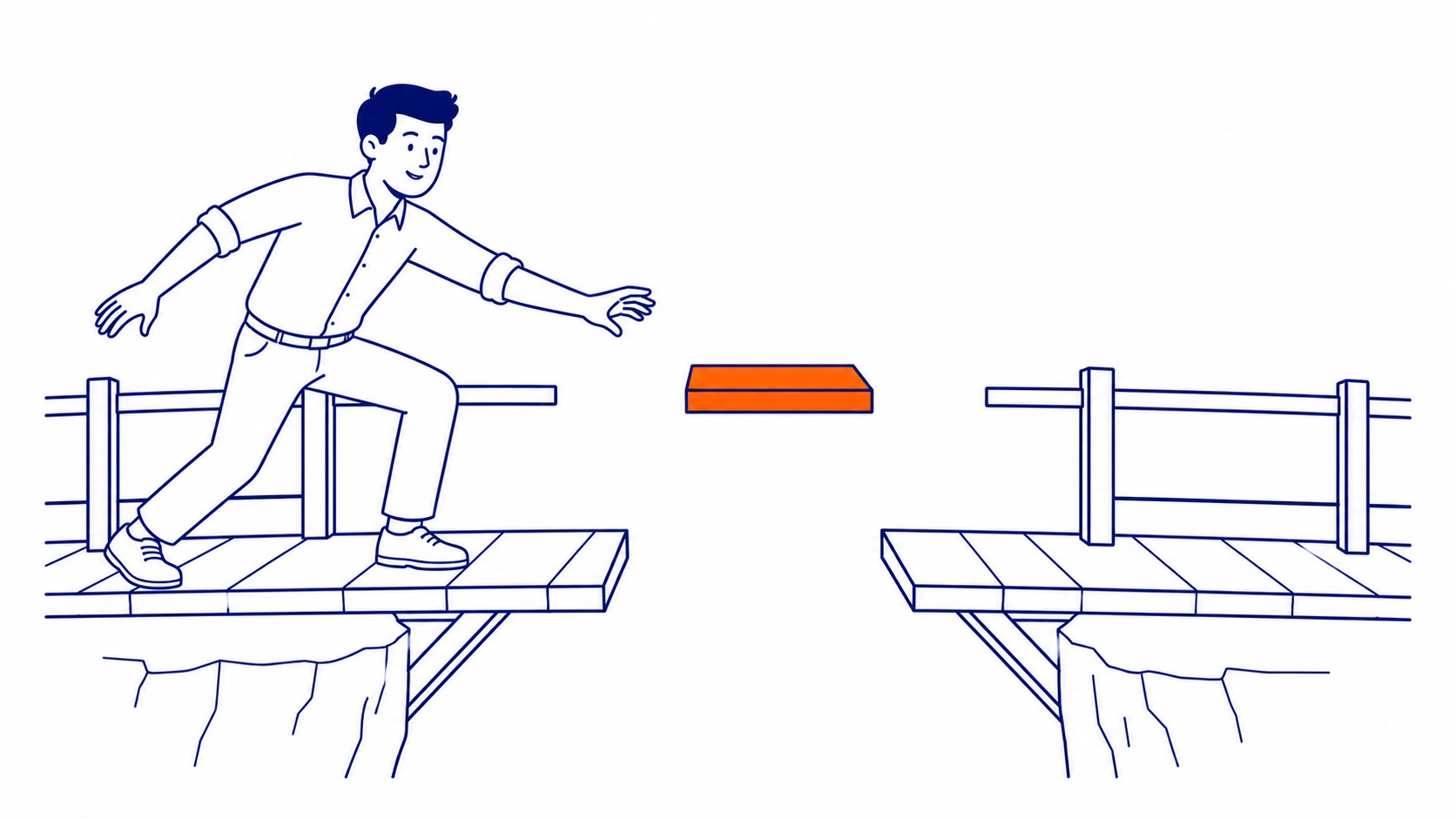
A broken link points to an address that no longer exists. 404 is what you get. The server found nothing at that destination. Dead links collect on most websites gradually. Pages get deleted. URLs change during a redesign. External websites pull down the resources your site was pointing to.
Three situations create most of them: typo in the href, page deleted without a redirect, outside site removed the content. Most go unnoticed until a crawl surfaces them. So how much do 404 errors actually cost a site?
How Broken Links Hurt Your Site
Crawling Gets Blocked
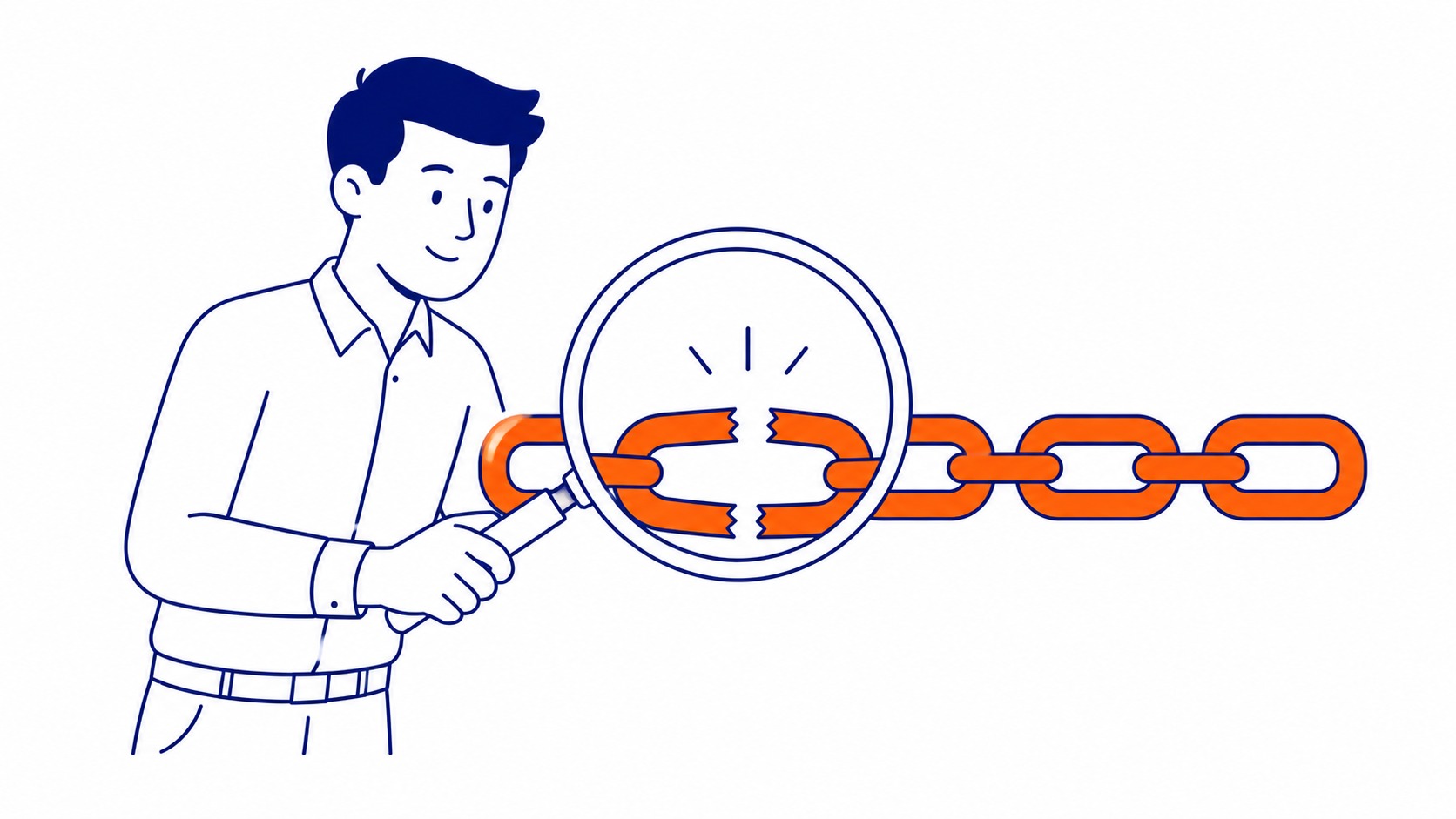
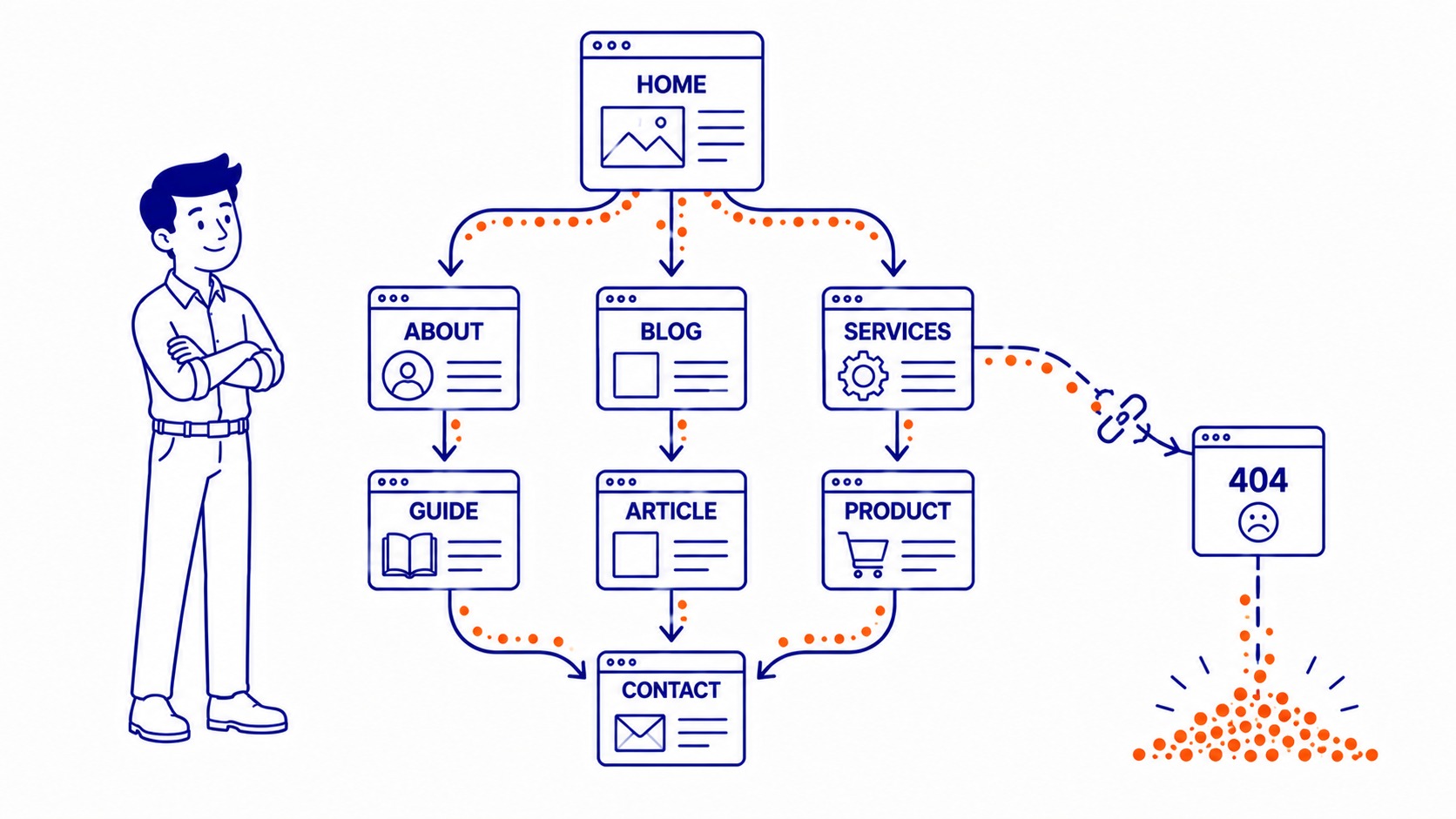
Crawlers follow links to discover and index pages. The crawler stops at the dead end. It cannot follow a path that leads to nothing. On websites with many broken internal links, entire sections can sit outside the index, not because the pages are poor, but because the paths leading there no longer work.
Broken links sit within the larger discipline of technical SEO, which covers crawlability, indexation, and site health together.
Crawl budget is also a factor. Search engines allocate a fixed number of crawl requests per site. Requests spent on dead ends are requests not spent on real pages. For larger websites with hundreds of broken links, that trade-off shows up in which pages get indexed and which ones simply do not get reached.
Bounce Signals Pile Up
Visitors who hit a broken link on your website land on a 404 page instead of what they came for. Most leave immediately. High bounce rates, short sessions, users heading straight back to Google: search engines treat these as quality signals, and broken links generate all of them.
We have seen pages with strong keyword targeting still underperform because broken links kept routing visitors to dead ends. Those pages existed. The working paths to them did not.
Link Equity Leaks Out
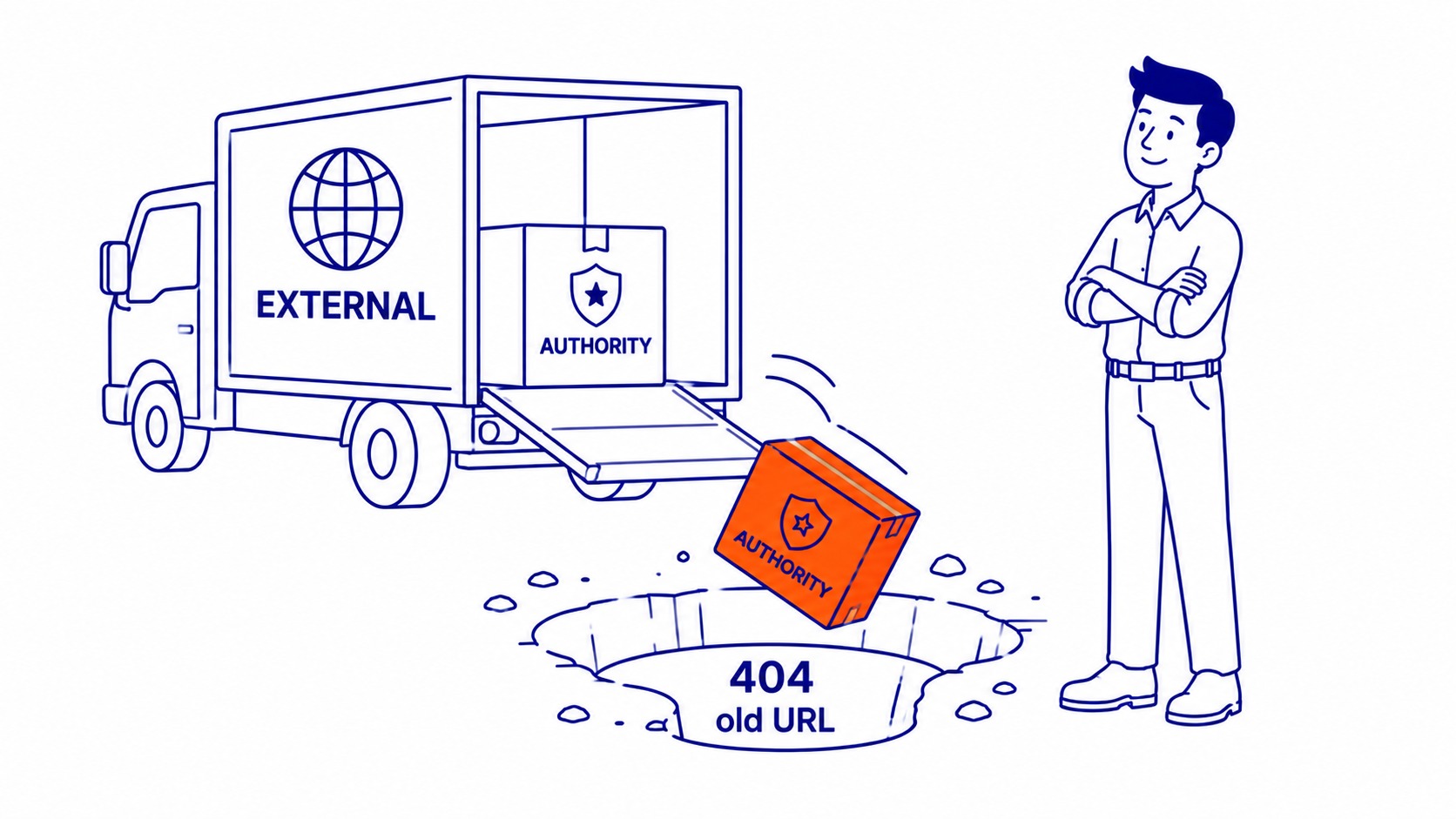
Every working path on your website distributes authority from one page to the next. That distribution is link equity. A broken link terminates it at the point of failure. Authority that should flow toward a target page stops at the dead end instead.
On websites with many dead internal paths, that lost equity accumulates across the domain. For backlinks pointing in from outside, a broken destination is worth nothing. An authoritative external page pointing to a deleted resource on your website contributes zero ranking signal until someone repairs it or sets a redirect. Structural choices leak equity too, which is why whether subdomains hurt SEO still splits opinion.
Internal vs External: Which Type Matters More
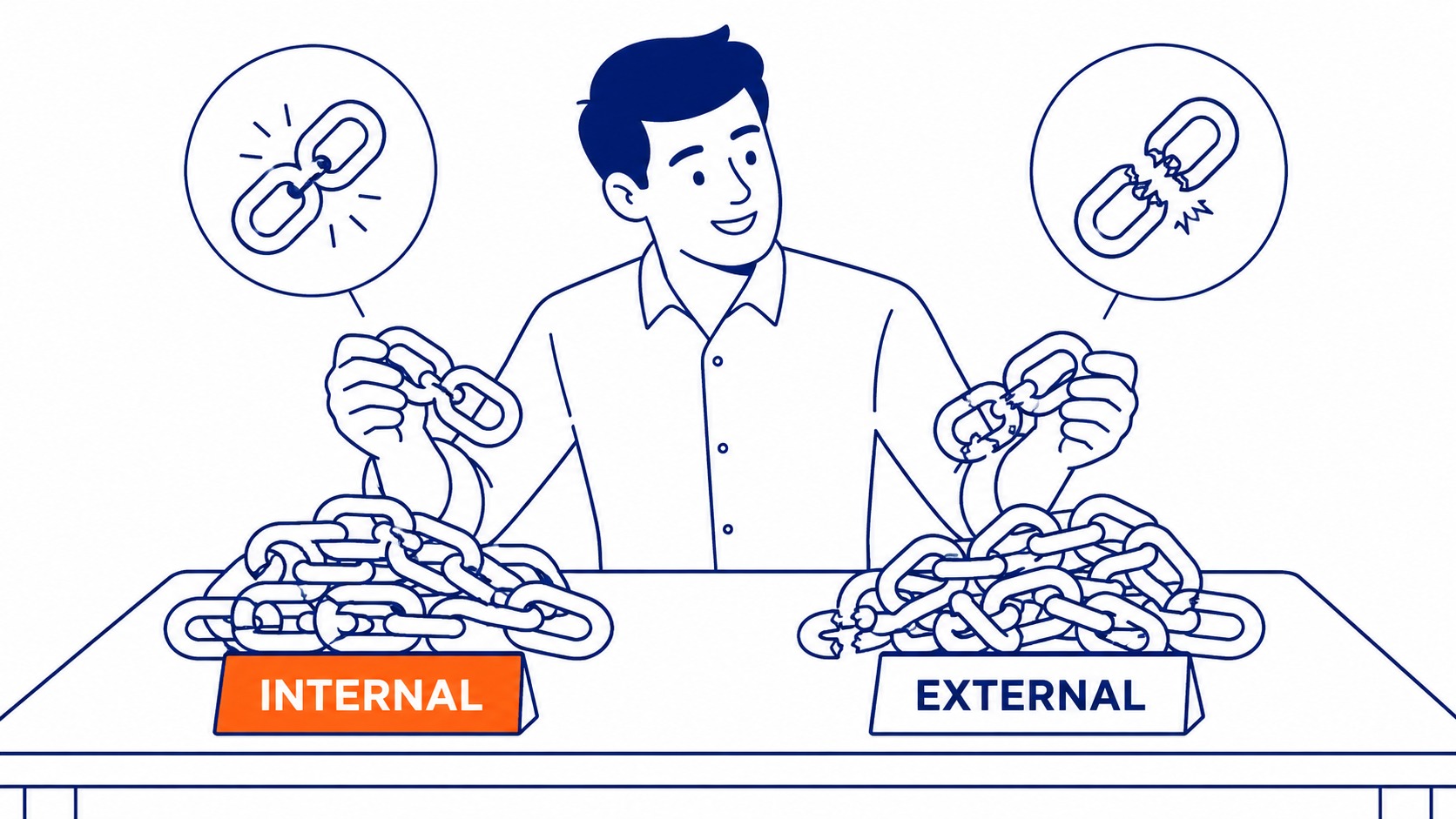
Two distinct categories exist. Priority differs, however, between them.
The guide on how to improve SEO covers where broken link cleanup fits within a broader site improvement plan.
Internal broken links: one page on your own domain pointing to another that no longer exists. That accountability falls on the site owner. A consistent pattern of broken internal links reads as poor maintenance and suppresses rankings more directly than broken outbound paths.
External broken links lead outward, toward third-party pages that have since moved or disappeared. Less damaging to your rankings. Still worth fixing for visitors who expect to land somewhere useful.
Broken backlinks are the third category, and the costliest. External sites pointing to an old URL on your website pass nothing. Set up a 301 redirect and that ranking signal comes back.
Broken Backlinks Are the Costliest Kind
Backlinks are still the strongest off-page ranking signal in search. That has not changed. A broken backlink is, however, a wasted one. Another domain sends authority toward an old address on your website, the page no longer exists, and the contribution goes nowhere.
Set the redirect and the backlink starts counting again. Quick to implement once you know it is needed. Tracking down broken backlinks in the first place requires a proper audit; most site owners do not know how many they are sitting on until someone actually checks.
Locating Broken Links on Your Site
Google Search Console
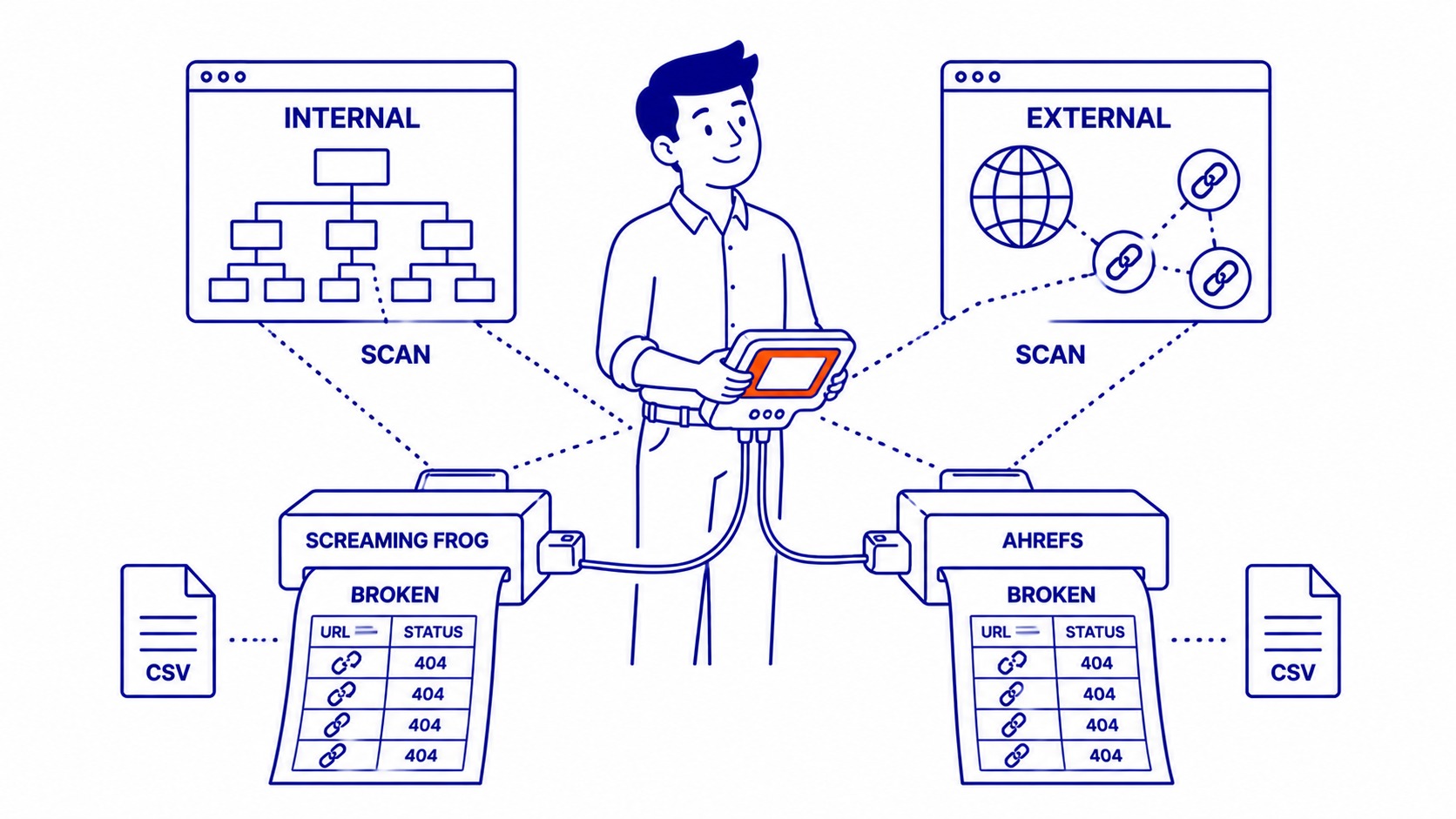
Google Search Console’s Pages report surfaces 404 errors that Google encountered while crawling your website. No external tools required. GSC shows which addresses returned errors, how often, and which pages on your site link to them. Free to access. Faster than most paid tools for an initial sweep.
Ahrefs and Screaming Frog
For a more thorough picture, Screaming Frog and Ahrefs both deliver full crawl data. Full internal crawl, list of broken pages, every path that pointed to each one: Screaming Frog exports all of it. Ahrefs surfaces broken backlinks from external websites, the ones costing you authority every day they go unredirected.
Both tools export to spreadsheets. Prioritise by authority: broken paths from high-value pages to your key resources come first.
How to Fix Them
Set a 301 Redirect
Old URL, new destination: a 301 maps them permanently. Anything pointing to the old URL, internal or external, forwards to the new destination automatically. Authority transfers with it. Set the redirect in your CMS, .htaccess file, or server configuration.
Redirect chains deserve attention at the same time. A 301 pointing to another 301 before reaching the final destination loses authority at each hop. Clean chains route directly from the original address to the final page. If the chain has three or more hops, that equity loss adds up.
Update the Href Directly
For broken internal paths you control, updating the href is cleaner than adding a redirect. Change the destination in the markup. No chain risk, no extra redirect to maintain, no server overhead. On a site that changes its URL structure often, this is the lower-maintenance fix.
The Other Side: Broken Link Building
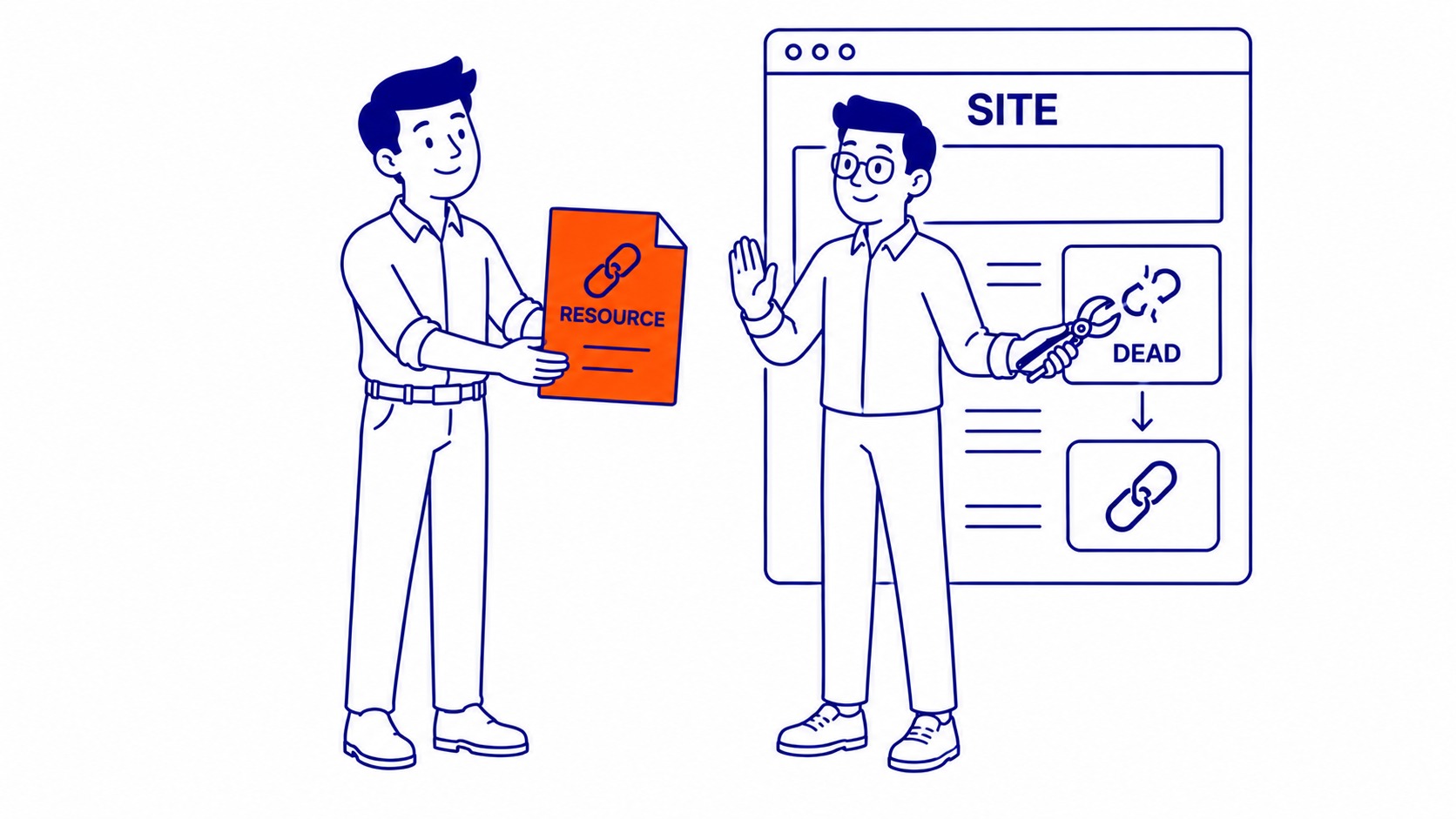
Broken links on other websites are also an opportunity. Broken link building involves finding pages on relevant external sites with dead outbound paths, then offering your material as a replacement for the broken resource. The site owner removes a dead path. You earn a backlink.
Legitimate outreach. No paid placements, no manufactured citations. Just relevant material offered where something already broke. It also builds a relationship with the other site rather than a cold placement request.
Keeping the List Short
Broken links accumulate on most websites gradually. Not all at once. A quarterly crawl keeps the list manageable. Catch them at five or ten and it is an hour’s work. Wait until the list reaches several hundred and prioritisation becomes a project of its own.
Clients who come to To-The-TOP! for our Calgary SEO work get these audits as part of every technical review. Much of the value in an SEO site audit comes from surfacing broken links alongside crawl errors, indexation gaps, and page speed findings, all ranked by impact so the high-priority fixes happen first. The same compounding applies to our search engine optimization work, which builds over months, and broken links are a slow leak underneath the rest of it. Worth the quarterly check.
Sites in Blackfalds SEO, Bonnyville SEO, Brooks SEO, and Burnaby SEO face the same internal link maintenance challenges as every growing local business.
Frequently Asked Questions
Are broken links bad for SEO?
Crawling takes a hit. User experience takes a hit. So does link equity. All three compound over time. A small number on a large site will not tank rankings by themselves. Consistent patterns, especially on internal paths to important pages, hold the site back. Quarterly checks. Not a one-time project.
Are broken external links bad for SEO?
Broken links pointing away from your website to outside resources are the least urgent type. No penalty for linking to content that later vanished. That signal is neutral. Still worth cleaning up. Visitors who land on dead outbound paths lose trust in your site. Crawlers also notice when pages consistently point to nothing useful.
What are common SEO mistakes to avoid?
Broken links are one. Thin material, missing title tags, slow page load times, duplicate URLs, and pages aimed at keywords that would never have survived our keyword research: these show up on most technical audit reports. The same maintenance habits that allow broken links to accumulate tend to produce the others too. On the paid side, campaigns pointing to broken landing pages waste ad spend the same way broken links waste organic authority, and paid channels such as Google Local Services Ads are no different. Different channel, same structural problem.
Contact Calgary SEO Company To-The-TOP!
Questions about anything in this article, or about your own rankings? Talk to a Calgary SEO specialist directly.
Phone: (403) 308-5949
Address: 1509 14 Ave SW, Calgary, AB T3C 0W4
Hours:
Monday to Friday: 10:00 am – 7:00 pm
Saturday: 12:00 pm – 4:00 pm
Sunday: closed
