
What Is an SEO Landing Page? A Calgary Specialist’s Honest Guide
An SEO landing page is a single page built to rank in organic search and turn the visitor who lands on it into a lead or a sale. That is the short version. The longer version is what most articles on this topic skip, and it is where the money actually lives.
I have been building these pages for Calgary businesses since 2007. Some of them ranked and never converted. Others converted beautifully and never ranked. The ones that did both took planning that nobody enjoys talking about, because it is less exciting than a checklist of fifty optimization tips. This guide is the planning conversation. It pulls from what the better articles online get right, fills in the parts they leave out, and adds the things you only learn after nineteen years of watching real pages win and lose in real search results.
Here is the thing worth saying up front. A landing page and an SEO landing page are not automatically the same object. One is a marketing asset built around a single action. The other is that same asset, made to earn its own traffic from Google instead of borrowing traffic from an ad budget. Get the difference wrong and you build a page that does neither job well.
What an SEO landing page actually is
Start with the two jobs. An SEO landing page has to rank, and it has to convert. Those two goals pull against each other a little. That tension is the whole reason this is harder than it looks.
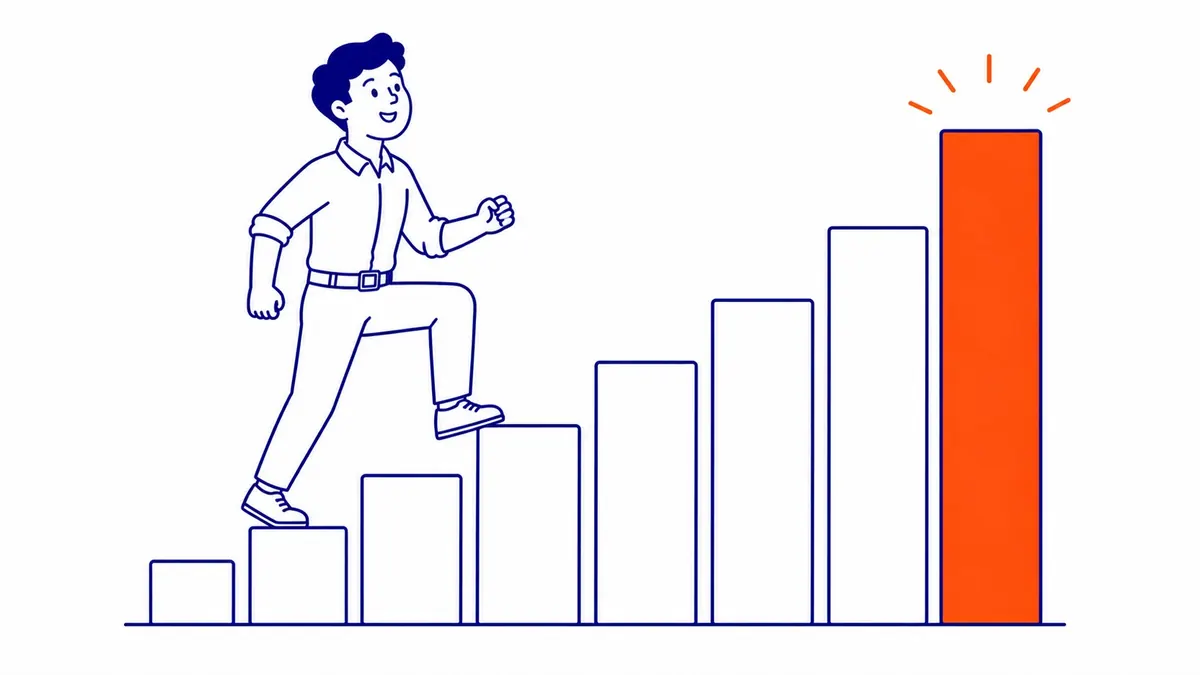
A plain landing page wants one thing from the visitor. Sign up. Book a call. Buy the thing. To get there it strips away distractions, keeps the copy tight, and points everything at one call to action. An SEO landing page wants that same conversion. It also has to satisfy a search engine, and search engines reward depth and relevance a thin conversion page rarely carries. So you are writing for two readers at once. A person in a hurry, and an algorithm reading every word on the page.
Most of the guides online split landing pages into two camps. Conversion-focused pages lean on paid or referral traffic. Ranking does not matter to them. SEO-focused pages pull free organic traffic, month after month. Both are landing pages. Only one is an SEO landing page. The distinction matters because the second kind needs more than a headline and a form. It needs keyword targeting. A clear search intent. Real content. And a reason for Google to pick it over the dozen other pages chasing the same query.
Semrush uses a clean example here, and it is worth borrowing. Mailchimp and Salesforce both have pages that rank for “email automation software.” Neither page is their homepage. Each is a focused page built to capture that specific search, answer it, and move the visitor toward a trial or a demo. That is an SEO landing page doing its job. It found a query with commercial value. Earned a spot in the organic search results. Then it converted the people who clicked.
It helps to know the shapes these pages come in, because the SEO layer sits on top of all of them. Lead-generation is the one we build most. Someone hands over contact details in exchange for something useful, and you have a lead. Click-through versions do less work, warming a visitor up before passing them to a cart or a booking flow. Then there is the squeeze page, after an email and little else, and the long-form sales pitch that runs at the bottom of the funnel. We see fewer of those last two in day-to-day client work. The goal picks the shape. Whatever shape that is, making it an SEO asset just means building it to earn its own traffic rather than waiting on an ad budget to feed it.
The free-traffic argument is the one I make to every Calgary client who balks at the work. You have two ways to appear when someone searches a phrase that matters to your business. Pay for the click through Google Ads, or earn the click through organic ranking. Paid traffic stops the day your budget stops. Organic traffic from a page that ranks keeps coming, for months, sometimes years, with no per-click cost. That is the asset you are building. Not a brochure. An asset that compounds.
A quick story makes the point. Years back a Calgary contractor came to us with a page he loved. Beautiful design, a strong offer, a form that worked. It converted around one visitor in ten, which is good. The problem was that almost nobody saw it, because it was built to convert and never built to rank. No target keyword, no real content, thin as a brochure. We did not rebuild the look. Instead we added the things a search engine needs. A clear primary keyword it was actually about. Enough content to answer the query behind it. A title and headings that matched. Internal links from the rest of his site pointing in. Four months later that same page was pulling organic traffic for a phrase his buyers searched, and the conversion rate he already had did the rest. Same page, two jobs, finally doing both. That is the whole idea in one client.
None of this means PPC is the enemy. We run plenty of paid campaigns, and a well-built Google Ads management program earns its keep. The point is that an SEO landing page and a paid landing page are different tools for different jobs, and the next section is where that difference gets concrete. The ranking half of the job is content SEO, and it does not happen by accident. A detour first, since what email marketing means for organic traffic touches these same pages.
An SEO landing page versus the rest of your website
Different pages, different jobs. Your site already has a homepage, probably some service pages, maybe a blog. An SEO landing page is not a replacement for any of them. It sits alongside them with a narrower purpose, and confusing it with the others is the most common structural mistake I see on Calgary sites.
How it differs from your homepage
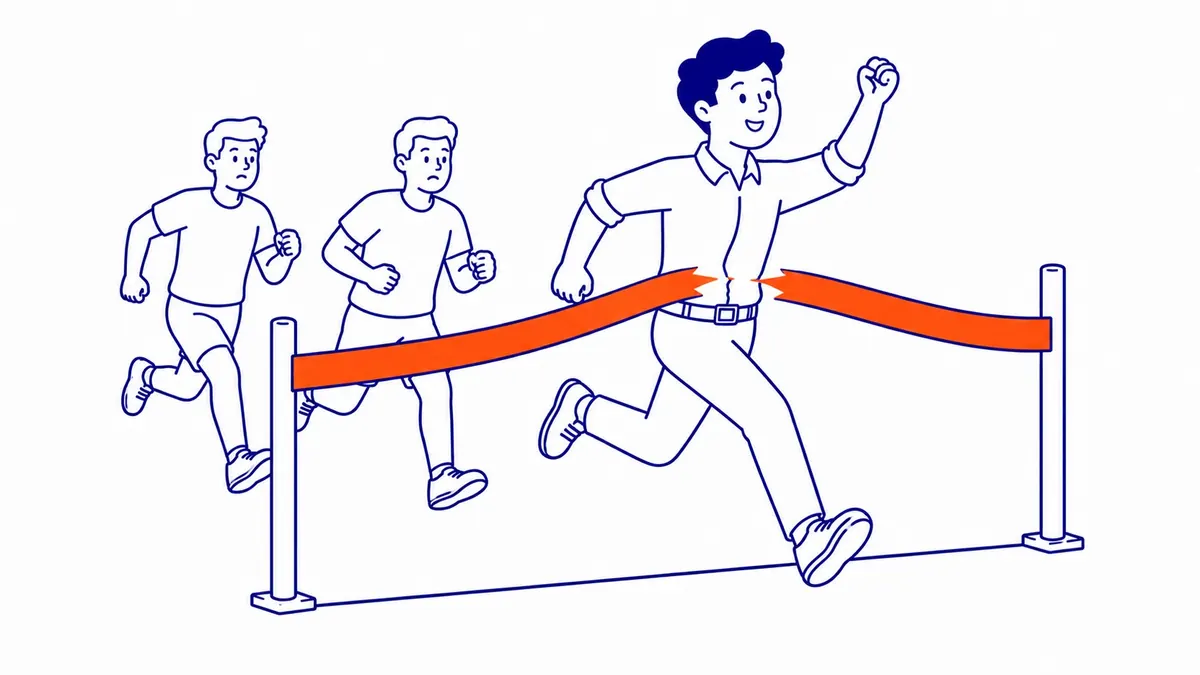
Your homepage is a hub. It introduces the business, points to everything you offer, and carries navigation to the rest of the site. That breadth is its strength and, for conversion, its weakness. A homepage gives a visitor a dozen things to do. An SEO landing page gives them one. The data backs this up plainly. WSI cited a study where pages carrying multiple competing offers dropped conversion rates by a staggering margin, and nearly half of existing landing pages were found to carry exactly that kind of competing clutter. Focus converts. Distraction leaks.
There is a ranking reason too. A homepage chases the brand name and a broad set of terms. So it rarely ranks well for any single high-intent query. One page targeting a single phrase, built around the intent behind it, has a far better shot. A Calgary client will tell me their homepage is “already optimized for everything.” I point out, gently, that a page built for everything ranks for nothing in particular.
How it differs from a blog post
Blog posts and SEO landing pages overlap, and people mix them up constantly. The cleanest way to separate them is intent. A blog post usually serves informational intent. Someone wants to learn, understand, compare. An SEO landing page usually serves commercial or transactional intent. Someone is closer to acting, and the page is built to help them act. This very article is a blog post. It teaches. A page titled “SEO services in Calgary” with a quote form is a landing page. It sells. Both can rank. They just answer different searches, and treating one like the other is where a lot of pages quietly fail.
SEO landing page vs PPC landing page
Now the comparison everyone wants. A PPC landing page and an SEO landing page look similar and behave nothing alike. Apexure laid the contrast out well, and it matches what we see in the field.
A PPC page is built for paid traffic. It minimizes everything that is not the conversion. The message matches the ad that sent the visitor, the copy stays short, often three hundred to eight hundred words, and the whole page exists to keep a promise the ad already made. Ranking is irrelevant because the traffic is bought. An SEO page is built for earned traffic. It runs longer, often fifteen hundred to three thousand words or more, because depth is part of how it ranks. Covering the topic thoroughly, it carries internal links and sometimes backlinks, and answers the related questions a searcher arrives with.
Trying to make one page do both is where the trouble starts. Stuff a PPC page with three thousand words of SEO content and your Quality Score and conversion rate suffer. Strip an SEO page down to a single short pitch and Google has nothing to rank. They are different problems, solved by different pages. The honest answer to “can one page do both” is sometimes, badly, and rarely as well as two pages built on purpose.
Why your SEO landing page is not ranking
Now the part nobody enjoys. You built a page, you waited, and it sits on page four of Google doing nothing. I get this call often. The reasons are almost always the same handful, and almost none of them are the fifty tips in the average optimization checklist.
Search intent mismatch
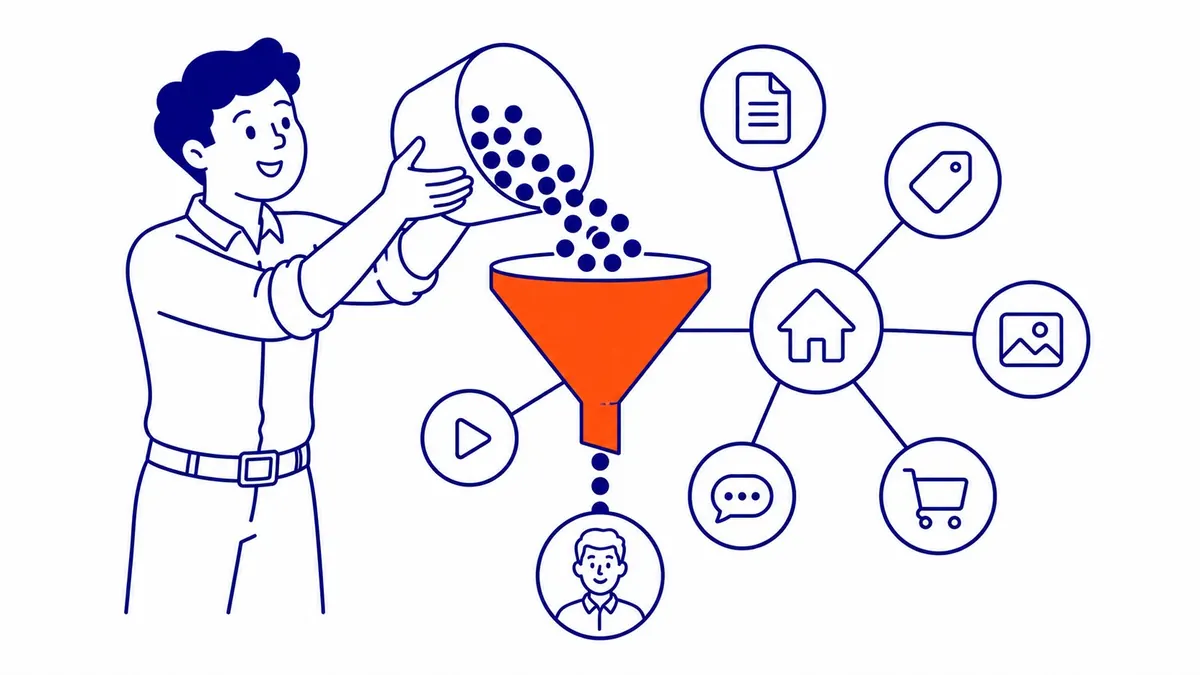
This is the silent killer. Intent mismatch is the single most common reason a page fails to rank. It is also the hardest for an owner to spot. Here is how it happens. You target a keyword that looks commercial to you, but when you actually search it, Google is showing guides and definitions, not product pages. Google has already decided what kind of page that query wants. If your page is the wrong type, no amount of on-page polish saves it. We audit a struggling one by searching its target term and reading the results Google already ranks. If they are all how-to articles and your page is a sales pitch, it is built for the wrong intent. That is a content problem, not a technical one, and it gets missed constantly.
A real example shows how sneaky it is. One client targeted “how to choose an SEO company” with a hard-sell page pitching their service. The page would not move. We searched the term and the entire first page of Google was advice articles, checklists, questions to ask. Not one sales page in sight. Google had decided that query wanted education, not a pitch. The fix was not faster loading or more backlinks. It was rewriting the page to actually teach the reader how to choose, with the soft offer at the end. Once it matched the intent Google expected, the ranking started climbing. Same keyword, same site, completely different result, all from reading the intent before building instead of after.
Keyword cannibalisation
Two of your own pages chasing the same keyword. That is cannibalisation, and it is quietly common on sites that have been adding pages for years. Say your homepage, a service page, and a new landing page all target “Calgary SEO.” Google cannot tell which one to rank. So it ranks none of them well, or swaps between them week to week. We see this constantly during a website audit. The fix is to pick one page per primary keyword, point the others at it with internal links, and stop competing against yourself. A good SEO audit maps which page owns which term before a single new page goes live.
Nobody links to it
A page with no internal links pointing at it is an orphan. Google finds it slowly. It weighs the page lightly and ranks it poorly. This is the cheapest problem to fix and the one most often ignored. You publish the landing page, then forget to link to it from anywhere else on your site. No links from the homepage, no links from related blog posts, nothing. It floats alone. Search engines read internal links as votes of importance, and a page nobody votes for looks unimportant. Marcus Miller at Search Engine Land has a good name for the related issue. Leaky landing pages. Pages that rank, pull a visitor in, then leak them right back out. A confusing layout. Or a missing call to action. Gone before they convert. Ranking is only half the battle. A page that ranks and leaks is almost as useless as one that never ranked.
There is also the boring truth of competition. If you are a new site going after a term that established domains have owned for a decade, you are not losing because of a missing alt tag. You are losing because they have authority you have not built yet. Sometimes the honest answer is a longer-tail keyword you can actually win, not the head term you wish you could. Ads can cover that head term meanwhile, and a definition of SEO SEM marketing includes both halves. Competition checks fall inside the scope of an SEO analysis, done before the page is built.
Keyword research and search intent come first
Before any of the on-page work, this. The research comes before everything else, and a page built without it is a guess. I have watched businesses spend weeks designing a beautiful page around a keyword nobody searches, or worse, a keyword their buyers never use. The research is not optional. It is the foundation the rest of the page stands on.

Finding the right keywords
Start with seed keywords. These are the obvious words for your product or service, and they come from places you already know. Your product itself. The benefits it delivers. Problems your customers describe when they call. Phrases competitors use on their own landing pages. Klimt’s guide adds a useful one, which is to mine your industry for the language buyers actually use, not the language your marketing team prefers. From those seeds you expand, and that is where the tools come in. SEMrush, Ahrefs, Google Keyword Planner, Answer The Public. Each one takes a seed and hands back the real phrases people type, with search volumes and competition attached.
Then you read Google itself. The “People Also Ask” boxes, the related searches at the bottom of the results, the autocomplete suggestions. All of it tells you what searchers around your topic actually want. This is free, it takes ten minutes, and most businesses skip it. We do not. A proper keyword research pass for a Calgary client maps the head term, the long-tail variations, and the questions buyers ask, then assigns each to a page.
Now a word on long-tail versus short-tail. Short keywords carry huge volume and brutal competition. Long-tail phrases, the longer and more specific ones, carry less volume but far better odds of ranking, and usually higher intent. “SEO” is a short-tail nightmare. “SEO landing page for a Calgary law firm” is a long-tail phrase a real page can win. New sites should chase the long tail first and earn the right to the head terms later.
Walk through how this plays out on a real page. Say a Calgary dental clinic wants more patients. “Dentist” is hopeless, owned by directories and big chains. “Dentist Calgary” is better but still a brawl. “Emergency dentist northwest Calgary” is where a focused page can actually win, because the volume is lower, the competition is thinner, and the intent is red hot. Someone typing that phrase has a problem right now and a wallet open. We would build around exactly that. Answer the urgent questions. Make the phone number impossible to miss. The long-tail specificity does the ranking work the head term never could. Volume is not the prize. Qualified visitors who convert are. A page ranking tenth for a phrase that brings ten ready buyers beats a page ranking first for a phrase that brings a thousand tire-kickers.
Reading search intent
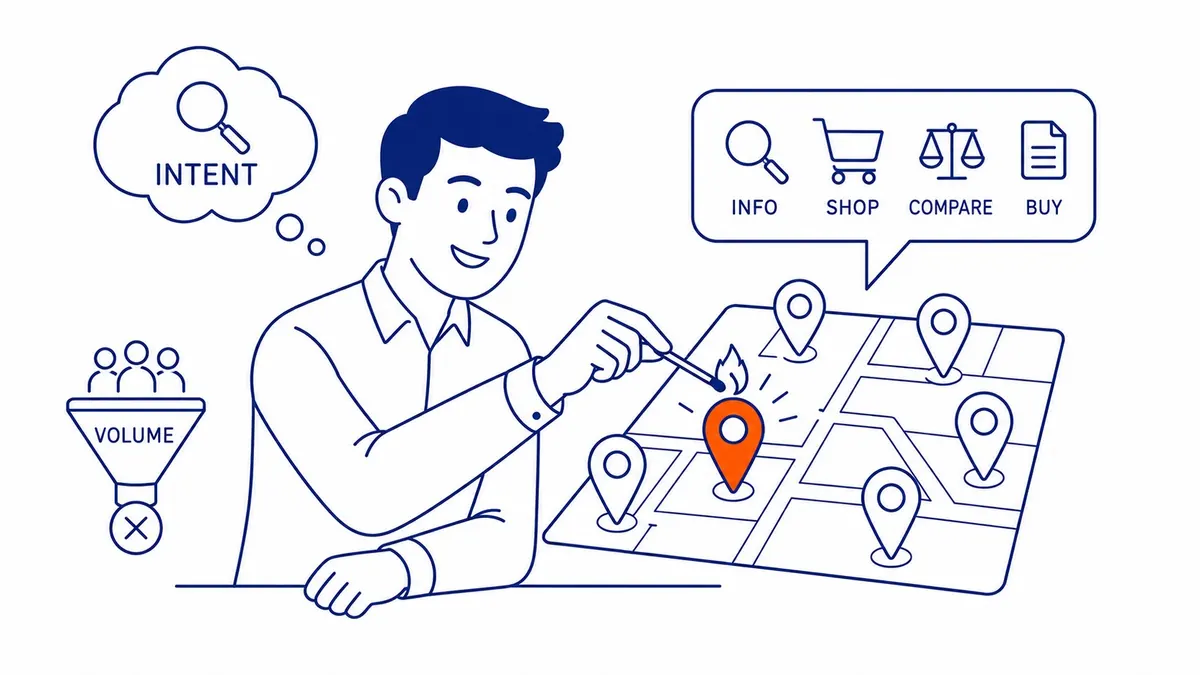
Volume is not the point. Intent is. Once you have a keyword, the job is to read what kind of answer Google wants for it. Search it. Look at what ranks. Are the results guides, product pages, comparison posts, or local listings? That tells you the page type Google expects. Build that type. An SEO landing page targeting a transactional query needs a clear offer and a path to act. The same keyword with informational intent needs a teaching page instead. Match it to the intent and half the ranking battle is already won. Ignore the intent and the prettiest page in the world stalls.
There is one rule here I hold firmly. One primary keyword per page. Pick the phrase the page is built to win, support it with related terms, and resist the urge to cram three head terms onto one page. That urge is how cannibalisation starts. Picking that one phrase gets easier with keyword intent explained up front.
On-page elements that carry an SEO landing page
Now the page itself. These are the parts Google reads directly, and getting them right is table stakes. None of them are exotic. All of them get done badly more often than you would believe.

Title tag and meta description
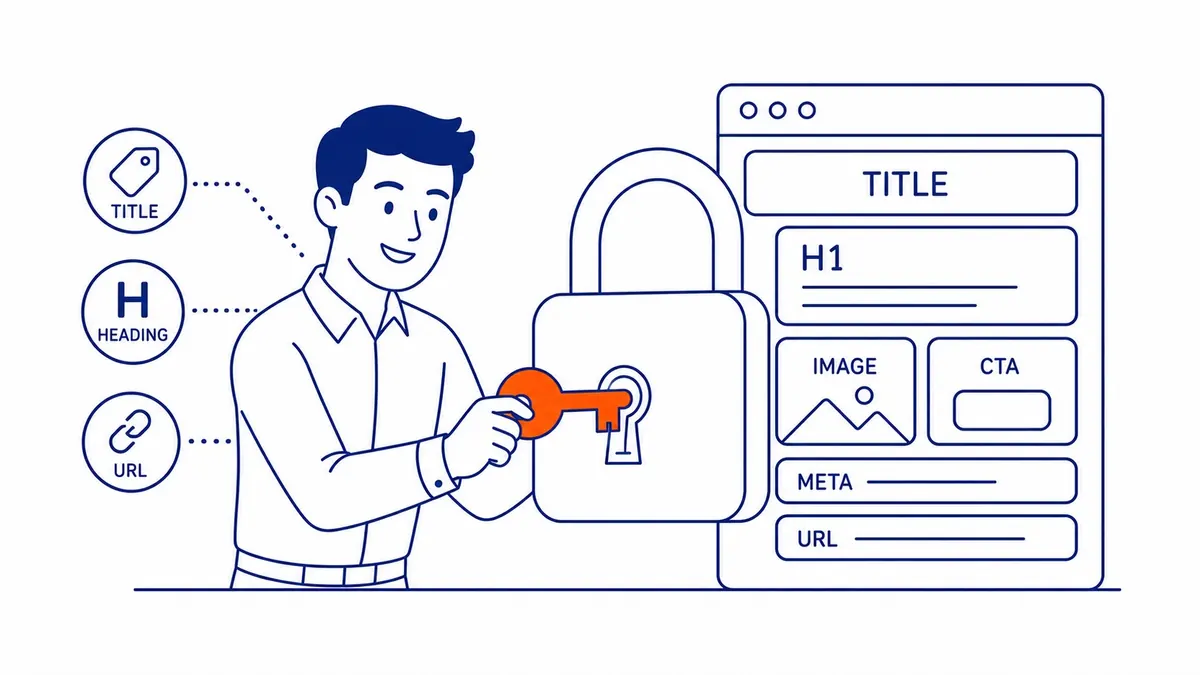
The title tag does the heavy lifting. It is the first thing a searcher sees in the results and one of the stronger on-page ranking signals you control. Lead with the primary keyword. Keep it under about sixty characters, or Google truncates it. Write it for a human, not a robot. A title that reads like keyword soup gets fewer clicks even when it ranks. Click-through feeds back into ranking. The meta description does not directly move rankings. It moves clicks. Write it like ad copy. Include the keyword, make a promise the page keeps, add a reason to click, and keep it honest. A strong description on a mid-ranked result can pull more traffic than a weak description on a higher one.
Headings and URL
Structure tells a story. One H1 per page, carrying the primary keyword and summarizing what the page is about. H2 and H3 subheadings below it, organizing the content around secondary and related terms in a logical hierarchy. Search engines read that structure to understand the page, and so do skim-reading humans, which matters more every year. The URL gets the same treatment. Short, readable, with the keyword in it. “yoursite.ca/seo-landing-page” beats “yoursite.ca/page-id-49823” every time, for both Google and the person deciding whether to click. Then image alt text. Every meaningful image gets descriptive alt text, with a keyword where it fits naturally. This helps accessibility, helps image search, and gives Google one more honest signal about the page.
Content depth
Depth is a ranking factor, within reason. The thin pages do not rank, and the bloated ones do not convert, so the job is finding the depth the topic actually needs. We set that depth with competitor analysis. Read the pages already ranking for your target term. What topics do they cover? How deep do they go? Which questions do they answer? What word count do they sit at? You are not copying them. Instead you find the gaps they leave and the questions they miss, then build a page that covers the topic more completely and more usefully than anything currently ranking. That gap-filling is most of what separates a page that ranks from a page that almost ranks. Write it for people first. Natural language, real answers, no keyword stuffing. Google has been good at spotting stuffed copy for a long time, and visitors spot it instantly.
Mix the content formats while you are at it. A wall of grey text loses people. Break it up. Subheadings. Short paragraphs. The occasional list. An image or a short video where it genuinely helps. Mixed formats hold people longer. Dwell time is one of the signals search engines quietly reward. Depth does not mean dense. Our best-ranking pages run long because the topic earned it, not because we padded. They still read easy. The structure carries the reader. A section that does not help the visitor decide or act does not belong, however many keywords it would let you slip in.
The technical layer: speed, Core Web Vitals, and mobile
Under the content sits the plumbing. This layer rarely wins a ranking on its own, but it loses plenty of them. A slow, clumsy page hands its visitors and its rankings to a faster competitor, and the owner usually never knows why.
Core Web Vitals
Speed is a feature now. Google measures page experience through Core Web Vitals, and the three numbers worth knowing are straightforward. Largest Contentful Paint measures when the main content shows up. Under two and a half seconds is the bar. Interaction to Next Paint tracks how fast the page answers a tap or a click. Two hundred milliseconds, no slower. Cumulative Layout Shift is the jumping around as things load. You want almost none of it. Google’s PageSpeed Insights grades all three for free and tells you what is dragging them down. Usually it is the same culprits. Oversized images, render-blocking scripts, bloated code. Compress the images and defer the scripts. Clean up the code. Most pages improve fast after that. This is the kind of fix a thorough website audit surfaces in an afternoon.
Mobile-first
Mobile is not a version of your page. It is the page. Google indexes the mobile version of your site first. More than half of all web traffic is mobile. So a page that works on a laptop but fights a phone fails the audience Google cares about most. Responsive design, readable text without pinching, buttons big enough for a thumb, fast load on a phone connection. Test it on an actual phone, not a shrunk browser window. The gap between those two is where mobile problems hide.
Schema markup
Schema is the quiet helper. Structured data does not lift rankings directly. It does help search engines read the page, and it can earn rich results that pull more clicks. FAQ schema, product schema, review schema, organization schema. Adding the right type gives Google cleaner signals about what the page is and what it offers. On a local business page, organization and local business schema help the search engine connect it to a real company in a real city. It is a small effort with a real payoff, and most sites skip it entirely.
Links that point in, links that point out
Pages do not rank in isolation. They carry authority and context between pages. An SEO landing page that ignores them leaves ranking power on the table. Two kinds matter here, and they do different work.
Internal links
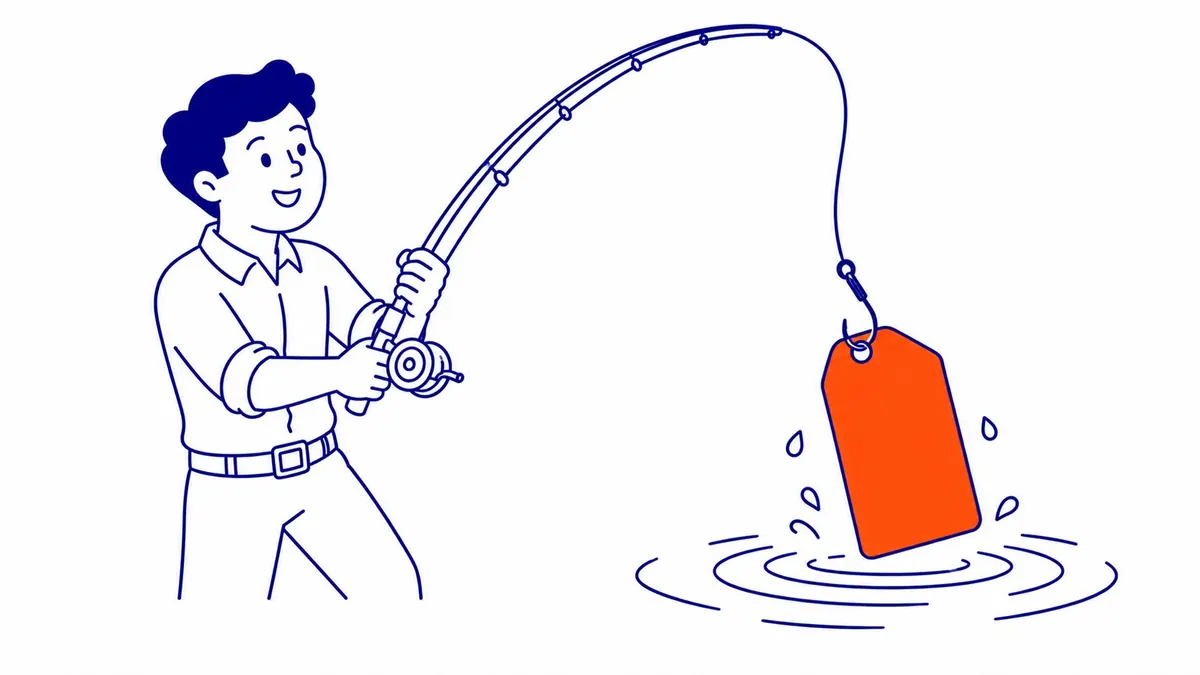
The cheapest ranking lever you own. Other pages on your site point at the landing page and tell Google it matters. Link to it from the homepage where it fits. From related blog posts. Other service pages too. Always with anchor text that describes the destination, not “click here.” Every relevant internal link is both a path for Google’s crawler and a vote of importance. This is the lever I reach for first on an orphaned page, because it costs nothing and works fast. It also keeps visitors moving deeper into the site instead of leaving, which feeds the engagement signals search engines watch. Done well across a whole site, internal linking is one of the highest-return jobs in all of search engine optimization, and one of the most neglected.
Backlinks
Links from other sites carry the most weight. A backlink from a relevant, credible site is an external vote. Those votes move rankings more than almost anything on the page itself. They are also the hardest to earn honestly. The white-hat way is to build something worth linking to. Then reach out to the partners, suppliers, and local organizations who have a real reason to point at it. Original data, a genuinely useful guide, a tool, a local resource. No buying links, no schemes. We have watched too many Calgary sites get burned by cheap link packages that worked for a month and then dragged the whole domain down. Slow, earned links hold. Bought links eventually cost you. Link out too, to credible sources where it helps the reader, and the page reads as part of the real web rather than an island.
Converting without breaking your SEO landing page
Ranking is half. Conversion is the other half, and this is where the two jobs of an SEO landing page rub against each other. You added depth to rank. Now you have to make sure that depth does not bury the action you actually want.

Where the CTA goes
Lead with the ask, then earn it. Primary call to action goes above the fold, visible before anyone scrolls. The visitor who already wants it should not have to hunt for it. Then you repeat it. Once more in the middle, once at the bottom, so the visitor who needed the full page to decide has the action waiting when they are ready. One offer, repeated, not five offers competing. Remember the WSI data. Competing offers gut conversion. A single clear path, restated as the visitor moves down the page, is what converts. Search Engine Land’s wireframe is a good skeleton here. Header with the headline and CTA. A problem section that names what the visitor is struggling with. Then the solution section that shows how you fix it. Trust signals next. A simple plan. One final call to action. Problem, solution, proof, action. That order works because it mirrors how a person actually decides.
Trust and E-E-A-T
People buy from pages they believe. Those signals do the believing. Google reads them too, through what it calls E-E-A-T. Experience, expertise, authoritativeness, trustworthiness. On a landing page that means real proof. Testimonials from named clients, case studies with actual numbers, certifications, years in business, a portfolio someone can check. To-The-TOP! leans on this directly. Nineteen years in business, since 2007. A public portfolio of ranked keywords. Verified client references. One specialist who does the work, never a junior. Those are not slogans. Both a visitor and a search engine weigh that kind of proof before they trust the page. Stack them honestly, ground each one in something checkable, and do not pile them into a wall of badges that reads as noise. One real case study beats ten trust badges.
Testing without wrecking your rankings
A/B testing is where conversion work and SEO collide. You want to test a new headline, a different layout, a stronger button, because small changes move conversion rates more than people expect. The worry is that testing will hurt the ranking you fought to earn. It can, if you do it carelessly. The careless way uses permanent redirects and separate URLs that split your ranking signals across two pages. A careful approach keeps the test on the same URL the search engine already trusts. Or it uses temporary 302 redirects instead of permanent 301s. That way Google reads the variant as a test, not a move. Instapage makes this point well, and it matches what we tell clients. Test the conversion elements all you want. Keep the foundations steady underneath the test. The URL does not move. Core content does not move. Internal links stay put. Change one thing, measure, keep the winner, move on. The page that converts better while holding its ranking is the page that earns its build twice over. Just never let a testing tool quietly spin up duplicate URLs that compete with the original, because that is how a well-meaning test tanks a ranking nobody meant to touch.
Local SEO landing pages and the doorway-page trap
Now the part the SaaS guides never touch. For a Calgary business, local SEO landing pages are their own animal, and usually the highest-value pages on the whole site. They are also where the most dangerous mistake hides, so this section earns its length.
Service-area pages done right
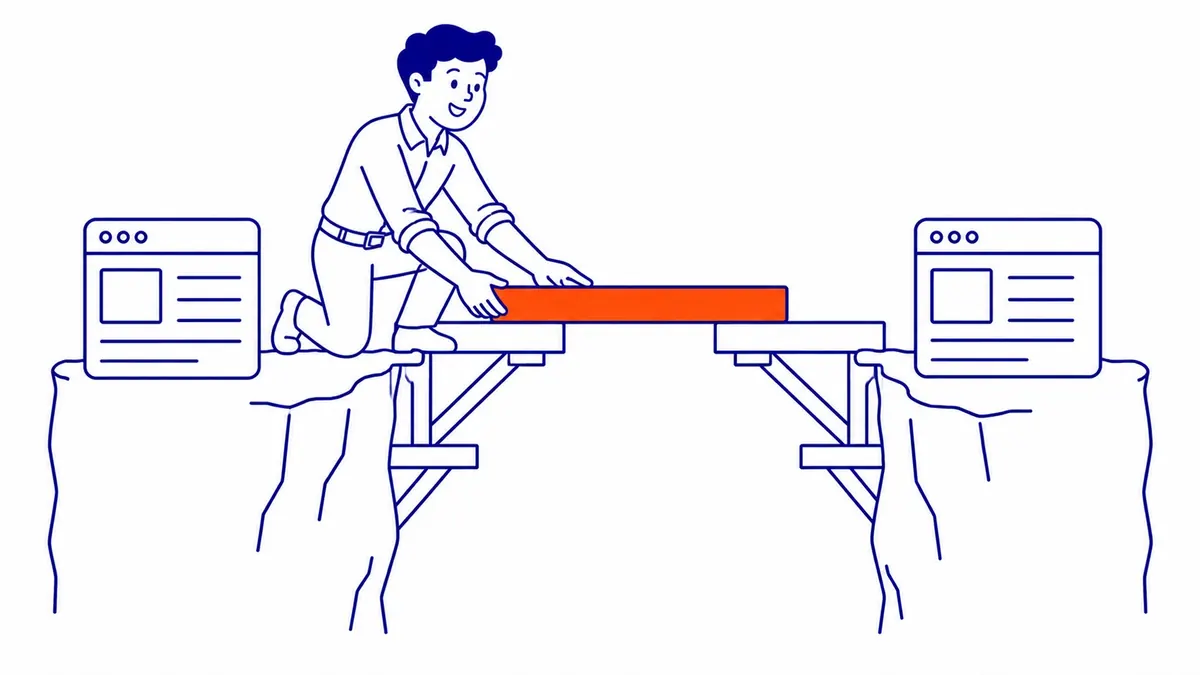
Local intent is specific. Someone searching “SEO services in Calgary” or “web design in Airdrie” is close to hiring. A focused service-area page built for that exact query wins business a generic page never touches. These pages carry the usual on-page work, plus a few local signals that matter enormously. Your name, address, and phone number, identical everywhere they appear. A complete Google Business Profile, consistent with the page. Local content that proves you actually serve the area rather than just naming it. A real Calgary SEO page mentions actual neighbourhoods and local context. It reads like it was written by someone who works here. Because it was. We back these pages with the same SEO services we sell. They consistently outperform broad landing pages on local queries. Matching local intent exactly is something a one-size page never manages.
Name. Address. Phone number. All three need to read identically. Your Google Business Profile, your website, every directory that lists you. A mismatch, even a suite number formatted two ways, weakens the local ranking signal and confuses both Google and the customer trying to call you.
Reviews feed this too. Keep the Google Business Profile complete, with steady recent reviews. It ranks better in the local pack. And it hands a service-area page a credibility boost the copy alone cannot buy. Proximity matters too. Google weighs where the searcher is against where you are. That is exactly why one page aimed at every city never beats a page built for a single area. The local signals and the on-page work reinforce each other. Strong page, weak profile: underperforms. Flip it, a strong profile and a thin page: underperforms too. Businesses that win local search tend both together instead of betting everything on one.
The doorway-page line
Here is the trap. Scaling local pages is smart right up until it becomes a doorway-page penalty, and the line is thinner than people think. The temptation is obvious. Say a Calgary page ranks. Spin up forty near-identical pages for forty nearby towns, swap the city name, rank everywhere. Google calls these doorway pages, and it filters or penalizes them. Instapage flagged this directly, and we have cleaned up the aftermath for clients who did it before they knew better. The difference between a legitimate service-area page and a doorway page is genuine, page-specific value. A real Airdrie page has Airdrie content, real local context, a reason to exist beyond the city swap. The doorway version is the same template with one word changed forty times. We build city landing pages slowly, each one with its own content, its own local detail, its own reason to rank. It is more work. And it is the only version that survives a Google update. If a vendor offers to build you fifty city pages this week, that is the doorway trap wearing a sales pitch, and the cleanup costs more than doing it right the first time.
What to do after your SEO landing page goes live
Publishing is the start, not the finish. Most people hit publish and wait, as if ranking were a kettle that boils on its own. It is not. The work after launch is what turns a page that exists into a page that ranks.

Promote it like you mean it. The day a landing page goes live, link to it from the rest of your site. From the homepage. Related blog posts. Any service page that connects. Share it where your audience already is. Social channels. The newsletter list. Early visits and engagement tell Google the page is worth a look. Those first links and first visitors do real work in the weeks before organic ranking kicks in. A page launched in silence climbs slower than a page launched with a push behind it.
Then leave it alone in the right way. Unbounce makes a point I repeat constantly. Keep the page live even after the promotion that prompted it ends. Businesses build a landing page for a seasonal campaign and run it for a month. Then they delete it. Gone with it is every bit of ranking authority the page was starting to earn. If a page has begun to rank, it is an asset, not a disposable flyer. Keep it up, refresh the content when the offer changes, and let it keep working. Must you genuinely retire a page? Redirect it to the closest relevant page. Its authority then flows somewhere useful instead of dying at a 404.
The pattern that wins is simple and unglamorous. Build it, promote it hard at launch, then maintain it patiently. Update it when something changes. Add internal links as you publish new content. Watch the data. Give it the months it needs. The businesses that treat a landing page as a living asset outrank the ones that treat it as a one-time project, every time. Add a second country and the maintenance list grows into what counts as international SEO.
Measuring whether your SEO landing page worked
A page you do not measure is a guess you never checked. Measurement closes the loop, and the metrics that matter are not the ones that feel good. They are the ones tied to your business.
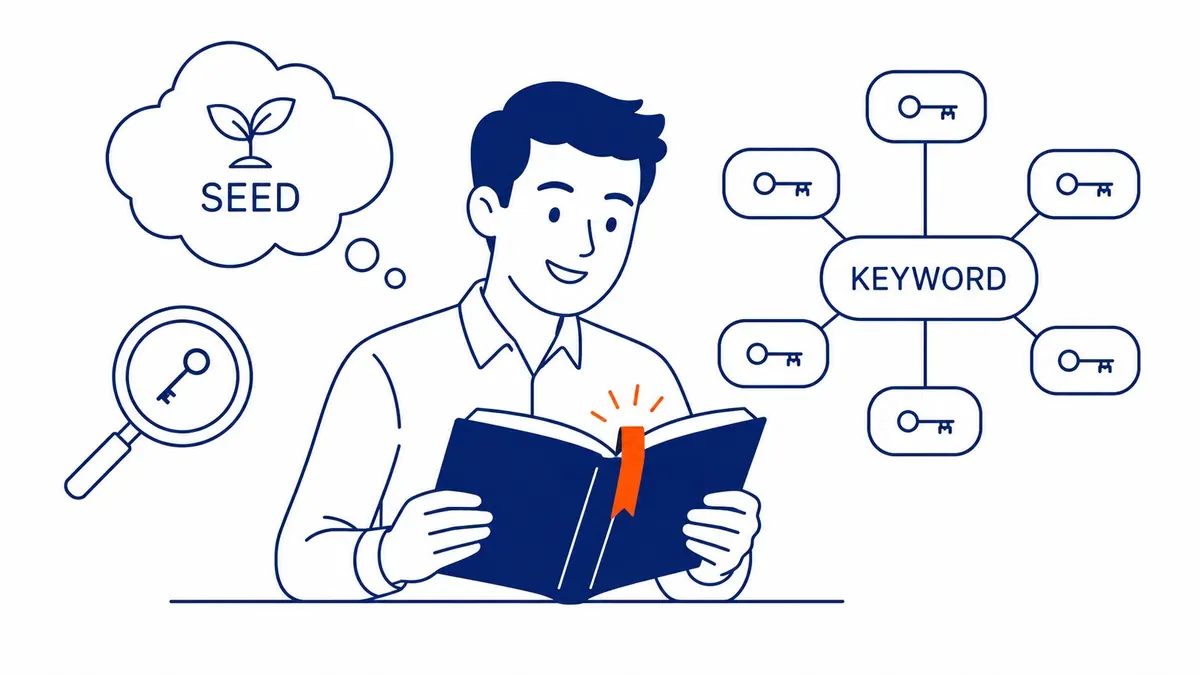
Track the boring numbers first. Where the page ranks for its target keyword. How much organic traffic it pulls. What that traffic does once it arrives. Google Search Console shows you the ranking and click side for free. Which queries the page appears for, which ones earn clicks, where you sit in the results. Google Analytics, or GA4, shows you the behaviour side. How long visitors stay, whether they convert, where they leave. Watch them together and it tells you its own story.
Then watch the number that actually pays. Conversions. Rankings and traffic are means, not ends. A page ranking number one that converts nobody is a vanity metric in a nice costume. The questions worth asking are simple. How many leads did this page generate? Calls booked, forms filled, sales closed, and the cost of each one? That is the measurement that tells you whether the page earned its build. We report this monthly to clients, tying ranking shifts to traffic changes to actual conversions, because a ranking report with no business outcome attached is just a chart.
Set a baseline before anything changes. Note where it ranks today, and what it pulls and converts before you touch a thing. Without that first snapshot, every later report is just numbers floating free, with nothing to measure them against. We grab it in week one, then track the same short list of figures month over month. A ranking that creeps from the third screen to the foot of the first looks like nothing on its own. Read against the baseline, it is the first real sign the work is landing. Most owners want one magic number. The honest version is a small dashboard of four or five, read together, every month, against where you started. Start there, and the monthly conversation has something honest to stand on.
Here is what the loop looks like in practice. A landing page climbs to the top of page one for its target keyword over a few months. Search Console shows impressions and clicks rising. Analytics shows the visitors arriving and a healthy share filling out the form. The owner counts the leads against what the build cost, sees it is now generating business every month at no per-click cost, and the maths makes itself. That is the moment SEO stops reading like an expense. It starts reading like an investment, because the page keeps paying long after the work that built it is done. Bounce rate and time-on-page tell you whether the page holds people once they land. If they bounce fast, the content or the match is off. Back on the bench for another pass. Measurement is not a report card you file away. It is the steering wheel.
One honest note on timing. Three to six months before meaningful movement. That is the real timeline for an SEO landing page in a competitive market, longer if the term is brutal, shorter if you found a gap. Anyone promising rankings in two weeks is selling something. SEO compounds. What you build today earns more six months from now than it does next week, and that patience is most of what separates the businesses that win at search from the ones that quit at month two.
When not to build a separate landing page
Most guides will not tell you this. Sometimes the right answer is to not build the page at all. I lose a little work saying it, and I say it anyway, because building a page that should not exist costs the client more than the page is worth.
Skip the separate page when your homepage already ranks and converts for the term. If you are a single-service business and your homepage owns your main keyword, splitting that intent across a second page can trigger the cannibalisation we talked about and weaken both. Skip it when you cannot maintain it. A landing page is not a finished object, it needs updates, link support, and the occasional content refresh, and a page nobody tends slowly rots down the rankings. One well-kept page beats five neglected ones. And skip it when the intent is already served. If a strong blog post or an existing service page answers the query well, a new page just competes with your own ranking content. The honest move is sometimes to improve the page you have rather than add one more for Google to choose between. Fewer, stronger pages almost always beat more, weaker ones. The instinct to publish more is rarely the instinct that ranks.
So before you build, ask what the new page does that nothing on your site already does. If the answer is real, build it well. When the answer is fuzzy, you may be making work for yourself and a harder choice for Google.
I tell clients to run a quick test before committing. Search the keyword and see what your own site already ranks for it. If something is sitting on page two for the term, improving that page is usually faster and safer than launching a fresh one that has to start from zero and may cannibalise the page already in the running. New pages make sense for genuinely new intent, a service you have never had a page for, a query nothing on your site addresses. They make less sense as a reflex. The reflex to publish more is rarely the move that ranks, and a site of forty thin landing pages loses to a site of eight strong ones almost every time we see the matchup.
SEO landing page questions we hear most
The questions below come up on nearly every call. Short, honest answers follow each one, the same answers we give Calgary clients before any work starts. One of them is always inbound marketing versus SEO, and where the two stop overlapping. Platform questions come up often too, especially SEO on Squarespace and what it limits.
What are SEO landing pages?
Pages built to rank in organic search and convert the visitor who arrives. The difference from a regular landing page is the ranking job. A regular landing page can rely on paid or referral traffic, so it stays short and conversion-focused. An SEO landing page has to earn its own traffic from Google. That means real keyword targeting. Content with genuine depth. On-page work a thin page skips. One page, one primary keyword, built to be found and built to sell.
Is SEO dead or evolving in 2026?
Evolving, not dead. Search behaviour is shifting toward AI-assisted answers and AI Overviews. Those systems still pull from pages that rank, get cited, and carry authority. The page-level work has not changed as much as the headlines suggest. Strong content. Clear structure. Real expertise. Clean technical foundations. In an AI-driven results page they matter more, not less. The engine has to decide which sources to trust. SEO is not disappearing. The surface it shows up on is changing, and the fundamentals underneath it are holding.
Can I do SEO by myself?
Yes, to a point. The basics are learnable. A motivated owner can run keyword research. Write decent on-page content. Fix the obvious technical issues. What usually stops a do-it-yourself effort is time and judgement. SEO rewards consistent work over months. And it takes experience to read why a page is stalling, rather than guessing. Plenty of small businesses start it themselves and bring in help once the easy wins are gone and the competitive terms will not move. No shame in either path. The honest answer depends on two things: how much time you have, and how competitive your market is.
What is the 80/20 rule of SEO?
The idea that a small share of the work drives most of the results. In practice that twenty percent is usually four things. Keyword research that matches real intent. Content that genuinely answers the query. Internal links pointing at the pages that matter. A technically sound, fast, mobile-friendly site. The other eighty percent, the endless small tweaks? Matters far less than getting those few things right. Spend your energy on the twenty percent that moves rankings before you touch the rest. Most struggling sites we audit have the ratio backwards, polishing tiny details while the foundation sits unbuilt.
Building one worth ranking
An SEO landing page is not a magic trick. It is a page with a clear job. Built around a real search. Optimized honestly. Given the internal links and the patience it needs to climb. The businesses that win at this are not the ones with the most pages or the cleverest tricks. They picked the right keyword. Matched the intent. Built something genuinely useful. Then stuck with it past the three-month mark, when nothing seems to be happening yet.
That is the work. If you want a second set of eyes on a page that is stalling, or you want it built right the first time, that is what To-The-TOP! has done for Calgary businesses since 2007. You can see the ranked keywords in our SEO portfolio, and the honest conversation about your specific page is free. Worth having before you build anything.
Contact Calgary SEO Company To-The-TOP!
Questions about anything in this article, or about your own rankings? Talk to a Calgary SEO specialist directly.
Phone: (403) 308-5949
Address: 1509 14 Ave SW, Calgary, AB T3C 0W4
Hours:
Monday to Friday: 10:00 am – 7:00 pm
Saturday: 12:00 pm – 4:00 pm
Sunday: closed