
What Does an SEO Agency Do to Boost Search Visibility?
Rankings do not move because someone submitted a sitemap and waited. Fix what’s broken. Build content around real queries. Earn trust signals. Track what actually changed. That sequence is how an SEO agency earns search visibility.
Skip any one of those steps and the whole sequence stalls. A perfectly optimized page still sits on page four if the site underneath it loads slowly or blocks crawlers by mistake.
How to Improve Internal Linking in Ecommerce for SEO
To improve internal linking in ecommerce for SEO, start with the links your store’s templates already print on every page, because they outnumber anything you could add by hand. Make sure every product can be reached through crawlable links from menus and category pages, point more of those links at the categories and best sellers that earn the most, and keep filters and sort orders from flooding the site with near-duplicate URLs. Then add the links no template can make: guides and product pages that connect items from different categories because customers need them together.
What to Look for in a SaaS SEO Agency
When you choose a SaaS SEO agency, look for four things: proof of work on software sites that you can check for yourself, the technical skill to get a JavaScript site crawled and rendered properly, a content plan built around how software is actually bought (comparison, integration and documentation pages, not only blog posts), and reporting that reaches trial signups and pipeline rather than stopping at rankings. Then test every claim the same way, using the questions Google itself suggests asking an SEO, and, as Google advises for an audit, grant only read access to Search Console until you have decided to hire it.
What Is Law Firm SEO? A Practical Breakdown for Legal Practices
Law firm SEO is search engine optimization for a legal practice: the work that helps a firm’s website and Google Business Profile appear when someone in its area searches for the kind of lawyer it is, such as “family lawyer Calgary” or “how does probate work in Alberta”. It covers practice-area pages built around how people search, the local listings that drive the map results, content that answers the questions clients ask before they call, and the technical health of the site. It works on the same principles as SEO for any business, but legal searches carry higher stakes, closer comparison between firms, and professional rules about what a lawyer may say in marketing, and those three things change how the work is done.
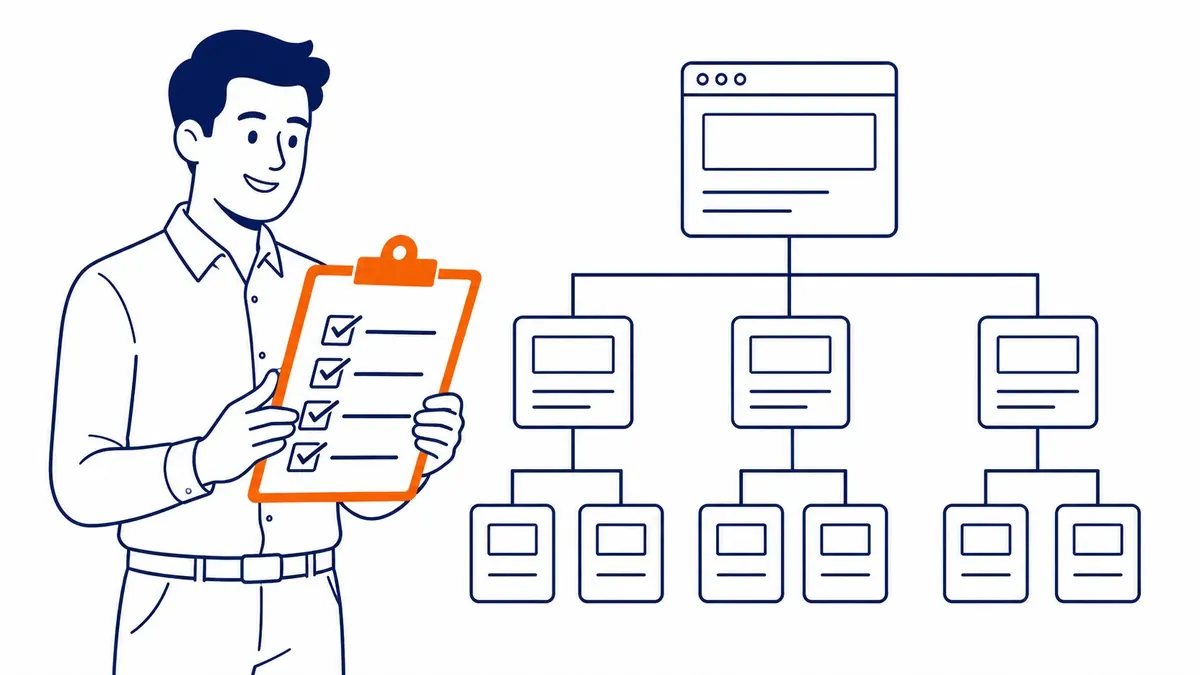
What law firm SEO covers
Most of the work falls into five parts, and a firm rarely needs all of them at the same intensity. A sole practitioner in one Calgary office depends heavily on the local parts, while a firm with several practice groups across Alberta and British Columbia needs far more content and site structure. The table below sets out what each part involves and the mistake that most often undermines it.
Which Blog Platform Is Best for SEO?
None of them, and that is not a dodge.
Every blog platform on your shortlist ships the same defect. No comparison article scores it. Scoring it would end the comparison.
A/B Testing in SEO and How to Prove a Change Actually Improves Rankings
Most SEO changes get made on gut feel. Change a title tag. Wait a month. Guess whether it helped. A/B testing in SEO replaces the guess with actual evidence.
Split traffic between two page versions. Measure which one performs better. Same logic as A/B testing for conversion rate, applied to organic search instead.
Who’s the Best in Ecommerce SEO?
You wanted names. Nobody here is going to hand you a ranked list. Only the usual reason is not the reason.
The usual reason is that lists go out of date. True enough. Still, something stranger sits underneath this question. It has nothing to do with how fast an agency roster changes. Rather it has to do with where the material comes from.
How Ad Rank Works in Google Ads
Ad Rank is the set of values Google Ads calculates in every auction to decide whether your ad can show at all and, if it can, where it sits on the page relative to other advertisers. Google bases Ad Rank on six factors: your bid, the quality of your ad and landing page, the Ad Rank thresholds, how competitive the auction is, the context of the search, and the expected impact of your assets. It is not your bid multiplied by your Quality Score, even though that formula is still repeated in many guides to Google AdWords ranking. This article explains each factor, how thresholds work, how Ad Rank sets the price you pay per click, and how to read it in your account.
What Is a Good CPC for Google Ads?
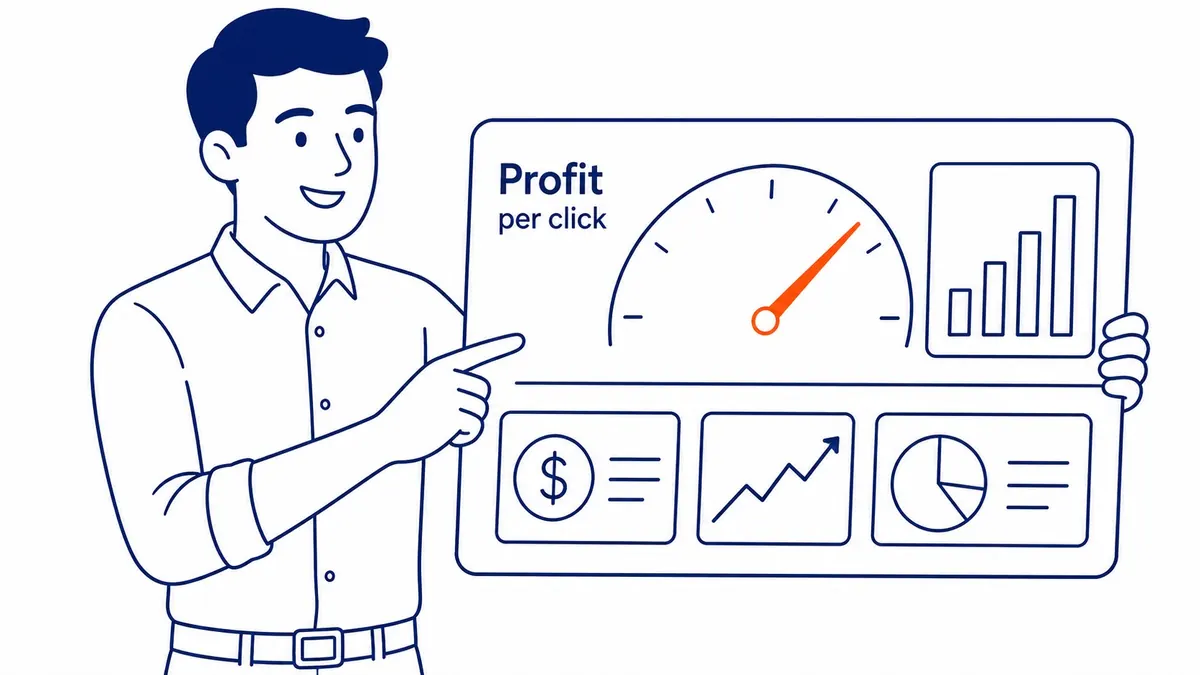
LocaliQ’s 2026 search advertising benchmarks put the average cost per click at $5.42 across all industries, with industry averages running from $1.63 for arts and entertainment to $9.87 for attorneys and legal services. Those figures come from LocaliQ’s own customers’ search campaigns on Google Ads and Microsoft Ads combined, and the page does not say which currency they are in or which countries the campaigns ran in, so they are a rough reference point rather than a Canadian price list. A good CPC for your own account is any CPC that sits comfortably below your break-even CPC. For a lead-generation campaign, that is your gross profit per sale multiplied by the share of clicks that become leads and by the share of leads that become paying customers. A CPC above the industry average can still be a good one, and a CPC below it can still lose money.
This guide comes from SEO Company To-The-TOP!, a Calgary practice that has worked in search since 2007 and holds Google Ads certification. It covers the 2026 benchmarks and what they can and cannot tell you, why your own market can differ from them, how to calculate the CPC your business can afford, and what changes when Google sets your bids for you. Where a statement comes from Google or a published report, the article names it, and where a number is an example, it is labelled as one.
How to Access Premium SEO Tools at a Lower Cost
The legitimate way to access premium SEO tools at a lower cost is to work through the lower-cost options in order: use the free version first, take a free trial only when you have a specific job ready, buy a single month when you need more, and switch to annual billing only once the tool has proved it earns its keep. As of October 2026, the main plans for Ahrefs, Semrush, Moz and SE Ranking list at $99 to $139 a month, with lighter plans from Ahrefs at $29 and Moz at $49 that come with tighter limits. Annual billing saves up to 17 to 20 percent, and both Ahrefs and Semrush offer free versions that cover a useful amount for a business researching its own site. Shared “group buy” logins look like a shortcut, but they break the vendors’ terms and can be shut off without notice.