
How Long Should a Blog Post Be for SEO?
That question comes up on almost every discovery call. Not “what should I write?” The question is always about length. People want a number. The straight answer is a range, and what sits inside that range depends on the topic and what is already ranking for it.
Most blog posts targeting organic search should land between 1,500 and 2,500 words. Not because Google counts words. It simply does not. That range reflects what it typically takes to cover a competitive informational topic thoroughly enough to satisfy the reader who searched for it.
How to Choose a PPC Agency: Questions to Ask and Red Flags
To choose a PPC agency, work through six checks before you sign: decide what a lead or sale is worth to you, find out who will run the account day to day, make sure the Google Ads account stays in your name with Admin access, understand how the fee is calculated, verify any Google Partner badge, and ask how tracking and reporting will work. An agency that answers all six plainly is worth a closer look, and one that dodges any of them usually becomes expensive later. This guide explains each check, the rights Google’s own policy already gives you, and the questions to take into the first call.
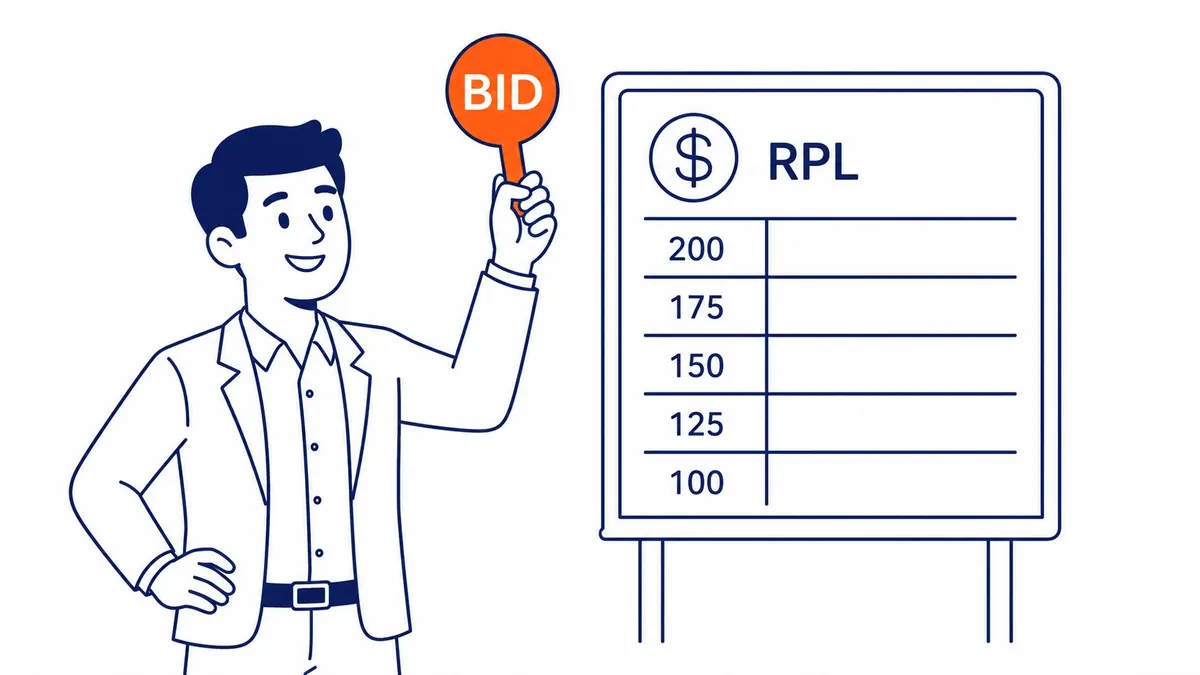
Decide what you are buying before the first call
Most mismatches between a business and its agency come from a goal that was never written down. Before you talk to anyone, decide what a good result looks like in a number you can check, such as a cost per lead, a number of booked calls each week, or a return on ad spend for an online store. Then decide what you can spend on the ads themselves, which is paid to Google and is separate from whatever the agency charges to manage them.
When SEO Finally Updates, Nothing Actually Happened That Day
The Wait Nobody Describes Accurately
You rewrote the title tags in March. Two service pages got fixed the same week. Then the checking started.
Nothing moved. Three weeks of nothing at all. Then one Tuesday the rank tracker showed position nine. Everybody decided Google had finally gotten around to the site.
Which Pages Should I Prioritize for SEO? Prioritize the Change, Not the Page
Open the SEO spreadsheet. Every URL on the site sits in its own row. Beside each one, a number that decides what happens next.
Here is the answer everybody gives. Prioritize the pages that make money. Then the ones already sitting near the bottom of page one. Finally, anything collecting impressions without clicks.
What Questions to Ask an SEO Company Before You Hire
Price comes first. Guarantees come second. Both have a place, but neither one tells you whether the firm can actually do the work. The useful questions are harder to remember in the sales meeting.
Process and ownership. Those are the areas worth pushing on. Especially what happens when things go sideways. Here is what to cover before signing anything.
Does a CDN Affect SEO?
Yes. A little, and never directly. Content delivery networks make pages arrive quicker. Quicker pages tend to do better in search. So the effect is real. It is also small. That is the standard answer, and nothing here disputes it.
The mechanics get covered properly elsewhere on this site. What caches at the edge and what refuses to. Where the origin server still has to sit. So none of that gets repeated. What almost nobody asks is a simpler thing. How much can a CDN actually give back? There is a number. It was settled before you paid anybody.
What Are Callout Extensions in Google Ads?
Clients ask this every few months. Not the definition. The point of them.
Most advertisers running Google Ads already know the main ad pieces. Headline. Description. A destination link. But below that main ad copy, Google uses extra space. Callout extensions live there.
What Is Franchise SEO? A Plain Guide for Franchisors and Franchisees
Franchise SEO is search engine optimization for a business that operates under one brand at many locations, so that each location shows up when people nearby search for what it sells, while the brand’s website and reputation are managed as a whole. It covers the shared website, a page for every location, a Google Business Profile for every location, consistent business details across the web, reviews, local links and reporting by location. The hard part is rarely the techniques, which are the same as ordinary local SEO, but deciding who owns and pays for each piece when a franchisor and its franchisees all have a stake in the result.
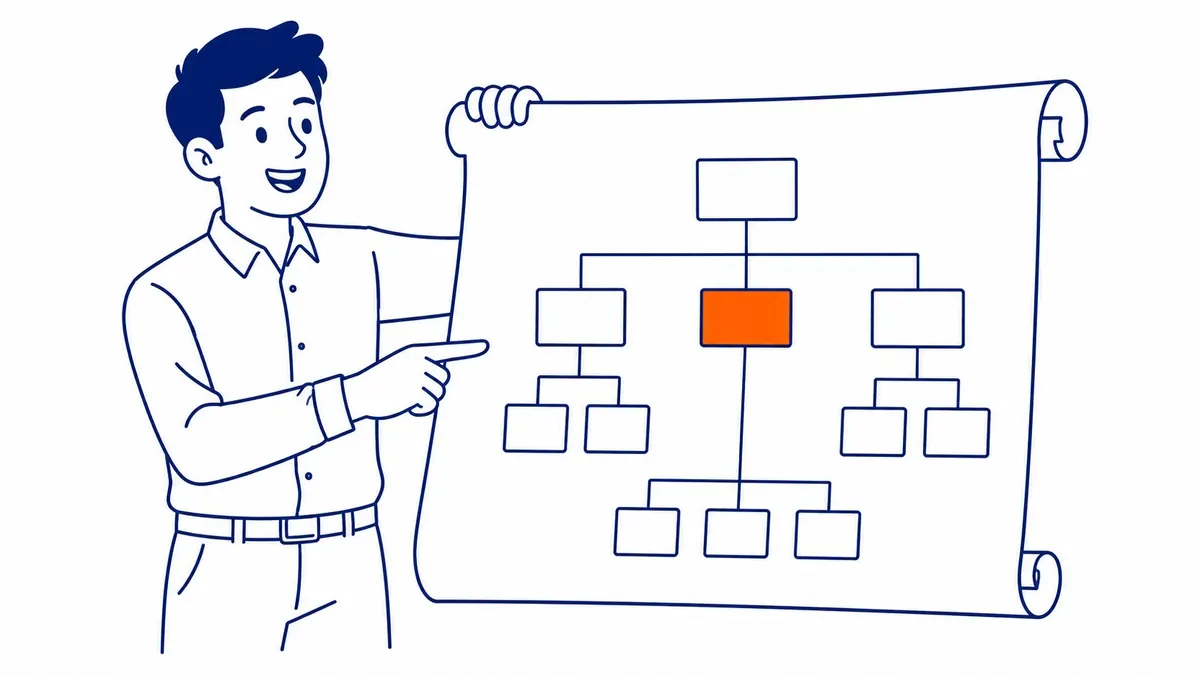
The term is used in a second sense as well. Some people say franchise SEO when they mean marketing the franchise opportunity itself, which is search work aimed at recruiting new franchisees through pages about investment, territories and the application process. That is a different audience with different keywords, and it usually sits in its own section of the brand’s site. This guide is about the first meaning, which is getting customers to the right location, though a brand that is still growing will need both.
What Technology Platform Can Help With Improving SEO for LLMs?
Plenty of platforms get sold for this exact job. Citation monitors. AI visibility trackers. Software that watches whether ChatGPT names your brand. So the easy answer is a logo, and this page could hand you one. It will not. Improving SEO for LLMs means changing what a model says about you. No platform on that list can do that. They watch. None of them writes.
Start with what every tool you already pay for actually touches. Then it gets clear why the question has no product for an answer.
How to Use H1 H2 H3 Tags for SEO Without Making a Mess of the Hierarchy
How a page is organized gets communicated to Google and readers through heading tags. Get the hierarchy wrong, and both audiences struggle to follow the structure.
One H1, multiple subheadings underneath, H3s nested inside relevant sections. The whole system, in theory. Most sites still get it wrong in practice.