
When SEO Started and How It Evolved Into What It Is Today
SEO started around 1997, roughly. Right after search engines got commercially useful enough to matter. Webmasters noticed something simple back then. Rank higher, get more visitors. The practice of deliberately shaping a page to rank better followed almost immediately.
No single founding moment exists. A gradual response, more than anything, to how early search engines actually worked.
What Is Cache in SEO? The Copy Somebody Else Is Holding
Two people can answer that question correctly and still disagree completely. One of them means the copy your server keeps so pages load fast. The other means the copy Google kept so you could see what it crawled. Same word. Unrelated machinery underneath.
Cache in SEO is any stored copy of your page that gets handed out instead of a fresh one. Who holds that copy decides whether it helps you or quietly works against you.
What to Include on a Contact Page for Website SEO
Most advice about a contact page hands over a list. Phone number, address, a form, some schema markup. The list is roughly right.
Yet nothing in it explains where the list came from. So nobody can tell which items are doing work and which are filler somebody copied from another article.
Can I Use Competitor Brand Keywords in Google Ads?
Yes, you can use competitor brand keywords in Google Ads. Google’s Trademarks policy states plainly that it will not restrict “using trademarks as keywords”, so bidding on competitor names as keywords is allowed and your ad can show when someone searches for it. The limit sits in the ad itself: if the trademark owner complains, Google can restrict a direct competitor from using that trademark in the ad text. Whether bidding on a rival’s name is worth the money is a separate question, and the answer depends on what a click on a rival’s name earns you, and when it is worth testing, it belongs in a small, separately budgeted campaign.
What Google allows and what it restricts
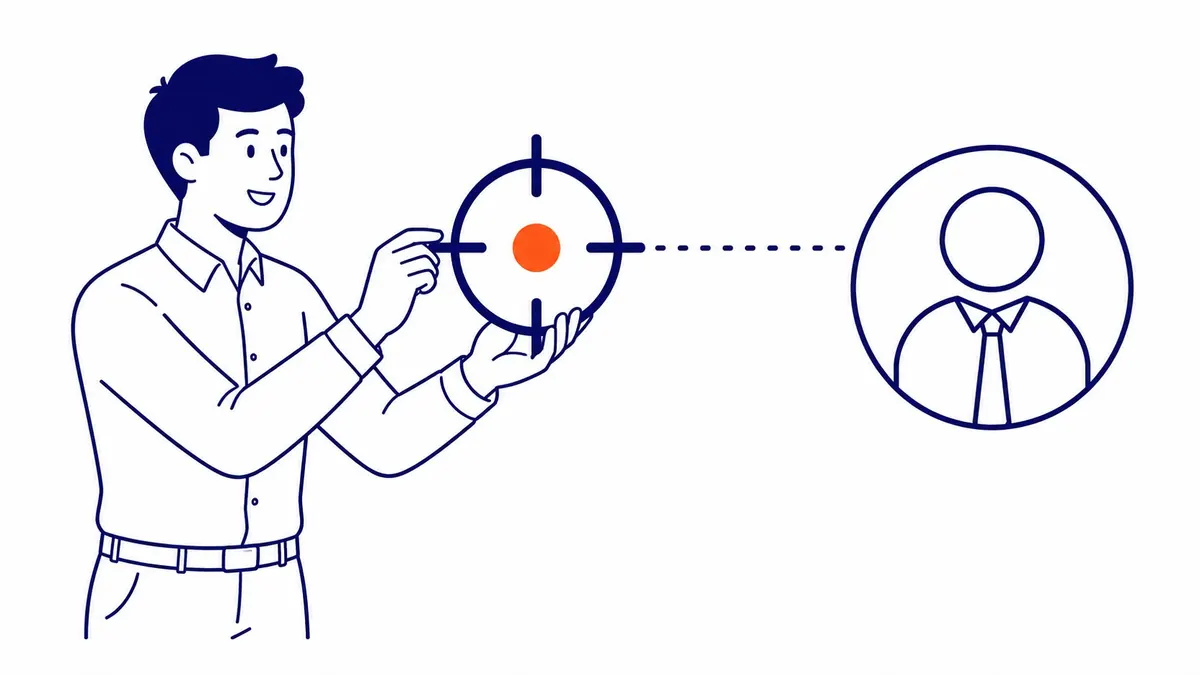
The policy separates two things that people often blur together, which is why the rules seem stricter than they are. The keyword is the term you bid on, and it never appears to the searcher. The ad text is the headline, description and display path the searcher reads, and that is where trademark rules apply. Google says the trademark “must be used in the ad, not only on the ad’s landing page” before it will consider restricting anything, and it does not restrict a trademark in the second-level domain of your display URL.
What Is an API in SEO?
An API (application programming interface) is a doorway one piece of software opens so that another program can ask it for data, or tell it to do something, without a person clicking through screens. In SEO, an API is how a rank tracker, a reporting dashboard or a spreadsheet pulls your clicks from Google Search Console, your keyword volumes from Semrush or your backlinks from Ahrefs automatically. You rarely touch the API yourself. You use tools that call it on your behalf, and its limits quietly decide how fresh and how complete their numbers are.
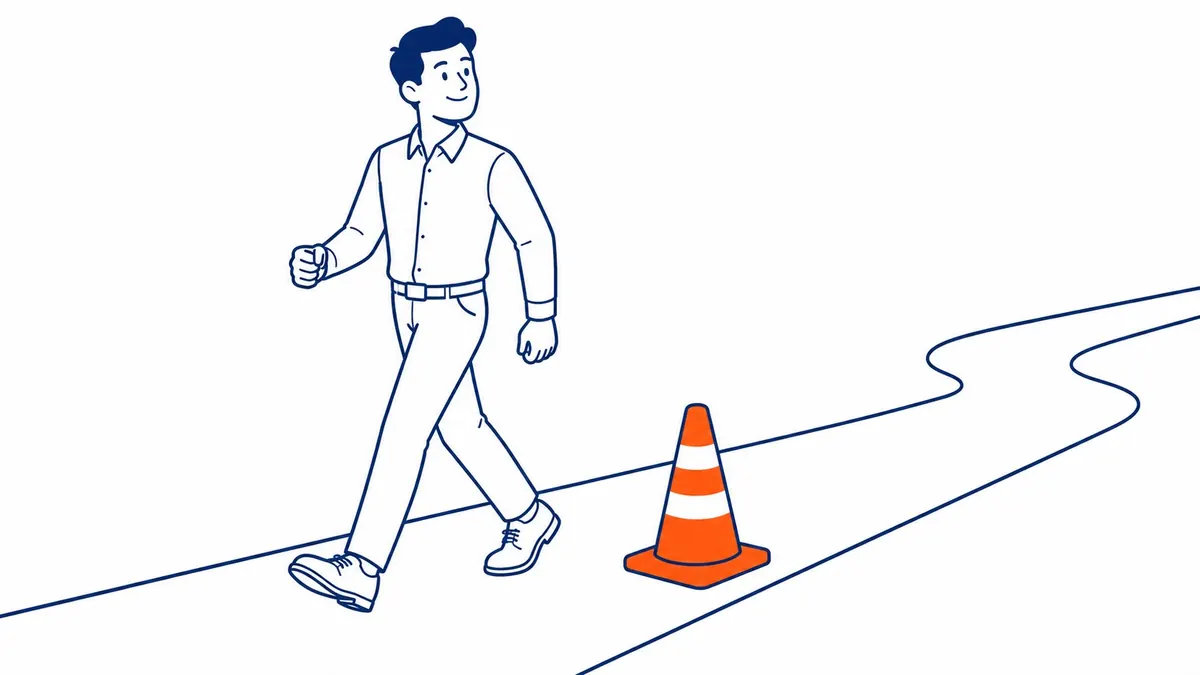
How an API call works, with an example
A website is built for people, so it sends back a designed page. An API is built for programs, so it sends back plain structured data, usually in a format called JSON, that another program can sort, store or chart. The program asking for data identifies itself with a key or a sign-in token, sends a request in the format the provider documents, and gets back exactly the fields it asked for. Nothing about the data changes because it came through an API; what changes is the speed, the volume and the fact that nobody has to export and paste anything.
Which PPC Agency Is Best for Healthcare Patient Acquisition?
Ask ten clinics and you get ten names. Every one of them is somebody’s best.
So the question has no answer in that shape. Reword it slightly though, and it sorts agencies inside a single phone call. Ask what the agency intends to do once healthcare rules strip out the two levers paid search normally runs on.
Is Shopify Bad for SEO? What It Limits and What It Doesn’t
No, Shopify is not bad for SEO. It handles the technical basics for you, including the sitemap, a default robots.txt, canonical tags in its themes, HTTPS hosting and a content delivery network, and it lets you edit the title, meta description and URL handle of every product and collection. The real limits are narrower than the complaints suggest: fixed /products/ and /collections/ prefixes in every address, extra URL paths to the same product, and themes and apps that slow a store down. The URL limits are the same for every Shopify store you compete with, and the theme and apps are choices each store makes, so what usually separates a Shopify store that ranks from one that doesn’t is the content, the links and the choices made inside the platform. For most stores, then, Shopify is good for SEO as long as those choices are made well. The exceptions are covered below, along with a quick test you can run on your own search results to see whether the platform is even what stands between you and the stores ahead of you.
How to Choose a Dental SEO Company: Ten Questions to Ask Before You Sign
To choose a dental SEO company, put the same ten questions to every agency on your shortlist and compare the answers side by side. The most important ones are whether they report new patient calls and booked appointments rather than rankings alone, whether the practice will own its domain, Google Business Profile and Search Console from day one, and whether they know the advertising and privacy rules that bind a dentist in Alberta or British Columbia. The rest cover reviews, content, site structure, cost and contract terms. A good agency answers all ten plainly, and a weak one tends to change the subject to ranking screenshots.
This guide works for a single-chair practice and for a group with several locations. If you are still deciding whether search marketing is worth the money at all, start with the separate guide on whether local SEO is worth it for a dental practice, and for the general version of this decision, outside dentistry, see how to choose the right SEO company.
What Is an SEO-Friendly Website?
An SEO-friendly website is one a search engine can crawl and read without tripping over anything. That is the whole definition. Fast enough. Works on a phone. Clean addresses. Nothing blocking the crawler. Our audit and platform pages walk through every item on that list. So this page skips the checklist.
Something odd sits in that list. Nobody points it out. Read it top to bottom. Every single line is a problem removed. Not one is a reason to visit.
Does Bing Use Meta Keywords?
Short answer: not in any useful way. Bing acknowledged the meta keywords tag for years after Google dropped it. Then spammers found it. That was the end.
We hear this question fairly often at To-The-TOP!, usually from business owners who inherited a site with a keyword field stuffed by a previous developer. Worth understanding what actually happened before deciding what to do with yours.